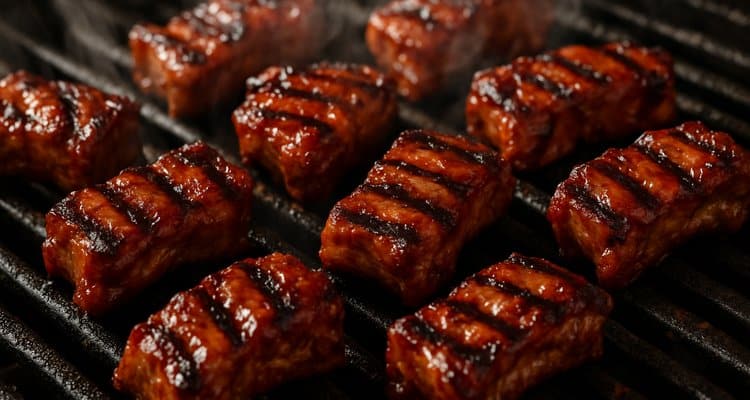
Riblets have become a weeknight grilling favorite for good reason. These small, flavorful cuts of meat cook faster than a full rack of ribs while delivering the same smoky, caramelized goodness that makes BBQ irresistible. Whether you’re firing up a gas grill for convenience or prefer the authentic flavor from charcoal, mastering riblets opens up quick dinner possibilities without sacrificing that backyard BBQ experience. In this complete guide, you’ll learn exactly how to grill riblets to perfection on both gas and charcoal grills. We’ll cover preparation techniques, temperature control, timing guides, and the secrets to achieving that perfect balance of tender meat and caramelized exterior. By the end, you’ll have the confidence to turn out restaurant-quality riblets any night of the week.
Helpful gear for this cook:
- extra-long stainless steel rib rack — keeps slabs upright and improves smoker capacity
- Bryco Goods pink butcher paper — works for wrapping brisket, ribs, and pork during the stall
- Hotec stainless steel kitchen tongs — make turning and moving food easier
What Are Riblets? Understanding the Cut
Riblets are small, individual portions cut from a full rack of ribs. Butchers create riblets by slicing a rack of spare ribs crosswise through the bones, resulting in bite-sized pieces that typically measure 2-3 inches long. This cutting method exposes more surface area for seasoning and creates a higher meat-to-bone ratio that many grillers prefer.
Don’t confuse riblets with rib tips. Rib tips come from the cartilage-heavy section at the bottom of spare ribs, while riblets are actual bone-in rib sections. Riblets contain the same meat quality as full racks but in a more manageable size that cooks faster and makes portion control easier. Both pork and beef riblets work excellently on the grill. Pork riblets tend to be more widely available at grocery stores and offer a slightly sweeter flavor profile. Beef riblets provide a heartier, more robust taste and typically come from short ribs.
Pork vs Beef Riblets
When shopping, look for riblets with good marbling, a fresh pink color for pork or deep red for beef. Avoid packages with excessive liquid, which indicates the meat may have been previously frozen. Most supermarkets carry pork riblets in the meat section, often near the ribs and pork shoulder. For beef riblets, you may need to visit a butcher or request a special cut from the meat counter.
Helpful gear for this cook:
- TempPro TP20 500FT Wireless Meat Thermometer with Dual Meat — helps verify doneness without guessing
- MEATER Plus: Smart Bluetooth Wireless Meat Thermometer Digital — helps verify doneness without guessing
- ThermoMaven wireless meat thermometer — helps verify doneness without guessing
Essential Preparation Before Grilling
Proper preparation makes the difference between good riblets and great ones. Follow these steps to set yourself up for success.
Pre-Grill Preparation Steps
- Tempering: Remove riblets from the refrigerator 30 minutes before grilling for even cooking
- Drying: Pat thoroughly with paper towels to remove surface moisture
- Seasoning: Apply dry rub generously on all sides, pressing gently into meat
- Resting: Let seasoned riblets sit while you prep the grill
Removing surface moisture helps your seasoning adhere better and promotes the Maillard reaction that creates that desirable caramelized crust. Wet meat steams rather than sears, so this step is crucial for achieving proper browning. You have two main seasoning approaches: dry rubs and marinades. Dry rubs work quickly and create an excellent bark on the exterior. Apply your rub generously on all sides, pressing it gently into the meat. For marinades, plan ahead since riblets benefit from at least 2-4 hours of marinating time, or overnight for deeper flavor penetration.
Quick Dry Rub Recipe for Riblets
Combine 2 tablespoons brown sugar, 1 tablespoon paprika, 1 teaspoon garlic powder, 1 teaspoon onion powder, 1 teaspoon salt, 1/2 teaspoon black pepper, and 1/2 teaspoon cumin. This yields enough rub for approximately 2 pounds of riblets.
How to Grill Riblets on a Gas Grill
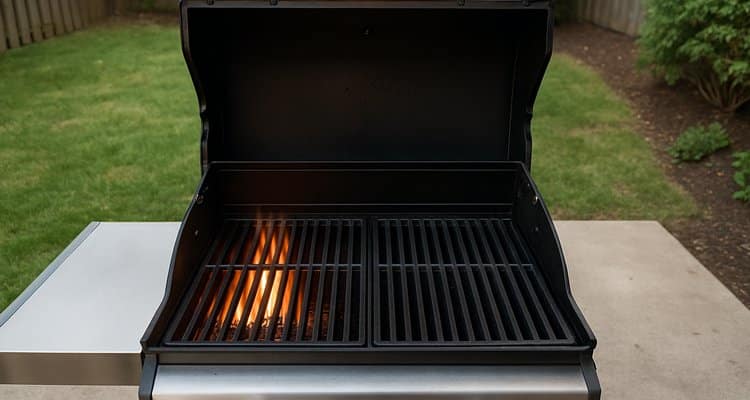
Gas grills offer excellent temperature control and convenience for cooking riblets. The key to success lies in setting up a two-zone cooking area that gives you flexibility during the cook. Start by cleaning your grill grates and preheating with all burners on high for 10-15 minutes. This burns off any residue and gets the grates hot enough for proper searing.
Once preheated, adjust your burners to create two distinct zones: turn one side to medium-high heat (350-400F) and reduce or turn off the opposite side for indirect heat. Place your seasoned riblets bone-side down on the indirect heat zone first. Close the lid and let them cook for 15-20 minutes.
This initial cooking phase allows the meat to cook through gently without burning the exterior or your seasonings. After the initial cook, move the riblets to the direct heat zone to develop char and caramelization. Grill for 3-5 minutes per side, watching carefully for flare-ups from dripping fat. The total cooking time runs 20-30 minutes depending on riblet thickness. Use an instant-read thermometer to check the internal temperature
. For tender riblets, you want to reach 195-203F, which allows the collagen to break down properly. Check temperature between the bones for the most accurate reading.
How to Grill Riblets on a Charcoal Grill
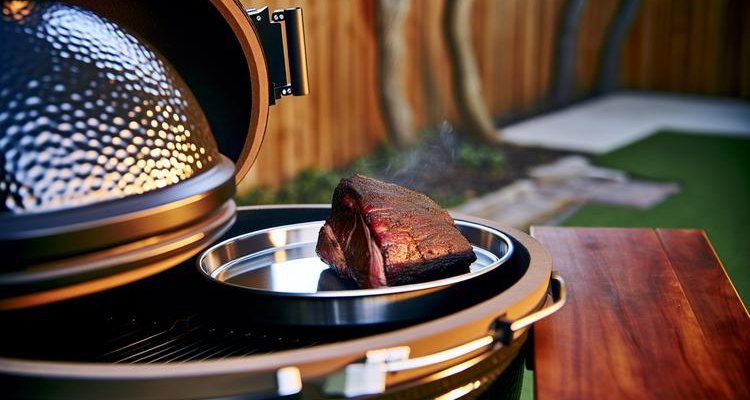
Charcoal grilling adds incomparable smoky flavor to riblets. The setup requires more attention than gas, but many BBQ enthusiasts consider the results worth the extra effort. Light your charcoal using a charcoal chimney starter
for the most reliable results. Fill the chimney about three-quarters full and let the coals burn until they’re covered with gray ash, typically 15-20 minutes. This ensures consistent heat without the chemical taste that lighter fluid can impart. Create a two-zone fire by banking all the lit coals to one side of the grill.
This gives you a hot direct zone over the coals and a cooler indirect zone on the empty side. For riblets, you want the hot zone running around 400F and the indirect zone at 300-325F. Place riblets on the cooler indirect side with the lid on, positioning the lid vents over the meat to draw smoke across the riblets.
The bottom vents should remain about halfway open to maintain airflow. Cook for 20-25 minutes on the indirect side. Move riblets over the hot coals to finish with direct heat. This stage develops the char and caramelization that define great grilled riblets.
Watch carefully since flare-ups happen more frequently over charcoal. If flames appear, simply move the riblets back to the indirect zone momentarily. Manage your lid vents throughout the cook. Opening vents increases oxygen and raises temperature, while closing them dampens the fire. Small adjustments help maintain consistent cooking temperatures.

Direct vs Indirect Heat: Which Method to Use
Understanding when to use direct versus indirect heat separates novice grillers from skilled ones. Both methods serve specific purposes when cooking riblets, and the best results typically come from combining them strategically. Direct heat means cooking directly over the flame or coals. This method excels at creating char, caramelization, and those coveted grill marks.
However, extended direct heat cooking can burn the exterior before the interior reaches safe temperatures, especially with bone-in cuts like riblets. Indirect heat cooks food away from the direct flame, using the grill as an oven. This gentler approach allows riblets to cook through evenly without burning.
The tradeoff is you won’t develop the same level of exterior caramelization. For riblets, the combination approach works best. Start on indirect heat to cook the meat through safely, then finish over direct heat to develop flavor and texture. This method gives you tender, fully-cooked meat with an appetizing charred exterior.
Direct vs Indirect Heat Comparison
Cooking Times and Temperatures
Proper timing and temperature control ensures riblets come off the grill tender and juicy rather than tough or dried out. The following guide covers both pork and beef riblets across different cooking methods.
Riblet Cooking Times Guide
The target internal temperature of 195-203F may seem high, but riblets contain significant connective tissue that needs to break down for tender results. At lower temperatures, the meat remains tough and chewy. An instant-read thermometer is essential for accurate readings since visual cues alone can be misleading. Beyond temperature, look for visual cues that indicate doneness. The meat should pull back slightly from the bones, exposing about a quarter inch of bone at the ends. When you lift a riblet with tongs, it should bend easily but not fall apart. These signs combined with proper internal temperature confirm your riblets are ready.
Riblet Doneness Checklist
- Internal temperature reaches 195-203F between the bones
- Meat pulls back from bones by approximately 1/4 inch
- Riblets bend easily when lifted with tongs
- Meat doesn’t fall off the bone completely
- Exterior has developed a caramelized crust or bark
Saucing Your Riblets: Timing is Everything
The timing of sauce application makes or breaks your riblets. Apply BBQ sauce too early and the sugars burn to an acrid, bitter coating. Wait until the right moment and you’ll achieve a beautiful lacquered glaze that caramelizes perfectly.
Saucing Best Practices
- Timing: Apply sauce only during the last 5-10 minutes of cooking
- Application: Brush on thin layers rather than drowning the riblets
- Layering: Apply one coat, wait 2-3 minutes with lid closed, then add second layer
- Serving: Offer additional sauce on the side for those who prefer more
Most BBQ sauces contain sugar, and sugar burns at temperatures above 320F. Since your grill runs hotter than this, limited exposure time is key. Not everyone wants sauced riblets, and that’s perfectly fine. A well-seasoned dry rub creates its own flavorful bark during cooking. For dry-rubbed riblets, consider a light glaze of apple juice or apple cider vinegar in the final minutes to add shine and a touch of moisture without the sweetness of traditional BBQ sauce.
Common Mistakes and How to Avoid Them
Even experienced grillers make mistakes with riblets. Knowing the common pitfalls helps you avoid them and achieve consistent results every time.
Common Riblet Grilling Mistakes
Frequently Asked Questions
How long does it take to grill riblets?
Riblets typically take 20-30 minutes total on the grill using the combination method. Start with 15-20 minutes on indirect heat, then finish with 5-10 minutes over direct heat for caramelization. Thicker riblets may need additional time, so always verify doneness with a thermometer.
What temperature should I grill riblets at?
For gas grills, set burners to medium-high (350-400F) on the direct side and low or off on the indirect side. Charcoal grills should run around 400F over the coals and 300-325F on the indirect zone. The key is having two distinct temperature zones for proper cooking control.
What’s the difference between riblets and rib tips?
Riblets are small bone-in sections cut crosswise from a full rack of ribs. Rib tips come from the cartilage-heavy bottom portion of spare ribs. Riblets contain actual rib bones and have a higher meat-to-bone ratio, while rib tips are more cartilage and tend to be chewier.
Can you grill frozen riblets?
It’s best to thaw riblets completely before grilling. Frozen riblets cook unevenly since the exterior overcooks while the interior remains frozen. Thaw in the refrigerator overnight or use the cold water method for faster thawing. Never thaw at room temperature, which promotes bacterial growth.
How do you know when riblets are done?
Use an instant-read thermometer to check internal temperature between the bones. Target 195-203F for tender results. Visual cues include meat pulling back from the bones about a quarter inch and the riblets bending easily when lifted with tongs without falling apart.
What’s the best sauce for grilled riblets?
Classic Kansas City-style BBQ sauce works excellently with riblets, offering the sweet-tangy-smoky profile most people expect. However, Asian-inspired glazes, Carolina vinegar sauces, and Alabama white sauce all complement riblets well. Match your sauce to your dry rub flavors for the best results.
Should I use direct or indirect heat for riblets?
A combination works best. Start riblets on indirect heat to cook them through evenly without burning the exterior. Finish over direct heat for 5-10 minutes to develop char and caramelization. This approach gives you tender meat with an appetizing grilled exterior.
How do you keep riblets from drying out?
Don’t overcook them, use indirect heat for the majority of cooking, and don’t sauce too early. Keeping the grill lid closed retains moisture. Some grillers spray riblets with apple juice during cooking, though this isn’t strictly necessary if you manage your heat properly.
Can you smoke riblets instead of grilling?
Absolutely. Smoke riblets at 225-250F for 2-3 hours until they reach 195-203F internally. Use fruit woods like apple or cherry for a milder smoke flavor that complements pork, or hickory for a more robust taste. Smoking takes longer but produces incredibly tender results.
What sides go well with grilled riblets?
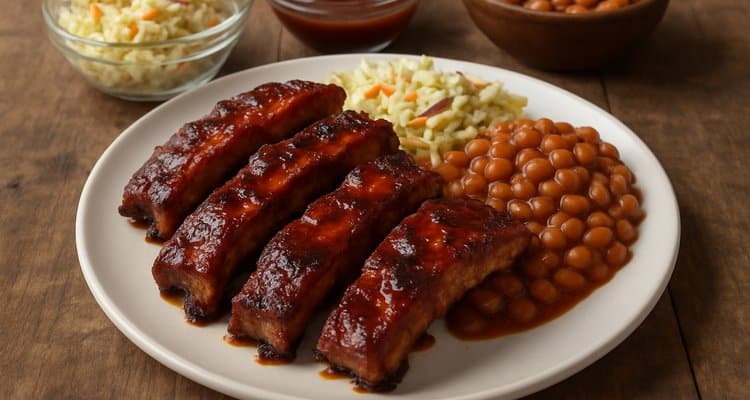
Classic BBQ sides pair perfectly with riblets. Coleslaw provides a cool, creamy contrast to the rich meat. Baked beans offer complementary sweetness. Cornbread, mac and cheese, and grilled corn on the cob round out a traditional BBQ spread. For lighter options, consider a crisp green salad or grilled vegetables.
Get Grilling This Weekend
Grilling riblets delivers big BBQ flavor without the time commitment of smoking a full rack of ribs. Whether you choose gas for convenience or charcoal for that authentic smoky taste, the two-zone cooking method ensures tender, perfectly cooked meat every time. Remember the key points: set up your two-zone fire, start on indirect heat, finish over direct flames, and save the sauce for the final minutes.
With an instant-read thermometer confirming your target temperature of 195-203F, you’ll pull riblets off the grill that rival any BBQ restaurant. Pick up a package of riblets on your next grocery run and put these techniques to the test. Once you’ve mastered the method, experiment with different rubs, marinades, and sauces to make the recipe your own. Your backyard BBQ just got a lot more exciting.