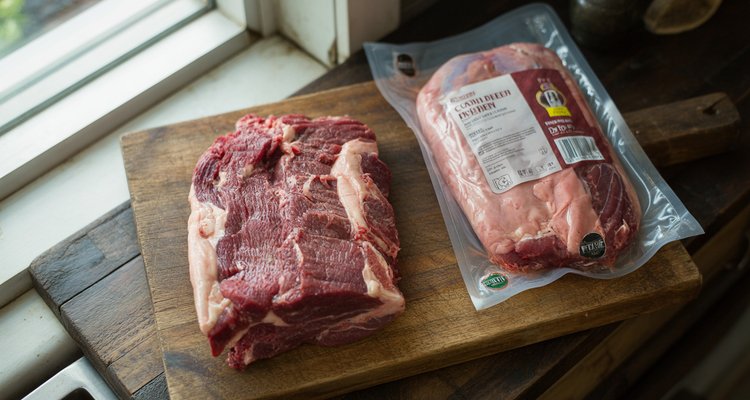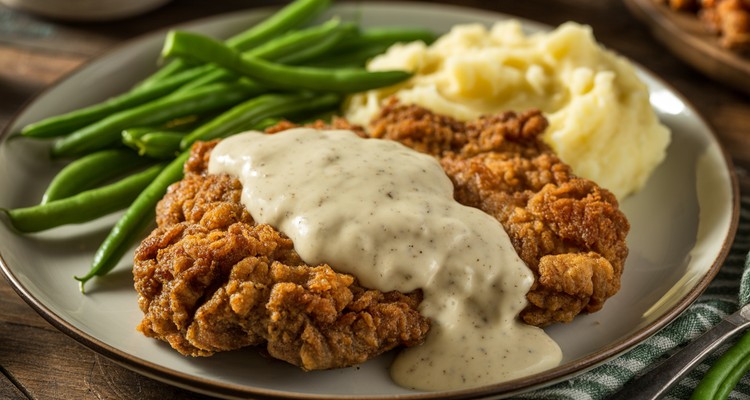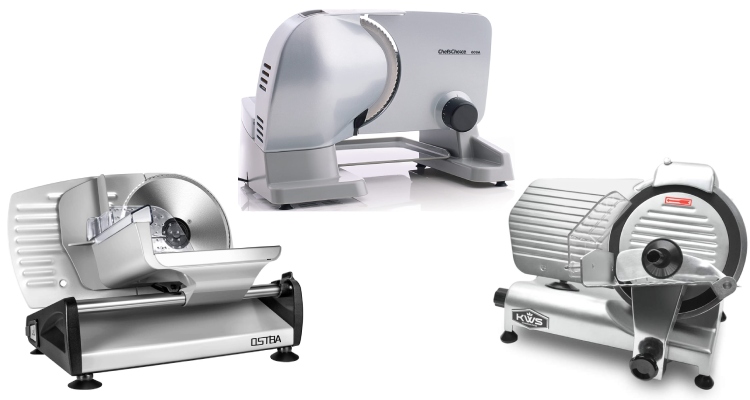
The best meat slicer for home use transforms how you handle brisket, deli meats, cheese, and smoked cuts—giving you paper-thin, restaurant-quality slices that no knife can consistently match. After testing and researching the top models available in 2026, our top pick is the Cuisinart Kitchen Pro FS-75 for its outstanding combination of safety features, precision slicing, and ease of cleaning that suits most home BBQ enthusiasts. Whether you want to slice your own smoked brisket after a long cook, prep Korean BBQ meats, or simply stop paying deli prices for pre-sliced lunch meat, a quality electric meat slicer pays for itself quickly.
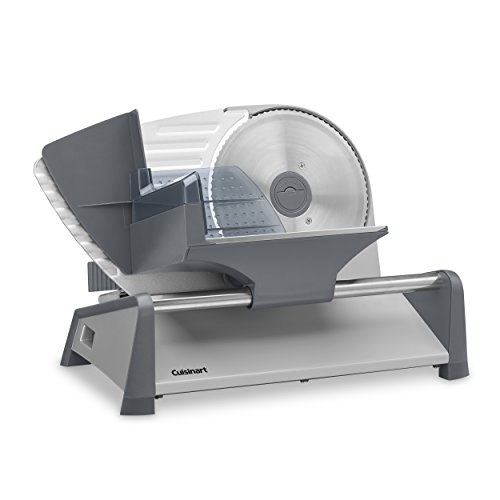
Adjustable from 1/32 to 1/2 inch thickness with a 7.5-inch stainless blade — precise, clean slices for deli-style BBQ presentation.
★★★★★ 4.5/5
Quick Roundup List
- Best Overall: Cuisinart Kitchen Pro Food Slicer FS-75
- Best Value: OSTBA Electric Deli Food Slicer
- Best Premium: BESWOOD 10″ Electric Deli Meat Slicer
- Best Step-Up: KWS MS-10XT 320W Electric Meat Slicer
- Best Versatile: CUSIMAX Meat Slicer with Dual Blades
What Is a Meat Slicer and Why Do You Need One?
A meat slicer is a kitchen appliance built around a motorized circular blade that cuts food—meat, cheese, bread, vegetables—into consistent, precise slices at whatever thickness you set. Originally a commercial deli staple, modern home meat slicers have brought this capability to home kitchens at prices that make genuine sense for anyone who regularly prepares their own food. For BBQ enthusiasts, a meat slicer is particularly valuable after a long smoke. Slicing a brisket with even the sharpest brisket knife rarely produces the uniform pencil-thick cuts you see at the best Texas BBQ joints. A good electric meat slicer handles that job in minutes, preserving every slice’s smoke ring, bark, and moisture. Home models feature blades between 7 and 10 inches, motors ranging from 130 to 320 watts, and adjustable thickness controls that go from paper-thin to over half an inch. The difference between an entry-level slicer and a premium model comes down to motor endurance, blade size, build materials, and how well the machine holds its thickness setting during continuous use.
Benefits of Owning a Home Meat Slicer
Real Cost Savings
- Buying whole cuts rather than pre-sliced saves 30-50% per pound
- Slice only what you need, reducing waste from unused portions
- Stock up on sale meats, slice in bulk, and freeze in serving-sized portions
- Control slice thickness to maximize yield from every cut
BBQ and Smoked Meat Precision
- Achieve consistent pencil-thick brisket slices that showcase the smoke ring
- Prepare Korean BBQ and hot pot meats at exactly the right thinness
- Slice smoked ham, turkey breast, and pulled pork for presentation-quality servings
- Make beef jerky strips with uniform thickness for even dehydration
Versatility Beyond Meat
- Slice hard and semi-soft cheeses without crumbling
- Cut homemade bread loaves into even portions
- Thin-slice vegetables for salads, gratins, and dehydrating
- Process bulk deli items for meal prep across the week
Meat Slicer Comparison
| Model | Blade | Motor | Thickness | Best For | Link |
|---|---|---|---|---|---|
| Cuisinart FS-75 | 7.5″ | 130W | 1/32″ – 1/2″ | Most Home Cooks | See at Amazon |
| OSTBA | 7.5″ | 200W | Paper-thin – 3/4″ | Budget / Jerky | See at Amazon |
| BESWOOD 250 | 10″ | 240W | Paper-thin – 1/2″ | Serious Pitmasters | See at Amazon |
| KWS MS-10XT | 10″ | 320W | 0 – 0.4″ | High Volume / Frozen | See at Amazon |
| CUSIMAX | 8.7″ | 200W | 1mm – 20mm | Mixed Tasks / 2 Blades | See at Amazon |
Product Reviews
Cuisinart Kitchen Pro Food Slicer FS-75 – Best Overall
The Cuisinart Kitchen Pro Food Slicer FS-75 consistently rises to the top across independent testing by food publications, and its design details explain why. The true-zero blade setting fully recesses the 7.5-inch undulated stainless steel blade when dialed to zero, so the slicer can be stored or handled without any blade exposure—a meaningful safety advantage that most budget models lack. The entire food-holding assembly detaches with a simple lift, exposing the crevices under the tray that collect meat particles in other slicers and are nearly impossible to clean properly. Most users report cleanup takes less than a minute. The 130-watt motor is sized appropriately for non-commercial home use and handles roast beef, turkey, deli meats, firm cheeses, and bread with consistent results.
Highlights
- True-zero blade setting fully recesses blade for safe storage
- Removable carriage allows access to hard-to-clean areas
- 7.5″ undulated stainless steel blade adjusts from 1/32″ to 1/2″
- Die-cast aluminum and premium-coated steel housing
- 3-year motor warranty
Specifications
- Dimensions: 14 x 8.75 x 11 inches
- Weight: 9.5 pounds
- Blade Size: 7.5 inches
- Motor Power: 130 watts
Customer Reviews
- “Fantastic for slicing deli meats, cheeses, or fresh bread to the exact thickness you want — the blade cuts smoothly and efficiently, and the adjustable dial makes switching settings incredibly easy.”
- “I have wanted a slicer for quite a while — this is perfect. Compact, light, and easy to use. Maybe 1 minute to clean it. Great for slicing ham, chicken, or turkey once a week.”
- “It solved my bread machine problem — I could never slice loaves evenly with any knife or guide. This gives me perfect, consistent slices every single time.”
OSTBA Electric Deli Food Slicer – Best Value
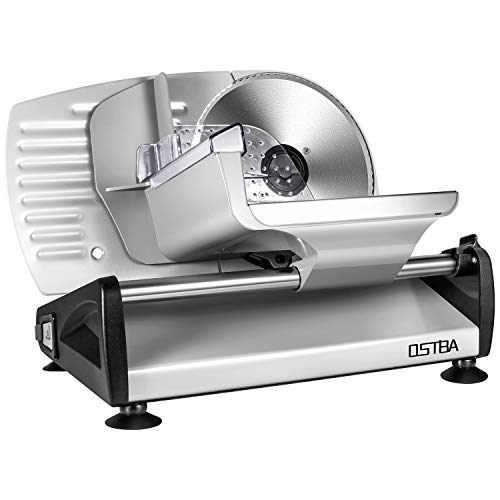
The OSTBA Electric Deli Food Slicer earns our best-value pick by delivering genuine slicing capability at an accessible price. The 200-watt motor handles cooked meats, semi-frozen cuts, deli items, cheese, and bread without overheating during typical home sessions. The 7.5-inch stainless steel serrated blade maintains its edge through regular use. A dual-activation system requires pressing both the safety lock and power button simultaneously, preventing accidental starts while keeping the slicer easy to operate once you’re ready. Home users who make beef jerky or slice brisket for Korean BBQ consistently praise how cleanly it handles semi-frozen meat. The thickness adjustment runs from paper-thin to approximately three-quarters of an inch—covering everything from prosciutto-style cuts to thick sandwich slices.
Highlights
- 200W motor with 7.5″ removable stainless steel serrated blade
- Adjustable thickness from paper-thin to approximately 3/4″
- Dual-activation safety lock prevents accidental starts
- Removable blade, food carriage, and food pusher for cleaning
- Non-slip suction cup feet for stability
Specifications
- Dimensions: 14.17 x 9.65 x 10.24 inches
- Weight: 8.64 pounds
- Blade Size: 7.5 inches
- Motor Power: 200 watts
Customer Reviews
- “I got this to slice my own KBBQ meat at home — cheaper prices and control over thickness. Used it at least once a week slicing brisket and it hasn’t let me down once.”
- “A very capable and well-built slicer that performs at a much higher level than expected — delivers consistent, even slices and adjusts easily for a wide variety of foods.”
- “Spent about 30 minutes slicing cheese blocks and steaks — does a good job for the price. Cleanable, and it’s not trying to be a deli counter unit, which it doesn’t need to be.”
BESWOOD 10″ Electric Deli Meat Slicer – Best Premium
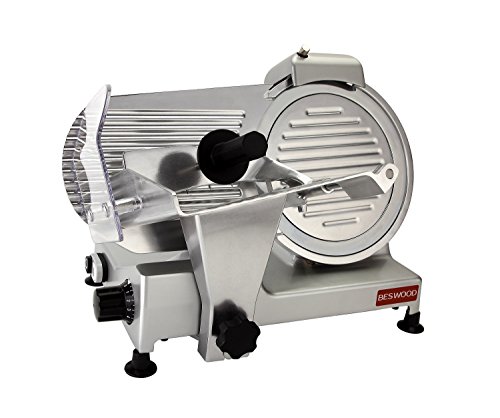
The BESWOOD 10″ Electric Deli Meat Slicer occupies a different league from home-use slicers, built with the heft and materials of commercial kitchen equipment at a price serious home cooks can justify. The 10-inch Italian chromium-plated steel blade stays sharper longer than standard stainless blades and resists corrosion. The built-in two-stone sharpener means you never need to take the slicer out of commission for blade maintenance. At roughly 30 pounds, the BESWOOD250 does not move during operation. The 24-volt illuminated on/off switch provides protection against power shock that consumer-grade machines skip entirely. Buyers who have switched from entry-level slicers consistently describe the performance difference as transformative—the blade speed and motor torque handle everything from paper-thin brisket to thick cheese blocks without the hesitation common in lighter machines.
Highlights
- 10″ Italian chromium-plated steel blade for corrosion resistance
- Built-in dual two-stone sharpener
- 240W totally enclosed blade motor with 24V illuminated switch
- Commercial-grade construction with ETL certification
- Smooth gravity-feed carriage for consistent slice thickness
Specifications
- Blade Size: 10 inches
- Motor Power: 240 watts
- Blade Material: Chromium-plated steel (Italian)
- Certification: ETL Listed
- Weight: ~30 pounds
Customer Reviews
- “The build quality is solid and the blade is extremely sharp — it cuts frozen meat smoothly and evenly, is quiet, and feels like a professional machine. Totally worth the investment.”
- “Cuts like butter. I read reviews from lots of different slicers and the BESWOOD250 was at the top of every list — it has not disappointed.”
- “I got this primarily for slicing homemade bacon but have used it for deli meats and cheeses as well — works well and is quiet compared to the other slicer I bought and returned.”
KWS MS-10XT 320W Electric Meat Slicer – Best Step-Up

The KWS MS-10XT 320W Electric Meat Slicer is built for home users who process significant quantities of meat and need a machine that handles frozen and semi-frozen cuts without breaking stride. The 320-watt motor delivers 33% more power than the 240-watt class, which translates directly to smoother cutting through dense or partially frozen roasts, whole briskets, and large cheese blocks. The 10-inch Teflon-coated 304 stainless steel blade resists rust and reduces food sticking during cuts. The integrated dual whetstone sharpener keeps the edge maintained between sessions. Both ETL and NSF certified, the KWS MS-10XT meets commercial kitchen safety and sanitation standards. Its semi-automatic spring-assist design pushes the food carriage gently through each stroke, reducing arm fatigue during extended slicing sessions.
Highlights
- 320W motor—33% more power than standard 240W models
- 10″ 304 stainless steel blade with Teflon coating
- Built-in dual whetstone sharpener
- Semi-automatic spring-assist carriage reduces fatigue
- ETL and NSF certified for home and commercial use
Specifications
- Blade Size: 10 inches
- Motor Power: 320 watts
- Thickness Range: 0-10mm (0-0.4″)
- Blade Material: 304 stainless steel with Teflon coating
- Certification: ETL and NSF
Customer Reviews
- “Easily and quietly cuts meats and cheeses — heavy and solid enough that it will not wander on the countertop, and will reliably cut any food item you need a slicer for.”
- “Bought this specifically to slice prosciutto at 0.5mm — the super thin slicing completely changes the flavor and texture of the meat. This machine delivered exactly that.”
- “A real work horse — we process our own pigs and beef, a whole animal about six times a year. It is holding up well and handles everything we throw at it.”
CUSIMAX Meat Slicer with Dual Blades – Best Versatile

The CUSIMAX Meat Slicer stands apart from every other model by including two complete 8.7-inch blades—a serrated blade for bread and tougher cooked meats, and a smooth non-serrated blade for lean meats, cheeses, and paper-thin slices. The ability to switch blades based on what you’re slicing gives the CUSIMAX a genuine functional advantage over single-blade models. The 200-watt motor drives an upgraded stainless steel 304 blade that handles everything from frozen meat to sourdough loaves. The thickness adjustment runs from 1mm to 20mm—the widest range in this comparison, useful for bulk prep sessions where you need both deli-thin slices and thicker cuts.
Highlights
- Two 8.7″ stainless steel blades—serrated and non-serrated
- Widest thickness range: 1-20mm (up to ~3/4″)
- 200W motor with upgraded stainless steel 304 construction
- Removable food carriage, blade, and pusher for cleaning
- 18-month warranty
Specifications
- Dimensions: 17.32 x 12.2 x 11.81 inches
- Weight: 10.8 pounds
- Blade Size: 8.7 inches (two blades included)
- Motor Power: 200 watts
- Thickness Range: 1-20mm
Customer Reviews
- “Cuts through deli meats, cheeses, and bread with absolute precision and ease — surprisingly simple to adjust for different thicknesses, and makes prepping party platters completely effortless.”
- “I had an eye of round roast in the freezer for 2 hours before slicing for jerky — it worked amazingly. Better than expected for the price point.”
- “Makes nice clean cuts for deli meats. The two removable 8.7-inch blades make it easy to switch between tasks depending on what you’re slicing.”
Buying Guide: How to Choose the Best Meat Slicer
Blade Diameter, Motor Power, and Thickness Range
The three core specs determine what a slicer can handle and how well it performs over time.
| Spec | Range | What It Means |
|---|---|---|
| Blade Diameter | 7–7.5 inches | Handles most home tasks — deli meats, cheese, average roasts. May require halving a full brisket flat first. |
| 8.7 inches | Adds capacity for larger cuts; more cutting surface per stroke for bulkier roasts and larger loaves. | |
| 10 inches | Handles full brisket flats, large hams, and thick roasts without trimming. Right choice for regular pitmaster use. | |
| Motor Power | 130–150W | Handles cooked meats and cheese well. Needs cool-down after ~10 minutes; not suitable for semi-frozen cuts. |
| 180–200W | Covers most home needs — cooked brisket, ham, firm cheese without hesitation. Better run time before cool-down needed. | |
| 240W+ | Handles semi-frozen meats, runs longer without overheating, maintains consistent blade speed under load. Recommended for regular high-volume use. | |
| Thickness Range | 0–15mm | Standard range. Covers deli-thin prosciutto through thick sandwich cuts. Sufficient for most home tasks including brisket slicing. |
| Up to 20mm | Extended range (CUSIMAX). Useful for bulk prep where you need both deli-thin slices and thick sandwich or portion cuts. |
If slicing whole smoked briskets is your primary use case, a 10-inch machine is worth the investment—even the best brisket knife requires more effort and delivers less consistency than a properly sized slicer.
Safety Features
A quality home meat slicer should include multiple independent safety mechanisms:
- Blade guard that covers the exposed blade when the carriage is at rest
- Non-slip rubber or suction cup feet
- Food pusher that keeps your hand away from the blade
- True-zero blade setting that fully recesses the blade (like the Cuisinart)
- Dual-activation switches that prevent accidental starts
Cut-resistant gloves are a worthwhile addition for any home slicer user, regardless of machine quality.
Ease of Cleaning
Meat slicers require thorough cleaning after every use. The ease of disassembly directly affects how well you maintain food safety standards. At minimum, look for a removable blade and removable food carriage. Better models also include a removable food pusher, removable blade guard ring, and smooth internal surfaces that don’t trap meat particles. The Cuisinart FS-75’s fully removable carriage is exceptional—it’s the only model that allows you to clean under the tray without disassembling the machine.
Home vs. Commercial Grade
Home-grade slicers under approximately $200 are built for intermittent use—typically 10-15 minutes at a time with cool-down periods, a few times per week. They use lighter materials, smaller motors, and lower-speed blades. Commercial-grade machines built for home use (like the BESWOOD250 and KWS MS-10XT) feature heavy-gauge aluminum or steel construction, more powerful enclosed motors, higher-grade blades, and safety certifications required for professional kitchens. They cost more but last significantly longer. For a home pitmaster who smokes brisket weekly and does regular meal prep, the commercial-grade investment typically makes sense.
Slicing Brisket and Smoked Meats
For the BBQ-focused home cook, a meat slicer delivers the most value after a long smoke.
| Stage | What to Do |
|---|---|
| Before Slicing | Rest fully — at least 1–2 hours after coming off the smoker. Cold or room-temperature brisket slices more cleanly; semi-cold meat holds its shape through the blade far better than hot meat. |
| Slicer Settings | Set thickness to 6–8mm for classic Texas-style slices. Always slice the flat against the grain. A 10-inch slicer handles a full packer flat; 7.5-inch models may require cutting the flat in half first. |
| Korean BBQ Thin Slices | Freeze raw brisket for 20–30 minutes to firm it up. Pair with a BBQ cutting board with a juice groove to catch drippings. Target 2–3mm thickness. |
Frequently Asked Questions
What is the best meat slicer for home use?
The Cuisinart Kitchen Pro Food Slicer FS-75 is our top overall pick for most home users because of its superior safety features, easy cleaning design, and consistent performance with deli meats, cheese, and cooked roasts. For users who regularly slice brisket or large volumes of meat, the BESWOOD250 offers significant performance upgrades worth the additional cost.
What is the best meat slicer for brisket?
For slicing smoked brisket, the BESWOOD250 with its 10-inch chromium-plated blade and 240W motor is the strongest home option. Its blade handles the full width of a brisket flat in a single stroke. The KWS MS-10XT is also excellent, with its 320-watt motor handling everything from fully cooked briskets to semi-frozen cuts.
Can I use a meat slicer for semi-frozen meat?
Yes, with the right machine. Models with 200W or higher motors handle semi-frozen meat effectively. The key is partially freezing the meat for 20-30 minutes rather than using fully frozen cuts, which can damage the blade and strain the motor.
How do I clean a meat slicer safely?
Follow these steps every time:
- Always unplug the slicer before cleaning
- Remove the blade carefully using the food pusher—never reach directly around a bare blade
- Wash removable parts in hot soapy water, rinse, and air dry
- Wipe down the main body with a damp cloth and food-safe sanitizer
- Use a narrow brush for crevices that trap food particles
Clean after every single use—meat residue left in a slicer creates serious food safety risks.
What is the difference between a serrated and non-serrated blade?
| Blade Type | Best For / Trade-offs |
|---|---|
| Serrated | Grips and cuts bread, denser cooked meats, and foods with a tougher exterior crust. Produces slightly rougher cut surfaces but rarely stalls on tougher material. |
| Non-Serrated | Better for lean meats, fresh and semi-soft cheeses, and paper-thin slices. Produces cleaner cut faces with less surface tearing. Requires more frequent sharpening. |
The CUSIMAX comes with both blade types, making it the most adaptable option for mixed slicing tasks.
How thick should brisket slices be?
The classic Texas competition standard is approximately 1/4 inch (6mm), often described as “pencil thick.” This thickness shows the smoke ring clearly, holds together when lifted, and pulls apart easily when eaten.
| Use Case | Target Thickness |
|---|---|
| Texas table service / competition standard | ~6mm (1/4″) |
| Sandwiches / tacos | ~3mm |
| Korean BBQ (KBBQ) | 2–3mm (semi-frozen) |
| Maximum recommended for table service | 10mm — thicker cuts feel tough |
How often should I sharpen the blade?
For home use with a quality blade, sharpening every 3-6 months is typical under regular use of once or twice per week. Models with built-in sharpeners like the BESWOOD250 and KWS MS-10XT make this easy—run the sharpener for 30 seconds before each session to keep the edge maintained. Entry-level blades may need replacement after a year or two. A dull blade is the primary cause of torn, uneven slices and increased motor strain.
Can meat slicers cut through bone?
No. Home and prosumer electric meat slicers are not designed to cut bone. Attempting to slice bone-in cuts will damage or chip the blade, strain the motor, and potentially cause injury. Always remove bones, joints, and cartilage before placing meat in the slicer.
What blade size do I need for slicing a whole brisket?
A whole brisket flat typically measures 4-6 inches in height and 8-12 inches in length. A 10-inch blade handles most whole flats without trimming. A 7.5-inch blade usually requires cutting the flat in half first. If you cook full packer briskets regularly, budget for a 10-inch model to avoid extra prep work.
Are electric meat slicers safe to use at home?
Yes, when used correctly. Keep both hands away from the blade during operation, always use the food pusher to guide the final inches of each cut, and never bypass the safety lock. Cut-resistant gloves add an extra layer of protection during use and especially during cleaning. A quality slicer with solid safety features is substantially safer than hand-slicing large roasts with a long knife.
Conclusion
A quality home meat slicer is one of the most practical investments a regular home cook or BBQ enthusiast can make, paying for itself within weeks through savings on pre-sliced deli meats and the ability to slice your own smoked meats with professional precision. Our recommendations:
- Cuisinart Kitchen Pro FS-75 — Best overall for most home users. Safe, easy to clean, consistent, and well-supported.
- BESWOOD250 — The clear choice for serious pitmasters who smoke brisket regularly and want a machine built to last decades.
- OSTBA — Delivers genuine performance at the lowest price in the category.
- KWS MS-10XT — Right call for high-volume users and those who process semi-frozen or dense cuts.
- CUSIMAX — Most versatile all-around option with dual blades for mixed slicing tasks.
Whatever your slicing needs, use the buying guide above to match motor wattage, blade size, and safety features to how you actually cook—and start saving money at the deli counter.