Learning how to BBQ is one of the most rewarding skills you can pick up — whether you’re a complete beginner or just looking to level up your backyard game. BBQ for beginners can feel intimidating at first, but with the right knowledge and a bit of practice, you’ll be grilling like a pro in no time. This complete guide covers everything you need to start your grilling journey in 2026: choosing the right equipment, mastering essential techniques, understanding temperatures, and avoiding the common mistakes that trip up new grillers.
Quick Roundup List
- Best Classic Charcoal: Weber Original Kettle Premium Charcoal Grill
- Best Gas Grill: Char-Broil Performance Cabinet-Style 2-Burner Gas Grill
- Best Indoor/Outdoor: George Foreman 15-Serving Indoor/Outdoor Electric Grill
- Best Pellet Grill: Traeger Grills Pro Series 575 Wood Pellet Grill
🔥 Quick Start Checklist
- ☐ Choose your grill type based on budget and space
- ☐ Get essential tools (thermometer, tongs, brush)
- ☐ Learn basic safety rules
- ☐ Master direct vs. indirect heat
- ☐ Start with simple recipes (burgers, hot dogs)
- ☐ Practice temperature control
- ☐ Keep a grilling journal to track progress
Why Grilling is Worth Mastering
Before we dive into the nitty-gritty of grilling techniques, let’s explore why grilling has become such a beloved cooking method:
- Unparalleled Flavor: The high heat of grilling creates a delicious caramelized exterior on foods while locking in juices, resulting in flavors that are hard to achieve with other cooking methods.
- Versatility: From juicy steaks to crisp vegetables and even fruity desserts, you can grill almost anything your heart desires.
- Healthier Cooking: Grilling allows excess fat to drip away from food, potentially reducing calorie content.
- Perfect for Entertaining: There’s something inherently social about gathering around a grill, making it ideal for parties and family get-togethers.
- Year-Round Enjoyment: While often associated with summer, grilling can be a year-round activity with the right setup and attitude.
- Connection to Nature: Grilling often takes place outdoors, allowing you to enjoy fresh air and natural surroundings while cooking.
 Now that we’ve ignited your enthusiasm for grilling, let’s explore the essential elements that will set you up for success.
Choosing Your Grill: The Foundation of Your BBQ Journey
Selecting the right grill is crucial to your grilling success. Each type of grill has its own unique characteristics, advantages, and challenges. Let’s break down the main types to help you make an informed decision:
| Grill Type | Initial Cost | Operating Cost | Skill Level | Best For |
|---|---|---|---|---|
| Charcoal | $ – $$ | $$ | Intermediate | Flavor enthusiasts |
| Gas | $$ – $$$ | $$ | Beginner | Convenience seekers |
| Electric | $ – $$ | $ | Beginner | Apartment dwellers |
| Pellet | $$$ – $$$$ | $$$ | Beginner-Intermediate | Tech-savvy smokers |
Charcoal Grills: The Classic Choice
 Charcoal grills are beloved by many for their ability to impart a rich, smoky flavor to food. Pros:
- Achieve high temperatures for excellent searing
- Provide authentic smoky flavor
- Generally more affordable
- Offer a more hands-on, traditional grilling experience
Cons:
- Require more time for setup and cleanup
- Temperature control can be challenging for beginners
- Need a steady supply of charcoal
Weber Original Kettle Premium Charcoal Grill – Best Classic Charcoal

For those interested in trying charcoal grilling, the Weber Original Kettle Premium Charcoal Grill is a classic choice that has stood the test of time.
Highlights
- One-Touch cleaning system for easy ash removal
- Built-in thermometer for temperature monitoring
- Hinged cooking grate for easy charcoal access
- Durable porcelain-enameled bowl and lid
- Ash catcher for mess-free cleanup
- Feeds 4-6 people comfortably
Specifications
- Cooking Area: 363 square inches
- Material: Porcelain-enameled steel
- Dimensions: 22.5 inches diameter
- Weight: 32.3 pounds
- Setup Time: 30 minutes
Customer Reviews
- “This grill is a workhorse. Perfect heat control and built to last for years.”
- “The classic design works perfectly. Easy to use and maintain.”
- “Best charcoal grill for the money. Cooks everything evenly.”
Gas Grills: Convenience and Control
Gas grills offer ease of use and precise temperature control, making them popular among beginners and experienced grillers alike. Pros:
- Quick to heat up and easy to use
- Offer precise temperature control
- Clean burning with minimal cleanup
Cons:
- May not achieve the same smoky flavor as charcoal
- Generally more expensive upfront
- Require propane tank refills or natural gas line installation
Char-Broil Performance Cabinet-Style 2-Burner Gas Grill – Best Gas Grill

For those seeking a reliable gas grill, the Char-Broil Performance Cabinet-Style 2-Burner Gas Grill offers great features at a reasonable price point.
Highlights
- TRU-Infrared cooking technology for even heat distribution
- Stainless steel burners for durability
- Electronic ignition for quick, reliable starts
- Cabinet storage for propane tank and tools
- Side shelves for food prep
- Feeds 3-4 people comfortably
Specifications
- Cooking Area: 300 square inches
- Burners: 2 stainless steel
- BTU: 24,000
- Weight: 81 pounds
- Preheat Time: 10 minutes
Customer Reviews
- “Perfect size for a small family. Heats evenly and the infrared really works.”
- “Great value for the features. Easy assembly and solid construction.”
- “Love the cabinet storage and the temperature control is excellent.”
Electric Grills: Urban and Indoor-Friendly
Electric grills are perfect for those with limited outdoor space or in areas where open flames are prohibited. Pros:
- Can be used indoors or in areas with fire restrictions
- Easy to clean and maintain
- Consistent heat output
Cons:
- May not achieve the high temperatures needed for searing
- Lack the traditional flavor profile of charcoal or gas grills
- Require access to an electrical outlet
George Foreman 15-Serving Indoor/Outdoor Electric Grill – Best Indoor/Outdoor
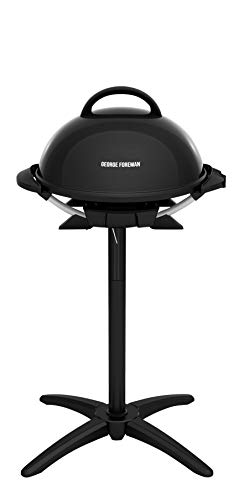
For apartment dwellers or those with limited space, the George Foreman 15-Serving Indoor/Outdoor Electric Grill is a versatile option.
Highlights
- Removable stand for tabletop or outdoor use
- Non-stick coating for easy cleanup
- Temperature probe for precise cooking
- Adjustable temperature control
- Sloped design drains fat away from food
- Feeds 15 people (great for parties)
Specifications
- Cooking Area: 240 square inches
- Temperature Range: Up to 400°F
- Power: 1600 watts
- Weight: 21 pounds
- Preheat Time: 5 minutes
Customer Reviews
- “Perfect for my apartment balcony. Works great indoors too.”
- “Easy to use and clean. Makes grilling accessible year-round.”
- “Surprisingly good results for an electric grill. Very convenient.”
Pellet Grills: The Best of Both Worlds
Pellet grills offer the convenience of gas grills with the flavor of wood-fired cooking. In 2026, pellet grills have become one of the most popular entry points for BBQ beginners — the automated temperature control removes the biggest learning curve of fire management. Pros:
- Provide consistent temperatures and even cooking
- Offer wood-fired flavor with the convenience of an automated feed system
- Can be used for grilling, smoking, and even baking
Cons:
- Tend to be more expensive than traditional grills
- Require electricity to operate
- May not reach the high temperatures of charcoal grills
Traeger Grills Pro Series 575 Wood Pellet Grill – Best Pellet Grill

For those interested in exploring pellet grilling, the Traeger Grills Pro Series 575 Wood Pellet Grill and Smoker is a popular choice among enthusiasts.
Highlights
- WiFIRE technology for smartphone control
- D2 drivetrain for precise temperature control
- 575 square inches of grilling space
- 18-pound pellet hopper capacity
- 6-in-1 versatility: grill, smoke, bake, roast, braise, and BBQ
- Feeds 6-8 people comfortably
Specifications
- Cooking Area: 575 square inches
- Temperature Range: 180°F to 450°F
- Hopper Capacity: 18 pounds
- Weight: 124 pounds
- Pellet Consumption: 1-3 lbs/hour
Customer Reviews
- “Set it and forget it convenience with amazing wood-fired flavor.”
- “The WiFi control is a game-changer. Perfect results every time.”
- “Versatile and consistent. Makes smoking meat foolproof.”
- Temperature tool: ThermoMaven instant-read meat thermometer is one of the first tools a beginner should add for food safety and doneness.
- Handling option: heat-resistant BBQ gloves help with hot grates, pans, and charcoal work.
- Pellet option: Traeger Signature Blend pellets are a simple all-purpose smoke option for pellet-grill beginners.
Essential Grilling Equipment: Tools of the Trade
Once you’ve chosen your grill, you’ll need to equip yourself with the right tools to make your grilling experience smooth and enjoyable. Here’s a comprehensive list of must-have and nice-to-have items:
Essential Tools Budget Guide
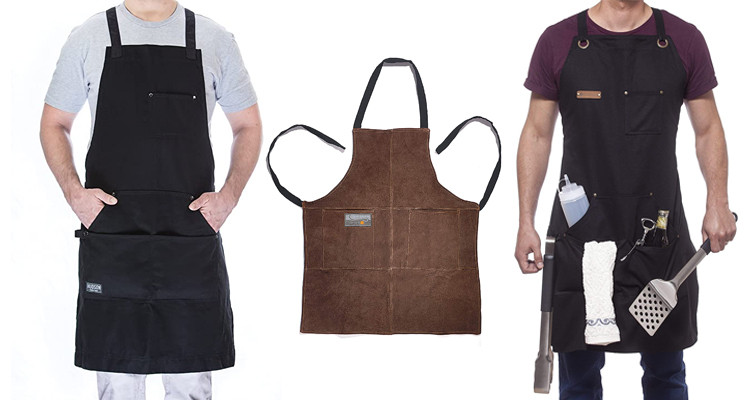
- Bare Minimum Budget: Grill brush, tongs, and a thermometer
- Recommended Starter Set: Adds spatula, gloves, and chimney starter
- Complete Setup: Includes all tools plus nice-to-have extras
Must-Have Tools
1. Grill Brush
A sturdy grill brush is essential for cleaning your grates before and after cooking. The Kona 360° Clean Grill Brush is a durable option that works on all grill types.
2. Long-Handled Tongs
These allow you to safely handle food on the hot grill. Look for tongs with a comfortable grip and locking mechanism, like the OXO Good Grips 16-Inch Grilling Tongs.
3. Spatula
A wide, sturdy spatula is perfect for flipping burgers and handling delicate items. The Weber 6679 Original Wide Spatula is a great choice.
4. Meat Thermometer
Ensure food safety and achieve perfect doneness with a reliable meat thermometer. The ThermoPro TP-19 Waterproof Digital Meat Thermometer offers quick and accurate readings. For wireless remote monitoring, see our Bluetooth meat thermometer guide.
5. Heat-Resistant Gloves
Protect your hands while handling hot grill grates or cookware. The Grill Heat Aid BBQ Gloves offer excellent protection and dexterity.

Nice-to-Have Tools
6. Basting Brush
For applying marinades and sauces, a silicone basting brush like the OXO Good Grips Silicone Basting & Pastry Brush is easy to clean and heat-resistant.
7. Grill Basket
Perfect for grilling smaller items like vegetables or seafood, a grill basket prevents food from falling through the grates. The Grillaholics Heavy Duty Grill Basket is a versatile option.
8. Chimney Starter
For charcoal grills, a chimney starter like the Weber Compact Rapidfire Chimney Starter makes lighting charcoal quick and easy without the need for lighter fluid.

9. Aluminum Foil
Handy for creating foil packets, tenting food, or lining your grill for easy cleanup.
10. Grill Light
For evening grilling sessions, a good grill light is essential. This Magnetic BBQ Grill Light attaches easily to most grills.
Temperature Guide: Your Key to Perfect Results
Quick Temperature Reference Chart
| Food Type | Internal Temp (°F) | Cooking Time | Heat Type |
|---|---|---|---|
| Beef (Medium-Rare) | 135°F | 3-5 min/side | Direct High |
| Chicken Breast | 165°F | 6-8 min/side | Direct Medium |
| Pork Chops | 145°F | 4-6 min/side | Direct Medium |
| Fish Fillet | 145°F | 3-4 min/side | Direct Medium |
| Burgers (Medium) | 160°F | 4-5 min/side | Direct High |
| Vegetables | Tender | 8-12 min total | Direct Medium |
Setting Up Your Grill: Preparation is Key
Proper grill setup is crucial for successful grilling. The process differs depending on whether you’re using a charcoal or gas grill. Let’s walk through the steps for each:
Setting Up a Charcoal Grill (Time: 20-30 minutes)
- Open all vents on the grill to allow for maximum airflow.
- If using a chimney starter, fill it with charcoal and place crumpled newspaper underneath.
- Light the newspaper and wait 15-20 minutes until the coals are ashed over and glowing red.
- Pour the hot coals into the grill, arranging them based on your desired cooking method (direct or indirect heat).
- Place the grate on the grill and let it heat up for 5-10 minutes.
- Clean the grate with a grill brush and lightly oil it to prevent sticking.
Setting Up a Gas Grill (Time: 10-15 minutes)
- Open the lid before turning on the gas to prevent gas buildup.
- Turn on the gas at the tank, then turn on one or more burners to high.
- Close the lid and let the grill preheat for 10-15 minutes.
- Once preheated, clean the grates with a grill brush and lightly oil them.
- Adjust the burners to your desired temperature for cooking.
Understanding Heat Zones: The Key to Versatile Grilling
Creating different heat zones on your grill allows for more versatile cooking. This technique is essential for handling different types of food and achieving the perfect level of doneness.
Direct Heat
Direct heat means cooking food directly over the heat source. This method is ideal for:
- Quick-cooking items like burgers, hot dogs, and thin steaks
- Vegetables that benefit from char, like bell peppers and zucchini
- Creating grill marks on food before moving to indirect heat
- Temperature Range: 450-550°F
- Cooking Time: Usually under 20 minutes
Indirect Heat
Indirect heat involves cooking food adjacent to, rather than directly over, the heat source. This method is best for:
- Larger cuts of meat that require longer cooking times, like whole chickens or roasts
- Delicate items that might burn over direct heat, such as fish fillets
- Finishing foods that have been seared over direct heat
- Temperature Range: 250-350°F
- Cooking Time: 20 minutes to several hours
To create heat zones on a charcoal grill, simply pile the coals on one side of the grill. For gas grills, turn on some burners while leaving others off.
Essential Grilling Techniques: Mastering the Basics
Now that you understand the importance of heat zones, let’s dive into some essential grilling techniques that will elevate your BBQ game:
1. Preheating: The Foundation of Great Grilling
Always preheat your grill for 10-15 minutes before cooking. This ensures the grates are hot enough to sear food properly and helps prevent sticking. For gas grills, set all burners to high. For charcoal grills, wait until the coals are covered with gray ash.
2. Cleaning and Oiling the Grates: Prevent Sticking and Enhance Flavor
After preheating, clean the grates with a grill brush to remove any residue from previous cooking sessions. Then, lightly oil the grates using tongs and an oil-soaked paper towel. This further prevents sticking and helps create those beautiful grill marks everyone loves.
3. Proper Food Placement: Optimize Cooking
Place food on the grill with enough space between items to ensure even cooking and make flipping easier. For foods that require different cooking times, use your heat zones strategically.
4. The Art of Flipping: Less is More
Resist the urge to constantly flip your food. Most items only need to be turned once. For example, for a perfect medium-rare steak, grill for 4-5 minutes on each side, flipping only once.
5. Using a Meat Thermometer: Ensure Food Safety and Perfect Doneness
Always use a meat thermometer to check for doneness, especially with poultry and thick cuts of meat. This ensures food safety and helps you achieve your desired level of doneness.
6. Resting Meat: Patience Pays Off
After grilling, let meats rest for 5-10 minutes before cutting. This allows the juices to redistribute throughout the meat, resulting in a juicier, more flavorful bite.
Basic Marinades and Rubs: Flavor Foundation
Universal Marinade Formula
- Acid (25%): Vinegar, citrus juice, wine
- Oil (25%): Olive oil, vegetable oil
- Flavor (50%): Herbs, spices, garlic, onion
Marinating Times:
- Fish: 30 minutes
- Chicken: 2-4 hours
- Pork: 4-6 hours
- Beef: 4-24 hours
All-Purpose BBQ Dry Rub
- 2 tablespoons brown sugar
- 2 tablespoons paprika
- 1 tablespoon chili powder
- 1 tablespoon garlic powder
- 1 tablespoon onion powder
- 1 teaspoon black pepper
- 1 teaspoon salt
- 1 teaspoon cayenne (optional)
Mix all ingredients and store in an airtight container for up to 6 months. Once you’re comfortable with this basic rub, see our guide to the best brisket rub recipes for more advanced flavor profiles.
Wood Chip Flavor Guide
| Wood Type | Flavor Profile | Best For |
|---|---|---|
| Hickory | Strong, bacon-like | Pork, ribs |
| Apple | Mild, sweet | Chicken, pork |
| Cherry | Mild, fruity | Beef, pork, chicken |
| Mesquite | Intense, earthy | Beef, game meats |
| Oak | Medium, versatile | All meats |
Grilling Different Types of Food: From Basics to Gourmet
Now that you’ve mastered the basic techniques, let’s explore how to grill specific types of food:
Burgers: The Backyard Classic
- Use 80/20 ground beef for juicy burgers
- Make a dimple in the center to prevent puffing
- Season generously with salt and pepper
- Cook over direct heat for 4-5 minutes per side for medium
- Avoid pressing down on burgers, as this squeezes out flavorful juices
- Time: 8-10 minutes total
For a detailed step-by-step walkthrough on achieving perfect backyard burgers, see our complete guide to grilling hamburgers.
Your Perfect First Cook: Beginner’s Grilled Chicken Thighs
Chicken thighs are the ideal first cook for any BBQ beginner — they’re forgiving, flavorful, and hard to mess up. Here’s a simple step-by-step first cook:
- Prep: Pat 4 bone-in chicken thighs dry. Season with salt, pepper, garlic powder, and paprika.
- Set up heat zones: Create a two-zone fire — hot coals on one side, no coals on the other (or one burner on, one off for gas).
- Sear: Place thighs skin-side down over direct heat for 4-5 minutes until skin is golden and releases naturally from the grate.
- Finish indirect: Move thighs to the cool zone. Close lid. Cook 20-25 minutes.
- Check temperature: Pull at 165°F internal temperature. Rest 5 minutes before serving.
Why this works for beginners: Thighs have more fat than breasts, so they stay juicy even if you overshoot the temperature slightly. Bone-in gives you more buffer time before they dry out.
Chicken: Achieving Juicy Perfection
- For even cooking, pound chicken breasts to a uniform thickness
- Marinate for at least 30 minutes for added flavor and moisture
- Grill bone-in chicken over indirect heat for 30-40 minutes
- For boneless chicken breasts, grill over direct heat for 6-8 minutes per side
- Always use a meat thermometer to ensure internal temperature reaches 165°F (74°C)
- Time: 15-40 minutes depending on cut
Steak: The Art of the Perfect Sear
- Bring steaks to room temperature before grilling
- Season generously with salt and pepper
- For a 1-inch thick steak, grill over high heat for 3-5 minutes per side for medium-rare
- Use the “touch test” to check doneness: rare feels soft, medium has some resistance, and well-done feels firm
- Let rest for 5-10 minutes before cutting
- Time: 6-12 minutes total
Fish: Delicate Flavors from the Grill
- Choose firm-fleshed fish like salmon, tuna, or halibut for easier grilling
- Pat the fish dry and brush with oil to prevent sticking
- For fillets, grill skin-side down first for 4-5 minutes, then flip carefully and cook for an additional 2-3 minutes
- For whole fish, score the skin and grill for 5-7 minutes per side
- Use a fish basket for delicate fillets or small whole fish to prevent them from falling apart
- Time: 6-14 minutes total
Vegetables: Bringing Out Natural Sweetness
- Cut vegetables into uniform sizes for even cooking
- Toss with olive oil, salt, and pepper before grilling
- Grill over direct heat, turning occasionally, until tender and lightly charred
- Dense vegetables like potatoes or carrots benefit from par-boiling before grilling
- Try grilling lettuce like romaine for a unique, smoky salad base
- Time: 8-15 minutes
Fruit: A Sweet Grilled Treat
- Choose firm fruits like pineapple, peaches, or pears
- Brush with a mixture of honey and lemon juice for extra flavor
- Grill over medium heat for 2-3 minutes per side until grill marks appear
- Serve as a dessert with ice cream or as a side to grilled meats
- Time: 4-6 minutes
Troubleshooting Common Grilling Problems
Quick Fix Guide
| Problem: Food sticks to grates Solution: Clean and oil grates properly, let food develop a crust before flipping |
|---|
| Problem: Flare-ups Solution: Move food to cool zone, keep spray bottle handy, trim excess fat |
| Problem: Uneven cooking Solution: Create proper heat zones, rotate food position, check for hot spots |
| Problem: Dry meat Solution: Don’t overcook, use marinades, let meat rest after cooking |
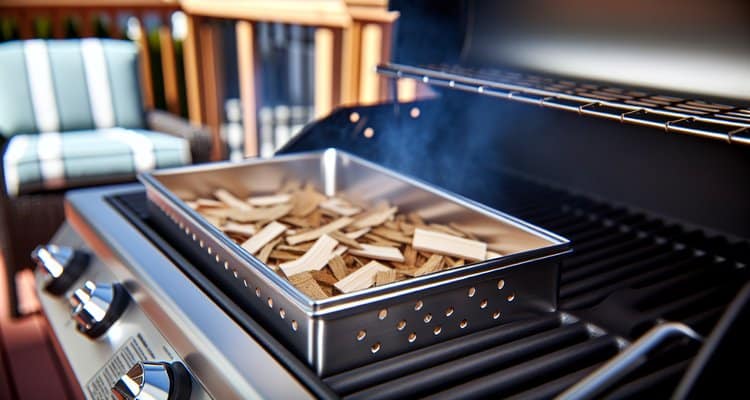
| Problem: No smoke flavor on gas grill Solution: Use smoker box with wood chips, try liquid smoke in marinades |
Year-Round Grilling: Seasonal Considerations
Winter Grilling Tips
- Position grill near the house but maintain safe distance
- Allow extra preheating time (add 5-10 minutes)
- Keep lid closed as much as possible to retain heat
- Have extra fuel on hand — you’ll use 50% more in cold weather
- Use a grill light for early darkness
- Consider wind barriers (but maintain ventilation)
Summer Grilling Adaptations
- Grill during cooler morning or evening hours
- Keep meat refrigerated until ready to grill
- Have extra ice for food safety
- Provide shade for the grill master
- Stay hydrated while grilling
Advanced Grilling Techniques: Taking Your Skills to the Next Level
Once you’ve mastered the basics, consider trying these advanced techniques to expand your grilling repertoire:
1. Smoking: Adding Depth of Flavor
Smoking involves cooking food at low temperatures with wood smoke for extended periods. While traditionally done in a dedicated smoker, you can achieve great results on a standard grill:
- For charcoal grills, add wood chips directly to the coals
- For gas grills, use a smoker box filled with wood chips
- Maintain a low temperature (225-250°F) for several hours
- Try smoking pork shoulder, brisket, or whole chicken for incredible flavor
- Time commitment: 4-12 hours
- Skill level: Intermediate to Advanced
Beginner’s First Smoke: A 3-Step Guide
Pellet grills have made smoking more accessible than ever in 2026. Here’s how to do your first smoke successfully:
- Season your smoker first. Before cooking any food, run your new smoker empty at 250°F for 2-3 hours to cure the interior and burn off manufacturing residue. See our smoker seasoning guide for the full walkthrough.
- Start with chicken, not brisket. A whole chicken at 250°F for 3-4 hours is the perfect first smoke — it’s forgiving, cooks in a reasonable time, and the results are impressive. Target 165°F internal temp in the thickest part of the thigh.
- Choose mild wood first. Apple or cherry wood are ideal for beginners — their mild, sweet smoke won’t overpower the meat. Once comfortable, try hickory for pork ribs or oak for beef brisket.
Want both grilling and smoking capability in one unit? Our charcoal grill smoker combo guide covers the best dual-purpose setups for beginners.
2. Plank Grilling: Infusing Subtle Aromatics
Grilling on wood planks, especially cedar, imparts a delicate smoky flavor to foods:
- Soak the plank in water for at least an hour before use
- Place food on the plank and grill over indirect heat
- Perfect for fish, chicken, or even soft cheeses
- Time commitment: 20-30 minutes plus soaking time
- Skill level: Beginner to Intermediate
3. Two-Zone Cooking: Mastering Temperature Control
This technique involves creating distinct heat zones on your grill:
- Set one side of the grill to high heat and the other to low
- Sear food on the hot side, then move to the cooler side to finish cooking
- Ideal for thicker cuts of meat or foods that burn easily
- Time commitment: Varies by food
- Skill level: Beginner

Regional BBQ Styles: A Taste of America
Quick Regional Guide
- Texas: Beef brisket, salt and pepper rub, minimal sauce
- Carolina: Pulled pork, vinegar-based sauce — see our regional pulled pork sauce guide for authentic recipes
- Memphis: Dry-rubbed ribs, tomato-based sauce on the side
- Kansas City: Everything with thick, sweet sauce
Dietary Accommodations: Grilling for Everyone
Vegetarian/Vegan Options
- Portobello mushroom “steaks”
- Grilled tofu (press and marinate first)
- Vegetable kebabs
- Grilled pizza with veggie toppings
- Plant-based burgers (Beyond, Impossible)
Gluten-Free Considerations
- Clean grates thoroughly to avoid cross-contamination
- Use gluten-free marinades and sauces
- Consider using foil or a clean grill mat
- Keep gluten-free items separate
Common Grilling Mistakes to Avoid
Even experienced grillers can fall prey to these common pitfalls. Here’s how to avoid them:
- Not preheating the grill: This can lead to sticking and uneven cooking. Always preheat for 10-15 minutes.
- Overcrowding the grill: Leave space between items for even heat distribution and easier flipping.
- Using lighter fluid on charcoal: This can impart an unpleasant taste to your food. Use a chimney starter instead.
- Pressing down on burgers: This squeezes out flavorful juices. Let the heat do the work.
- Saucing too early: Apply sweet sauces in the last few minutes to prevent burning.
- Neglecting grill maintenance: Regular cleaning prevents flare-ups and ensures your grill lasts longer.
- Guessing doneness: Always use a meat thermometer for perfectly cooked food.
Safety Tips: Grilling Responsibly
Essential Safety Rules
- Keep your grill at least 10 feet away from structures
- Never leave a lit grill unattended
- Keep a fire extinguisher or bucket of sand nearby
- Use long-handled tools to avoid burns
- Clean your grill regularly to prevent grease fires
- For gas grills, check for leaks by applying soapy water to connections and looking for bubbles
- Never grill indoors or in enclosed spaces (carbon monoxide danger)
- Keep children and pets at least 3 feet from the grill
First Aid for Common Grilling Injuries
- Minor burns: Cool with cold water for 10-15 minutes, apply aloe vera
- Cuts: Clean with soap and water, apply antibiotic ointment and bandage
- Smoke inhalation: Move to fresh air, seek medical attention if symptoms persist
Cleaning and Maintenance: Extending Your Grill’s Lifespan
Proper cleaning and maintenance will extend the life of your grill and ensure safe, delicious results:
Maintenance Schedule
After Each Use:
- Brush grates while warm
- Empty grease trap
- Wipe exterior
Monthly:
- Deep clean grates
- Check gas connections
- Clean interior
Seasonally:
- Replace worn parts
- Full disassembly and cleaning
- Check and tighten all hardware
Annual:
- Professional inspection (for gas grills)
- Replace grates if needed
- Touch up paint on exterior
Budget-Friendly Grilling Tips
Money-Saving Strategies
- Buy in bulk: Purchase charcoal and propane during end-of-season sales
- Choose economical cuts: Chicken thighs, pork shoulder, flank steak
- Make your own rubs: Save significantly compared to store-bought
- Reusable alternatives: Grill mats instead of foil, metal skewers instead of bamboo
- Grow your own herbs: Fresh herbs for marinades at a fraction of the cost
- Buy a meat thermometer: Prevents overcooking expensive cuts
- Start with an affordable grill: See our best charcoal grills under $500 and budget gas grills guide for the best value picks in 2026.
For a full comparison of wireless meat thermometer options, see our wireless meat thermometer guide.
Frequently Asked Questions
How long does it take to grill ribs?
For tender ribs, grill over indirect heat for 2-3 hours, or until the internal temperature reaches 190°F (88°C).
How long should I cook burgers on the grill?
For medium burgers, grill for 4-5 minutes per side over direct heat.
How do I grill chicken breast without drying it out?
Pound the chicken to an even thickness, brine it for 30 minutes before grilling, and cook over medium-high heat for 6-8 minutes per side.
How do I start a charcoal grill for beginners?
Use a chimney starter filled with charcoal. Light newspaper underneath, and when the coals are ashed over (15-20 minutes), pour them into the grill.
What’s the best way to clean my grill grates?
Clean the grates while they’re still warm using a wire brush. For a deep clean, soak in warm, soapy water and scrub.
Can I grill in the rain?
Yes, but never under an overhang or in a garage. Keep the lid closed as much as possible and allow extra cooking time.
How often should I replace my grill grates?
With proper care, grates last 5-10 years. Replace when they develop holes, excessive rust, or won’t come clean.
What’s the difference between BBQ and grilling?
Grilling is high-heat, quick cooking. BBQ is low-and-slow cooking with smoke.
What is the best meat to grill for beginners?
Chicken thighs and burgers are the best starting points for grilling beginners. Chicken thighs are forgiving because their higher fat content keeps them moist even if slightly overcooked. Burgers are simple to season and cook quickly, making them ideal for learning heat control and timing.
What temperature should a beginner set a pellet grill for smoking?
For your first smoke on a pellet grill, set the temperature to 225-250°F. This low-and-slow range gives you the most control and produces the best smoke flavor. For chicken, cook to 165°F internal temperature; for pork shoulder, aim for 195-205°F.
How long does it take to grill a steak to medium-rare?
For a 1-inch thick steak, grill over high direct heat for 3-5 minutes per side, targeting an internal temperature of 130-135°F. Let it rest 5 minutes off the heat — the temperature will rise another 5°F during resting.
What wood chips should a beginner use for smoking?
Apple and cherry wood are the best choices for beginners. They produce mild, sweet smoke that pairs well with almost any protein and won’t overpower the food the way hickory or mesquite can. For your first smoke, apple wood with chicken is nearly impossible to get wrong.
Do I need to soak wood chips before using them?
Soaking wood chips for 30 minutes before use is recommended for gas grills — it slows the burn and produces more sustained smoke. For charcoal grills, dry chips can go directly on the coals. For pellet grills, only use the pellets designed for that grill — no chips needed.
What is the best grill size for a family of four?
For a family of four, look for a grill with at least 400-450 square inches of primary cooking area. This gives you enough room to grill 8 burgers or a whole chicken plus vegetables simultaneously. Both the Weber Kettle (363 sq in) and Char-Broil 2-burner (300 sq in) work well for small families with a little planning.
Your Grilling Progress Tracker
Skill Progression Checklist
Beginner Level
- ☐ Successfully light and preheat grill
- ☐ Grill burgers without burning
- ☐ Use a meat thermometer correctly
- ☐ Create two-zone heat setup
- ☐ Clean and maintain grill properly
Intermediate Level
- ☐ Master different cuts of steak
- ☐ Successfully grill whole chicken
- ☐ Use wood chips for smoke flavor
- ☐ Create your own rubs and marinades
- ☐ Grill fish without it falling apart
Advanced Level
- ☐ Smoke a brisket or pork shoulder
- ☐ Master reverse searing technique
- ☐ Successfully plank grill
- ☐ Create restaurant-quality ribs
- ☐ Teach someone else to grill
Conclusion: Your Journey to Grilling Mastery
Grilling is an art that combines science, creativity, and a dash of intuition. As you embark on your grilling journey, remember that practice makes perfect. Don’t be afraid to experiment with different foods, techniques, and flavors. Each time you fire up the grill is an opportunity to learn and improve. Whether you’re cooking for your family on a weeknight or hosting a backyard barbecue for friends, the skills you’ve learned in this guide will help you create delicious, perfectly grilled meals. From selecting the right equipment to mastering advanced techniques, you’re now equipped with the knowledge to elevate your grilling game. Remember to start simple, master the basics, and gradually work your way up to more complex techniques. Keep this guide handy as a reference, and don’t forget to enjoy the process — after all, grilling is as much about the journey as it is about the delicious destination. So fire up that grill, enjoy the sizzle and aroma of food cooking over open flames, and savor the delicious results of your newfound grilling expertise. Happy grilling!