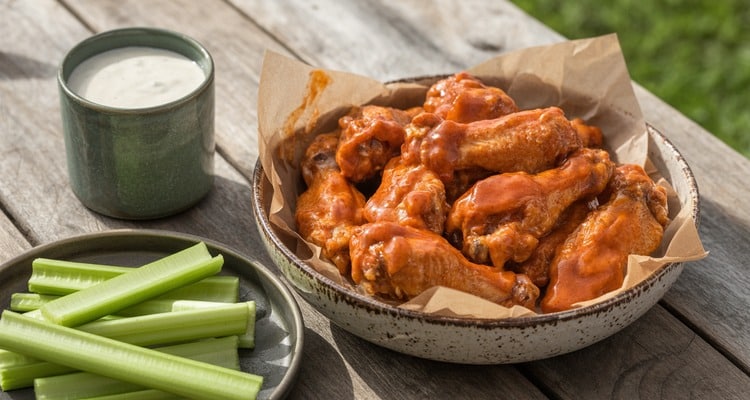
Buffalo sauce is one of the simplest wing sauces you can make at home, but getting it right still matters. When the balance is off, it tastes flat, greasy, or too sharp. When it is made correctly, it delivers the tangy heat, buttery richness, and glossy texture that makes chicken wings hard to stop eating.
This guide walks through exactly how to make Buffalo sauce for chicken wings, how to adjust it for different heat levels, and how to toss your wings so they stay crisp instead of turning soggy. If you want a dependable homemade version that tastes like classic wing-joint sauce, start here.
Jump to:
What Makes Buffalo Sauce Different From Plain Hot Sauce?
Buffalo sauce is not just hot sauce poured over wings. Traditional Buffalo sauce is an emulsion, which means two ingredients that normally want to separate are blended together into a smoother, more cohesive sauce. In this case, the key pieces are cayenne pepper hot sauce and butter.
Hot sauce brings the vinegar tang, chile heat, and signature color. Butter softens the edge of the heat, adds richness, and helps the sauce cling to the wings instead of running straight to the bottom of the bowl. That combination is what gives Buffalo wings their classic restaurant-style finish.
If your sauce tastes like straight hot sauce or looks oily and broken, the problem is usually ratio or technique. Low heat and steady whisking matter as much as the ingredients themselves.
The Core Ingredients and Why They Matter
1. Cayenne Pepper Hot Sauce
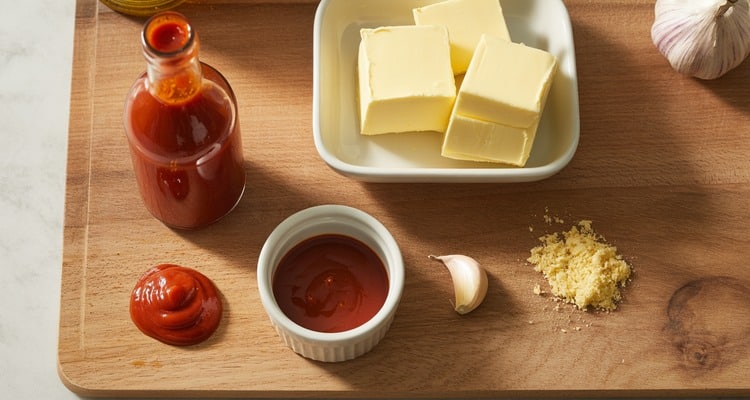
Classic Buffalo sauce starts with a cayenne pepper hot sauce in the Frank’s RedHot style. That style matters because it is vinegary, peppery, and fairly thin. It gives you the traditional Buffalo wing flavor people expect. You can use another hot sauce, but the more garlic, sweetness, smoke, or thickness you introduce, the farther you move from classic Buffalo sauce.
2. Butter
Butter rounds out the sharp edges of the hot sauce and creates the silky body that coats wings so well. Unsalted butter is usually the better choice because it gives you more control over the final seasoning. Salted butter works in a pinch, but you may need to skip any extra salt in the recipe.
3. Optional Flavor Builders
Many homemade Buffalo sauces stay close to the original formula, but a few small additions can deepen the flavor without changing the identity of the sauce:
- Worcestershire sauce: Adds savory depth and a little complexity.
- Garlic powder: Gives the sauce a rounder, more robust flavor.
- Honey or brown sugar: Softens the heat for people who want a milder, slightly sweeter sauce.
- Cayenne pepper: Pushes the heat higher without adding more liquid.
If you also like to season wings before they hit the smoker or grill, our guide to BBQ rubs is a useful companion because dry seasoning under the sauce can add another layer of flavor.
How To Make Buffalo Sauce for Chicken Wings
Classic Buffalo Sauce Ingredients
- 2/3 cup cayenne pepper hot sauce
- 1/2 cup unsalted butter
- 1 teaspoon Worcestershire sauce
- 1/4 teaspoon garlic powder
This yields enough sauce for about 2 to 2 1/2 pounds of chicken wings, depending on how heavily you coat them.
Step-by-Step Instructions
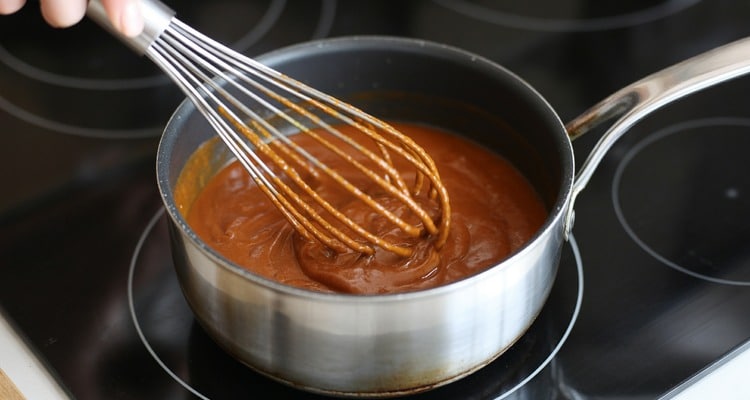
- Melt the butter over low heat. Place a small saucepan on low heat and let the butter melt gently. Do not let it brown.
- Whisk in the hot sauce. Once the butter is fully melted, slowly whisk in the hot sauce until the mixture turns smooth and glossy.
- Add the optional seasonings. Whisk in Worcestershire sauce and garlic powder if using.
- Keep the heat low. Warm the sauce for another 1 to 2 minutes, but do not boil it. High heat increases the chance that the sauce will separate.
- Toss with hot wings right before serving. Remove from the heat and use the sauce while it is still warm and fluid.
Butter can split when it gets too hot, and once that happens the sauce looks greasy instead of creamy. Gentle heat gives the hot sauce and butter time to emulsify properly.
Buffalo Sauce Customization Guide
Once you know the base formula, it is easy to tune the sauce for your crowd. Some people want classic medium heat, others want something gentler, and some want enough fire to know they ate wings.
| Style | Hot Sauce | Butter | Optional Add-ins | Best For |
|---|---|---|---|---|
| Mild | 1/2 cup | 1/2 cup | 1 tablespoon honey | Kids, mild wing fans |
| Classic Medium | 2/3 cup | 1/2 cup | Worcestershire, garlic powder | Traditional Buffalo wings |
| Hot | 1 cup | 1/2 cup | Pinch of cayenne | People who want sharper heat |
| Garlic Buffalo | 2/3 cup | 1/2 cup | 1/2 teaspoon garlic powder | Savory wing lovers |
| Sweet Heat | 2/3 cup | 1/2 cup | 1 tablespoon honey or brown sugar | Balanced heat with softer finish |
If you are planning to cook the wings outside instead of frying or baking them, our smoked chicken wings guide is a strong match for this sauce because it focuses on crisp skin and proper wing prep.
Best Way To Toss Wings in Buffalo Sauce
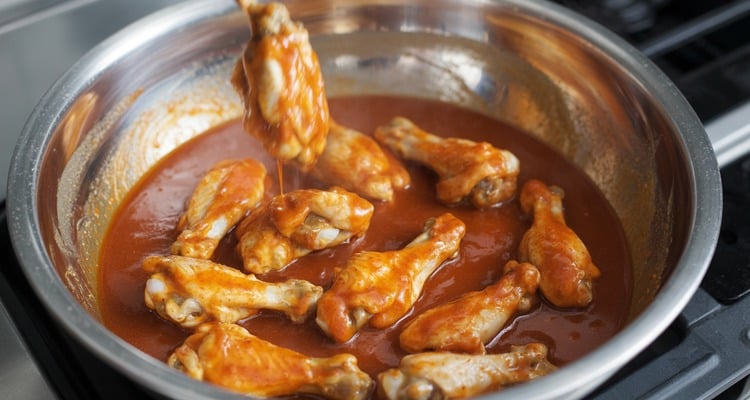
The best Buffalo sauce in the world will not help much if you sauce the wings the wrong way. Wings need enough sauce to coat the surface, but not so much that they turn wet and heavy.
- Use a large bowl: Add the cooked wings to a bowl, spoon in the warm sauce, and toss. This gives you even coverage without damaging the skin.
- Start with less than you think: For 1 pound of wings, start with about 1/4 cup of sauce. For 2 pounds, start around 1/2 cup. Add more only if needed.
- Sauce right before serving: If the wings sit in the sauce too long, the skin softens.
- Dry skin still matters: Whether you grill, bake, or smoke the wings, a dry exterior is one of the biggest factors in getting a good final texture. That same principle shows up in BBQ Report’s BBQ for beginners guide and in our poultry cooking coverage.
Common Buffalo Sauce Problems and Quick Fixes
Most homemade Buffalo sauce issues are easy to fix if you catch them early. The table below covers the most common problems readers run into.
| Problem | Likely Cause | Quick Fix |
|---|---|---|
| Sauce looks oily | Heat was too high or sauce boiled | Lower the heat and whisk steadily until it comes back together |
| Sauce is too thin | Too much hot sauce for the amount of butter | Whisk in a little more butter over low heat |
| Sauce is too spicy | Hot sauce ratio is too high | Add more butter or a little honey to soften the heat |
| Sauce tastes too salty | Salted butter or extra seasoning pushed it over | Dilute with more unsalted butter |
Make-Ahead, Storage, and Reheating Tips
Buffalo sauce is easy to make ahead, which is helpful if you are cooking for a game day crowd or building a wing bar with multiple flavors.
- Refrigerator storage: Keep it in a sealed container for up to 5 days.
- Reheating: Warm it slowly in a saucepan over low heat or in short microwave bursts, whisking often.
- If it separates after chilling: That is normal. Gentle heat and whisking usually bring it back together.
- Do not boil leftovers: High heat can break the emulsion again.
If you know you will be serving wings later, make the sauce in advance but do not toss the wings until the last minute. That one decision preserves texture better than almost anything else.
Ways To Use Buffalo Sauce Beyond Wings
Buffalo sauce is most closely tied to wings, but it is useful far beyond that one job. You can brush it over grilled chicken, toss it with chicken tenders, drizzle it over chopped smoked chicken for sandwiches, or use it as a spicy finishing sauce for cauliflower bites. If you already like building flavor in layers, pairing a light dry rub with a warm Buffalo finish is a smart move, especially on chicken cooked over live fire.
Frequently Asked Questions
Can I use a different hot sauce instead of Frank’s-style cayenne sauce?
Yes, but the flavor will change. A thicker or sweeter hot sauce can make the finished Buffalo sauce less sharp and less classic. If you want traditional wing-sauce flavor, a cayenne-forward, vinegar-based hot sauce is the best fit.
Why did my Buffalo sauce separate?
Usually because it got too hot. Butter and hot sauce will combine more smoothly over low heat. If the sauce starts looking oily, lower the heat and whisk until it comes back together.
How do I make Buffalo sauce thicker?
The simplest answer is to add a little more butter. Buffalo sauce is not supposed to be as thick as bottled barbecue sauce, but it should have enough body to coat a spoon lightly and cling to wings.
How much Buffalo sauce do I need for 1 pound of wings?
Start with about 1/4 cup for 1 pound of wings. Some people like a lighter coating, while others want every wing dripping. It is easier to add more than to fix over-sauced wings.
Can I make Buffalo sauce ahead of time?
Yes. It reheats very well as long as you warm it gently and whisk it before serving.
How long does homemade Buffalo sauce last in the fridge?
In most cases, about 5 days in a sealed container. If you add fresh garlic or other perishable mix-ins, use it sooner.
Can I make Buffalo sauce without butter?
You can, but it will not taste or feel like traditional Buffalo sauce. A butter substitute can work if needed, but the signature richness and cling will change.
Is Buffalo sauce the same as wing sauce?
People often use the terms interchangeably, but not all wing sauces are Buffalo sauces. Buffalo sauce follows the classic hot sauce plus butter formula, while wing sauce can include sweeter, thicker, or more heavily seasoned variations.
What should I serve with Buffalo wings?
Celery, carrot sticks, ranch, or blue cheese dressing are the traditional choices. Cool, creamy sides balance the heat well.
Can I use this sauce on smoked or grilled wings?
Absolutely. In fact, it works especially well on wings with crisp skin from a smoker or hot grill. Just wait until the wings are cooked before tossing them in the sauce.
Final Thoughts
If you want classic Buffalo sauce for chicken wings, the formula is straightforward: use a cayenne pepper hot sauce, add butter, keep the heat low, and whisk until smooth. Once that foundation is in place, you can move the sauce milder, hotter, sweeter, or more savory without losing what makes Buffalo sauce recognizable.
For the best result, think of the sauce as the final layer, not the whole story. Well-cooked wings with dry skin, proper seasoning, and a warm glossy coating will always beat wings drowned in sauce. Keep the method simple, taste as you go, and adjust the ratio until it fits your table.
Contents
- What Makes Buffalo Sauce Different From Plain Hot Sauce?
- The Core Ingredients and Why They Matter
- How To Make Buffalo Sauce for Chicken Wings
- Buffalo Sauce Customization Guide
- Best Way To Toss Wings in Buffalo Sauce
- Common Buffalo Sauce Problems and Quick Fixes
- Make-Ahead, Storage, and Reheating Tips
- Ways To Use Buffalo Sauce Beyond Wings
- Frequently Asked Questions
- Final Thoughts