Your last cookout tasted slightly off, and you noticed black flakes on the chicken. That bitter residue comes from months of built-up grease and carbonized food stuck to your grill grates. Learning how to clean a charcoal grill properly takes about 20 minutes and makes a noticeable difference in flavor, safety, and equipment longevity.
Why Regular Grill Maintenance Matters
Regular grill maintenance prevents grease fires, removes bitter carbon buildup that affects food flavor, and extends the lifespan of your charcoal grill by stopping corrosive ash from rusting the bowl and blocking airflow through the vents.
Leftover ash absorbs moisture from the air and creates a corrosive paste. That paste attacks the metal at the bottom of your grill bowl, eventually causing rust holes. Built-up grease on the grill grates causes dangerous flare-ups and produces acrid, bitter-tasting smoke. A clean grill eliminates this risk and lets you taste the food, not last month’s residue. Routine maintenance, including cleaning with a good grill brush, also keeps the intake and exhaust vents operating smoothly. Clear vents mean precise temperature control every time you cook.
Helpful products for this guide:
- ThermoMaven bristle-free grill brush — cleans grill grates without wire bristles
- Traeger Signature Blend pellets — adds a balanced smoke profile for backyard cooks
- Western BBQ smoking wood chips variety pack — adds wood-smoke flavor on charcoal or gas grills
Helpful products for this guide:
- TempPro TP20 500FT Wireless Meat Thermometer with Dual Meat — helps verify doneness without guessing
- MEATER Plus: Smart Bluetooth Wireless Meat Thermometer Digital — helps verify doneness without guessing
- TempPro TP19H Waterproof Digital Meat Thermometer with Ambidextrous Backlit — helps verify doneness without guessing
Essential Charcoal Grill Cleaning Tools
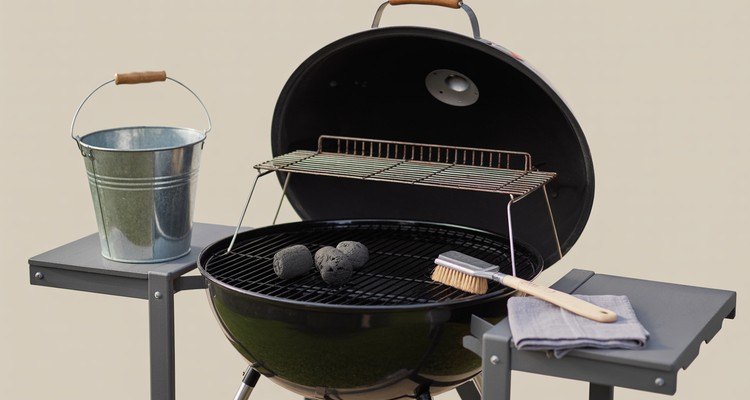
The essential charcoal grill cleaning tools include a bristle-free grill brush or wooden scraper, a putty knife for interior carbon, microfiber cloths, mild dish soap, and heavy-duty aluminum foil as a safe DIY abrasive for stuck-on residue.
- Bristle-Free Grill Brush or Wooden Scraper: The CDC documented cases of ingested wire bristles causing injuries ranging from throat punctures to gastrointestinal perforations requiring emergency surgery[CDC]. Bristle-free alternatives eliminate this risk entirely.
- Putty Knife or Plastic Scraper: Scrapes peeling carbon (often mistaken for peeling paint) from the inside of the lid and bowl.
- Microfiber Cloths and Sponges: For wiping down the exterior without scratching enamel finishes.
- Mild Dish Soap or Degreaser: Cuts through stubborn grease on grates and the bowl interior.
- Heavy-Duty Aluminum Foil: Crumpled into a ball, it works as a safe abrasive that conforms to grate shapes.
How to Clean a Charcoal Grill: Step-by-Step Guide
Clean a charcoal grill by first emptying the cold ash catcher, then burning off grate residue at high heat for 10-15 minutes, scrubbing grates with a bristle-free brush, scraping the interior bowl and lid, and wiping down the exterior with soapy water.
Step 1: Emptying the Ash Catcher
Wait until the coals are completely extinguished and cold before handling ash. This typically takes 24 hours after your last cook.
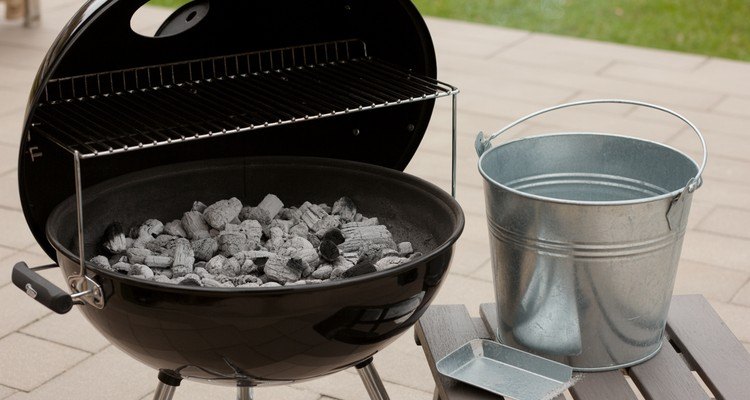
Sweep the ashes through the bottom vents into the ash catcher. Dispose of them in a metal container, not plastic or cardboard. If you use natural lump charcoal without additives, the ash can be composted or spread in garden beds as a soil amendment.
Step 2: Cleaning the Grill Grates
Use the burn-off method for the most effective grate cleaning. Light a chimney of charcoal, place it in the grill, close the lid, and let the heat bake the grill grates for 10-15 minutes at 400-500°F. The high heat carbonizes leftover food into brittle ash. Scrub the hot grill grates with a bristle-free brush or wooden scraper while the residue is still loose.
Step 3: Scrubbing the Interior Bowl and Lid
The black flaking inside your lid is not peeling paint. It is a harmless buildup of carbonized grease and smoke that accumulates over multiple cooks on any enameled charcoal grill. Use a plastic scraper or crumpled aluminum foil to gently scrape this carbon buildup from the lid and bowl interior. Wash the inside with warm, soapy water and a sponge, then rinse thoroughly and let it air dry.
Step 4: Wiping Down the Exterior
Clean the outside of the kettle or barrel with warm soapy water. Dry immediately with a microfiber cloth to prevent water spots and surface rust on exposed metal.
| Task | Frequency | Time Required | Why It Matters |
|---|---|---|---|
| Brush grill grates | After every cook | 2-3 minutes | Prevents flavor transfer and buildup |
| Empty the ash catcher | After every cook | 1-2 minutes | Prevents rust and maintains airflow |
| Burn-off method on grates | Every 3-4 cooks | 15-20 minutes | Deep-cleans carbonized residue |
| Scrub interior bowl and lid | 1-2 times per season | 20-30 minutes | Removes carbon flakes and grease |
| Wipe down exterior | 1-2 times per season | 5-10 minutes | Prevents rust and keeps finish intact |
Alternative Cleaning Methods Without a Wire Brush
The safest alternatives to a wire grill brush include the onion method, which uses natural acidity and enzymes to loosen grease on hot grates, and the aluminum foil trick, which provides abrasive scrubbing power without shedding dangerous metal bristles.
The Traditional Onion Cleaning Method
Cut a white onion in half and pierce it with a long grilling fork or grip it firmly with tongs. Rub the cut side face-down along hot grill grates using steady pressure. The onion’s natural moisture and acidity loosen grease and grit on contact. Its enzymes break down stubborn residue while seasoning the grates with a subtle, savory aroma. This method eliminates all risk of wire bristle contamination.
The Aluminum Foil Trick
Crumple a sheet of heavy-duty aluminum foil into a tight ball. Grasp it with long-handled tongs and scrub the grill grates while they are still warm.
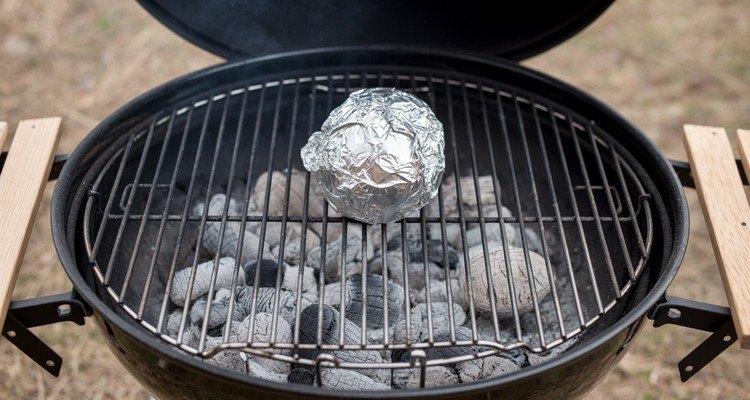
The foil conforms to the shape of the grate bars and provides excellent abrasive power. Unlike wire brushes, foil does not shed small metal pieces that could end up in food.
What Cleaners to Use and Avoid
Dawn dish soap and Dawn Powerwash are both safe and effective degreasers for charcoal grill cleaning. Avoid bleach, toxic oven cleaners not formulated for grills, and abrasive steel wool on porcelain-enameled surfaces, which can permanently scratch the finish.
Dawn Dish Soap and Dawn Powerwash
Dawn dish soap is a food-safe degreaser that works on both grill grates and exterior surfaces. Dawn Powerwash is especially effective for spot-treating heavy grease stains on cold grates or the outside of the bowl. Always rinse thoroughly after using any soap to avoid a soapy taste during your next cook.
What Not to Clean Your Grill With
Avoid bleach and toxic oven cleaners unless they are specifically formulated for grills and you rinse every surface completely. Never use abrasive steel wool on porcelain-enameled exteriors, as it will scratch and damage the protective finish.
How to Clean Charcoal Stains
Charcoal dust and grease can stain concrete patios and driveways. Mix baking soda with white vinegar into a paste, apply it to the stain, and scrub with a stiff brush after 10-15 minutes. A commercial driveway degreaser also works for stubborn marks.
Frequently Asked Questions
What is the best way to clean your charcoal grill?
The most effective approach combines heat and mechanical scrubbing. Use the burn-off method at 400-500°F for 10-15 minutes to carbonize leftover food, then scrub the grill grates with a bristle-free brush. Empty the ash catcher after every cook and deep-clean the interior bowl and lid 1-2 times per grilling season with warm soapy water.
Do you need to clean a charcoal barbecue after every use?
You should brush the grill grates and empty the ash catcher after every cook. These two tasks take under 5 minutes and prevent grease buildup and corrosive ash damage. A full deep clean of the bowl, lid, and exterior is only needed 1-2 times per grilling season.
Why is the onion method a traditional grill cleaning technique?
The onion method works because the natural acidity and enzymes in a raw onion break down grease and carbonized food on hot grill grates. The moisture creates steam that loosens stubborn residue. This traditional technique also eliminates the risk of wire bristle contamination entirely.
Can I use Dawn dish soap to clean my grill?
Yes, Dawn dish soap is food-safe and effective for degreasing grill grates, the interior bowl, and the exterior shell. Apply it with warm water and a sponge, then rinse all surfaces thoroughly before your next cook to prevent any soapy taste on food.
Can I use Dawn Powerwash to clean my grill?
Dawn Powerwash works well for spot-treating heavy grease stains on cold grill grates and the outside of the bowl. Spray it directly on the greasy area, let it sit for 3-5 minutes, then scrub and rinse completely. It is especially useful for stubborn buildup between deep-cleaning sessions.
What should you not clean your grill with?
Avoid bleach, toxic oven cleaners not labeled as grill-safe, wire brushes with metal bristles, and abrasive steel wool on porcelain-enameled surfaces. Bleach can leave harmful residue, wire bristles can detach and end up in food, and steel wool permanently scratches enamel finishes.
How do you clean the inside of a grill lid?
The black flaking material inside the lid is carbonized grease, not peeling paint. Scrape it off with a plastic scraper or crumpled aluminum foil, then wash the inside with warm soapy water and a sponge. Rinse thoroughly and allow it to air dry before closing the lid.
Can you compost charcoal ash?
Ash from natural lump charcoal without additives can be composted or spread in garden beds as a soil amendment. Do not compost ash from briquettes that contain chemical binders or lighter fluid additives, as those compounds can harm plants and soil organisms.
How long should coals cool before cleaning?
Wait a full 24 hours after your last cook before handling ash or cleaning the interior of the grill. Even coals that appear extinguished can retain enough heat to cause burns or ignite nearby materials. Always dispose of ash in a metal container.
How often should you replace grill grates?
Well-maintained cast iron or stainless steel grill grates can last 5-10 years with regular cleaning and oiling. Replace them when you see significant rust that does not respond to scrubbing, warping that causes uneven cooking, or when the metal has visibly thinned from corrosion.