
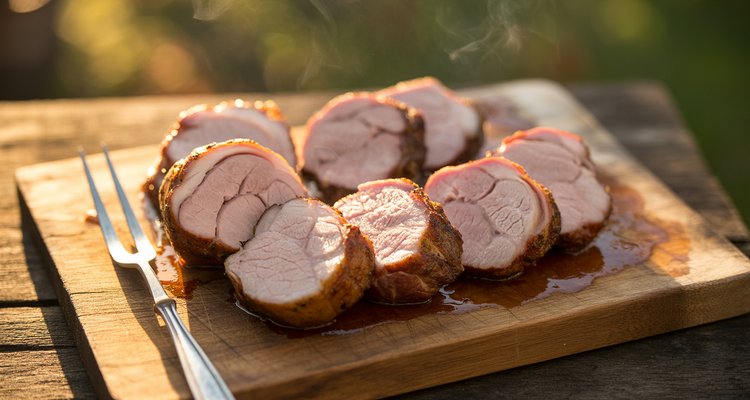
Smoked pork tenderloin is one of the fastest smokes you’ll do — done in under two hours — and the result is tender, juicy medallions with a light smoke ring and a crust that holds up. This guide covers everything: the rub, the wood, the exact pull temperature, and why this lean cut demands a thermometer more than any other.
What Is Pork Tenderloin? (And How It Differs from Pork Loin)
Pork tenderloin and pork loin are two completely different cuts, and confusing them is the most common mistake home cooks make when smoking pork. Here’s the short version:
Pork tenderloin is a long, narrow, boneless muscle that runs along the backbone on the inside of the ribcage. It weighs 1 to 1.5 pounds, cooks in 1.5 to 2 hours at 225°F, and is one of the leanest cuts of pork available. Most packs come with two tenderloins.
Pork loin is a large, wide roast from a pig’s back — it typically weighs 2 to 5 pounds and takes 3 to 4 hours to smoke. It can be bone-in or boneless, and it has significantly more fat. If you’re looking for the smoked pork loin recipe, we have a complete smoked pork loin guide here.
Because pork tenderloin is so lean, it can dry out quickly if overcooked. You need accurate temperature monitoring — guessing by time alone will result in dry, disappointing meat.
Why Smoke Pork Tenderloin?
Smoking a lean cut like pork tenderloin does something other cooking methods can’t: it adds the richness and complexity that the meat itself lacks in fat. Low-and-slow heat with wood smoke creates a light bark on the exterior and a subtle smoke ring that you simply don’t get from pan-searing or oven roasting.
The other advantage is speed. While brisket and pork shoulder require 8 to 14 hours, a smoked pork tenderloin is a weeknight-viable cook. Fire up the smoker after work, and you’re sitting down to dinner in under two hours.
What You’ll Need
The Pork
- 2 pork tenderloins (1 to 1.5 lb each) — most packages come with two
- 1 tablespoon yellow mustard (optional, as a binder)
The Dry Rub
This simple brown sugar dry rub builds a caramelized crust that pairs perfectly with the light smoke flavor:
- 2 tablespoons brown sugar
- 1 tablespoon smoked paprika
- 1 teaspoon garlic powder
- 1 teaspoon onion powder
- 1 teaspoon kosher salt
- ½ teaspoon black pepper
- ¼ teaspoon cayenne pepper (adjust to taste)
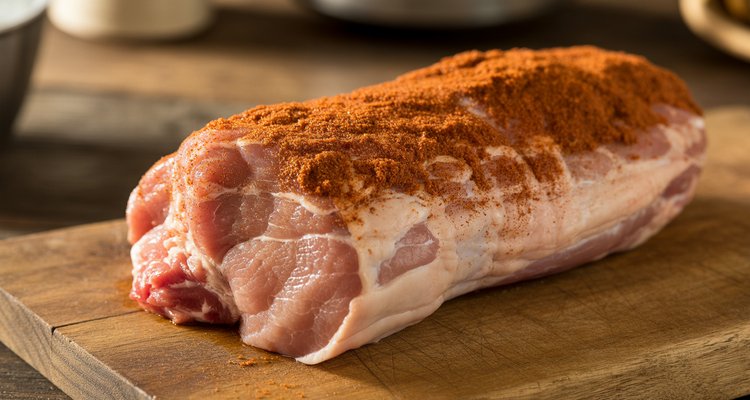
Mix all rub ingredients together in a small bowl. The brown sugar caramelizes during the smoke and helps form a light bark. The smoked paprika deepens the color and adds a secondary smokiness even before the wood does its work.
Equipment
- Smoker (pellet, offset, charcoal, or kettle) — any setup that holds 225°F works
- Instant-read meat thermometer or wireless leave-in probe thermometer
- Cutting board and sharp carving knife
- Aluminum foil (for tenting during rest)
How to Prepare Pork Tenderloin for Smoking
Removing the Silverskin
Before you do anything else, remove the silverskin. This thin, shiny membrane runs along one side of the tenderloin. It doesn’t render or break down during cooking — it stays tough and chewy no matter how long you smoke it. Leave it on and you’ll be gnawing through it at the table.
Here’s how to remove it cleanly:
- Slide the tip of a sharp paring knife under the edge of the silverskin where it meets the meat.
- Grip the loosened end with a dry paper towel — the paper towel gives you the grip you need since the membrane is slippery.
- Pull toward you at a slight angle while keeping the knife angled away from the meat. The silverskin peels off in strips.
- Check the thin tapered tail end of the tenderloin. If it’s much thinner than the rest, you can either tuck it under and secure it with toothpicks, or cut it off and cook it separately — it’ll be done faster than the thicker part.
To Brine or Not to Brine
Brining pork tenderloin is optional, but it’s a worthwhile 30-minute investment for a noticeably juicier result.
Quick dry brine (30 min — fastest option): Season the trimmed tenderloin generously with kosher salt — about ½ teaspoon per pound — and let it sit uncovered in the fridge for 30 to 60 minutes. The salt draws out a little moisture, then reabsorbs back in, seasoning the meat deeper than a surface rub alone can.
Wet brine (2 to 8 hours): Dissolve 2 tablespoons of kosher salt and 1 tablespoon of brown sugar in 2 cups of water. Add a splash of apple cider vinegar, 2 garlic cloves, and a few sprigs of fresh rosemary if you have them. Submerge the tenderloin, cover, and refrigerate. Don’t push past 8 to 10 hours or the texture softens too much.
No brine: If you’re short on time, skip it. The rub and a careful pull temp of 145°F will still produce a good result. The no-brine version just has a slightly thinner margin for error if your smoker runs hot.
How to Smoke Pork Tenderloin: Step by Step
Smoked pork tenderloin takes about 1.5 to 2 hours when smoked at 225°F, pulling the meat when the internal temperature reaches 140°F and resting until it hits the USDA safe temperature of 145°F. Here’s the complete process:
Step 1 — Preheat the Smoker
Set your smoker to 225°F and let it fully preheat — about 15 minutes with the lid closed. You want a steady temperature before the meat goes on. Fluctuating temps early in the cook are the biggest cause of uneven results with a lean cut like tenderloin.
Step 2 — Season the Tenderloin
If using mustard as a binder, apply a thin coat all over the tenderloin — it won’t taste like mustard once smoked, but it helps the rub cling and adds a subtle tang to the bark. Apply the dry rub generously and press it in firmly with your hands. Make sure you get all sides, the ends, and the underside.
Step 3 — Choose Your Wood
Pork tenderloin is delicate in flavor, so stick with lighter woods that complement rather than overpower:
- Apple: The classic pairing for pork. Mild, slightly sweet, adds a beautiful color to the crust. Hard to go wrong here.
- Cherry: Similar to apple but with a deeper red color payoff. Great for presentation.
- Pecan: A step up in intensity — nutty, slightly sweet, still pairs well with pork.
- Hickory: Bolder. Use sparingly (one chunk is enough) if you want a more traditional BBQ flavor.
- Avoid mesquite: Too aggressive for lean pork tenderloin. It will overpower the subtle flavor of the meat.
For a first cook, go with apple or cherry. You can experiment with blends once you know the base recipe.
Step 4 — Smoke to Temperature
Place the tenderloins directly on the grill grates with at least an inch of space between them. Insert your probe thermometer into the thickest part of the meat — avoid the thin tail end, which will read higher than the rest of the tenderloin.
Close the lid and maintain 225°F. At this temperature, you’re looking at roughly 45 to 60 minutes per pound, but cook to temperature — not time. The exact timing will vary based on your smoker, the size of the tenderloin, and how well you hold temperature.
Optional spritz: Every 30 minutes, open the smoker and lightly spritz the tenderloins with apple juice. This adds a small amount of surface moisture and can deepen the color. It’s not required — every time you open the lid you lose heat and add time — but it’s a nice touch if you’re not in a hurry.
Step 5 — Optional BBQ Sauce Glaze
When your tenderloin hits an internal temperature of 135°F, brush on a thin layer of your favorite BBQ sauce on all sides. Close the lid and let the sauce tighten and caramelize as the internal temp climbs the last 5 to 10 degrees to your pull point. The result is a sticky, lacquered exterior that contrasts beautifully with the juicy interior.
Skip this step if you prefer a cleaner, rub-only bark. Both approaches are excellent — it’s a matter of preference.
Step 6 — Rest and Slice
Pull the tenderloins from the smoker when the internal temperature reads 140°F. The temperature will continue to rise 5 to 7 degrees during the rest period, which is called carryover cooking. This brings the meat to the USDA safe temperature of 145°F without overcooking it.
Tent loosely with aluminum foil and rest for 10 to 15 minutes. Cutting immediately allows all the juices to run out onto the cutting board — waiting lets them redistribute back into the meat.
After resting, slice the tenderloin into ½-inch-thick medallions, cutting against the grain. Serve immediately — smoked pork tenderloin is at its best right off the cutting board.
Smoked Pork Tenderloin Temperature Guide
The most important number to know: pull the tenderloin at 140°F internal temperature and rest to 145°F. Anything past 155°F and the meat will be noticeably drier. The table below shows how different smoker temperatures affect cook time.
| Smoker Temp | Estimated Time (1–1.5 lb) | Notes |
|---|---|---|
| 225°F | 1.5 – 2 hours | Best smoke penetration and most control. Recommended for beginners. |
| 250°F | 1 – 1.5 hours | Slightly faster. Still produces a good smoke ring and tender result. |
| 275°F | 45 – 75 minutes | Quick-smoke option. Less smoke ring but still good flavor. Less margin for error. |
Pull temp: 140°F internal (rest carries to 145°F — the USDA safe minimum for whole pork). Always use a meat thermometer. Time estimates above are for a standard 1 to 1.5 pound tenderloin at a stable temperature.
Common Mistakes to Avoid
- Skipping silverskin removal. It won’t break down. Remove it before seasoning.
- Cooking by time instead of temperature. Time is a guideline only. A tenderloin in a 225°F smoker that runs hot could be done in 75 minutes. Use a thermometer.
- Pulling too late. Past 155°F, pork tenderloin loses moisture fast. The USDA updated its guidelines — 145°F is safe and produces a slightly rosy center, which is correct and desirable.
- Slicing the whole tenderloin before resting. You’ll watch all the juices run out. Rest it first, then slice only what you’re serving.
- Using mesquite wood. The flavor overwhelms the delicate pork. Apple or cherry are the safe calls.
- Confusing pork tenderloin with pork loin. If your package weighs 3 to 5 pounds, you have pork loin, not tenderloin. The cook times are completely different.
Storing and Reheating Smoked Pork Tenderloin
Store leftover smoked pork tenderloin whole rather than sliced. A sliced tenderloin loses moisture faster than a whole one. Refrigerate in an airtight container for up to 5 days, or freeze for up to 3 months.
To reheat: place the whole tenderloin in a baking dish with a splash of apple juice or chicken broth, cover tightly with foil, and warm in a 275°F oven until it reaches about 130°F internal — about 20 to 25 minutes from the fridge. Slice after reheating.
Leftover smoked pork tenderloin is excellent in sandwiches and wraps, diced into salads, or stirred into egg scrambles and breakfast hash.
Frequently Asked Questions
How long does it take to smoke a pork tenderloin at 225°F?
At 225°F, a pork tenderloin weighing 1 to 1.5 pounds typically takes 1.5 to 2 hours to reach an internal temperature of 140°F. The exact time depends on the thickness of the tenderloin and how consistently your smoker holds temperature. Always cook to internal temperature — not time — for the best result.
Should pork tenderloin be cooked to 145°F or 160°F?
145°F is the correct target. The USDA updated its safe temperature for whole pork cuts to 145°F back in 2011, followed by a 3-minute rest. Cooking to 160°F, which used to be the old guideline, will produce noticeably drier, tougher meat. A pork tenderloin at 145°F will have a very slightly rosy center — this is safe and intentional, not undercooked.
Can I smoke two pork tenderloins at once?
Yes — most packs contain two tenderloins. Smoke them side by side on the grates with space between them. The cook time is essentially the same since they’re the same thickness. Check both with a thermometer and pull each one individually when it hits 140°F, since they can cook at slightly different rates.
Do I need to brine pork tenderloin before smoking?
No, brining is optional but recommended. A 30-minute dry brine (salt only) is the quickest way to improve moisture retention. If you have more time, a 2 to 8 hour wet brine produces noticeably juicier results. If you skip brining entirely, a careful pull temperature of 140°F and a proper rest period will still give you a good result.
What’s the best wood for smoking pork tenderloin?
Apple wood is the most popular choice and pairs extremely well with pork — mild, slightly sweet, and it gives a great color to the bark. Cherry is a close second with similar flavor but a deeper red color payoff. Pecan works well for a slightly bolder profile. Avoid mesquite — it’s too strong for a delicate cut like pork tenderloin and will overpower the meat’s natural flavor.
Can I smoke a pork tenderloin from frozen?
No. Always thaw pork tenderloin completely before smoking. Cooking from frozen in a low-and-slow smoker means the surface temperature rises faster than the interior, leading to a very large window where the outside is overcooked before the center is safe. Thaw in the refrigerator overnight — a 1.5-pound tenderloin is fully thawed within 24 hours.
Can I do a reverse sear on pork tenderloin?
Yes, and it’s excellent if you want a crispier exterior. Smoke the tenderloin to 130 to 135°F, then sear it for 1 to 2 minutes per side over direct high heat (grill grates, cast iron skillet, or the sear zone on a pellet grill). The carry-over from the sear will bring the internal temp up to the 145°F target. This approach gives you the smoke flavor plus a more pronounced caramelized crust.
Smoked Pork Tenderloin
Equipment
- Smoker pellet, offset, charcoal, or kettle — any smoker that holds 225°F
- Meat thermometer instant-read or wireless leave-in probe — required for accurate doneness
- Cutting board large enough for two tenderloins
- Paring knife for silverskin removal
- Aluminum foil for tenting during rest
Ingredients
Pork
- 2 pork tenderloins 1 to 1.5 lb each, silverskin removed
- 1 tablespoon yellow mustard optional binder
Dry Rub
- 2 tablespoons brown sugar
- 1 tablespoon smoked paprika
- 1 teaspoon garlic powder
- 1 teaspoon onion powder
- 1 teaspoon kosher salt
- 1/2 teaspoon black pepper
- 1/4 teaspoon cayenne pepper adjust to taste
For Smoking
- 2 chunks or handfuls apple wood or cherry, pecan — avoid mesquite
Instructions
- Remove the silverskin from each pork tenderloin. Slide a paring knife under the shiny membrane, grip the loosened end with a paper towel, and peel it off in strips. Trim the thin tail end if needed for even cooking.
- Mix all dry rub ingredients together in a small bowl: brown sugar, smoked paprika, garlic powder, onion powder, kosher salt, black pepper, and cayenne.
- Optional: Apply a thin coat of yellow mustard all over each tenderloin as a binder. Apply the dry rub generously on all sides and press it in firmly with your hands.
- Preheat your smoker to 225°F. Add apple wood (or cherry or pecan) and allow the smoker to reach a stable temperature with clean smoke — about 15 minutes.
- Place the tenderloins directly on the grill grates with at least 1 inch of space between them. Insert a probe thermometer into the thickest part of one tenderloin.
- Smoke at 225°F until the internal temperature reaches 140°F — approximately 1.5 to 2 hours. Optional: spritz with apple juice every 30 minutes. Avoid opening the smoker unnecessarily.
- Optional BBQ glaze: when the internal temperature reaches 135°F, brush a thin layer of BBQ sauce on all sides. Close the lid and let it tighten as the temperature climbs to 140°F.
- Remove the tenderloins from the smoker at 140°F internal temperature. Tent loosely with aluminum foil and rest for 10 to 15 minutes. Carryover cooking will bring the internal temperature to 145°F.
- Slice the rested tenderloins into ½-inch-thick medallions, cutting against the grain. Serve immediately.
Notes
Contents
- What Is Pork Tenderloin? (And How It Differs from Pork Loin)
- Why Smoke Pork Tenderloin?
- What You’ll Need
- How to Prepare Pork Tenderloin for Smoking
- How to Smoke Pork Tenderloin: Step by Step
- Smoked Pork Tenderloin Temperature Guide
- Common Mistakes to Avoid
- Storing and Reheating Smoked Pork Tenderloin
- Frequently Asked Questions
- Smoked Pork Tenderloin
