Summer is here, and that means it’s time to fire up the grill! Whether you’re a backyard BBQ newbie or a seasoned pitmaster, everyone can use some helpful tips to take their grilling game to the next level. We’ve compiled 15 essential BBQ tips plus planning guides, temperature charts, and timelines that will transform your outdoor cooking experience and make you the king of your neighborhood cookouts.
1. Know Your Grill
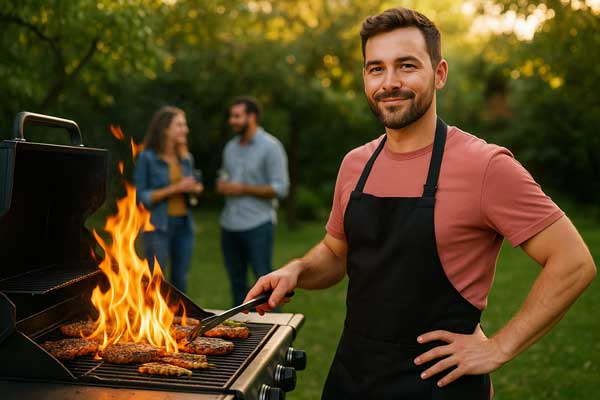
Before diving into complex recipes and techniques, spend time getting to know your grill. Understanding your equipment is the first step to better BBQ. Questions to answer about your grill:
- Does it have hot spots?
- How quickly does it heat up?
- How do you control airflow?
Challenge yourself to use your grill five days in a row. By the end of the week, you’ll have much more confidence and a better understanding of how it works. The grill becomes an extension of your cooking skills when you truly understand its quirks and capabilities.
2. Clean Your Grill Properly
You wouldn’t cook on dirty pans, so don’t cook on dirty grates. A clean grill prevents unwanted flavors and helps your food cook more evenly. Quick cleaning method: After each use, while the grill is still hot, take a ball of aluminum foil with tongs and scrub the grates clean. This simple 15-minute maintenance will significantly improve your BBQ results and extend the life of your grill. For more thorough cleaning, check out our guide on the best grill brushes for effective and safe maintenance. 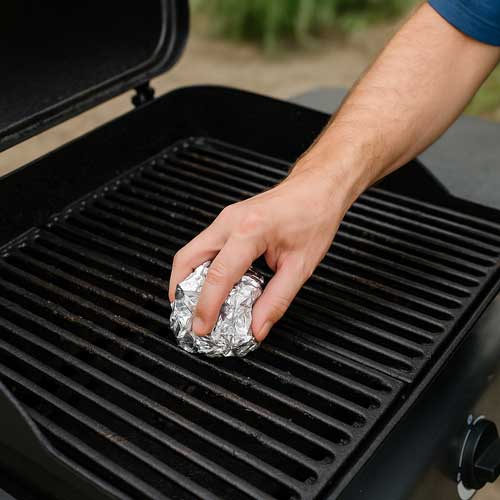
3. Check Your Fuel Levels
Nothing ruins a BBQ party faster than running out of fuel halfway through cooking. Whether you use charcoal, propane, or wood pellets, always check your fuel supply before firing up the grill. Keep extra fuel on hand, especially when hosting larger gatherings. Adding fuel to your weekly shopping list ensures you’re never caught unprepared. If you use charcoal, consider investing in an electric charcoal starter for quicker and more efficient lighting.
4. Start with the Right Cuts of Meat
Choosing the right cut for your cooking method is crucial for BBQ success. For beginners: Start with more forgiving and affordable cuts like chicken thighs or sirloin steaks before moving on to pricier options. Match the cut to the method:
- Low and slow cooking: Thicker cuts like pork shoulder or beef brisket
- High-heat grilling: Thinner cuts like steaks and chicken breasts
Don’t be afraid to ask your butcher for recommendations based on your grilling plans. For detailed guidance, check out our BBQ Meat Selection Guide. 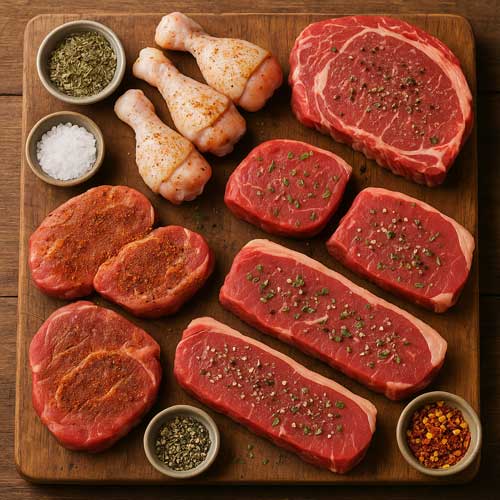
5. Theme Your BBQ Party
Transform an ordinary cookout into an unforgettable event by introducing a theme. Theme ideas:
- Tropical luau
- Western cookout
- Superhero-themed gathering
- International BBQ night (Korean, Argentinian, Caribbean)
Coordinate decorations, music, food, and even games to match your chosen theme. Your guests will appreciate the extra effort and creativity. Send themed invitations and suggest optional costumes to get everyone in the spirit.
6. Season with Authority
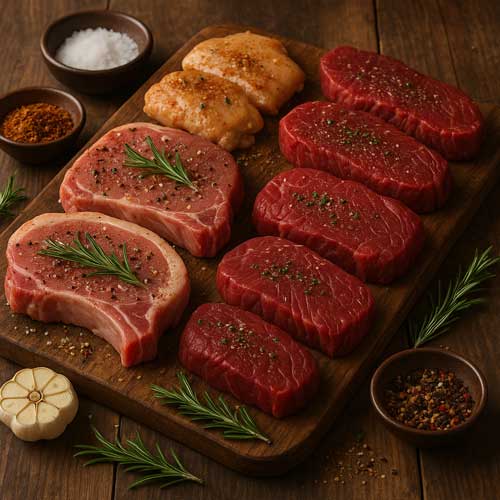
One of the biggest differences between restaurant-quality food and home-cooked meals is proper seasoning. Seasoning tips:
- Don’t be shy with salt and pepper—season liberally before the meat hits the grill
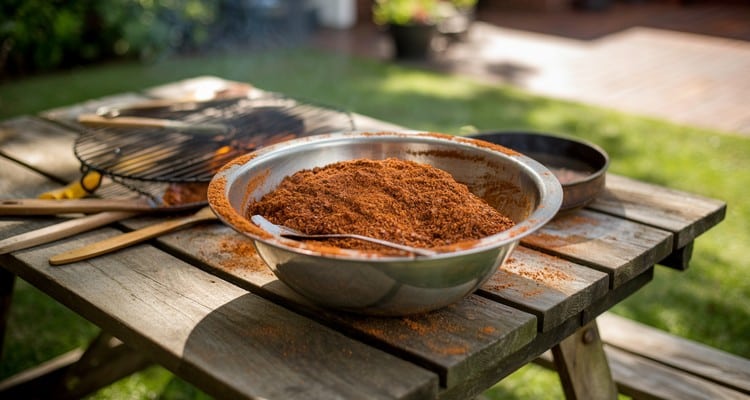
- Apply dry rub at least 15 minutes before cooking to allow flavors to penetrate
- Apply more than you think you need—some seasoning falls off during cooking
7. Master Temperature Control
The key to perfect BBQ is controlling your grill’s temperature. For gas grills: Learn how to create direct and indirect heat zones. For charcoal grills: Understand how to arrange coals for different cooking methods. Essential: Invest in a good meat thermometer. Never guess if your food is done—different cuts require different internal temperatures. The meat thermometer will quickly become one of your most valuable tools. Learn more about BBQ temperature control techniques and find the best thermometers for precise cooking.
8. Try New Meats and Recipes
While hamburgers and hot dogs are BBQ classics, expanding your repertoire keeps things exciting. Try grilling:
- Tri-tip
- Lamb chops
- Seafood
- Gourmet hot dogs from specialty butchers
International BBQ styles to explore:
- Korean BBQ
- Argentinian asado
- Caribbean jerk chicken
Consider making your own special sauce to make your cookout stand out. Explore our collection of Best BBQ Meat Recipes for inspiration. 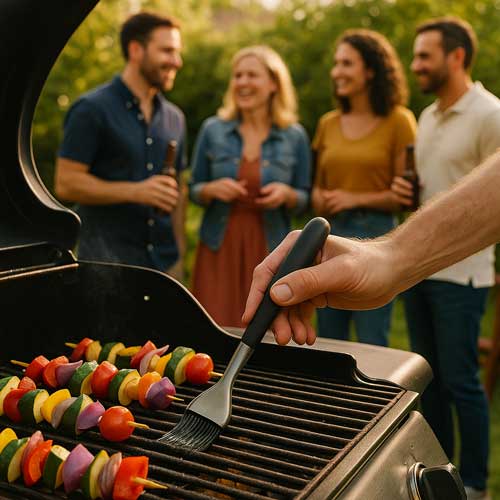
9. Prepare Veggie Skewers
Don’t forget about vegetable options! Grilled veggie skewers are colorful additions to your spread and cater to vegetarian guests. Great vegetables for skewers:
- Bell peppers
- Zucchini
- Mushrooms
- Cherry tomatoes
- Onions
Brush with olive oil, add your favorite herbs and spices, and grill until they have a nice char but still maintain some crunch. Veggie skewers cook faster than meat, so keep a close eye on them.
10. Plan for Easy Side Dishes
The main grilled items often get all the attention, but balanced side dishes complete a successful BBQ. Classic BBQ sides:
- Potato salad
- Coleslaw
- Grilled corn
- Baked beans
Many sides can be made a day ahead, giving you more time to focus on grilling during the party. A mix of hot and cold sides provides good variety for your guests. 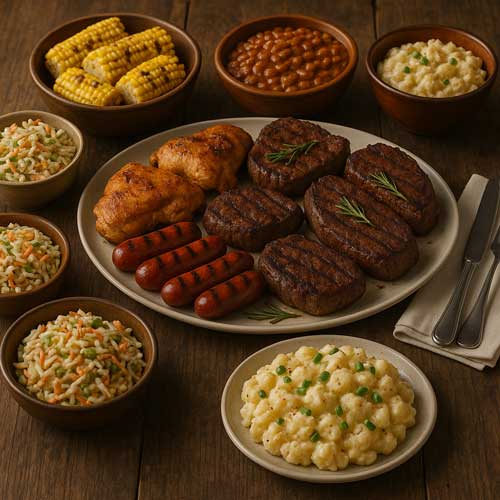
11. Create a Drink Station
Keep your guests refreshed with a dedicated drink station separate from your cooking area. Drink station essentials:
- Large tub or cooler filled with ice
- Variety of beverages
- Plenty of cups
- Non-alcoholic options like lemonade or fruit-infused water
For adult gatherings, consider offering signature BBQ cocktails or a selection of cold beers. This setup gives guests a place to mingle while you focus on making better BBQ without constant interruptions.
12. Set Up Fun Games
Entertainment is key to a memorable BBQ party. Lawn game ideas:
- Cornhole
- Horseshoes
- Ladder ball
- Outdoor movie night with a projector (for evening gatherings)
Games help break the ice among guests who may not know each other well and create a more relaxed atmosphere. This enhances your BBQ beyond just the food. 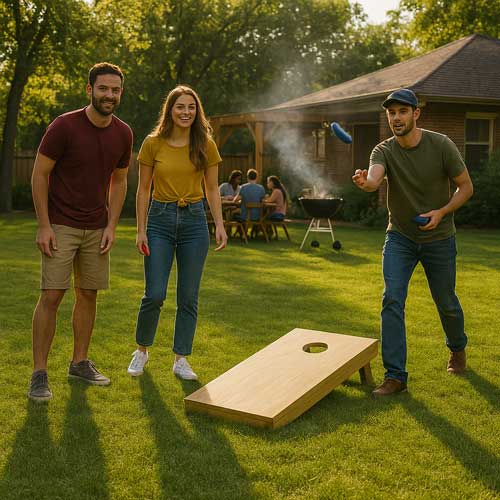
13. Install Patio Heaters for Evening BBQs
If you want your BBQ party to continue after sunset, patio heaters are a game-changer. They allow you to extend your outdoor entertaining season and keep evening gatherings comfortable when temperatures drop. Place heaters strategically around your entertaining area so guests can spread out while staying warm. A good setup of patio heaters transforms your BBQ from a daytime event to an all-evening affair.
14. Use a Meat Thermometer
One of the most valuable tools for better BBQ is a reliable instant-read thermometer. This takes the guesswork out of cooking and ensures meat is both safe to eat and perfectly done. Thermometer tips:
- Avoid cutting into meat to check doneness—this releases valuable juices
- Keep a temperature chart handy until you memorize ideal temps
- Different meats have different target temperatures
Check out our guide to the best wireless meat thermometers for precision without being tethered to your grill. 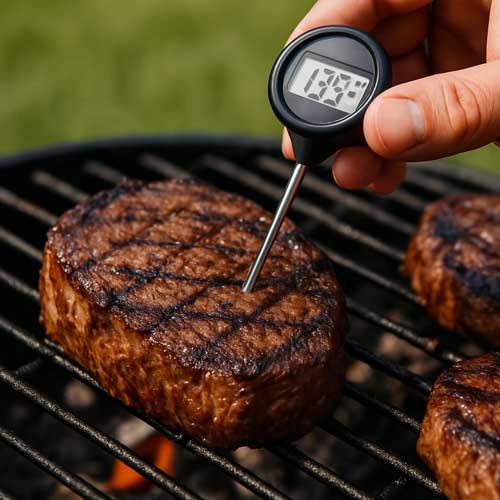
The best barbecue tip of all is to share your BBQ with others. Invite friends and family over regularly to enjoy your creations. Not only will this give you more practice with your grill, but the memories created around your barbecue will be what truly matters. Don’t worry about perfection—focus on enjoyment and togetherness. Your barbecue becomes more than just a cooking method; it becomes a social centerpiece where good times and great food come together. If you’re just getting started, our BBQ & Grilling Guide for Beginners has 25 pro tips to help you on your journey.
Internal Meat Temperature Chart
Use this chart to know exactly when your meat is done. Always measure at the thickest part, away from bone.
| Meat | Doneness | Target Temp | Notes |
|---|---|---|---|
| Chicken & Turkey | Safe minimum | 165°F | Thighs can go to 175-180°F for better texture |
| Pork Chops & Tenderloin | Medium | 145°F | Rest 3 min; slight pink is safe |
| Pork Shoulder & Ribs | Tender/pullable | 195-205°F | Collagen breaks down for tender meat |
| Beef Steak | Rare | 125°F | Cool red center |
| Beef Steak | Medium-Rare ★ | 130-135°F | Warm red center; most popular |
| Beef Steak | Medium | 140-145°F | Warm pink center |
| Beef Steak | Medium-Well | 150-155°F | Slight pink center |
| Beef Steak | Well Done | 160°F+ | No pink; firmer texture |
| Beef Brisket | Tender/sliceable | 195-205°F | Probe should slide in like butter |
| Ground Beef (Burgers) | Safe minimum | 160°F | Ground meat requires higher temp for safety |
| Lamb Chops | Medium-Rare | 130-135°F | Best served pink |
| Fish (Salmon, Tuna) | Medium | 125-140°F | Flakes easily; translucent center OK for sushi-grade |
| Shrimp | Done | 120°F | Pink and opaque; curled into C-shape |
Pro tip: Pull meat 3-5°F before target temp. Carryover cooking will bring it up during rest.
Grilling Temperature Guide
Different foods require different grill temperatures. Here’s how to set up your heat zones.
| Heat Level | Temperature | Best For |
|---|---|---|
| High Heat | 450-550°F | Steaks, burgers, thinner cuts, searing |
| Medium Heat | 350-450°F | Chicken pieces, pork chops, vegetables, fish |
| Low & Slow | 225-275°F | Brisket, pork shoulder, ribs, whole chicken |
Portion Planning Guide
One of the most common BBQ hosting mistakes is buying too much or too little meat. Use this guide to plan for your guest count.
| Item | Per Adult | For 10 People | Notes |
|---|---|---|---|
| Burgers | 1.5-2 patties | 15-20 patties | 1/3 lb patties are standard |
| Hot Dogs | 2 dogs | 20 dogs | Kids eat 1-1.5 each |
| Baby Back Ribs | 1/2 rack | 5 racks | Full rack for big eaters |
| Spare Ribs | 3/4 lb raw | 7-8 lbs | Meatier than baby backs |
| Pulled Pork (raw) | 1/2 lb raw | 5 lbs raw | Yields ~50% cooked weight |
| Pulled Pork (cooked) | 1/3 lb cooked | 3.3 lbs cooked | For sandwiches; more if main dish |
| Brisket (raw) | 1/2 lb raw | 5 lbs raw | Yields ~50% cooked weight |
| Chicken Breast | 1 breast (6-8 oz) | 10 breasts | Boneless; adjust for bone-in |
| Chicken Thighs | 2-3 thighs | 20-30 thighs | Bone-in has better flavor |
| Steaks | 8-12 oz | 5-7.5 lbs | 1 steak per person unless sharing large cuts |
| Sausages/Brats | 1.5-2 links | 15-20 links | Mix varieties for interest |
Planning tips:
- Add 10-15% extra for big eaters and seconds
- Reduce portions if serving multiple proteins
- Kids typically eat 50-75% of adult portions
- Heavy appetizers mean you can scale back mains
Multi-Item Cooking Timeline
When grilling multiple items for the same meal, timing is everything. Here’s how to coordinate so everything finishes hot and ready together. The Golden Rule: Work backward from when you want to serve. Start with the longest-cooking items first.
Sample Timeline: Burgers, Chicken, and Veggies for 6 PM Dinner
- 5:00 PM — Preheat grill to medium-high (400°F)
- 5:15 PM — Add bone-in chicken thighs to indirect heat side (need 25-35 min)
- 5:35 PM — Move chicken to direct heat for crispy skin; add veggie skewers
- 5:40 PM — Add burger patties to direct heat (need 8-10 min total)
- 5:45 PM — Flip burgers; flip/rotate veggies; check chicken temp
- 5:50 PM — Add cheese to burgers if desired; pull veggies when charred
- 5:55 PM — Pull chicken (165°F); pull burgers (160°F); let rest 3-5 min
- 6:00 PM — Serve everything together
Cooking Time Reference
| Item | Grill Time | Heat Level |
|---|---|---|
| Bone-in chicken thighs | 25-35 min | Medium indirect, finish direct |
| Chicken breasts (boneless) | 12-15 min | Medium-high direct |
| Burgers (1/3 lb) | 8-10 min | High direct |
| Hot dogs | 5-7 min | Medium direct |
| Steaks (1″ thick) | 8-12 min | High direct |
| Pork chops (1″ thick) | 10-14 min | Medium-high direct |
| Sausages/brats | 15-20 min | Medium indirect, finish direct |
| Veggie skewers | 8-12 min | Medium direct |
| Corn on the cob | 10-15 min | Medium direct, turn often |
| Shrimp | 4-6 min | High direct |
BBQ Party Planning Checklist
Use this timeline to stay organized and stress-free on party day.
1 Week Before
- Send invitations and get headcount
- Plan your menu (proteins, sides, drinks, dessert)
- Check propane/charcoal/pellet supply
- Inspect grill and clean if needed
- Order specialty meats from butcher if needed
2-3 Days Before
- Shop for non-perishables (buns, condiments, paper goods)
- Confirm headcount and dietary restrictions
- Start any marinades that need 24-48 hours
- Clean outdoor furniture and set up seating areas
- Test any lawn games or entertainment
Day Before
- Buy fresh meat and produce
- Prep make-ahead sides (potato salad, coleslaw, baked beans)
- Prepare dry rubs and sauces
- Set up drink station and fill coolers with ice
- Charge any wireless thermometers
- Set out serving dishes and utensils
Morning Of
- Take meat out of fridge 30-60 min before cooking (to take chill off)
- Season meats with dry rub
- Prep veggie skewers and store in fridge
- Set up condiment station
- Confirm ice supply; make a run if needed
- Do a final clean of grill grates
1-2 Hours Before Guests Arrive
- Preheat grill
- Start any long-cook items (chicken, ribs)
- Set out cold sides
- Put drinks on ice
- Set up lawn games
- Turn on music
Common BBQ Mistakes to Avoid
Even experienced grillers make these errors. Here’s what to watch for.
1. Lifting the Lid Too Often
Every time you open the lid, you lose heat and add 5-10 minutes to your cook time. Resist the urge to peek. Trust your thermometer and timers. Fix: Set a timer and only open when it’s time to flip or check temp.
2. Saucing Too Early
BBQ sauce contains sugar, which burns at high temperatures. Applying sauce too early results in a charred, bitter exterior before the meat is cooked through. Fix: Apply sauce only in the last 10-15 minutes of cooking, or serve on the side.
3. Not Letting Meat Rest
Cutting into meat immediately after grilling causes juices to pour out onto the cutting board instead of staying in the meat. Fix: Rest steaks 5 minutes, chicken 5-10 minutes, and large roasts 15-20 minutes before cutting.
4. Overcrowding the Grill
Packing the grill prevents proper airflow and heat circulation. Food steams instead of searing, and you lose that char and caramelization. Fix: Leave at least 1 inch between items. Cook in batches if needed.
5. Using a Fork to Flip Meat
Piercing meat with a fork releases juices. Those drippings cause flare-ups and dry out your food. Fix: Always use tongs or a spatula to flip.
6. Cooking Cold Meat
Meat straight from the fridge cooks unevenly—the outside overcooks before the center reaches temp. Fix: Let meat sit at room temperature for 30-60 minutes before grilling (longer for thick cuts).
7. Ignoring Carryover Cooking
Meat continues cooking after it leaves the grill. The internal temperature can rise 5-10°F during rest. Fix: Pull meat 3-5°F before your target temperature.
8. Pressing Down on Burgers
That sizzle you hear when you smash a burger? That’s flavor leaving the patty. Pressing squeezes out juices and fat. Fix: Let burgers cook undisturbed. Flip once.
Food Safety Essentials
BBQ is fun, but food poisoning isn’t. Follow these guidelines to keep your guests safe.
The Danger Zone: 40°F – 140°F
Bacteria multiply rapidly when food sits between 40°F and 140°F. This is called the “danger zone.” Key rules:
- Never leave perishable food out for more than 2 hours (1 hour if above 90°F outside)
- Keep cold foods cold (below 40°F) and hot foods hot (above 140°F)
- When in doubt, throw it out
Safe Defrosting Methods
- Refrigerator (best): Plan ahead—takes 24 hours per 5 lbs of meat
- Cold water: Submerge sealed meat in cold water; change water every 30 min
- Microwave: Only if cooking immediately after
- Never: Defrost on the counter at room temperature
Preventing Cross-Contamination
- Use separate cutting boards for raw meat and vegetables
- Never put cooked meat on the same plate that held raw meat
- Wash hands for 20 seconds after handling raw meat
- Keep raw meat on the bottom shelf of the cooler (so juices don’t drip on other food)
- Use a clean plate and utensils when taking cooked food off the grill
Minimum Internal Temperatures (USDA)
- Poultry (chicken, turkey): 165°F
- Ground meat (burgers, sausage): 160°F
- Pork, lamb, veal (steaks, chops): 145°F + 3 min rest
- Beef steaks: 145°F (medium) for safety; lower temps are personal preference for whole cuts
- Fish: 145°F or until flesh is opaque and flakes
Frequently Asked Questions
How long should I preheat my grill before cooking?
- Gas grills: 10-15 minutes with all burners on high
- Charcoal grills: 20-30 minutes for coals to develop a gray ash coating
Proper preheating ensures clean grates, even cooking, and the perfect sear.
What’s the ideal temperature for grilling different meats?
- High heat (450-550°F): Steaks, burgers, thinner cuts
- Medium heat (350-450°F): Chicken pieces, pork chops, vegetables
- Low and slow (225-275°F): Brisket, pork shoulder, ribs
How often should I clean my grill?
- After every cook: Scrape grates while still warm
- Every 5-10 cooks: Deeper clean including flame tamers, grease tray, exterior
- Seasonally: Full inspection and deep clean at start and end of grilling season
Should I marinate meat before grilling?
Marinades add flavor and can tenderize tougher cuts.
- Most meats: 2-24 hours depending on thickness
- Delicate fish: No more than 30 minutes (acidic marinades break down texture)
How do I prevent food from sticking to the grill?
- Start with clean, well-oiled grates
- Ensure grill is fully preheated before adding food
- Pat meat dry before seasoning
- Don’t flip too early—food releases naturally when properly seared
- Use long-handled tongs rather than forks to preserve juices
How many people can a standard BBQ grill feed?
- 3-burner gas grill (~400 sq in): 6-8 people comfortably
- Larger gatherings (10+): Need a 4-5 burner grill or staggered cooking
- Pellet grills and smokers: Often handle more due to longer cook times and larger capacity
Conclusion
Mastering the art of BBQ takes time, but these 15 tips—plus the planning guides, temperature charts, and timelines—will help you accelerate your journey. From properly maintaining your grill to creating memorable themed parties, each element contributes to a better BBQ experience. Remember, the perfect barbecue isn’t just about the food—it’s about creating a welcoming atmosphere where friends and family can gather and make lasting memories. The key is to get started, practice often, and make the most of every opportunity to fire up your grill for a cookout everyone will remember.