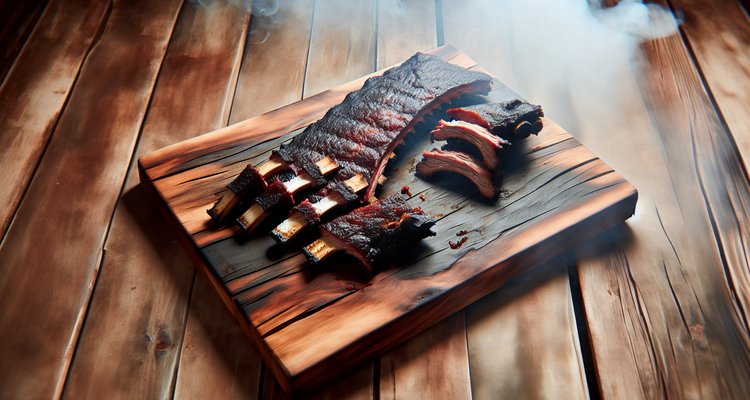
You pulled a rack of beef back ribs from the grocery store because the price was right. Now you’re wondering if you made a mistake – they look thin, the bones are big, and the meat seems hidden. Don’t second-guess it. Smoked beef back ribs are one of the best cooks you can do on a smoker, delivering deep beefy flavor and fall-off-the-bone tenderness from a cut that most people walk right past.
What Are Beef Back Ribs?
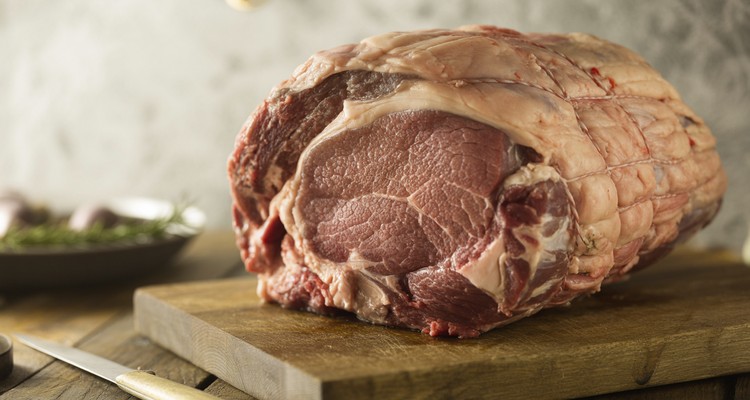
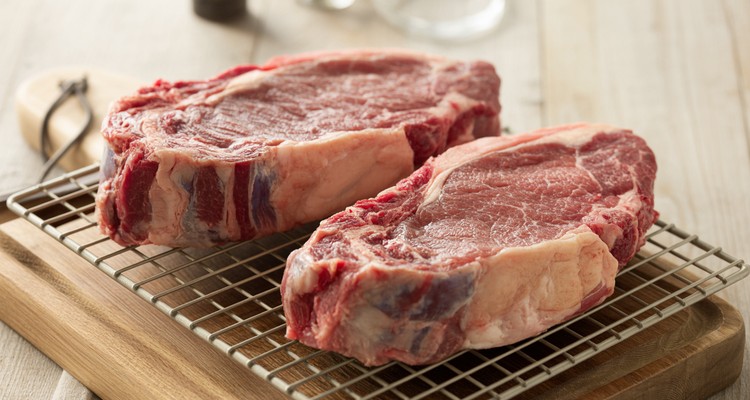
Beef back ribs are the bones that remain after a butcher removes the ribeye or prime rib roast from the rack. Because the prized ribeye muscle sits on top of these bones, most of the meat on beef back ribs is located between the bones rather than on top – which is why they look lean at the store. What they lack in surface meat, they more than compensate for with rich intramuscular fat and connective tissue that bastes the meat from the inside as it cooks. They are not the same as beef short ribs (sometimes called dino ribs), which come from the lower rib section and carry thick slabs of meat on top of each bone. Beef back ribs are thinner and faster to cook – typically 5 to 6 hours versus 8 to 10 hours for short ribs. They are also significantly more affordable, making them an excellent entry point for anyone wanting to smoke beef ribs without a big investment.
Ingredients
- 1-2 racks beef back ribs (approximately 2-3 lbs per rack)
- 2 tablespoons yellow mustard (binder – helps the rub adhere without affecting flavor)
- Dry rub: 1 tablespoon kosher salt, 1 tablespoon coarse black pepper, 1 teaspoon garlic powder, 1 teaspoon smoked paprika, 1 teaspoon brown sugar, ¼ teaspoon cayenne pepper
- Spritz: ½ cup apple cider vinegar + ½ cup water in a spray bottle
- Optional: ¼ cup BBQ sauce for a final glaze
Helpful beef-rib smoking gear:
- Heat handling: Grill Armor extra-long heat-resistant gloves protect your hands when moving hot racks or smoker accessories.
- Rib spacing: SOLIGT stainless steel rib rack holds beef back ribs upright so smoke can circulate around the bones.
- Wrapping: Bryco Goods pink butcher paper wraps ribs or rests smoked meat without trapping as much steam as foil.
How to Smoke Beef Back Ribs
- Remove the membrane. Flip the rack bone-side up. Slide a butter knife under the thin silvery membrane along one of the middle bones to loosen a corner. Grab the edge with a dry paper towel for grip and pull it off in one steady motion. Removing the membrane lets smoke and seasoning penetrate the meat more effectively and prevents a chewy, rubbery texture on the bone side.
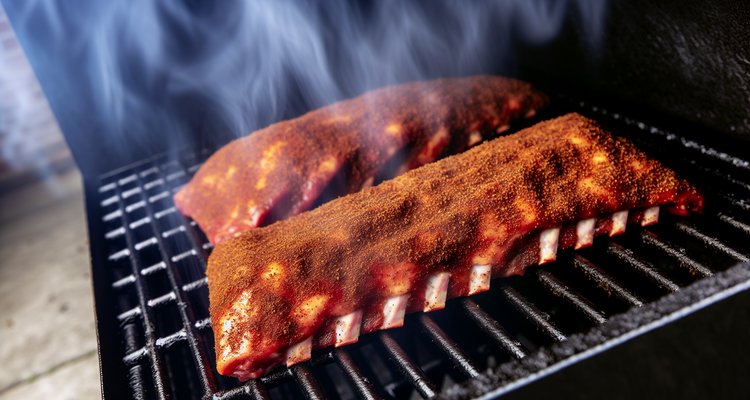
- Season the ribs. Take the ribs out of the fridge an hour before they go on the smoker – this promotes more even cooking. Coat all sides with a thin layer of yellow mustard as a binder, then apply the dry rub generously on all surfaces. Pat it in rather than rubbing it in to avoid disturbing the coating.
- Set up the smoker. Preheat your smoker to 275°F. This temperature hits a sweet spot for beef back ribs – hot enough to build a dark, firm bark and render the fat efficiently without drying out the lean sections. For wood, post oak is the classic Texas choice and pairs perfectly with beef. Hickory delivers a bolder, more assertive smoke flavor. A combination of oak and cherry gives great color alongside a well-balanced flavor.
- Smoke unwrapped (first phase). Place the ribs bone-side down on the smoker grates. Smoke at 275°F for approximately 3 hours, spritzing with the apple cider vinegar mixture every 45 to 60 minutes. The spritz keeps the surface moist so the rub doesn’t dry out too fast and helps the bark develop an even, deep color. Resist the urge to open the smoker more than necessary – each peek drops the chamber temperature and slows your cook.
- Wrap in butcher paper. When the beef back ribs reach an internal temperature of about 165°F – typically after the first 3 hours – pull them off the smoker and wrap them snugly in unwaxed butcher paper. Butcher paper is preferred over foil because it allows the bark to breathe slightly, preserving that firm outer crust. If you only have foil, it works fine – just expect a slightly softer bark.
- Return to the smoker until probe tender. Slide the wrapped ribs back onto the smoker at 275°F. Continue cooking for another 2 to 3 hours. The target internal temperature is 203°F, but temperature is just a guideline – the real test is probe tenderness. Insert an instant-read thermometer or probe into the thickest section of meat between the bones. When it slides in with almost no resistance, like pushing a skewer through room-temperature butter, the beef back ribs are done.
- Rest and slice. Remove the ribs from the smoker and leave them wrapped for a minimum of 30 minutes, up to an hour. Resting allows the muscle fibers to relax and reabsorb the juices that migrated to the surface during cooking – skip the rest and those juices run out onto the cutting board instead of staying in the meat. Slice between the bones and serve bone-in.
- Temperature tool: ThermoMaven wireless meat thermometer helps track beef ribs to probe-tender doneness.
- Rub option: Spice Guru BBQ seasoning fits beef-rib bark.
- Pellet option: Traeger Signature Blend pellets work well with beef back ribs.
Smoke Time and Temperature Guide
The most common question about smoked beef back ribs is timing. Use this table as a planning guide – always cook to probe tenderness, not the clock alone.
| Smoker Temp | Unwrapped Phase | Wrapped Phase | Total Cook Time | Target Internal Temp |
|---|---|---|---|---|
| 225°F | ~4 hours | ~2-3 hours | 6-7 hours | 203°F |
| 250°F | ~3.5 hours | ~2 hours | 5.5-6 hours | 203°F |
| 275°F (recommended) | ~3 hours | ~1.5-2 hours | 5-5.5 hours | 203°F |
Pro Tips for Perfect Beef Back Ribs
Where to Buy Beef Back Ribs
Beef back ribs aren’t always labeled clearly at grocery stores – you may see them listed as “beef ribs” or “dinosaur ribs” (though that’s more commonly short ribs). Ask the butcher counter for a full rack of beef back ribs specifically. Warehouse stores like Costco and Sam’s Club often carry them in multi-rack packs at competitive prices.
Avoid the 3-2-1 Trap
The 3-2-1 method – 3 hours unwrapped, 2 hours wrapped, 1 hour back on the smoker – is designed for pork spare ribs, which are significantly thicker than beef back ribs. Applying the same timing to beef back ribs will overcook them and turn the meat to mush. Stick to the probe-tender approach: wrap at 165°F internal, pull when the probe slides in without resistance near 203°F.
Wood Selection for Beef Ribs
Wood choice makes a real difference with beef. Post oak and regular oak deliver the classic Central Texas BBQ flavor – clean smoke with an earthy backbone that doesn’t compete with the beef. Hickory brings a sharper, stronger smoke that some pitmasters love and others find overpowering. Cherry adds subtle sweetness and helps develop a deep red color in the bark. Mixing oak and cherry is a reliable combination that works well for most smokers.
Don’t Pull Too Early
One of the most common mistakes with beef back ribs is pulling them at 180°F because the internal temperature seems “close enough.” At 180°F, the intramuscular fat hasn’t fully rendered and the collagen hasn’t converted to gelatin – the meat will be tough rather than silky. Hold out for that probe-tender test at 203°F. The difference between 180°F and 203°F on a rack of smoked beef back ribs is dramatic.
Serving Suggestions and Storage
Smoked beef back ribs are a complete centerpiece on their own. Serve them bone-in alongside classic BBQ sides: baked beans, creamy coleslaw, cornbread, or a simple potato salad. If you want a BBQ sauce glaze, unwrap the ribs for the final 10 minutes of the cook and brush on your favorite sauce, letting it tack up in the smoker before resting. Leftover smoked beef back ribs keep well. Wrap individual portions tightly in foil and refrigerate for up to 4 days, or freeze for up to 3 months. To reheat, keep them wrapped in foil and place in a 250°F oven for 20 to 25 minutes until heated through. Avoid the microwave – it dries out the bark and toughens the meat.
Frequently Asked Questions
How long does it take to smoke beef back ribs at 225°F?
Are beef back ribs the same as beef short ribs?
Does the 3-2-1 method work for beef back ribs?
Why do beef back ribs have so little meat?
Final Thoughts
Smoked beef back ribs are one of the most underrated cooks in backyard BBQ. They cost a fraction of what beef short ribs run, they cook in roughly half the time, and the flavor is every bit as rich and beefy when handled correctly. The keys are straightforward: remove the membrane, season generously, smoke at 275°F with a good hardwood, wrap in butcher paper at 165°F internal, and don’t pull them until a probe slides through the meat like warm butter near 203°F. The most important lesson is patience through that final stretch. The difference between 180°F and 203°F internal temperature is the difference between tough, chewy ribs and silky, fall-off-the-bone perfection. Trust the probe-tender test over the clock, rest the ribs for at least 30 minutes, and you will produce restaurant-quality smoked beef back ribs every single time.
Smoked Beef Back Ribs
Equipment
- Smoker pellet grill, offset, kettle, or any smoker that holds 275°F
- Instant-read meat thermometer essential for probe-tender test
- Butcher paper unwaxed pink butcher paper preferred; heavy-duty foil works as substitute
- Spray bottle for apple cider vinegar spritz
- Wood chunks or pellets post oak, hickory, or oak + cherry combination
Ingredients
Beef Back Ribs
- 2 racks beef back ribs approximately 2–3 lbs per rack
- 2 tablespoons yellow mustard binder — helps rub adhere
Dry Rub
- 1 tablespoon kosher salt
- 1 tablespoon coarse black pepper freshly cracked preferred
- 1 teaspoon garlic powder
- 1 teaspoon smoked paprika
- 1 teaspoon brown sugar
- 1/4 teaspoon cayenne pepper optional — adjust to heat preference
Spritz
- 1/2 cup apple cider vinegar
- 1/2 cup water combine with vinegar in spray bottle
Instructions
- Remove the racks from the refrigerator 1 hour before cooking to come to room temperature.
- Flip the ribs bone-side up. Slide a butter knife under the thin membrane along one of the middle bones to loosen a corner. Grip with a dry paper towel and pull the membrane off in one steady motion.
- Brush a thin layer of yellow mustard over all surfaces of each rack as a binder. Combine all dry rub ingredients and apply generously to all sides. Pat the rub in rather than rubbing it.
- Preheat your smoker to 275°F. Add post oak, hickory, or a combination of oak and cherry wood chunks or pellets.
- Place the ribs bone-side down on the smoker grates. Smoke at 275°F for approximately 3 hours, spritzing with the apple cider vinegar mixture every 45 to 60 minutes.
- When the ribs reach an internal temperature of 165°F, remove from the smoker. Lay each rack in the center of two overlapping sheets of unwaxed butcher paper. Wrap tightly and return to the smoker.
- Continue smoking at 275°F for 1.5 to 2 more hours. Check for doneness: insert an instant-read thermometer into the thickest section of meat between the bones. The ribs are done when the probe slides in with almost no resistance near 203°F internal temperature.
- Remove the wrapped ribs from the smoker. Let rest for a minimum of 30 minutes before unwrapping. Slice between the bones and serve bone-in.
Notes
Contents