Cooking a steakhouse-quality New York strip at home is easier than most people think. This guide covers three foolproof methods — grilling, cast-iron searing, and the reverse sear — so you can choose the approach that fits your setup. We’ll walk you through everything from selecting the right cut to the final slice.
Quick Summary
- Versatile Cut: The New York strip is a boneless short-loin cut, known for its firm texture, bold beef flavor, and moderate marbling, making it suitable for various high-heat cooking methods.
- Essential Prep: Dry brining with kosher salt for at least an hour (up to 24 hours) and seasoning with black pepper and garlic powder are crucial for a flavorful, well-crusted steak.
- Foolproof Methods: Choose from grilling for smoky flavor, cast-iron searing for a deep crust, or reverse searing for ultimate control and edge-to-edge doneness on thick cuts.
- Temperature & Rest: Always cook to temperature using an instant-read thermometer, pulling at 125°F for medium-rare (130-135°F after rest). Rest for 5-10 minutes before slicing against the grain to retain juices and tenderness.
What Is a New York Strip Steak?
A New York strip steak is a boneless short-loin cut, also called strip loin or Kansas City strip. It sits beside the tenderloin and has a firm texture, bold beef flavor, and enough marbling for high-heat cooking.
The strip offers a satisfying balance of tenderness, beefy flavor, and moderate marbling that makes it a go-to choice for home cooks and steakhouse menus alike. It’s the quintessential steak experience for many people.
The fat cap along one edge renders during cooking and bastes the meat from the outside. Unlike a ribeye, which has more internal fat, or a filet mignon, which has almost none, the New York strip hits a middle ground — firm enough to have a satisfying chew, juicy enough to be deeply satisfying.
What to Look for When Buying
Grade matters most. USDA Prime has the highest marbling and delivers the richest flavor; USDA Choice is the practical everyday option that still produces excellent results. Select grade is leaner and less forgiving — skip it for this recipe.
Thickness matters too. Choose steaks at least 1.5 inches thick because thinner cuts can overcook before they build a proper crust.
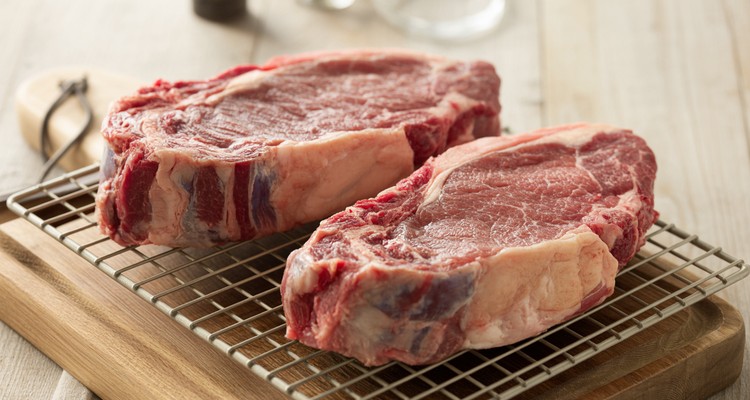
Look for vibrant cherry-red color in the meat and white or cream-colored fat — yellow fat is a sign of age. Consistent marbling, the fine flecks of intramuscular fat, is a key indicator of a flavorful and juicy steak.
Wet-Aged vs. Dry-Aged
You may see steaks labeled as wet-aged or dry-aged. Wet-aging is the most common method, where beef is vacuum-sealed in plastic and aged for several weeks. This process helps tenderize the meat and results in a fresh, metallic, and subtly beefy flavor.
Dry-aging is a more traditional and expensive process where large cuts are aged in a controlled, open-air environment. Moisture evaporates, concentrating the beef flavor into something more nutty, complex, and intense. Both methods produce a quality New York steak, but dry-aged offers a more pronounced, unique taste.
 Quick Facts: A New York strip is a versatile, flavorful cut from the short loin, offering a great balance of tenderness and beefy taste, making it a favorite for many steak enthusiasts.
Essential Prep for the Perfect Steak
The two most impactful prep steps are dry brining and proper seasoning. Dry brining draws moisture out, dissolves the salt, and allows the brine to be reabsorbed — seasoning the steak from within and setting up a drier surface for a better crust. Everything else builds on that foundation.
Helpful gear for this cook:
- Hotec stainless steel kitchen tongs — make turning and moving food easier
- Spice Guru BBQ rub set — gives you several BBQ seasoning options for the cook
- TempPro TP20 500FT Wireless Meat Thermometer with Dual Meat — helps verify doneness without guessing
Essential Equipment
Before you start, gather a few key tools. An instant-read thermometer is non-negotiable — cooking to temperature instead of time is the single biggest upgrade most home cooks can make. A cast-iron skillet is ideal for stovetop methods due to its heat retention.
A wire rack set over a baking sheet holds the steak during dry brining and reverse-sear phases, allowing airflow on all sides. This simple setup is crucial for developing a dry surface for an optimal sear.
The Importance of a Dry Brine
Pat the steak completely dry with paper towels on all sides. Season generously with kosher salt, which has large crystals that are easy to distribute evenly. The salt draws out moisture, which then dissolves the salt and is reabsorbed into the meat, tenderizing the muscle fibers and deeply seasoning the steak.
Place the steak on a wire rack over a baking sheet and refrigerate uncovered for at least one hour — or up to 24 hours for the deepest seasoning and the driest possible surface. This process ensures a fantastic crust when the steak hits the heat.
 Pitmaster Tip: A dry surface is the key to a great sear. Moisture on the meat creates steam and prevents browning. Even 30 minutes uncovered in the fridge makes a noticeable difference.
The Room Temperature Debate
Many recipes advise letting a steak sit at room temperature for 30-60 minutes before cooking. The theory is that this helps the steak cook more evenly. While a short rest on the counter won’t hurt, scientific tests show it barely raises the internal temperature.
The real benefit is that it allows the surface to dry even further, especially after coming out of a cold refrigerator. For thick cuts, a 30-minute rest can help take the chill off, but it’s not a mandatory step for a great result, especially when using a method like the reverse sear.
Seasoning Your New York Strip
After dry brining, the salt is already in the meat. Just before cooking, add coarsely ground black pepper and granulated garlic powder. Pat the seasonings firmly into the surface so they adhere during the sear.
Avoid seasoning blends that contain sugar when using high-heat methods — the sugar burns before the crust can develop, leaving a bitter taste. Save sweeter rubs for low-and-slow smoked preparations.
How to Cook a New York Steak (3 Methods)
The ideal method depends on your equipment and desired result. Grilling imparts classic smoky flavor, while a cast-iron skillet produces the deepest, most even crust. For ultimate control and edge-to-edge doneness on thick cuts, the reverse sear is the most foolproof option.
Method 1: Grilling for Classic Flavor
Proper grill setup is key. Ensure your grates are clean and well-oiled to prevent sticking, and allow the grill to preheat completely for at least 10-15 minutes. A hot starting surface is essential for creating those coveted grill marks and a flavorful crust.
Set up a two-zone fire — one hot zone for searing, one cooler indirect zone for finishing. On a gas grill, set one side to high and the other to low. On a charcoal grill, bank the lit coals to one side so the other side has no direct heat beneath it.
Sear the steak on the hot side for 2-3 minutes per side until a deep brown crust forms. Then move it to the indirect side, close the lid, and continue cooking until the internal temperature reads about 5°F below your target doneness. Rest before slicing.
Pro Tip: For a 1.5-inch New York strip over high heat, expect about 4-6 minutes per side for medium-rare. Always confirm with a thermometer — grill temperature varies too much to rely on time alone.
Method 2: Cast Iron for a Perfect Crust
Cooking with cast iron on high heat will produce smoke, so ensure your kitchen is well-ventilated by opening a window or turning on an exhaust fan. Using a high-smoke-point oil like avocado, grapeseed, or clarified butter is essential to prevent the oil from burning and creating off-flavors.
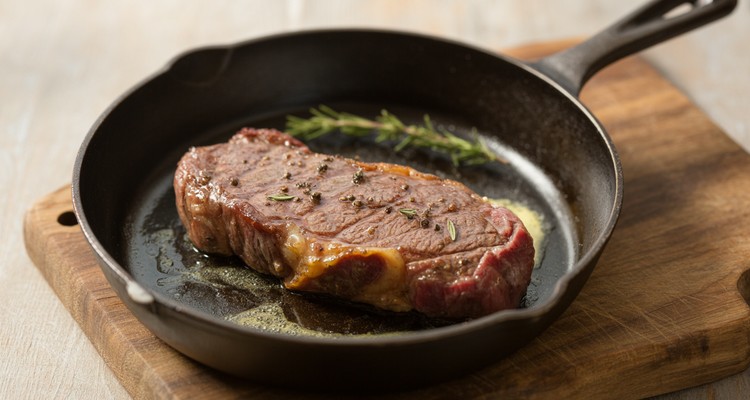
Place a cast-iron skillet over high heat until it is extremely hot and just starting to smoke. Add a tablespoon of oil. Carefully lay the steak in the pan, pressing it down gently to ensure full contact, and sear for 2-4 minutes per side without moving it.
Once both sides have a crust, reduce the heat to medium. Add two tablespoons of butter, a few crushed garlic cloves, and a sprig of fresh thyme or rosemary. Tilt the pan and baste the steak continuously with the foaming, aromatic butter for the final minute of cooking to add layers of flavor.
Method 3: The Reverse Sear for Ultimate Control
The reverse sear is the most reliable method for thick-cut steaks. It works by bringing the steak up to temperature slowly — in a low oven or smoker — before hitting it with a blazing hot sear at the very end. This gentle initial cooking phase ensures the steak’s interior is perfectly and evenly cooked from edge to edge.
This technique separates the cooking from the searing, giving you precise control over the final doneness. The result is a uniform medium-rare interior with no gray band, capped by a beautifully browned crust.
Place the dry-brined steak on a wire rack in a 250°F oven or smoker. Cook until the internal temperature reads 10-15°F below your final target — roughly 115°F for medium-rare. Remove and rest for 10 minutes while you preheat a cast-iron skillet or grill to maximum heat.
Sear for 60-90 seconds per side to finish. This final step is all about the crust; the internal cooking is already complete.
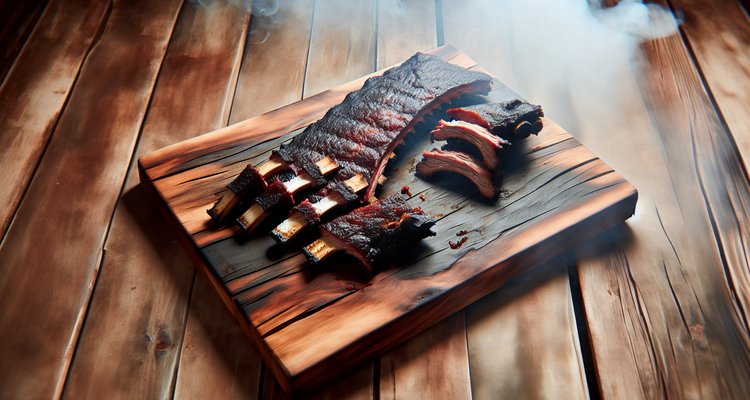
Pitmaster Tip: The low-and-slow phase on a smoker adds a light smoke flavor you won’t get in the oven. Oak or hickory wood works well with beef and won’t overpower the steak’s natural flavor.
Steak Doneness Temperatures and Resting
Always cook steak to temperature, not time. For a medium-rare New York strip, pull the steak from the heat at 125°F and let carryover cooking raise it to the 130-135°F final target during the rest. The USDA recommends a minimum internal temperature of 145°F for whole cuts of beef, followed by a 3-minute rest.
New York Strip Doneness Chart
Use this chart to guide you, but always rely on a thermometer. The USDA recommends a minimum internal temperature of 145°F for whole cuts of beef, followed by a 3-minute rest[USDA].
| Doneness | Pull from Heat | Final Temp After Rest | What the Center Looks Like |
|---|---|---|---|
| Rare | 115-120°F | 125°F | Cool red center |
| Medium-Rare | 125°F | 130-135°F | Warm red center |
| Medium | 135°F | 140-145°F | Warm pink center |
| Medium-Well | 145°F | 150-155°F | Slightly pink center |
| Well-Done | 155°F+ | 160°F+ | Little to no pink |
Why You Must Rest Your Steak
Carryover cooking is real. After pulling the steak from the heat, its internal temperature will rise 5-10°F as residual heat moves from the exterior to the center. Pulling it too late means you will overshoot your target doneness before the steak even hits the plate.
Resting also allows the muscle fibers to relax and reabsorb the juices that were driven toward the center during cooking. Slice into a steak immediately and those juices pour out onto the cutting board. Rest for 5-10 minutes and they stay in the meat where they belong, ensuring every bite is juicy.
How to Slice a New York Strip
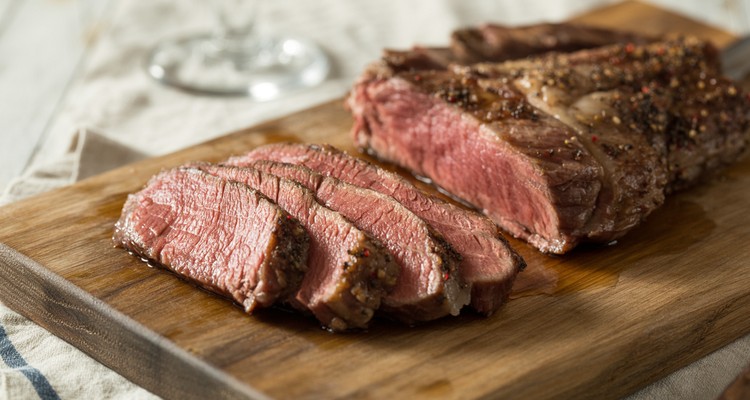
Look at the surface of the rested steak and identify the direction of the muscle fibers — the “grain.” Use a sharp slicing knife to cut perpendicular to those fibers. Slicing against the grain shortens the muscle strands, making each bite dramatically more tender than slicing with the grain.
Steakhouse Toppings and Serving Ideas
A well-cooked New York strip needs little help, but a classic compound butter is an easy upgrade that adds a layer of rich flavor. Simply mix softened butter with minced garlic, fresh herbs like parsley or chives, and a pinch of salt, then chill and slice a round over the hot steak to melt.
Quick Pan Sauce
If you cooked your steak in a cast-iron pan, don’t waste the flavorful browned bits (fond) left behind. After removing the steak to rest, lower the heat, add a minced shallot to the pan, and cook for a minute. Deglaze with a splash of red wine or beef broth, scraping the bottom of the pan.
Let the liquid reduce by half, then turn off the heat and whisk in a tablespoon of cold butter to create a rich, glossy sauce. Pour this over your sliced steak for an instant flavor boost.
Classic Side Pairings
Sauteed cremini mushrooms and caramelized onions make a hearty topping for serving steak over mashed potatoes. For a classic steakhouse presentation, pair the strip with roasted asparagus, creamed spinach, or a loaded baked potato. A simple wedge salad with blue cheese dressing also provides a cool, crisp contrast.
Storing and Reheating Leftover Steak
Allow the cooked steak to cool to room temperature before storing. Place it in an airtight container — whole or sliced — and refrigerate promptly. According to the USDA, properly stored cooked beef is safe to eat for 3-4 days.
To reheat without overcooking, place the steak on a wire rack over a baking sheet in a 250°F oven for 20-30 minutes until the center reaches 165°F[USDA]. Finish with a 60-second sear in a lightly oiled hot skillet to bring the crust back to life.
Pro Tip: Cold leftover steak sliced thin makes an excellent steak sandwich or a protein-packed topping for a salad — no reheating required.
Take Home Message
A steakhouse-quality New York strip comes from good selection, dry brining, precise temperature control, and a proper rest. Grilling, cast iron, and reverse searing all work when you cook to temperature instead of time.
Frequently Asked Questions
What is the best way to cook New York steak?
The ideal method depends on your equipment and goals. A cast-iron skillet produces the deepest, most even crust. The reverse sear offers the most control for thick steaks, delivering edge-to-edge even doneness.
Grilling adds classic smoky flavor that many people prefer. All three produce excellent results when you cook to temperature using a thermometer, so the “best” way is often a matter of personal preference.
How long do you grill a New York strip steak?
For a 1.5-inch New York strip over high heat, expect about 4-6 minutes per side for medium-rare. Use an instant-read thermometer and pull at 125°F for a 130-135°F finish after resting.
What temperature is medium-rare New York steak?
A medium-rare New York steak should reach a final internal temperature of 130-135°F after resting. To hit that target, pull the steak from the heat when your thermometer reads 125°F. Carryover cooking will raise the temperature by approximately 5-10°F during the rest period.
Should New York steak be reverse seared?
Reverse searing is excellent for steaks 1.5 inches or thicker because it gives an even pink center. It is not required, but it is the most foolproof method for consistent doneness at home.
How do I make a New York strip steak more tender?
Tenderness starts with a quality Prime or Choice cut. Dry brining helps, but the biggest factors are avoiding overcooking, resting properly, and slicing against the grain.
How do you cook a NY strip steak on the stove?
Use a cast-iron skillet preheated over high heat until it just starts to smoke. Add a tablespoon of high-smoke-point oil, then sear the steak for 2-4 minutes per side without moving it. Finish with a butter baste over medium heat using garlic and fresh herbs.
Remove at 125°F for medium-rare and rest for 5-10 minutes before slicing.
Can I cook a New York strip in an air fryer?
Yes. Preheat the air fryer to 400°F and cook a 1-inch New York strip for about 10-12 minutes, flipping halfway, until the internal temperature reaches your target. The air fryer does not produce the same crust quality as cast iron or a grill, but it is a convenient option when stovetop or outdoor cooking is not practical.
What is the difference between a New York strip and a ribeye?
Both come from the loin area, but the ribeye includes the spinalis muscle and significantly more intramuscular fat. This makes the ribeye richer, fattier, and more forgiving to cook.
The New York strip has less fat, a firmer texture, and a more pronounced beefy flavor. The strip is often described as the cut that rewards technique, while the ribeye rewards its own marbling.
Why is my steak tough or chewy?
Toughness in a New York strip usually comes from one of three things: low-quality meat (like USDA Select grade), overcooking, or slicing with the grain. To ensure a tender result, start with a well-marbled steak, use a thermometer to cook it to medium-rare, and always slice against the grain after a proper rest.
Ultimate Beef New York Steak Recipe
Equipment
- Instant-read thermometer Essential for cooking to the correct temperature.
- Cast iron skillet For achieving a deep, even crust.
- Wire Rack Used for dry brining and the reverse sear method.
- Baking sheet To place under the wire rack.
- Grill Optional, for the grilling method.
Ingredients
For the Steak
- 1 New York strip steak at least 1.5 inches thick
- 1 tbsp Kosher salt or to taste
- 1 tsp Coarsely ground black pepper
- 1/2 tsp Granulated garlic powder
For the Cast-Iron Sear
- 1 tbsp High-smoke-point oil such as avocado or grapeseed oil
- 2 tbsp Unsalted butter
- 2 cloves Garlic crushed
- 1 sprig Fresh thyme or rosemary
Instructions
- Pat the steak completely dry with paper towels. Season generously on all sides with kosher salt.
- Place the steak on a wire rack set over a baking sheet and refrigerate uncovered for at least 1 hour, or up to 24 hours, to dry brine.
- Just before cooking, season the steak with coarsely ground black pepper and granulated garlic powder, patting the seasonings firmly into the surface.
- Place a cast-iron skillet over high heat until it is extremely hot and just starting to smoke. Add the high-smoke-point oil.
- Carefully lay the steak in the pan and sear for 2-4 minutes per side without moving it, until a deep brown crust forms.
- Reduce the heat to medium. Add the butter, crushed garlic cloves, and fresh thyme or rosemary to the skillet.
- Tilt the pan and use a spoon to continuously baste the steak with the foaming butter for 1-2 minutes, until an instant-read thermometer inserted into the thickest part reads 125°F for medium-rare.
- Transfer the steak to a cutting board and let it rest for 10 minutes before slicing against the grain.
Notes