Beef rib meat delivers a fantastic combination of rich, beefy flavor and melt-in-your-mouth texture when it gets the low-and-slow treatment it deserves. Whether you pull it off the smoker, braise it in the oven, or shred it into tacos, this cut rewards patience with spectacular results.
This guide covers the master smoked beef rib meat recipe plus four crowd-pleasing variations.
Quick Summary
- Boneless Beef Rib Meat: This cut, trimmed from plate or back ribs, is heavily marbled and rich in collagen, making it perfect for low-and-slow cooking methods that transform connective tissue into tender gelatin.
- Achieving Tenderness: The key to melt-in-your-mouth beef rib meat is patience and low heat, allowing collagen to slowly convert into gelatin. Rushing the process results in tough, chewy meat.
- Master Smoked Recipe: Smoking at 275°F for 5-7 hours, including a wrapped phase, develops a deep bark and infuses the meat with hardwood flavor. Always cook to “probe tender” for optimal results.
- Versatile Leftovers: Once cooked, beef rib meat can be transformed into delicious burnt ends, savory tacos, or hearty sandwiches, offering multiple ways to enjoy its rich flavor and texture.
What Exactly Is Beef Rib Meat?
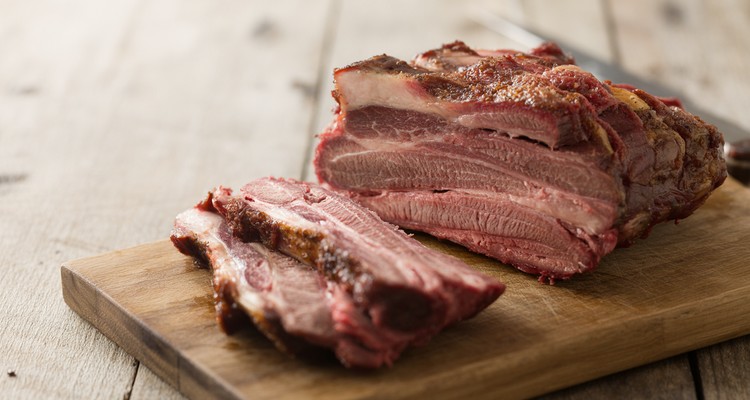
Beef rib meat refers to the boneless meat trimmed from beef ribs — either the thick cap of meat from beef plate ribs or the intercostal (between-the-bone) meat from back ribs. It is heavily marbled, loaded with collagen, and ideal for low-and-slow cooking methods that convert that connective tissue into tender gelatin.
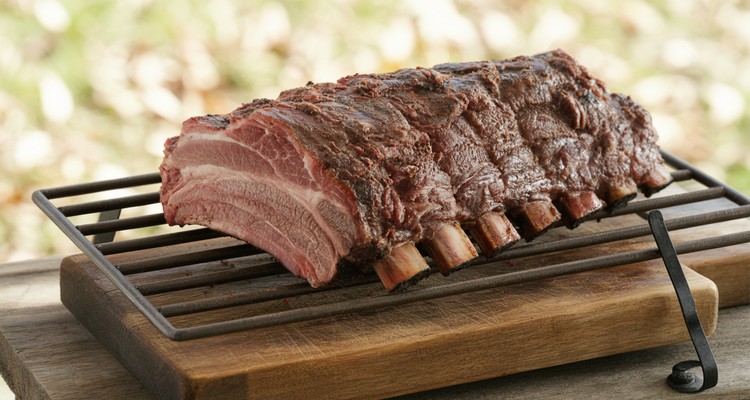
Beef Rib Meat vs. Short Ribs vs. Back Ribs
These three cuts often get confused at the butcher counter, but they come from different parts of the animal and cook differently.
Beef rib meat is the boneless meat from plate ribs or intercostal spaces — thick, fatty, and collagen-rich. Short rib meat comes from the lower rib cage (plate, chuck, or brisket area) and is known for its exceptional marbling and deep flavor.
Back ribs are the bones left after the ribeye roast is removed; they carry less meat on top but have flavorful meat tucked between the bones.
For this guide, the focus is on boneless beef rib meat — the trimmed cuts sold by the pound at butcher shops and warehouse stores. If you see “boneless short rib meat” or “flanken-style” cuts, those are close relatives that follow the same cooking approach.
 Quick Facts: Beef rib meat is a versatile, collagen-rich cut that transforms into incredibly tender and flavorful meat with low-and-slow cooking, making it ideal for smoking, braising, or slow cooking.
Helpful gear for this cook:
- extra-long stainless steel rib rack — keeps slabs upright and improves smoker capacity
- Spice Guru BBQ rub set — gives you several BBQ seasoning options for the cook
- ThermoMaven wireless meat thermometer — tracks long cooks without opening the smoker
How to Make Beef Rib Meat Tender
The key to tender beef rib meat is time and low heat. This cut contains significant amounts of collagen and connective tissue that must fully convert to gelatin before the meat reaches its ideal texture. Rushing the cook — even slightly — produces chewy, tough results.
The Role of Collagen and Connective Tissue
Collagen is the structural protein woven through beef rib meat. At low cooking temperatures between 160°F and 205°F, collagen slowly unravels and converts into rich, silky gelatin. This process is what gives properly cooked rib meat that signature unctuous, falling-apart quality.
Collagen conversion takes time — typically several hours at 250-275°F. Cooking at higher temperatures forces the conversion too quickly, causing muscle fibers to contract and squeeze out moisture. The result is dry, stringy meat instead of the moist, tender finish you want.
The “Texas Crutch”: Wrapping to Push Through the Stall
During the smoke, beef rib meat hits a temperature plateau called the stall — usually somewhere between 150°F and 165°F. At this point, surface moisture evaporates and cools the meat at the same rate the smoker adds heat. The cook can feel stuck for hours.
Wrapping the meat in butcher paper or foil, known as the “Texas Crutch,” traps moisture and eliminates evaporative cooling. This allows the internal temperature to climb through the stall and accelerates collagen breakdown by creating a steamy environment.
Butcher paper allows some breathability to help preserve bark texture. In contrast, foil seals tighter and typically finishes the cook faster.
 Pitmaster Tip: Do not judge doneness by time alone. A thermometer probe sliding into the thickest part with zero resistance — what pitmasters call “probe tender” — is the only reliable signal that the collagen has finished converting.
Smoked Beef Rib Meat: The Master Recipe
Smoking is the gold standard for beef rib meat — it builds a deep peppery bark, infuses the fat with hardwood flavor, and gives collagen the long, gentle heat it needs to fully render. This recipe works on any offset smoker, kettle, pellet grill, or ceramic cooker set up for indirect heat.
Equipment Needed
- Smoker or grill set up for indirect heat
- Quality lump charcoal or wood pellets
- Wood chunks or chips (oak, hickory, or pecan recommended)
- Instant-read meat thermometer
- Butcher paper or heavy-duty aluminum foil
- Spray bottle with water, apple cider vinegar, or beef broth
Ingredients
- 4-5 lbs boneless beef rib meat
- 2 tbsp coarse black pepper
- 2 tbsp kosher salt
- 1 tbsp garlic powder
- 1 tbsp onion powder
- Binder (optional): yellow mustard or olive oil
- 1/2 cup beef broth (for wrapping)
Step 1: Prepare the Meat
Trim any excessive hard fat or silver skin from the surface, but leave a good layer of fat for rendering during the cook. Look for pieces with good marbling throughout — the more intramuscular fat, the better the final flavor and moisture. If using a binder, apply a thin, even coat over the entire surface before seasoning.
Combine salt, pepper, garlic powder, and onion powder in a small bowl. Season the meat generously on all sides, pressing the rub gently into the surface so it adheres.
Step 2: Set Up Your Smoker
Preheat your smoker to 275°F and stabilize the temperature before adding the meat. Add wood chunks or chips to generate clean, thin blue smoke — avoid thick white billowing smoke, which imparts a bitter flavor. Place a water pan in the smoker if your unit supports one; it helps maintain a humid cooking environment and moderates temperature swings.
Step 3: Smoke Until the Bark Sets
Place the seasoned beef rib meat directly on the smoker grates, fat side up. Smoke for 3-4 hours, or until a dark, firm bark has formed across the exterior. The internal temperature should read around 160-165°F at this stage.
At this point, the meat has surpassed the minimum safe internal temperature of 145°F for beef[USDA]. The focus now shifts from safety to rendering collagen for maximum tenderness.
Spritz lightly with beef broth or apple cider vinegar every 60-90 minutes after the first hour to keep the surface from drying out.
Step 4: Wrap and Finish Cooking
Lay out two large sheets of butcher paper or foil. Place the rib meat in the center, pour the beef broth over it, and wrap tightly.
Return the wrapped meat to the smoker. Continue cooking until it reaches probe-tender status, which is typically an internal temperature between 203°F and 210°F.
This final wrapped phase usually takes another 2-3 hours.
Step 5: Rest and Serve
Remove the wrapped meat from the smoker and let it rest for at least 30-60 minutes before unwrapping. Resting allows the muscle fibers to relax and reabsorb the juices that migrated toward the surface during cooking. After resting, slice against the grain or shred the meat and serve immediately.
Pro Tip: If you need to hold the meat longer before serving, keep it wrapped and place it in a dry cooler lined with towels. Well-rested beef rib meat stays hot and juicy for up to 2 hours using this method.
Beef Rib Meat Cooking Time and Temperature Guide
These times are reliable guides, but always cook to probe tenderness, not the clock. The exact duration will vary based on the specific size and thickness of your beef rib meat, its starting temperature, and your smoker’s efficiency. Plan for flexibility in your cook day.
| Method | Cooker Temp | Approx. Time | Target Internal Temp | Notes |
|---|---|---|---|---|
| Smoked | 275°F | 5-7 hours | 203-210°F (probe tender) | Wrap at ~165°F to push through the stall |
| Braised (Oven) | 300°F | 3-4 hours | Fork tender (no thermometer needed) | Keep braising liquid level consistent; add broth as needed |
| Burnt Ends (after smoke) | 275°F | +60-90 min | Tacky, caramelized sauce | Start with fully cooked, rested rib meat |
| Slow Cooker | Low setting | 8-10 hours | Fork tender | Sear meat first for best flavor; no smoke flavor but very tender |
What Else Can You Make With Beef Rib Meat?
Once you have cooked beef rib meat — smoked, braised, or slow-cooked — the possibilities multiply. The rich, shreddy texture works in dozens of dishes. The four most popular uses are braising, burnt ends, tacos, and sandwiches.
How to Braise Beef Rib Meat
Braising is an excellent no-smoker option for achieving deep tenderness. Start by searing the seasoned meat on all sides in a hot Dutch oven with a little neutral oil until a deep brown crust forms. Remove the meat and set aside.
Sauté aromatics — diced onion, garlic, and fresh thyme — in the same pot until softened. Deglaze with red wine or beef broth, scraping up any browned bits from the bottom. Return the meat to the pot, add enough liquid to come halfway up the sides, and bring to a simmer.
Cover and transfer to a 300°F oven for 3-4 hours, or until the meat yields easily to a fork. Check the liquid level every hour and add broth as needed to keep the braise moist. The finished braising liquid makes an excellent sauce — strain and reduce it on the stovetop while the meat rests.
How to Make Beef Rib Meat Burnt Ends
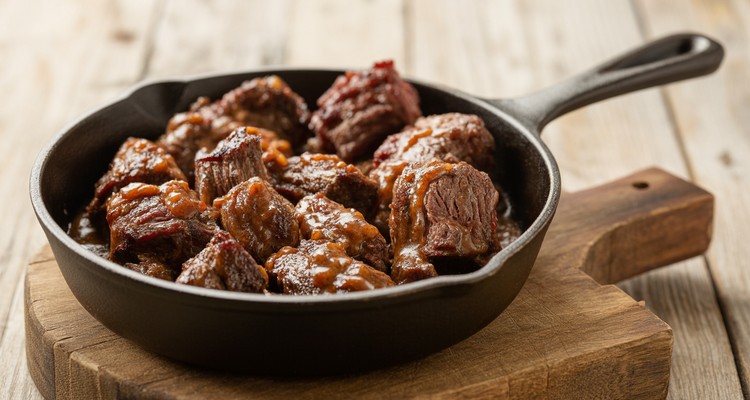
Burnt ends are an excellent use for leftover or freshly smoked beef rib meat. Follow the master smoked recipe all the way through the rest phase, then cube the meat into roughly 1-inch pieces.
Place the cubes in a foil pan or cast-iron skillet. Toss with your favorite BBQ sauce and a light dusting of the original rub. Return the pan to a 275°F smoker uncovered for another 60-90 minutes, until the sauce caramelizes into a glossy, slightly tacky coating on each piece.
The edges should have a little crispiness while the centers stay soft and yielding.
Perfect for Tacos and Sandwiches
Cooked beef rib meat shreds easily with two forks — it needs almost no effort once the collagen has fully rendered. For tacos, pile the shredded meat onto warm corn tortillas with diced white onion, fresh cilantro, and a squeeze of lime. A few slices of pickled jalapeño cut through the richness nicely.
For sandwiches, chop or pull the meat coarsely and serve on a toasted brioche bun with dill pickles, sliced raw onion, and a drizzle of BBQ sauce. The combination of smoky, fatty beef against sharp pickle and soft bun is hard to beat.
How to Store and Reheat Leftover Beef Rib Meat
Properly stored beef rib meat keeps well and reheats beautifully — the high fat content protects the texture through refrigeration and gentle rewarming. The key is to never let it sit out too long after cooking and to reheat gently with added moisture.
Safe Storage Guidelines
Allow the meat to cool slightly before storing. Do not leave it at room temperature for more than two hours[USDA]. Transfer to an airtight container or vacuum-sealed bag and refrigerate promptly.
Refrigerated beef rib meat stays at peak quality for 3-4 days. For longer storage, freeze in vacuum-sealed portions for up to 3 months. Thaw overnight in the refrigerator before reheating — never thaw on the counter.
Best Reheating Methods
The oven is a reliable reheating method. Place the meat in an oven-safe dish with a splash of beef broth, cover tightly with foil, and reheat at 300°F until warmed through — about 20-30 minutes depending on portion size. The added broth creates steam that keeps the meat moist.
A covered skillet over medium-low heat also works well. Add a small knob of butter or splash of broth to the pan, add the meat, cover, and heat until steaming. Avoid the microwave when possible — it heats unevenly and can make the outer portions tough and rubbery while the center is still cold.
Take Home Message
Mastering smoked beef rib meat is a rewarding endeavor that yields incredibly tender, flavorful results. The key lies in understanding collagen conversion through low-and-slow cooking and patiently waiting for that “probe tender” feel. With the right technique, you’ll consistently produce succulent beef rib meat perfect for a variety of dishes, from classic burnt ends to savory tacos.
Frequently Asked Questions
How Do You Know When Beef Rib Meat Is Done?
The real test is probe tenderness, not temperature alone. While 203-210°F is the typical target range, slide a thermometer probe or metal skewer into the thickest part of the meat. If it enters and exits with almost no resistance — like pushing into warm butter — the collagen has fully converted and the meat is done.
Temperature is a useful guide; feel is the final answer.
Why Is My Beef Rib Meat Tough?
Tough beef rib meat is almost always a sign of undercooking. The collagen simply did not have enough time at the right temperature to convert into gelatin. Cooking too fast at too high a temperature also causes muscle fibers to seize and expel moisture before collagen can render.
If the meat is tough, return it to the cooker — it will continue improving well past the point where most cooks give up.
Recommended Wood for Smoking Beef Rib Meat
Oak is the classic Texas choice — it delivers a smooth, medium-intensity smoke that pairs perfectly with beef without overpowering it. Hickory adds a stronger, more bacon-like character. Pecan offers a slightly sweeter, milder alternative.
Avoid mesquite for long cooks; its intense flavor can turn bitter over several hours of smoke exposure.
How Long Does Beef Rib Meat Take to Smoke?
At 275°F, a 4-5 lb piece of boneless beef rib meat typically takes 5-7 hours total, including the wrapped phase. Thicker cuts or larger pieces can run longer. Stall length varies unpredictably — some cooks hit a short 30-minute stall, others stay stuck for two hours.
Always plan extra time and hold the meat in a warm cooler if it finishes early.
Smoked Beef Rib Meat
Equipment
- Smoker or grill Set up for indirect heat at 275°F
- Wood chunks or chips Oak, hickory, or pecan recommended
- Instant-read meat thermometer Essential for checking doneness
- Butcher paper or heavy-duty aluminum foil For wrapping the meat (Texas Crutch)
- Spray bottle For spritzing the meat during the smoke
Ingredients
- 4-5 lbs boneless beef rib meat
- 2 tbsp coarse black pepper
- 2 tbsp kosher salt
- 1 tbsp garlic powder
- 1 tbsp onion powder
- yellow mustard or olive oil as a binder, optional
- 1/2 cup beef broth for wrapping
Instructions
- Trim any excessive hard fat or silver skin from the surface, leaving a good layer of fat. If using a binder, apply a thin, even coat over the entire surface. Combine salt, pepper, garlic powder, and onion powder in a small bowl and season the meat generously on all sides, pressing the rub gently to adhere.
- Preheat your smoker to 275°F and stabilize the temperature. Add wood chunks or chips to generate clean, thin blue smoke. Place a water pan in the smoker if your unit supports one.
- Place the seasoned beef rib meat directly on the smoker grates, fat side up. Smoke for 3-4 hours, or until a dark, firm bark has formed and the internal temperature is around 160-165°F. Spritz lightly with beef broth or apple cider vinegar every 60-90 minutes after the first hour.
- Lay out two large sheets of butcher paper or foil. Place the rib meat in the center, pour the beef broth over it, and wrap tightly.
- Return the wrapped meat to the smoker and continue cooking until it is probe-tender, typically reaching an internal temperature between 203°F and 210°F (about 2-3 more hours).
- Remove the wrapped meat from the smoker and let it rest for at least 30-60 minutes before unwrapping. After resting, slice against the grain or shred the meat and serve immediately.
Notes