Beef sirloin steak is one of the most versatile, flavorful, and accessible cuts you can put on a grill or in a pan. It delivers bold beefy flavor without demanding the premium price of a ribeye or tenderloin. Whether you prefer a fast weeknight sear or a low-and-slow reverse sear on a smoker, sirloin can deliver.
The secret to a great sirloin steak isn’t a complicated recipe — it’s understanding the cut, choosing the right preparation, and trusting your thermometer over the clock. This guide covers five proven cooking methods, a complete doneness temperature chart, and everything you need to rest, slice, and serve sirloin steak perfectly every time.
Quick Summary
- Versatile & Flavorful: Sirloin steak offers bold beefy flavor without the high cost of premium cuts, suitable for various cooking methods from quick searing to slow reverse searing.
- Precision Cooking: Achieving a perfect sirloin relies on understanding the cut, selecting the right preparation method, and using an instant-read thermometer to ensure precise doneness.
- Key Techniques: This guide details five proven cooking methods, a comprehensive temperature chart, and essential tips for resting, slicing, and serving sirloin steak to perfection every time.
Quick Roundup List
Understanding Your Cut: Top Sirloin vs. Sirloin Tip
Top sirloin and sirloin tip are two very different cuts that often get confused. Top sirloin is tender, well-marbled, and ideal for grilling and searing. Sirloin tip is leaner and tougher, requiring marinating or low-heat methods to shine.
Choosing the right one is the first step to a great result.
Top Sirloin: The Tender Choice
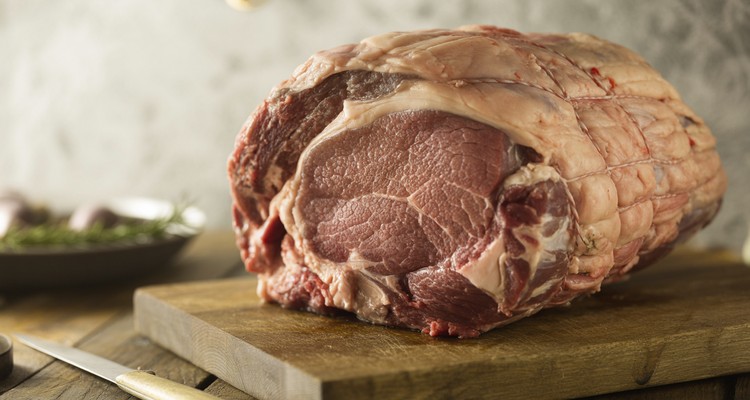
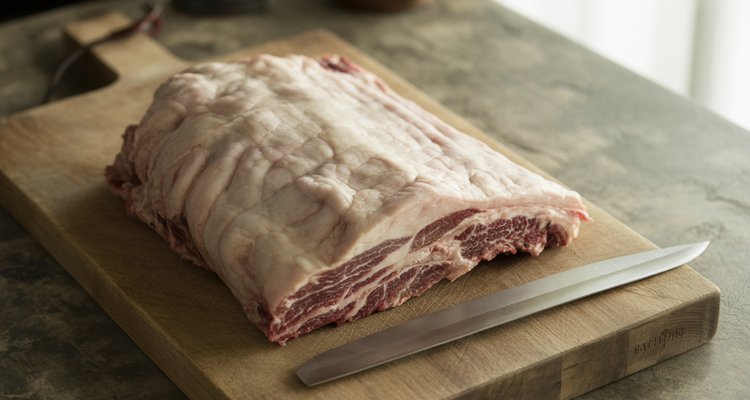
Top sirloin comes from the top of the sirloin primal, just behind the short loin. It carries enough marbling to stay juicy over direct heat while developing a deep, beefy crust. You’ll often see it labeled simply as “top sirloin steak” at the meat counter.
It’s the go-to choice for grilling, broiling, and cast iron pan-searing. Top sirloin sits in a sweet spot between the tenderness of a strip steak and the value of a chuck — great flavor, honest price, and reliable results at the grill.
Sirloin Tip: Lean and Flavorful
Sirloin tip — also called the knuckle — actually comes from the round primal, just adjacent to the sirloin. It’s significantly leaner and tougher than top sirloin, which means it doesn’t respond well to high-heat, quick-cook methods on its own. A marinade makes a real difference here.
It’s an excellent choice for kabobs, stews, and fajita-style steak strips. Thinly sliced and cooked fast over screaming-hot cast iron, sirloin tip delivers great flavor. Just don’t cook it past medium or it will turn chewy and dry.
How Thickness Impacts Cooking Method
Thickness is the single biggest factor in choosing a cooking method for sirloin steak. A thin steak will overcook before a crust can form; a thick steak needs gentle, even heat to cook through without scorching the exterior.
- Steaks over 1.5 inches thick: use the reverse sear method for perfectly even color edge to edge.
- Steaks 1 to 1.5 inches thick: direct grill or cast iron pan-sear works well.
- Thin strips or sirloin tip slices: high-heat, fast methods like stir-fry or fajita-style cooking.
How to Prepare Sirloin Steak for Perfect Results
Effective preparation for sirloin steak starts at least an hour before cooking. A dry brine develops flavor and promotes a better crust; a marinade adds tenderness and flavor to leaner cuts; a dry rub builds a seasoned crust right before the heat. Pick the method that matches your cut and your timeline.
The Power of a Dry Brine
A dry brine is the single most impactful thing you can do for a top sirloin steak before cooking. Salt draws moisture to the surface, which then gets reabsorbed and seasons the meat all the way through. The surface dries out, giving you the ideal conditions for a hard, caramelized crust.
Pat your steak completely dry, season it liberally with kosher salt on all sides, and place it on a wire rack set over a sheet pan. Refrigerate uncovered for at least 1 hour — or up to 24 hours for thicker cuts. Do not rinse before cooking; just pat dry again right before it hits the heat.
 Pitmaster Tip: The longer you dry brine, the more dramatically the surface dries out and the better your crust will be. An overnight brine on a 1.5-inch top sirloin transforms the sear you get in cast iron or on a grill.
When to Use a Marinade
A marinade is the right call for leaner, tougher cuts like sirloin tip, or when you want a specific flavor profile — citrus-forward for fajitas, soy and garlic for steak bites. A good marinade needs three things: an acid (lime juice, vinegar, or wine), oil to carry fat-soluble flavors, and aromatics like garlic, herbs, or spices.
Marinate sirloin tip for at least 30 minutes but no more than 8 hours. The acid in a marinade begins breaking down muscle fibers quickly; too long will produce a mushy texture rather than a tender one.
Always marinate in the refrigerator, never at room temperature.[USDA]
Applying a Simple Dry Rub
A dry rub builds surface flavor and crust, and is best applied just before cooking. Unlike a dry brine, rubs often include sugar — which can burn fast over high heat. Keep the heat managed and watch carefully if your rub contains brown sugar.
A simple rub that pairs well with dry-brined sirloin: coarse black pepper, garlic powder, and onion powder. The salt from the brine is already working; the rub adds the aromatic crust layer. Apply it right before the steak goes on the grill or into the pan.
Gear We Recommend for Sirloin Steaks
 Grill Tongs· Everyday essentialHeavy Duty Grill TongsThese tongs make turning and moving food on the grill easier.Why we picked it: it provides a secure grip for flipping sirloin steaks.
 Oil Sprayer· Everyday essentialRefillable Oil SprayerThis oil sprayer helps apply a light, even coat of oil before grilling.Why we picked it: it ensures even oil distribution for a perfect sirloin sear.
 Grill Brush· Pro pickBristle-Free Grill BrushThis brush cleans grill grates effectively without wire bristles.Why we picked it: it keeps your grates clean and safe for perfect sirloin results.
Essential Tools for Cooking Sirloin Steak
You don’t need a lot of fancy equipment to cook a great sirloin steak, but a few key tools make a significant difference in the final result. Having the right gear ensures you can control the process and achieve consistent doneness and a perfect crust.
- Instant-Read Thermometer: This is the most critical tool. It’s the only way to know the steak’s internal temperature accurately, eliminating guesswork and preventing overcooking.
- Cast Iron Skillet: For pan-searing, nothing beats cast iron. It retains heat exceptionally well, providing the high, even temperature needed for a deep, uniform crust.
- Wire Rack and Sheet Pan: This combination is essential for dry brining. It allows air to circulate around the entire steak, drying the surface for a better sear.
- Grill Tongs: A sturdy pair of long-handled tongs allows you to flip and move the steak without piercing it, which would let juices escape.
The Only Steak Temperature Chart You Need
Internal temperature — not cooking time — is the only reliable guide to doneness. Use an instant-read thermometer and pull the steak from the heat when it’s about 5°F below your target. Carryover cooking will carry it the rest of the way during the rest.
| Doneness | Description | Pull from Heat | Final Temp (after rest) |
|---|---|---|---|
| Rare | Cool red center | 120°F | 125°F |
| Medium-Rare | Warm red center | 130°F | 135°F |
| Medium | Warm pink center | 140°F | 145°F[USDA] |
| Medium-Well | Slightly pink center | 145°F | 150°F |
| Well-Done | Little to no pink | 155°F | 160°F |
The USDA’s minimum safe internal temperature for whole beef steaks is 145°F[USDA], which corresponds to medium doneness. Many experienced grillers prefer medium-rare at 135°F — a personal choice, not a food safety standard for whole muscle cuts.
Don’t Forget Carryover Cooking
Carryover cooking means the steak’s internal temperature continues to rise by about 5°F after you remove it from the heat source. This happens because the outer layers of the meat are hotter than the center, and that heat keeps moving inward even off the grill.
Always pull your sirloin steak 5°F short of your target final temperature. If you’re aiming for medium-rare at 135°F, pull it at 130°F and let it rest. This one habit separates overcooked steaks from perfect ones.
 Quick Facts: Always use an instant-read thermometer to ensure your sirloin steak reaches the desired doneness, pulling it 5°F below the target to account for carryover cooking during the rest.
5 Proven Beef Sirloin Steak Recipes
From a classic high-heat grill sear to the precision of a reverse sear, these five methods cover every scenario. Each recipe is designed to maximize the flavor and tenderness of sirloin steak, whether you’re using a thick-cut top sirloin or leaner sirloin tip. Follow these steps for consistent, delicious results.
Recipe 1: Classic Grilled Sirloin Steak
Grilling is the most direct route to a great sirloin steak — high heat, a two-zone setup, and a reliable thermometer are all you need. This method works best for top sirloin steaks between 1 and 1.5 inches thick.
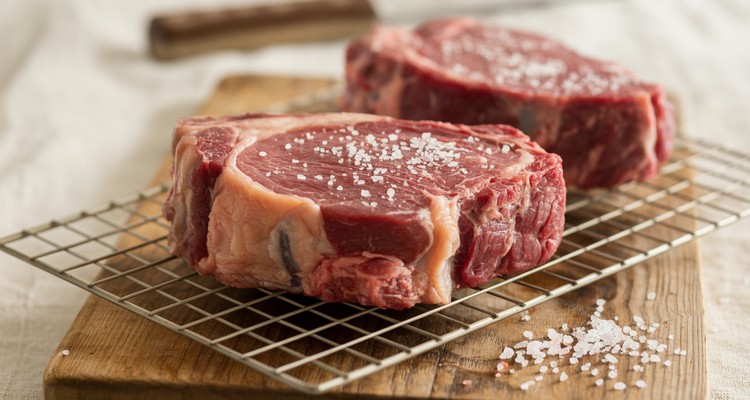
- Dry brine for at least 1 hour. Pat dry and season with cracked black pepper and garlic powder.
- Set up a two-zone grill — one side on high heat, one side on low or off.
- Sear over the hot side for 2-3 minutes per side until a crust forms.
- Move to the cooler side to finish cooking to your target internal temperature.
- Rest for 10 minutes before slicing against the grain.
Quick Facts: For a perfect grilled sirloin, ensure your steak is dry-brined and patted completely dry before searing on a two-zone grill to achieve a deep crust and even doneness.
Recipe 2: The Reverse Sear Method (Smoker + Grill)
The reverse sear is a highly effective method for thick-cut top sirloin steaks. Cook the steak slowly at low temperature, then finish with a ripping-hot sear for an even interior and a deep crust.
The result is impossible to achieve with direct heat alone.
- Dry brine for 1-24 hours. Pat dry before cooking.
- Set your smoker or oven to 225-250°F.
- Cook the steak slowly until the internal temperature is about 15°F below your final target (e.g., 115°F for medium-rare).
- Remove the steak and get a cast iron skillet or grill grates screaming hot.
- Sear for 60-90 seconds per side to build a deep crust without pushing the interior past your target.
- Rest for 10 minutes. Slice against the grain.
The reverse sear on a smoker adds a light layer of smoke flavor that works beautifully with the beefy richness of top sirloin. Use mild wood like oak or cherry — heavy smoke can overwhelm the steak.
Pro Tip: Getting a good crust on the grill depends on a completely dry surface. After dry brining, pat the steak dry with paper towels one more time right before it hits the grates. Any residual moisture will steam the surface instead of searing it.
Recipe 3: Perfect Pan-Seared Sirloin in Cast Iron
Cast iron and top sirloin are a natural match because the pan holds heat evenly and creates a deep crust quickly. Use high smoke point oil, then baste with butter near the end.
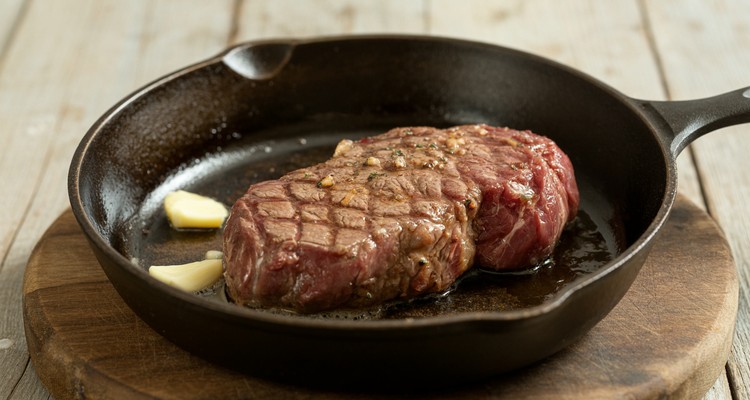
- Dry brine, then pat the steak completely dry. Moisture is the enemy of a good sear.
- Heat a cast iron skillet over high heat until it just begins to smoke.
- Add a high-smoke-point oil — avocado oil works well — and place the steak in the pan.
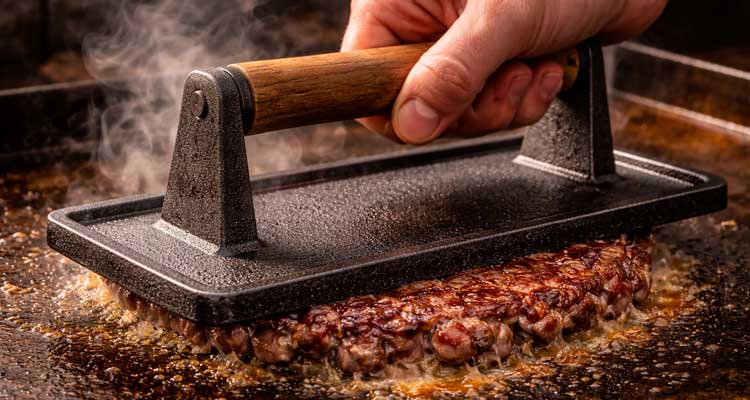
- Sear for 2-4 minutes per side, pressing lightly for even contact.
- Optional baste: reduce heat to medium, add butter, a smashed garlic clove, and fresh rosemary or thyme. Tilt the pan and spoon the hot butter over the steak for the last minute of cooking.
- Check temperature, remove from the pan, and rest 10 minutes before slicing.
Quick Facts: For pan-seared sirloin, ensure the steak is completely dry and the cast iron skillet is screaming hot with a high-smoke-point oil to achieve a deep, restaurant-quality crust.
Recipe 4: Quick Sirloin Steak Bites
Steak bites are an excellent use for top sirloin or marinated sirloin tip. They cook fast, develop incredible crust on every cut side, and work as a main dish or an appetizer. The key is cooking in a single layer and not crowding the pan.
- Cut steak into 1-inch cubes. Season with salt, pepper, and garlic powder — or toss in your marinade for 30-60 minutes.
- Heat a cast iron skillet or heavy pan over high heat with oil.
- Add the steak bites in a single layer. Cook in batches if needed to avoid steaming.
- Sear for 1-2 minutes per side until browned on all sides.
- Add butter and minced garlic for the last 30 seconds and toss to coat.
- Serve immediately — steak bites lose their crust fast once they cool.
Recipe 5: Sizzling Sirloin Steak Fajitas
Fajitas are the ideal use for sirloin tip or any sirloin that needs a marinade to shine. The acidic marinade does the tenderizing work, and high heat does the rest. Slice thinly and against the grain before marinating — not after — for even cooking.
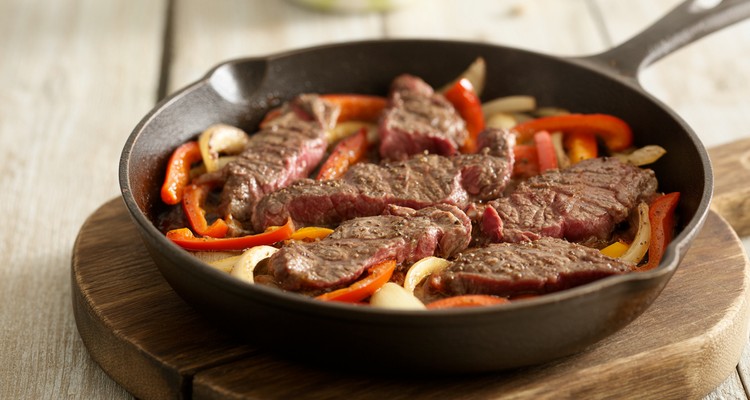
- Slice steak thinly against the grain. For sirloin tip, aim for strips about 1/4 inch thick.
- Marinate for 1-4 hours in a mix of lime juice, olive oil, cumin, chili powder, and garlic.
- Heat a cast iron skillet over high heat. Cook steak strips in a single layer for 1-2 minutes per side.
- Remove steak and cook sliced onions and bell peppers in the same pan until softened and charred at the edges.
- Add steak back at the end to reheat briefly. Serve immediately with warm tortillas.
Quick Facts: For sizzling sirloin fajitas, thinly slice sirloin tip against the grain and marinate for 1-4 hours before cooking quickly in a hot cast iron skillet with peppers and onions.
Common Mistakes to Avoid With Sirloin Steak
Even a great cut of sirloin can be ruined by a few common errors. Avoiding these pitfalls is just as important as following the right recipe steps. Pay attention to these details to ensure your steak comes out perfect every time.
- Not Patting the Steak Dry: Moisture is the enemy of a good sear. Any water on the surface will turn to steam, preventing a deep, brown crust from forming. Always pat the steak completely dry with paper towels before seasoning and cooking.
- Cooking a Cold Steak: Placing a cold steak straight from the fridge into a hot pan can lead to uneven cooking. Let your steak sit at room temperature for 30-60 minutes before it hits the heat.
- Overcrowding the Pan: When cooking steak bites or fajita strips, work in batches. Overcrowding the pan lowers the temperature and causes the meat to steam instead of sear, resulting in a gray, unappealing finish.
- Skipping the Rest: This is a critical step. Slicing into a steak immediately after cooking causes the juices to run out, leaving the meat dry. A 10-minute rest allows those juices to redistribute for a more flavorful and tender result.
The Final Steps: Resting and Slicing
How you finish a sirloin steak matters as much as how you cook it. Rushing the rest or slicing in the wrong direction can undo a perfectly executed cook. These two steps take just minutes and make a noticeable difference in every bite.
Why You Must Rest Your Steak
Resting gives the muscle fibers time to relax and reabsorb the juices that were pushed toward the center during cooking. Cut into a steak straight off the grill and those juices pour out onto the cutting board — leaving you with a drier steak than you started with.
For most sirloin steaks, a 10-minute rest is sufficient. Tent the steak loosely with foil if needed to hold heat, but don’t wrap it tightly — that traps steam and softens the crust you worked to build.
How to Slice Against the Grain for Maximum Tenderness
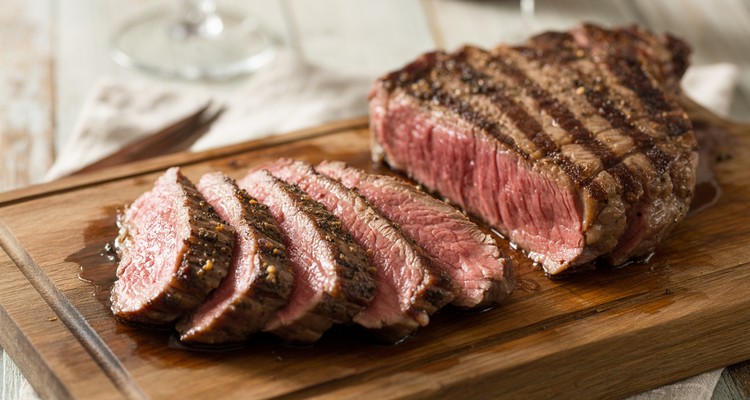
The grain refers to the direction the muscle fibers run through the steak, which you can see as parallel lines across the surface. Slicing with the grain leaves long, intact fibers that are tough to chew.
Slicing against — or perpendicular to — the grain shortens those fibers, making each bite dramatically more tender.
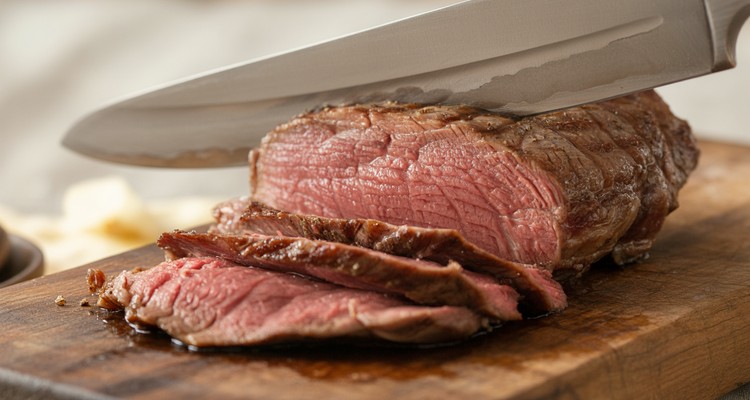
This step is especially important for sirloin tip and fajita strips, which are naturally tougher cuts. Even a perfectly cooked sirloin tip will feel chewy if sliced with the grain. Take a moment to identify the fiber direction before your knife touches the steak.
Pitmaster Tip: If you’re serving sirloin to a crowd, slice it all against the grain before it hits the platter. Pre-sliced steak shows off the cook, stays warm longer when the slices are fanned out, and makes it easier for guests to serve themselves without sawing.
Take Home Message
Mastering sirloin steak is about understanding the cut, precise temperature control, and proper resting and slicing techniques. Whether you opt for a quick pan-sear or a slow reverse sear, a perfectly cooked sirloin delivers incredible flavor and tenderness. By following these methods, you can consistently achieve restaurant-quality results at home, making sirloin a go-to for any occasion.
Frequently Asked Questions
How do you make sirloin steak not tough?
Start with top sirloin over sirloin tip when possible. Use a dry brine with kosher salt for at least 1 hour before cooking. Cook to no more than medium (135-145°F) and let the steak rest for 10 minutes after cooking.
Most importantly, always slice thinly against the grain — this single step has more impact on perceived tenderness than any other finishing move.
Should I marinate sirloin steak?
It depends on the cut. Tender top sirloin doesn’t need a marinade — a dry brine preserves its natural beefy flavor and produces a better crust. For leaner, tougher cuts like sirloin tip, a marinade is highly recommended.
The acidic ingredients help tenderize the meat and add moisture and flavor. Marinate for 30 minutes to 8 hours; longer than that can produce a mushy texture.
What’s the difference between top sirloin and sirloin tip steak?
Top sirloin comes from the sirloin primal and is significantly more tender and well-marbled, making it ideal for grilling and searing. Sirloin tip comes from the round primal and is much leaner and tougher. While flavorful, sirloin tip benefits from marinating and is better suited for kabobs, stews, or being sliced thinly for fajitas and steak bites.
Can you cook sirloin steak in an air fryer?
Yes, an air fryer works well for thinner sirloin cuts. Preheat to 400°F, season your steak, and cook for 7-10 minutes for medium-rare, flipping halfway through. It won’t produce the same deep crust as cast iron or a grill, but it’s a convenient option.
Always use an instant-read thermometer to confirm the internal temperature rather than relying on the timer.
Is sirloin good for smoking and reverse searing?
Top sirloin is an excellent candidate for the reverse sear, especially for steaks 1.5 inches or thicker. The low-and-slow phase on a smoker at 225-250°F gives you even interior doneness with a hint of smoke, and the final high-heat sear builds the crust.
Use mild wood like oak or cherry — the goal is a light smoke accent, not an overpowering smoke flavor.
How long should I dry brine a sirloin steak?
A minimum of 1 hour produces a noticeable improvement in flavor and crust quality. For optimal results on a top sirloin 1 inch or thicker, dry brine overnight — up to 24 hours. The surface will look somewhat dry and tacky when you pull it from the fridge, which is exactly what you want.
That dry surface translates directly to a better sear.
What can I do with leftover sirloin steak?
Leftover sirloin reheats best in a warm skillet over low heat with a splash of beef broth to keep it from drying out. It’s also excellent cold, sliced thin over a salad or in a steak sandwich. Slice it against the grain before storing so leftovers are easy to use.
Refrigerate in an airtight container and use within 3 days for optimal quality.[USDA]
What oil should I use to sear a sirloin steak?
Use an oil with a high smoke point for searing — avocado oil, refined grapeseed oil, or refined coconut oil are all good choices. Olive oil has a lower smoke point and will smoke heavily at the temperatures needed for a good sear.
You can finish with butter for flavor during the baste, but start with a high-heat oil to get the pan to searing temperature without burning.
The Ultimate Beef Sirloin Steak Recipe
Equipment
- Instant-read thermometer Essential for checking doneness accurately.
- Grill or Cast Iron Skillet For searing the steak.
- Wire rack and sheet pan For dry brining the steak in the refrigerator.
Ingredients
For the Steak
- 2 lbs top sirloin steak about 1.5 inches thick
- 1 tbsp kosher salt for the dry brine
For the Simple Dry Rub
- 1 tbsp coarse black pepper
- 1 tsp garlic powder
- 1 tsp onion powder
Instructions
- Pat the top sirloin steak completely dry with paper towels.
- Season the steak liberally on all sides with kosher salt. This is the dry brine.
- Place the salted steak on a wire rack set over a sheet pan and refrigerate, uncovered, for at least 1 hour or up to 24 hours.
- When ready to cook, pat the steak dry again. Do not rinse off the salt.
- In a small bowl, combine the coarse black pepper, garlic powder, and onion powder. Apply this dry rub to all sides of the steak.
- Preheat your grill or cast iron pan to high heat. Cook the steak to your desired doneness, using an instant-read thermometer to check the internal temperature.
- For medium-rare, pull the steak from the heat when the internal temperature reaches 130°F. The temperature will rise to 135°F during the rest.
- Transfer the steak to a cutting board and let it rest for 10 minutes before slicing thinly against the grain to serve.
Notes