Smoking a ribeye roast transforms a premium cut of beef into an unforgettable centerpiece, perfect for a holiday roast or any special occasion. This guide walks you through every step, from selecting the right grade beef to carving the perfect slice. Our tested smoked prime rib recipe ensures a deeply smoky, tender roast with a flavorful crust every time.
Quick Summary
- Choosing Your Roast: A ribeye roast is the same cut as prime rib, available bone-in or boneless. Bone-in offers more even cooking and flavor, while boneless is easier to carve. Opt for USDA Prime or Choice for best results.
- Key Takeaway: Low-and-Slow Smoking – Smoking at 225-250°F gently renders fat, creating an exceptionally tender, moist roast with deep smoky flavor. Use a leave-in thermometer and pull 10-15°F below your target doneness to account for carryover cooking.
- Perfect Crust with a Reverse Sear: After smoking, a high-heat reverse sear at 450-500°F for 2-3 minutes per side creates a rich, flavorful crust. This quick sear prevents overcooking the interior while maximizing bark development.
- Resting is Key: Always rest your smoked ribeye roast for at least 20-30 minutes after searing. This allows the juices to redistribute, ensuring a succulent, juicy slice every time.
What Is a Ribeye Roast (and Is It Prime Rib)?
A ribeye roast is a cut of beef from the rib primal section, located between the chuck and the loin. It is the same cut as a prime rib roast. The term “prime rib” technically refers to a rib roast that has earned the USDA Prime grade, but it’s often used more broadly.
A ribeye roast can be Prime, Choice, or Select grade beef. The grade is determined by the amount of intramuscular fat, or marbling. Higher grade beef like Prime will have more marbling, resulting in a richer, more tender final product after smoking.
Bone-In vs. Boneless Ribeye Roast
Both bone-in and boneless options will produce a delicious smoked ribeye roast. The right choice depends on your priorities for cooking and serving.
A bone-in roast — often called a standing rib roast — offers more even cooking because the bones act as insulation against direct heat. The bones also add a natural rack that keeps the meat elevated on the smoker grate. Many pitmasters say bone-in roasts develop richer flavor during the long smoke.
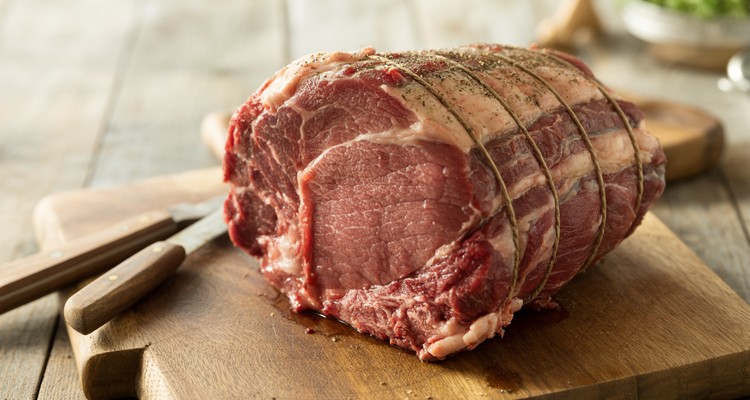
A boneless roast is easier to carve and allows seasoning to reach all surfaces. Butchers typically roll and tie boneless roasts with butcher’s twine to maintain a uniform shape, which promotes even cooking. If buying boneless, ask your butcher to tie it for you if they haven’t already.
Why Smoke a Ribeye Roast?
Smoking is an ideal cooking method for a large, well-marbled cut like a ribeye roast. The low-and-slow heat gently renders the intramuscular fat, making the beef exceptionally tender and moist. This process also infuses the meat with a deep, smoky flavor that oven roasting simply cannot replicate.
The key advantage is control. A smoker maintains a steady, low temperature for hours — no hot spots, no flare-ups. That consistent heat turns a tough, collagen-rich cut into something tender enough to slice through with minimal effort.
 Quick Facts: Smoking a ribeye roast at low temperatures (225-250°F) ensures a tender, juicy result by slowly rendering the fat and infusing the meat with a rich, smoky flavor that cannot be achieved with other cooking methods.
Key Temperatures for a Smoked Ribeye Roast
The most important rule for smoking a ribeye roast is to cook to internal temperature, not time. Set your smoker to 225-250°F and use a reliable leave-in probe thermometer to monitor progress. Pull the roast from the smoker 10-15°F below your target doneness to allow for carryover cooking during the rest.
Ribeye Roast Doneness Temperature Chart
Use this chart as your reference for pulling temperature and final resting temperature. The USDA recommends a minimum internal temperature of 145°F for beef roasts, followed by a 3-minute rest.[USDA]
| Doneness | Pull from Smoker | Final Temp After Rest | Description |
|---|---|---|---|
| Rare | 115-120°F | 125-130°F | Cool, bright red center |
| Medium-Rare | 125-130°F | 130-135°F | Warm, deep red to pink center |
| Medium | 135-140°F | 140-145°F | Warm, light pink center |
| Medium-Well | 145-150°F | 150-155°F | Mostly brown, slight pink trace |
 Pitmaster Tip: Most pitmasters smoke ribeye roast to medium-rare (125-130°F pull temperature). That’s where the marbling shines — the fat is fully rendered and the meat is deeply juicy. Once you go past 140°F internal, you’re losing that buttery texture.
How Long to Smoke a Ribeye Roast
Cooking time depends on the size of your roast and your smoker temperature. These estimates are starting points — always confirm with a thermometer.
- At 225°F: approximately 35-40 minutes per pound for a medium-rare finish
- At 250°F: approximately 30-35 minutes per pound
- Example: a 10-pound roast at 225°F can take 6-7 hours
- A 20-pound roast at 225-250°F can take 10-14 hours — plan accordingly and consider starting the night before
Helpful gear for this cook:
- extra-long stainless steel rib rack — keeps slabs upright and improves smoker capacity
- Spice Guru BBQ rub set — gives you several BBQ seasoning options for the cook
- Hotec stainless steel kitchen tongs — make turning and moving food easier
Equipment and Ingredients
Essential Equipment
- Smoker (pellet grill, offset smoker, electric smoker, or charcoal smoker)
- Leave-in probe thermometer or instant-read thermometer
- Large cutting board and sharp carving knife
- Butcher’s twine (for boneless roasts)
- Roasting pan with a rack (optional but helpful)
Wood Selection for Smoking Ribeye Roast
Wood choice directly affects the flavor profile of your smoked prime rib. Hardwoods complement the rich flavor of grade beef better than lighter fruit woods used for poultry.
- Oak: a classic, medium smoke with a clean beef-forward flavor
- Hickory: bold, assertive smoke — use in moderation to avoid bitterness
- Pecan: a balanced, slightly sweet smoke that works well with the fat in a rib roast
- Cherry: mild and slightly sweet — pairs well with oak for a nuanced smoke profile
Pro Tip: A 50/50 blend of oak and cherry gives you a clean base smoke with a subtle sweetness that complements the beefy richness of a ribeye roast without overpowering it.
How to Smoke a Ribeye Roast: Step-by-Step
To smoke a ribeye roast, season it generously and let it rest. Prepare your smoker to 225°F and smoke the roast until it reaches about 10-15°F below your target temperature. Finish with a high-heat reverse sear for a flavorful crust, then rest the meat for at least 20 minutes before carving.
Step 1: Prepare the Roast
Pat the ribeye roast thoroughly dry with paper towels because surface moisture slows bark formation. For a boneless roast, tie it with butcher twine every 1.5-2 inches so it cooks evenly.
Step 2: Apply the Dry Rub and Dry Brine
Combine coarse kosher salt, coarsely ground black pepper, garlic powder, and onion powder in a small bowl. Lightly coat the roast’s surface with olive oil or beef tallow as a binder to help the seasoning adhere, then apply the rub generously on all sides.
For optimal results, place the seasoned roast uncovered on a rack in the refrigerator overnight — or up to 24 hours. This overnight rest acts as a dry brine: the salt draws moisture to the surface, dissolves, and reabsorbs back into the meat. The result is deeper flavor penetration and a better crust.
Pitmaster Tip: You don’t need an exotic rub for smoked ribeye roast. Salt, pepper, garlic, and onion — the “SPOG” rub — lets the quality of the beef and the smoke shine. Save the complex rubs for competition meats.
Step 3: Set Up Your Smoker
Preheat your smoker to 225°F and allow it to stabilize at temperature before placing the roast inside. Add your chosen wood — oak, pecan, or hickory work well for a rib roast. Place a water pan inside the smoker to help maintain humidity and prevent the surface of the roast from drying out during the long cook.
Step 4: Smoke to Target Temperature
Place the roast directly on the smoker grate or on a rack in a roasting pan. Insert a leave-in probe thermometer into the thickest part of the roast, avoiding bone if present. Smoke at 225-250°F until the internal temperature reads 10-15°F below your desired final doneness (see chart above).
Step 5: The Reverse Sear (Optional but Recommended)
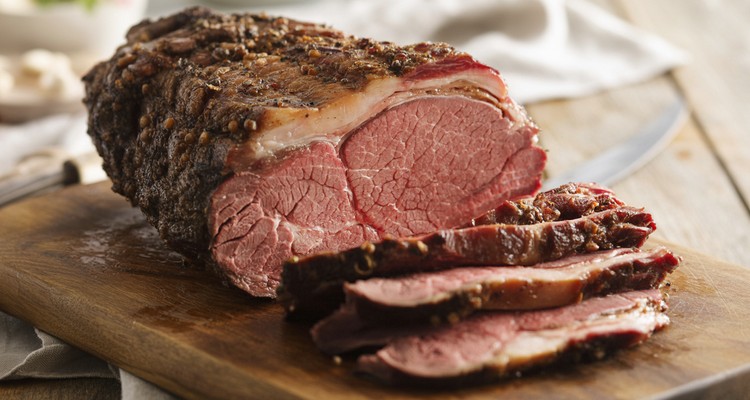
Remove the roast from the smoker when it hits your pull temperature. Tent it loosely with foil while you increase the smoker or a separate grill temperature. While some methods use a lower temperature of 400 degrees F for searing the roast, we recommend a higher heat of 450-500°F for a superior crust.
This higher temperature range creates a deep brown crust more quickly, preventing the roast’s internal temperature from overshooting your target. Once preheated, sear the roast for 2-3 minutes per side until the crust is well-formed on all surfaces.
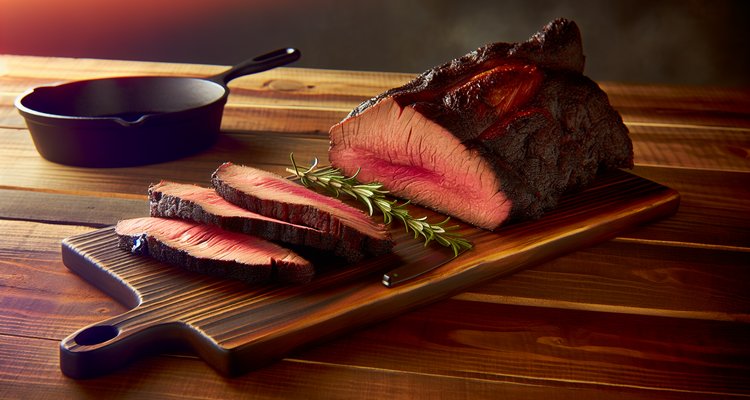
Alternatively, sear the roast in a ripping-hot cast-iron skillet with butter and fresh herbs like rosemary and thyme. This produces a beautiful mahogany crust and adds an herbal aroma.
Pro Tip: When reverse searing on the smoker, remove the water pan and open all vents wide to let the temperature climb as fast as possible. The quicker you hit 450°F, the less carryover cooking affects your target doneness.
Step 6: Rest, Carve, and Serve
Transfer the seared roast to a cutting board and tent loosely with foil. Let it rest for at least 20 minutes — 30 minutes is even better for a large roast. Resting allows the juices to redistribute throughout the meat so they don’t run out when you carve.
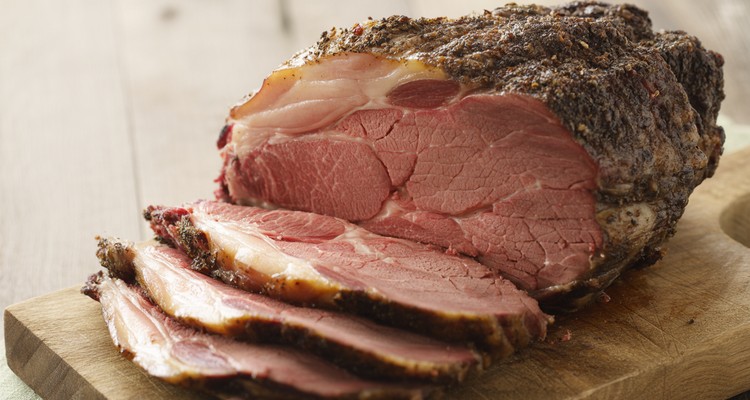
Carve against the grain into your desired thickness. For a bone-in roast, cut along the bones first to free the meat, then slice. Serve immediately with your chosen sauces and sides.
Smoked Ribeye Roast Recipe
This smoked ribeye roast recipe uses low-and-slow heat to build smoke flavor, then a hot reverse sear to create a deep crust. Cook to temperature, rest thoroughly, and carve across the grain for juicy slices.
Serving Your Smoked Ribeye Roast
A smoked ribeye roast pairs naturally with classic steakhouse sides. A creamy horseradish sauce is the quintessential pairing, as its sharp flavor cuts through the rich, fatty beef. For a simple but effective sauce, combine prepared horseradish, sour cream, and a touch of Dijon mustard.
A simple au jus made from the drippings collected in your roasting pan also adds another layer of beefy flavor. For sides, roasted garlic mashed potatoes, grilled asparagus, and creamed spinach are crowd-pleasing choices that hold up alongside the bold flavors of smoked prime rib.
Pitmaster Tip: Make your horseradish sauce the day before and let it sit overnight in the refrigerator. The flavors will meld and mellow. Combine prepared horseradish, sour cream, Dijon mustard, a splash of Worcestershire sauce, and a pinch of salt and pepper for a complete sauce.
Take Home Message
Smoking a ribeye roast is a rewarding process that yields a tender, flavorful centerpiece for any special occasion. By following this smoked prime rib recipe, monitoring the internal temperature closely, and finishing with a reverse sear, you can achieve a deeply smoky, juicy roast with a perfect crust.
Remember to allow ample resting time for the consistent results, ensuring every slice is as succulent as possible.
Frequently Asked Questions
How long do you smoke a ribeye roast?
Plan on 35-40 minutes per pound at 225°F, or 30-35 minutes per pound at 250°F for a medium-rare finish. A 10-pound roast at 225 degrees F takes roughly 6-7 hours. Always cook to internal temperature rather than time — a reliable thermometer is the most important tool you have.
Is a ribeye roast the same as a prime rib roast?
They are the same cut of beef. “Prime rib” technically describes a rib roast graded USDA Prime, but the term is commonly used for any bone-in rib roast regardless of grade. A ribeye roast can be Prime, Choice, or Select grade beef — the smoked prime rib recipe and cooking method are identical for all three grades.
What Wood to Use for Smoking a Ribeye Roast?
Oak is the most versatile choice — it produces a clean, medium smoke that complements beef without overpowering it. Pecan and hickory are strong alternatives. Cherry adds a mild sweetness and a deeper mahogany color to the bark.
Avoid mesquite for long cooks, as it can turn bitter over several hours.
Should I smoke a ribeye roast bone-in or boneless?
Both work well. A bone-in roast offers more even cooking and arguably better flavor because the bones contribute to the overall heat distribution and richness. A boneless roast is easier to carve and allows complete seasoning coverage.
For a holiday roast centerpiece, bone-in is the traditional and impressive choice.
What is the “500 rule” for rib roast?
The 500 rule is an oven-roasting method: cook the rib roast at 500°F for a calculated number of minutes, then shut off the oven and let the roast finish in the residual heat without opening the door. It does not apply to smoking, which uses a consistent low-and-slow temperature throughout the entire cook.
Stick to the smoker method for smoked prime rib recipe results.
What is the 4-hour rule for smoking meat?
The 4-hour rule is a food safety guideline stating meat should not stay in the “danger zone” of 40-140°F for more than four hours total.[USDA] This is the temperature range where bacteria multiply most rapidly.
At a smoker temperature of 225-250°F, your roast will pass through this zone quickly. To maintain a safe cook, keep your smoker temperature steady and avoid opening the lid repeatedly.
How long should I rest a smoked ribeye roast after smoking?
Rest the roast for at least 20-30 minutes after the final sear. For large roasts of 8-10 pounds or more, 30 minutes is ideal. This rest period is crucial for allowing the internal juices to redistribute evenly throughout the meat.
If you skip the rest, those juices will flow out immediately when you start carving, resulting in a drier final product.
Are ribeyes good for smoking?
Yes — ribeye cuts are an excellent choice for smoking because of their high intramuscular fat content (marbling). That fat renders slowly at 225-250°F, basting the meat from within and keeping it moist through the long cook.
Whether it’s a whole rib roast or individual ribeye steaks, the cut’s natural richness shines when exposed to low-and-slow smoke heat.
Smoked Ribeye Roast
Equipment
- Smoker Pellet grill, offset, electric, or charcoal smoker
- Leave-in Probe Thermometer Essential for monitoring internal temperature
- Large cutting board For preparation and carving
- Sharp carving knife
- Butcher's twine Required for boneless roasts
Ingredients
For the Ribeye Roast
- 1 (8-10 lb) ribeye roast bone-in or boneless
- 2 tbsp olive oil or beef tallow as a binder
For the SPOG Dry Rub
- 1/4 cup coarse kosher salt
- 1/4 cup coarsely ground black pepper
- 2 tbsp garlic powder
- 2 tbsp onion powder
Instructions
- Pat the ribeye roast thoroughly dry with paper towels. If using a boneless roast, tie it with butcher's twine every 1.5-2 inches to maintain a uniform shape for even cooking.
- In a small bowl, combine the coarse kosher salt, coarsely ground black pepper, garlic powder, and onion powder. Lightly coat the roast's surface with olive oil or beef tallow as a binder, then apply the rub generously on all sides.
- Place the seasoned roast on a wire rack set inside a baking sheet. Refrigerate uncovered overnight, or for at least 8 and up to 24 hours, to allow the dry brine to penetrate the meat.
- Preheat your smoker to 225°F. Add your preferred wood for smoking, such as oak, hickory, or a blend of oak and cherry.
- Place the roast directly on the smoker grate. Insert a leave-in meat thermometer into the thickest part of the roast, making sure to avoid any bones. Smoke until the internal temperature is 10-15°F below your desired final temperature (e.g., pull at 125°F for a final medium-rare).
- Once the target temperature is reached, remove the roast from the smoker and tent loosely with foil. For a superior crust, perform a reverse sear by increasing your smoker or grill temperature to 500°F. Sear the roast for 1-2 minutes per side until a dark, flavorful crust develops.
- Transfer the roast to a large cutting board. Let it rest for at least 20 minutes before carving. The internal temperature will continue to rise 5-10°F during this rest.
- Carve the roast against the grain into your desired thickness. If using a bone-in roast, slice the bones off first, then carve the roast. Serve immediately.
Notes