Beef chuck steak is one of the most flavorful cuts at the butcher counter — and one of the most misunderstood. Too many home cooks throw it over high heat without preparation and wonder why it chews like a boot. The secret is knowing which cooking method to use and why.
This guide covers the science behind making chuck steak tender, plus three proven cooking methods: grilling hot and fast, smoking low and slow, and braising in the oven. Whether you want a seared steak dinner tonight or pull-apart beef for tacos this weekend, you will find the right technique here.
Quick Summary
- Chuck Steak Basics — A flavorful but tough cut from the cow’s shoulder, rich in collagen that requires specific cooking methods to tenderize.
- Tenderizing Methods — Use marinades (acid-based), mechanical tenderizers, or low-and-slow heat (braising/smoking) to break down collagen. Slicing against the grain is also crucial.
- Cooking Approaches — Grill 1-1.5 inch thick steaks to medium-rare after marinating. Smoke thicker cuts (2+ inches) to 203-205°F for pulled beef. Braise in a Dutch oven for fork-tender results.
- Leftovers & Tacos — Smoked or braised chuck steak makes excellent tacos. Store leftovers in their cooking liquid to maintain moisture and reheat gently.
What Is Beef Chuck Steak?
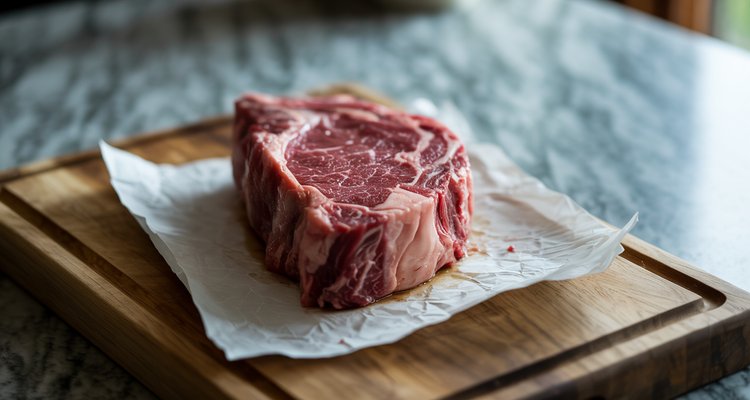
Beef chuck steak is a cross-cut portion sliced from the chuck roast — the shoulder and neck region of the cow. It is the same primal cut as a chuck roast, just cut into individual steak-shaped slices rather than left as a large roast.
Why Chuck Steak Can Be Tough (But Flavorful)
The shoulder is one of the most-worked muscle groups on a cow, which means chuck steak contains a significant amount of connective tissue — primarily collagen. That collagen is what makes the cut tough when cooked quickly at high heat.
The flip side is rich, deep beefy flavor that rivals far more expensive cuts. Fat is woven throughout the shoulder muscles, and the effort those muscles put in during the animal’s life is exactly what develops that intense flavor. You just need to give the collagen the right conditions to break down.
Two things dissolve collagen: acid (from a marinade) and sustained heat over time (from braising or smoking). Understanding that principle is the foundation of every beef chuck steak recipe that actually works.
Helpful gear for this cook:
- Hotec stainless steel kitchen tongs — make turning and moving food easier
- Spice Guru BBQ rub set — gives you several BBQ seasoning options for the cook
- TempPro TP20 500FT Wireless Meat Thermometer with Dual Meat — helps verify doneness without guessing
How to Make Chuck Steak Tender: 4 Key Methods
The four most reliable ways to tenderize chuck steak are marinating, dry brining, mechanical tenderizing, and using low-and-slow heat. These methods work by breaking down tough connective tissue chemically, physically, or with sustained heat. For an excellent outcome, you can even combine these techniques for maximum flavor and tenderness.
Method 1: Marinades and Brines
A good marinade combines an acid, a fat, and aromatics. The acid — vinegar, citrus juice, or even buttermilk — begins breaking down tough muscle fibers on the surface. The fat carries fat-soluble flavors into the meat, and the aromatics (garlic, herbs, soy sauce) build flavor complexity.
A simple, reliable chuck steak marinade uses these ingredients in a bowl or zip bag:
- 3 tablespoons olive oil
- 2 tablespoons soy sauce
- 1 tablespoon Worcestershire sauce
- 1 tablespoon red wine vinegar or apple cider vinegar
- 3 cloves garlic, minced
- 1 teaspoon black pepper
- 1 teaspoon onion powder
A dry brine is an even simpler option: salt the steak generously on both sides (about 1 teaspoon kosher salt per pound) and let it rest uncovered in the refrigerator for 4-24 hours. The salt draws moisture out, then the meat reabsorbs it, seasoning deeply and helping it retain juice during cooking.
 Pitmaster Tip: Marinate chuck steak in an acid-based marinade for at least 4 hours — ideally overnight. Less than 4 hours adds flavor but has minimal tenderizing effect on the deeper muscle fibers.
Method 2: Mechanical Tenderizing
A bladed meat tenderizer — sometimes called a Jaccard — physically punctures the muscle fibers with dozens of small needles. This directly shortens the tough fiber strands and opens channels that let marinade penetrate much faster and deeper than surface diffusion alone.
Run the tenderizer over both sides of the chuck steak before adding it to your marinade. You will get better marinade absorption in a shorter time — useful when you do not have a full overnight to marinate.
Method 3: Low-and-Slow Heat
Collagen begins converting to gelatin around 160-180°F and completes the transformation when the internal temperature climbs past 200°F and stays there long enough for the tissue to fully melt.
This is the science behind braising and smoking chuck steak: sustained low heat over several hours turns that tough connective tissue into rich, silky gelatin that makes the beef feel fork-tender and moist.
Low-and-slow cooking is the most forgiving method — you cannot really overcook a braised or smoked chuck if you monitor internal temperature and probe feel rather than relying on the clock alone.
Method 4: Slicing Against the Grain
No matter which cooking method you use, how you slice chuck steak dramatically affects its perceived tenderness. Muscle fibers run in a consistent direction — the “grain.” Slicing parallel to those fibers leaves long, chewy strands of fiber in every bite.
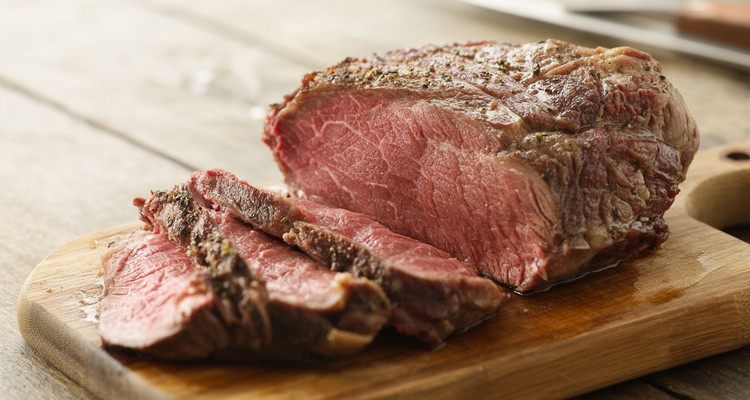
Slicing perpendicular to the grain — against it — cuts those fibers short. Each bite contains only short fiber segments that require much less chewing force. For grilled chuck steak especially, thin slices cut against the grain can be the difference between a mediocre result and an excellent one.
Pro Tip: Before cooking, look at the raw steak and identify the direction the muscle fibers run. Make a small mental note or mark the end of the steak so you know which direction to slice once the meat is cooked.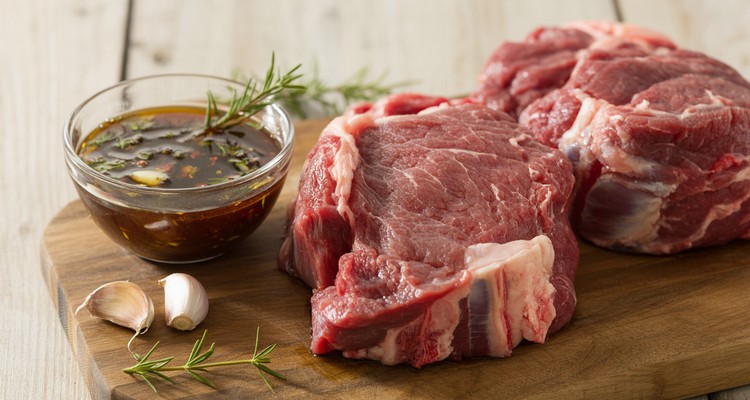
Choosing the Right Beef Chuck Steak
When shopping for chuck steak, look for cuts that are at least one inch thick, especially for grilling. Consistent thickness ensures even cooking. Good marbling—the fine threads of intramuscular fat—is also key, as this fat will render during cooking, adding moisture and flavor to the final dish.
Grilled Chuck Steak Recipe (Hot and Fast)
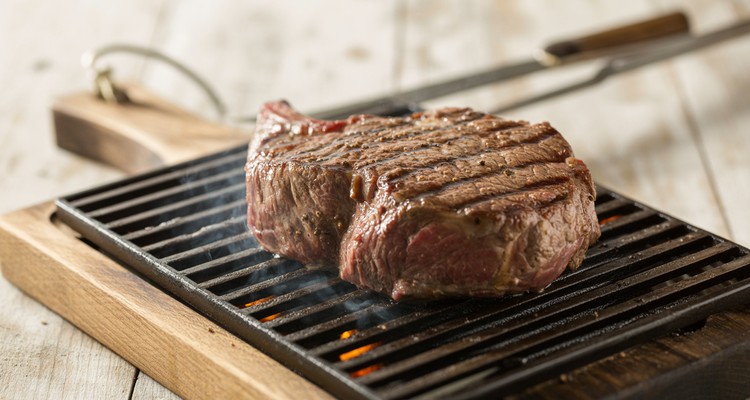
Grilling is the right choice when your chuck steak is 1 to 1.5 inches thick and has been marinated or mechanically tenderized. The goal is a deeply seared crust with a juicy interior — cook it too far past medium and the fibers tighten before the collagen has time to break down.
Ingredients and Equipment
Ingredients: 1.5 lbs chuck steak (1-1.5 inches thick), all-purpose marinade (recipe above), kosher salt, black pepper, neutral oil for the grates.
Equipment: Gas or charcoal grill, instant-read thermometer, tongs, paper towels.
Instructions
- Marinate the chuck steak in the refrigerator for at least 4 hours, up to 24 hours.
- Remove the steak from the marinade and pat both sides completely dry with paper towels. Dry surfaces sear — wet surfaces steam.
- Set up a two-zone grill: one side banked high for searing, one side on low (or off) for indirect finishing. Preheat until the hot side is ripping hot.
- Oil the grates lightly. Place the steak on the hot side and sear for 2-3 minutes per side until a deep crust forms. Do not move it during the sear.
- Move the steak to the cooler side and continue cooking with the lid closed until the internal temperature reaches your target (see doneness table below).
- Rest the steak for at least 10 minutes before slicing. Slice thinly against the grain and serve immediately.
Beef Chuck Steak Doneness Temperature Chart
| Doneness | Internal Temp (°F) | What to Expect | Notes |
|---|---|---|---|
| Medium-Rare | 130-135°F | Warm red center, juicy and most tender for grilling | Recommended for marinated, grilled chuck steak |
| Medium | 135-145°F | Warm pink center, slightly firmer texture | Acceptable but less juicy than medium-rare |
| Medium-Well | 145-155°F | Slightly pink center, noticeably firmer | USDA minimum safe temperature for beef steaks is 145°F with a 3-minute rest[USDA] |
| Well Done (Steak) | 155°F+ | No pink, can be dry without a marinade | Not recommended for grilling — consider braising instead |
| Braised / Smoked (Pull) | 203-205°F | Fork-tender, collagen fully rendered to gelatin | Target for low-and-slow cooking methods only |
Smoked Chuck Steak Recipe (Low and Slow for Pulled Beef)
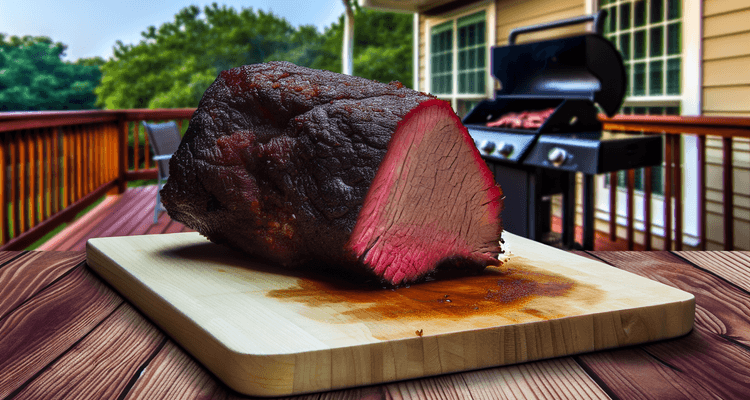
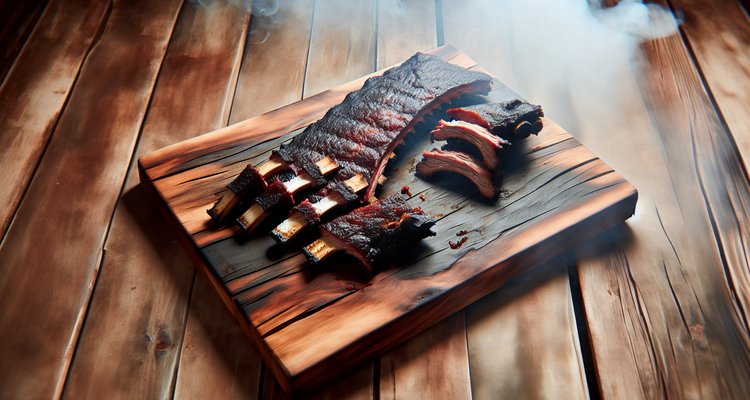
Smoking is the method to choose when you want brisket-style pulled beef with a dark bark and deep smoke flavor. This works best on thicker cuts — 2 inches or more — and produces results that shred easily into tacos, sandwiches, or rice bowls.
Ingredients and Equipment
Ingredients: 2-3 lb chuck steak or thick cross-cut, yellow mustard or neutral oil as a binder, simple BBQ rub (equal parts kosher salt and black pepper, plus garlic powder and smoked paprika).
Equipment: Smoker, butcher paper or heavy-duty aluminum foil, instant-read thermometer, cooler for resting.
Instructions
- Preheat your smoker to 250°F using your preferred wood — oak, hickory, or pecan all work well with beef chuck.
- Apply a thin coat of mustard or oil all over the chuck steak to act as a binder. Season generously on all sides with the rub, pressing it into the surface.
- Place the chuck steak in the smoker fat-side up. Smoke uncovered until the internal temperature reaches approximately 165°F and a dark, firm bark has formed on the surface. This typically takes 3-4 hours but use temperature as your guide, not time.
- Wrap the smoked chuck tightly in butcher paper or two layers of foil. Return it to the smoker.
- Continue cooking wrapped until the internal temperature hits 203-205°F and the probe slides through with no resistance — like probing room-temperature butter. This is tenderness, not just temperature.
- Move the wrapped beef chuck to a cooler lined with towels. Let it rest for at least 1 hour. This rest is not optional — it allows the gelatin to redistribute and the fibers to reabsorb moisture.
- Pull apart into chunks or shreds. Serve immediately or store.
Pitmaster Tip: Smoked chuck steak can stall at around 160-170°F — just like brisket. The temperature will plateau and appear stuck for an hour or more. This is normal. Do not raise the heat. The wrap will push it through the stall.Braised Chuck Steak Recipe (Fork-Tender Oven Method)
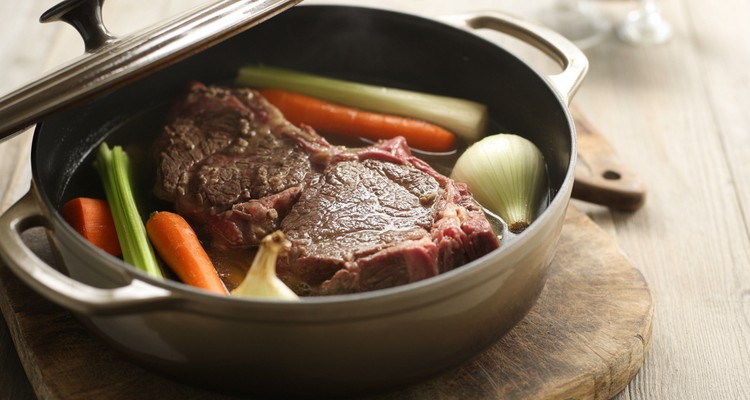
Braising is the most reliable path to fork-tender beef chuck steak, and it requires no special equipment beyond a Dutch oven or heavy pot with a lid. The beef cooks in a savory liquid that becomes a rich, ready-to-serve sauce.
Ingredients and Equipment
Ingredients: 2 lbs chuck steak (any thickness), kosher salt and black pepper, 2 tablespoons neutral oil, 1 medium onion (diced), 2 carrots (sliced), 2 celery stalks (sliced), 4 cloves garlic (smashed), 1 cup dry red wine or extra beef broth, 1.5 cups beef broth, 2 sprigs fresh thyme, 2 bay leaves.
Equipment: Dutch oven or heavy oven-safe pot with a lid, instant-read thermometer or fork.
Instructions
- Preheat your oven to 325°F.
- Pat the chuck steak dry on all sides with paper towels. Season generously with salt and pepper.
- Heat oil in the Dutch oven over medium-high heat until shimmering. Sear the steak 3-4 minutes per side until deeply browned. Work in batches if needed — do not crowd the pot. Remove and set aside.
- Reduce heat to medium. Add onion, carrots, and celery to the pot. Cook for 5 minutes until softened. Add garlic and cook 1 more minute.
- Pour in the wine or extra broth and scrape up any browned bits stuck to the bottom. Those bits are concentrated flavor.
- Return the seared chuck steak to the pot. Add broth until liquid comes halfway up the sides of the meat. Tuck in the thyme and bay leaves.
- Bring to a gentle simmer, then cover and transfer to the oven. Cook for 2.5-3 hours until the beef is completely fork-tender — a fork should meet no resistance when pressed into the center.
- Remove bay leaves and thyme sprigs. Rest the beef in the braising liquid for 10 minutes before serving.
Chuck Steak Tacos and Leftovers
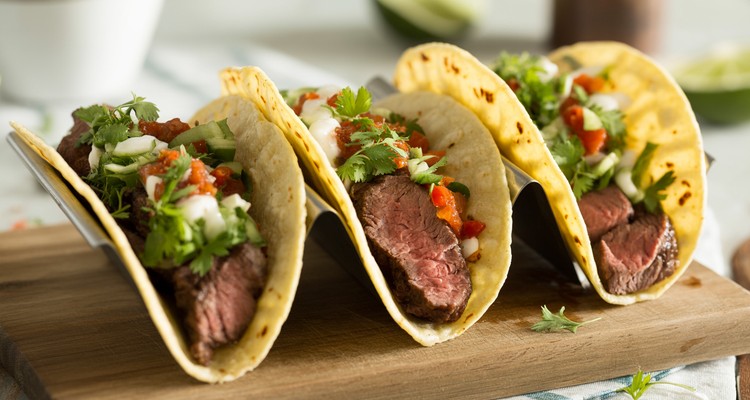
Smoked or braised chuck steak is exceptional in tacos. The shredded beef is already deeply flavored and juicy, making it an excellent taco filling you can prepare. This is a great use for leftover beef from a larger smoke or braise session.
How to Make Chuck Steak Tacos
Shred or coarsely chop cooled smoked or braised chuck steak into bite-sized pieces. Warm corn tortillas directly over a gas burner or in a dry skillet until pliable and slightly charred at the edges.
Fill each tortilla with a generous portion of beef. Top with diced white onion, fresh cilantro, crumbled cotija cheese, and a squeeze of lime. A simple salsa verde or tomato salsa rounds it out.
Serve two to three tacos per person.
Storing and Reheating Leftover Chuck Steak
Store leftover chuck steak in an airtight container in the refrigerator for up to 4 days[USDA]. For braised beef, store it submerged in its cooking liquid — this prevents it from drying out and makes reheating easier. Smoked chuck can be stored dry or with a splash of beef broth.
To reheat grilled slices, use a skillet over low heat with a splash of broth and cover with a lid for 2-3 minutes. For braised or smoked beef, reheat gently in a covered saucepan with some of its juices, or in the microwave in 60-second bursts with the container covered.
Avoid high heat during reheating — it will dry out beef that cooked perfectly.
Take Home Message
Beef chuck steak is flavorful but needs the right technique to become tender. Grill it after marinating, smoke it low and slow for pulled beef, or braise it until the connective tissue breaks down.
By applying these methods and always slicing against the grain, you can unlock the full potential of chuck steak, making it a delicious and economical choice for any BBQ enthusiast.
Frequently Asked Questions
How do you cook beef chuck steak so it is tender?
The most reliable method is low-and-slow cooking — braising in the oven or smoking on a smoker — which converts tough collagen to silky gelatin as the internal temperature climbs past 200°F. For grilled chuck steak, marinate for at least 4-6 hours in an acid-based marinade and always slice thinly against the grain after cooking.
Combining a marinade with mechanical tenderizing gives an excellent result for high-heat methods.
Can chuck steak be grilled?
Yes — grilled chuck steak is a great option when it is properly prepared. The key requirements are a good marinade (at least 4-6 hours), using a two-zone fire to sear and then finish at indirect heat, cooking to medium-rare for maximum juiciness, and slicing thinly against the grain. Without those steps, grilled chuck steak can be chewy.
With them, it produces excellent flavor at a fraction of the cost of a ribeye.
Is chuck steak good for smoking?
Chuck steak is excellent for smoking. The thick connective tissue that makes it tough when cooked quickly becomes an asset during a long smoke — the collagen renders into gelatin that keeps the beef moist and gives it a rich, unctuous texture. Smoked chuck produces results similar to smoked brisket at a lower cost and in less time.
Target an internal temperature of 203-205°F and confirm tenderness with a probe before pulling from the smoker.
What Makes an Effective Marinade for Chuck Steak?
A great chuck steak marinade balances an acid, a fat, and savory aromatics. A reliable combination is olive oil, soy sauce, Worcestershire sauce, red wine vinegar, minced garlic, black pepper, and onion powder. The soy sauce adds umami and helps with browning; the vinegar and Worcestershire provide the acid that begins breaking down muscle fibers.
Marinate for a minimum of 4 hours and up to 24 hours for a significant tenderizing effect.
A marinade of less than four hours will add surface flavor but won’t have a meaningful tenderizing effect on this cut’s dense muscle fibers.
How do you make chuck steak tender without a marinade?
Without a marinade, the most effective options are dry brining, mechanical tenderizing, and low-and-slow cooking. A dry brine (generous salt applied 4-24 hours in advance) seasons deeply and helps the meat retain moisture, while a bladed tenderizer physically breaks up tough muscle fibers.
Low-and-slow methods like braising or smoking bypass the need for pre-tenderizing entirely by cooking the collagen into gelatin over time. Regardless of the method, always slice the cooked steak against the grain.
What temperature should chuck steak be cooked to?
It depends on the cooking method. For grilled chuck steak, aim for 130-135°F (medium-rare) for the most tender and juicy result. The USDA minimum safe temperature for beef steaks is 145°F with a 3-minute rest[USDA].
For low-and-slow methods, ignore the steak-style temperature targets entirely and cook until the probe reads 203-205°F — that is when the connective tissue has fully rendered and the beef is tender.
Can you cook chuck steak like a ribeye?
Chuck steak should not be treated exactly like a ribeye. A ribeye is naturally tender due to lower collagen content and can be cooked hot and fast from the start with minimal preparation. Chuck steak requires either pre-tenderizing (marinade or mechanical) or a low-and-slow cooking method because of its higher connective tissue content.
Grilling a chuck steak without preparation will result in a chewier texture than a ribeye, even at the same internal temperature.
How long should you marinate chuck steak?
For optimal results, marinate beef chuck steak for at least 4-6 hours. This gives the acidic components time to begin breaking down surface muscle fibers. For maximum tenderness and flavor, marinate up to 24 hours in the refrigerator.
A marinade of less than four hours will add surface flavor but won’t have a meaningful tenderizing effect on this cut’s dense muscle fibers.
Grilled Beef Chuck Steak
Equipment
- Gas or charcoal grill Required for searing and indirect cooking.
- Instant-read thermometer Essential for checking internal doneness.
- Tongs For handling the steak on the grill.
- Paper towels For patting the steak dry before searing.
Ingredients
All-Purpose Marinade
- 3 tablespoons olive oil
- 2 tablespoons soy sauce
- 1 tablespoon Worcestershire sauce
- 1 tablespoon red wine vinegar or apple cider vinegar
- 3 cloves garlic minced
- 1 teaspoon black pepper
- 1 teaspoon onion powder
For the Steak
- 1.5 lbs beef chuck steak about 1 to 1.5 inches thick
- Kosher salt and black pepper to taste, if needed after marinating
- Neutral oil for the grates
Instructions
- Combine all marinade ingredients in a bowl or zip-top bag. Add the chuck steak, ensuring it is fully coated, and marinate in the refrigerator for at least 4 hours, up to 24 hours.
- Remove the steak from the marinade and pat both sides completely dry with paper towels. A dry surface is crucial for a good sear.
- Set up a two-zone grill: one side with high, direct heat for searing, and one side with low or no heat for indirect finishing. Preheat the grill until the hot side is very hot.
- Lightly oil the grates on the hot side. Place the steak on the hot side and sear for 2-3 minutes per side until a deep, brown crust forms. Avoid moving the steak during the sear.
- Move the steak to the cooler, indirect side of the grill. Close the lid and continue cooking until an instant-read thermometer inserted into the thickest part registers your desired temperature (130-135°F for medium-rare is recommended).
- Transfer the steak to a cutting board and let it rest for at least 10 minutes. This allows the juices to redistribute throughout the meat.
- Slice the steak thinly against the grain and serve immediately.
Notes