Grilled hot dogs need medium heat around 400°F, 5-7 minutes of cook time with frequent turning, and a scored casing to prevent splitting. The right cooking method transforms a simple frankfurter into a seared, juicy masterpiece. This guide covers grill temperature, timing, the open-vs-closed lid debate, and ideal buns and toppings to finish the job. Mastering a few small techniques is the secret to achieving that perfect char. From selecting the right hot dogs to preparing your grill, every step contributes to the final, delicious result.
Helpful gear for this cook:
- Hotec stainless steel kitchen tongs — make turning and moving food easier
- Spice Guru BBQ rub set — gives you several BBQ seasoning options for the cook
- Typhur Sync WiFi Wireless Meat Thermometer Digital — helps verify doneness without guessing
Helpful gear for this cook:
- TempPro TP20 500FT Wireless Meat Thermometer with Dual Meat — helps verify doneness without guessing
- MEATER Plus: Smart Bluetooth Wireless Meat Thermometer Digital — helps verify doneness without guessing
- ThermoMaven wireless meat thermometer — helps verify doneness without guessing
What Kind of Hot Dogs Are Best for Grilling?
Ideal hot dogs for grilling are all-beef or premium pork varieties with natural casings. These hold juices inside during grilling and produce an audible snap when you bite through, a texture that steamed or boiled dogs cannot match.
Why Natural Casings Are Superior
Natural casings, typically made from sheep or lamb intestine, provide that satisfying bite that brands using collagen or cellulose casings often lack. The snap is a key part of the classic grilled hot dog experience, creating a textural contrast with the tender interior.
All-Beef vs. Pork Blends
While all-beef franks are a classic choice known for their robust, savory flavor, premium pork or pork-and-beef blends often have a milder taste and softer texture. The choice comes down to personal preference, but both benefit from the snap of a natural casing when grilling.
Cured vs. Uncured Hot Dogs
Cured hot dogs use synthetic nitrates and nitrites for preservation and color, while uncured versions use natural sources like celery powder. Both are safe to eat, but some people prefer the flavor profile of uncured hot dogs. On the grill, both types cook similarly, so the choice is a matter of ingredient preference.
Beyond Beef: Other Options
Turkey and chicken hot dogs are leaner alternatives that also grill well, though they may cook slightly faster and benefit from a watchful eye to prevent drying out. Plant-based hot dogs have also improved significantly, with many varieties designed to develop a seared, charred exterior on the grill.
Why Scoring Hot Dogs is a Game-Changer
Scoring hot dogs before grilling is a key technique that prevents the casing from bursting. This simple step allows steam to escape, creates more surface area for char, and helps sauces and condiments cling to the hot dog for better flavor in every bite.
The Benefits of Scoring
Scoring hot dogs before they hit the grill is a simple step with big payoffs. This technique allows steam to escape gradually, preventing the casing from bursting. It also creates more surface area for a delicious, charred flavor and gives sauces more texture to cling to.
How to Score a Hot Dog
Using a sharp knife, make shallow diagonal or spiral cuts along the surface of each hot dog. Be careful not to cut too deeply; the goal is to slice through the casing and just into the meat itself. A few shallow cuts are more effective than one deep one.
Preparing Your Grill for Perfect Hot Dogs
A great grilled hot dog starts with a clean, medium-hot cooking surface. Scrape the grates after preheating, lightly oil them with tongs and a paper towel, and give each hot dog enough room for even browning.
Start with Clean Grates
Always start with clean grill grates. Leftover food debris can cause hot dogs to stick and can impart burnt, off-flavors. Use a sturdy grill brush to scrape the grates clean after preheating the grill but before adding your food.
Oil the Grates to Prevent Sticking
To further prevent sticking, lightly oil the clean grates. Fold a paper towel, dip it in a high-smoke-point oil (like canola or vegetable oil), and use long-handled tongs to wipe it across the hot grates. This creates a non-stick surface for perfect grill marks.
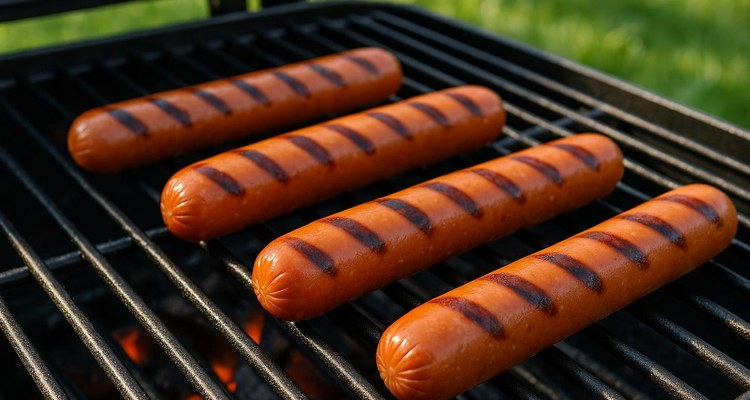
What’s the Right Grill Temperature and Time?
The correct grill temperature for hot dogs is medium heat, approximately 400°F. Cook them for 5-7 minutes, turning frequently to avoid high heat, which burns the outside before the inside heats through and dries out the hot dog.
Why Medium Heat is Crucial
High heat is the most common grilling mistake. It burns or bursts the outside before the inside heats through, releasing juices onto the coals and leaving the dog dry. A consistent medium grill temperature ensures a juicy interior and a perfectly seared exterior.
Grilling Time and Turning
The ideal grill time is 5-7 minutes total, turning every 1-2 minutes for even contact with the grate. This develops consistent color and char. For food safety, an instant-read thermometer should read 165°F at the center.[USDA]
Grilling on Gas, Charcoal, and Pellet Grills
The 5-7 minute window applies across gas, charcoal, and pellet grills, but each cooking method handles heat differently. For a gas grill, preheat all burners on high, then reduce to medium for cooking. On a charcoal grill, set up a two-zone fire with coals on one side.
Move hot dogs to the cooler zone if they start to burn. A pellet grill adds a subtle wood-fired flavor that complements the meat. The consistent, indirect heat of a pellet grill is excellent for preventing flare-ups and ensuring an even cook. This cooking method provides a gentle smokiness that you can’t get from other grills.
| Method | Temperature | Cook Time | Notes |
|---|---|---|---|
| Gas Grill | 400°F (medium) | 5-7 minutes | Turn every 1-2 min, lid open |
| Charcoal Grill | 400°F (medium) | 5-7 minutes | Use two-zone fire for best control |
| Pellet Grill | 375-400°F | 5-7 minutes | Adds subtle wood-fired smoke flavor |
| Cast-Iron Skillet (stovetop) | Medium-high | 5-7 minutes | Use bacon press for all-over browning |
Should You Grill Hot Dogs with the Lid Open or Closed?
Always grill standard pre-cooked hot dogs with the lid open for best results. This method gives you direct control to turn them frequently and monitor for flare-ups, preventing the excessive heat and steam buildup that causes casings to split.
Why an Open Lid is Better
An open lid gives you direct control to turn hot dogs frequently and monitor for flare-ups. Keeping the lid open prevents the heat and steam buildup that causes casings to split, ensuring a juicy interior and a perfectly charred exterior.
The Case for Lid-Open Grilling
A closed lid traps concentrated heat and steam that can burst the casing before you achieve even grill marks. An open lid means more control over turning, timing, and char development, which is ideal for a quick-cooking food like hot dogs.
When to Close the Lid
The one exception is for thicker, raw sausages like bratwurst, which may need a brief closed-lid period to cook through safely. For standard pre-cooked hot dogs, however, always grill with the lid open for optimal control and texture.
No Grill? How to Cook Hot Dogs on the Stove
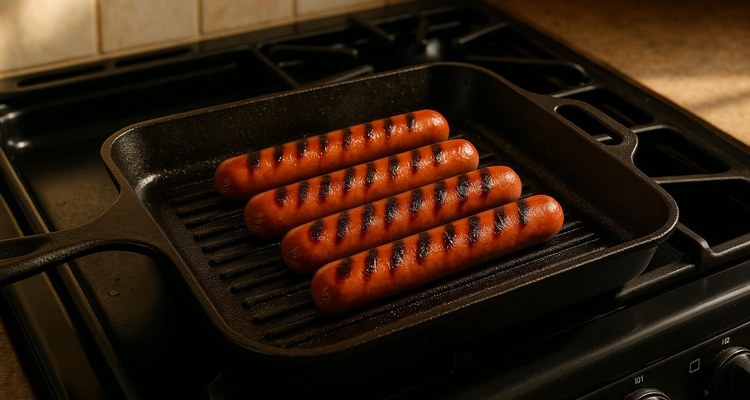
A cast-iron skillet or ridged grill pan on the stovetop is an excellent indoor cooking method for replicating outdoor-grilled texture. Heat the pan over medium-high heat until it is very hot before adding the scored hot dogs for an immediate sear.
Grill Pan vs. Cast-Iron Skillet
A ridged grill pan produces classic diagonal grill marks. A flat cast-iron skillet creates a different but equally effective deeply browned, seared crust on the flat sides of the hot dog, maximizing the Maillard reaction for incredible flavor.
Tips for Stovetop Cooking
For all-over browning on a flat skillet, place a heavy bacon press on top of the hot dogs as they cook. The uniform pressure creates caramelized contact across the entire surface. Cook for 5-7 minutes total, turning regularly.
Choosing Buns and Toppings
The right buns, sauces, and toppings are essential for turning simple grilled hot dogs into a complete and satisfying meal. Always toast the buns for better texture, choose toppings that complement the hot dog style, and serve immediately while everything is warm.
Why You Should Toast Buns
Never skip toasting the hot dog buns. A golden, slightly crispy interior holds up to sauces without going soggy and ensures the bun stays structurally intact from first bite to last. The warmth also enhances the overall eating experience.
The Best Hot Dog Buns for Grilling
While standard white buns are classic, consider upgrading. Potato buns are soft and slightly sweet, while brioche buns offer a rich, buttery flavor. New England-style buns, with their flat sides, are perfect for buttering and grilling to a golden brown.
How to Toast Buns on the Grill
Brush the cut sides lightly with softened butter or a thin layer of mayonnaise. Place them face-down on the grill for the last 1-2 minutes of cooking until golden brown. Watch them closely, as they can burn quickly.
Classic Sauces and Toppings
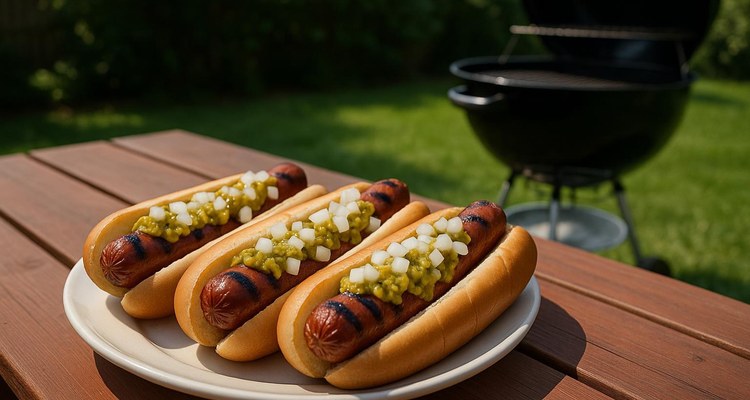
Yellow mustard, ketchup, bright green relish, and finely diced white onions hit every flavor note – tangy, sweet, and sharp – without overshadowing the hot dog itself. These classic toppings are popular for a reason, offering a balanced and familiar taste. Sauerkraut with spicy brown mustard is a timeless pairing, especially on pork hot dogs with natural casings. Match your toppings to the hot dog style and the crowd.
Gourmet and Creative Topping Ideas
Elevate your grilled hot dogs with more adventurous toppings. Consider caramelized onions, crispy bacon bits, pickled jalapeños, or a drizzle of spicy aioli. A scoop of pimento cheese or a sprinkle of crumbled blue cheese can also add a surprising and delicious twist.
Regional Hot Dog Styles
Regional styles take things further. The Chicago dog, for example, layers sport peppers, tomato slices, a pickle spear, celery salt, mustard, relish, and onion-but never ketchup. A Sonoran dog is wrapped in bacon and topped with pinto beans, onions, tomatoes, and a variety of sauces. A chili cheese dog goes a completely different direction, topped with rich beef chili and shredded cheddar cheese. In New Jersey, the Italian Hot Dog is served on pizza bread with fried peppers, onions, and potatoes.
Perfect Pairings: What to Serve with Grilled Hot Dogs
Complete your cookout menu with sides that balance salty, smoky grilled hot dogs. Creamy coleslaw, potato salad, baked beans, grilled corn, and crisp green salads all work because they add texture, freshness, acidity, or sweetness.
Creamy coleslaw, classic potato salad, and smoky baked beans are traditional choices that never fail. For a lighter option, consider a simple green salad or a fresh corn and black bean salsa. Grilled corn on the cob, brushed with butter and sprinkled with salt, is another perfect companion.
Troubleshooting Common Grilling Issues
Most hot dog grilling problems come from dirty grates, excess heat, or leaving the franks untouched too long. Clean and oil the grate, use medium heat, turn often, and move hot dogs away from flare-ups quickly.
Why Are My Hot Dogs Sticking?
Sticking is usually caused by dirty grates or not oiling the grill. Before cooking, ensure your grates are thoroughly cleaned with a grill brush and then lightly wiped with a high-smoke-point oil using tongs and a paper towel.
How to Prevent Uneven Cooking
Uneven cooking happens when hot dogs are left unattended. The key is frequent turning, about every 1-2 minutes. Using a two-zone fire on a charcoal grill also gives you a cooler area to move hot dogs to if one side is cooking too quickly.
Managing Flare-Ups
Flare-ups from dripping fat can quickly char hot dogs to a crisp. Keep the lid open to monitor them, and if a flare-up occurs, briefly move the hot dogs to a cooler part of the grill until the flames subside. Never use a spray bottle of water on a grease fire.
Common Grilling Mistakes to Avoid
Avoid these common pitfalls to ensure juicy, flavorful hot dogs every time.
Using High Heat
The most common mistake is using heat that is too high. Excessive heat causes the casings to burst, releasing juices and leaving the hot dog dry. Stick to medium heat around 400°F for even cooking.
Boiling Before Grilling
A close second is boiling hot dogs before grilling, which leaches out flavor and waterlogs the casing. This cooking method ruins the texture. Go straight from the fridge to a properly preheated grill.
Not Scoring the Casing
Forgetting to score the hot dogs can lead to split casings and an uneven cook. This simple step allows steam to escape, preventing bursts and creating more surface area for delicious char.
Frequently Asked Questions
What is the mistake for grilling hot dogs?
The most common mistake is using heat that is too high, which causes casings to burst and leaves the hot dog dry. A close second is boiling hot dogs before grilling, a step that leaches out flavor and waterlogs the casing. Go straight from the fridge to a properly preheated grill at medium heat, around 400°F.
What’s the secret to juicy grilled hot dogs?
The secret to juicy grilled hot dogs involves a few key steps. Start with quality hot dogs with natural casings, score them to prevent bursting, and grill over medium heat (not high). Frequent turning ensures they cook evenly without losing their juices to flare-ups.
Can you eat hot dogs with celiac disease?
Yes, but label-reading is essential. Many all-beef or pork hot dogs are naturally gluten-free since they contain no wheat or barley fillers. Always look for a certified gluten-free label to avoid cross-contamination risk during processing. Pair with certified gluten-free hot dog buns and check all sauces and condiments as well.
How many calories are in a grilled hot dog?
A standard grilled all-beef hot dog contains roughly 150-180 calories. A standard bun adds another 120-150 calories, bringing the total to around 270-330 calories before toppings. Mustard and relish add very little, while chili cheese or creamy coleslaw can add 100 or more calories per serving.
What internal temperature should grilled hot dogs reach?
Hot dogs are pre-cooked at the factory, but the USDA recommends reheating them to an internal temperature of 165°F before eating.[USDA] Use an instant-read thermometer inserted lengthwise for an accurate reading. At medium grill heat with 5-7 minutes of cook time and regular turning, most standard hot dogs will easily reach this temperature.
How long do you grill hot dogs on a grill?
At a medium grill temperature of 400°F, grill hot dogs for 5-7 minutes total, turning every 1-2 minutes for even browning. This timing applies to standard pre-cooked hot dogs on gas, charcoal, or pellet grills. Thicker sausages or raw links may need 10-12 minutes. Check for 165°F internal temperature with an instant-read thermometer.[USDA]
Perfect Grilled Hot Dogs
Equipment
- Gas, charcoal, or pellet grill Preheated to medium heat around 400 degrees F
- Sharp knife For shallow diagonal or spiral scoring
- Long-handled tongs For frequent turning and moving hot dogs away from flare-ups
- Instant-read thermometer For checking 165 degrees F at the center
- Grill brush For cleaning hot grates before cooking
- Paper towel and high-smoke-point oil For lightly oiling the grates before grilling
Ingredients
For the Hot Dogs
- 8 all-beef or premium pork hot dogs natural casings preferred
- 1 teaspoon high-smoke-point oil for oiling the grates as needed
For Serving
- 8 hot dog buns standard, potato, brioche, or New England-style
- 2 tablespoons softened butter or mayonnaise for toasting the cut sides of the buns
- yellow mustard, relish, diced onions, ketchup, sauerkraut, or preferred toppings for serving
Instructions
- Preheat the grill to medium heat, about 400 degrees F, then scrape the grates clean.
- Lightly oil the clean grates with a folded paper towel held in tongs.
- Use a sharp knife to make shallow diagonal or spiral cuts along each hot dog, cutting through the casing without slicing deeply into the meat.
- Place the hot dogs on the grill over medium heat with the lid open.
- Grill for 7 minutes total, turning every 1-2 minutes for even browning and char.
- Check that the centers reach 165 degrees F, especially for food safety-sensitive guests.
- Brush the cut sides of the buns with softened butter or a thin layer of mayonnaise.
- Toast the buns cut-side down on the grill for the last 2 minutes of cooking until golden.
- Serve the hot dogs immediately in toasted buns with mustard, relish, onions, sauerkraut, or your preferred toppings.
Notes