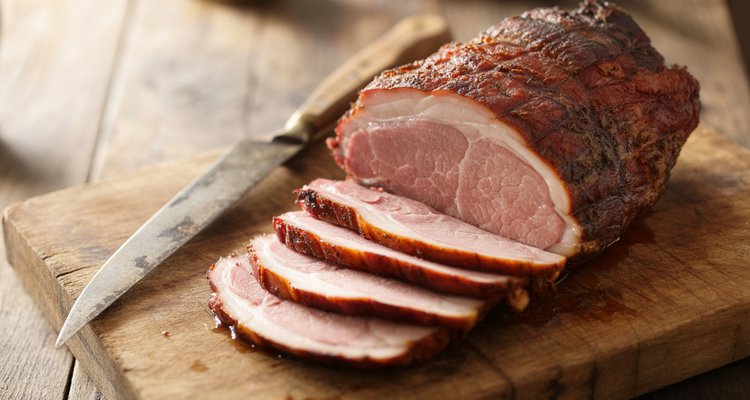
You set a three-pound pork loin on the smoker at 225°F, went back inside, and came out two hours later to a roast that sliced clean and stayed moist all the way through. That’s what smoked pork loin does right: low effort, big results. Here’s the method that makes it happen every time.
Pork Loin vs. Pork Tenderloin: Know the Difference
These two cuts get mixed up constantly — and using the wrong recipe for the wrong cut is how you end up with dry, overcooked pork. They are not the same cut.
Pork loin is a large, wide roast that runs along the top of the pig’s back. A typical boneless pork loin weighs 3 to 5 pounds, is roughly the size of a thick book, and has a fat cap on one side. It takes 2-3 hours at 225°F to reach temperature.
Pork tenderloin is a small, narrow, torpedo-shaped muscle that runs along the spine. It weighs about 1 pound, is much leaner, and cooks in 45-60 minutes. If you’ve seen a smoked pork tenderloin recipe, the cook time and technique are completely different. Don’t use this recipe for tenderloin — you’ll overcook it badly.
| Feature | Pork Loin | Pork Tenderloin |
|---|---|---|
| Typical weight | 3-5 lbs | ~1 lb |
| Shape | Wide, thick roast | Narrow, tapered cylinder |
| Fat cap | Yes (one side) | No |
| Cook time at 225°F | 2-3 hours | 45-60 minutes |
| Done temp | 145°F | 145°F |
Helpful gear for this cook:
- ThermoMaven instant-read meat thermometer — checks doneness quickly at the grill
- Hotec stainless steel kitchen tongs — make turning and moving food easier
- MEATER Plus: Smart Bluetooth Wireless Meat Thermometer Digital — helps verify doneness without guessing
How to Prepare Pork Loin for the Smoker
Preparation takes about 20 minutes and makes a real difference in moisture retention and bark development.
Trim the Fat Cap
Leave about 1/4 inch of fat on top. Too much fat and the bark won’t form properly. Too little and you lose the basting effect as the fat renders. Score the fat cap in a crosshatch pattern to help the rub penetrate and the fat render evenly.
Brine for Moisture Insurance (Optional but Recommended)
Pork loin is a lean cut. Brining is the single best insurance policy against dryness. A simple 45-minute to 4-hour brine makes a noticeable difference, especially for first-timers or anyone smoking at a higher temperature.
Simple brine: 4 cups water, 1/4 cup kosher salt, 2 tablespoons brown sugar, 1 teaspoon black pepper, 2 smashed garlic cloves. Stir until salt and sugar dissolve. Submerge the pork loin and refrigerate. Pat completely dry before applying the rub — a wet surface won’t form bark.
Dry Rub for Smoked Pork Loin
This rub builds a dark, savory bark with a touch of sweetness. Mix together:
- 2 tablespoons brown sugar
- 1 tablespoon smoked paprika
- 1 tablespoon kosher salt
- 1 teaspoon garlic powder
- 1 teaspoon onion powder
- 1 teaspoon black pepper
- 1/2 teaspoon cayenne pepper (optional)
Apply the rub generously to all sides and press it in firmly. Let it sit uncovered in the refrigerator for at least 30 minutes, or up to overnight, before smoking (a BBQ seasoning sampler works great if you want to experiment with flavors without committing to a full jar).
How to Smoke Pork Loin: Step by Step
Choosing Your Wood for Smoke Flavor
Pork loves mild, sweet smoke. Aggressive woods like mesquite or hickory can easily overwhelm the delicate flavor of pork loin.
- Apple wood — the most popular choice; mild, subtly sweet, produces a beautiful color
- Cherry wood — slightly sweeter than apple, deepens the bark color dramatically
- Pecan — a step up in intensity from apple; slightly nutty, still very pork-friendly
Apple and cherry together is a classic combination. Use 2-3 chunks of wood, not a continuous pile — you want smoke, not a wall of it.
Step-by-Step Smoking Process
- Preheat your smoker to 225°F. Give it 15-20 minutes to stabilize before loading the pork.
- Place the pork loin fat cap up directly on the grates. Fat cap up means the rendering fat bastes the meat as it cooks.
- Insert your probe thermometer into the thickest part of the roast before closing the lid. Don’t open the smoker until you’re close to target temperature.
- Add your wood and maintain 225°F throughout the cook.
- Pull at 140-143°F internal temperature. Carryover cooking will push it to 145°F (USDA safe minimum) during the rest.
- Rest uncovered for 10-15 minutes before slicing. Cutting too soon sends the juices straight to your cutting board instead of your plate.
How Long Does It Take to Smoke a Pork Loin?
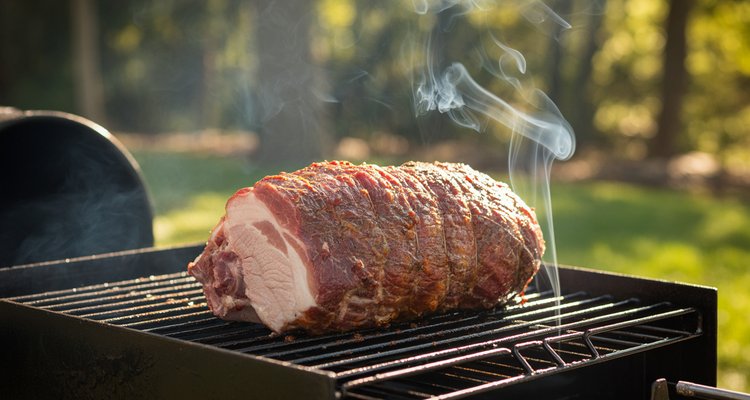
Smoked pork loin takes approximately 30 minutes per pound at 225°F. A 3-pound loin will take roughly 1.5-2 hours; a 5-pound loin closer to 2.5-3 hours. Always cook to temperature, not time — use a probe thermometer and pull at 140-143°F internal.
| Pork Loin Weight | Estimated Time at 225°F | Pull Temp |
|---|---|---|
| 2 lbs | ~1 hour | 140-143°F |
| 3 lbs | 1.5-2 hours | 140-143°F |
| 4 lbs | 2-2.5 hours | 140-143°F |
| 5 lbs | 2.5-3 hours | 140-143°F |
| 7 lbs | 3-3.5 hours | 140-143°F |
Smoker temperature swings, wind, and the specific thickness of your roast all affect actual cook time. Check the internal temperature starting at the low end of the estimate, and don’t rush it.
Tips for a Juicy Smoked Pork Loin
Optional Foil Wrap to Push Through the Stall
Pork loin doesn’t have much collagen, so it doesn’t stall as dramatically as pork shoulder — but if your cook slows down around 130-135°F, you can wrap tightly in heavy-duty foil with a small splash of apple juice or cider. This traps moisture and pushes through any slowdown. Unwrap in the last 20 minutes if you want the bark to firm back up.
Optional Honey Glaze for the Last 20 Minutes
In the final 20 minutes of the cook, brush on a simple glaze of 2 tablespoons honey mixed with 1 tablespoon apple cider vinegar. The sugars caramelize against the bark without burning, adding a glossy finish and a sweet-tangy contrast. Apply once, let it set, and pull when your probe reads 140°F.
Carryover Cooking and Resting
This is the most commonly skipped step and the most important one. Pull the pork loin off the smoker at 140-143°F — not 145°F. Residual heat in the meat will continue cooking it for 5-8°F after it comes off the heat, landing right at the USDA safe minimum of 145°F.
Rest the roast uncovered on a cutting board for 10-15 minutes. The juices redistribute, the fibers relax, and every slice stays moist instead of releasing liquid the moment you cut.
What to Serve with Smoked Pork Loin
A smoked pork loin feeds a crowd and pairs naturally with sides that complement the sweetness of the smoke and the savory bark. These are the combinations that work best.
Classic BBQ Sides
Roasted or grilled vegetables are the easiest match. While the smoked pork loin is resting, throw asparagus, zucchini, or corn directly over the grates. The char and smoke meet the pork’s bark perfectly.
Mashed potatoes or roasted potatoes soak up the resting juices beautifully — don’t discard the juice from your cutting board. Pour it over the potatoes.
Apple slaw is the most underrated pairing for smoked pork. Thinly sliced apple, shredded cabbage, a splash of cider vinegar, and a spoonful of mayo — the bright acidity cuts through the richness of the pork and echoes the apple wood smoke flavor.
Sauces for Smoked Pork
A good smoked pork loin doesn’t need sauce, but these two work well when you want extra flavor. A simple honey mustard drizzle (equal parts honey and whole-grain mustard with a squeeze of lemon) complements the brown sugar in the rub without overpowering the smoke.
A light cider-based BBQ sauce — thin, tangy, and apple-forward — mirrors the smoke wood and keeps the flavor profile cohesive.
Leftover Smoked Pork Loin Ideas
Cold smoked pork loin slices well straight from the fridge. Use leftovers in sandwiches with pickled onions and mustard, slice thin for a smoked pork salad with arugula and apple, or dice and toss into fried rice for a fast weeknight meal. The smoke flavor actually deepens overnight — leftover smoked pork is rarely a disappointment.
Troubleshooting Common Smoked Pork Loin Problems
Most issues with smoked pork loin come down to temperature and timing. Here’s how to diagnose and fix the most common problems before they become permanent mistakes.
Smoked Pork Loin Came Out Dry
This is almost always overcooked pork. Pork loin is a lean muscle — it has very little fat marbling to protect it the way a pork shoulder does. If your smoked pork loin is dry, your internal temp probably went past 155°F.
The fix is to use a leave-in probe thermometer and pull at 140-143°F without exception. Brining the loin for 1-4 hours before smoking also adds a measurable buffer — the salt restructures the muscle proteins and dramatically improves moisture retention at the same internal temperature.
No Smoke Ring
A smoke ring is a cosmetic marker, not a flavor indicator — but it’s satisfying to produce. If your smoked pork loin has no smoke ring, you probably loaded the meat onto the smoker when it was already warm, or you used very little wood.
To develop a smoke ring: start with cold meat straight from the fridge, make sure your wood is producing clean smoke (thin blue smoke, not white billowing smoke), and place the meat in the smoker before it fully comes up to temperature so the surface absorbs maximum smoke exposure in the early stages of the cook.
Bark Won’t Form
Bark requires a dry surface and consistent heat. If the rub is sliding off or the surface looks wet and pale after an hour, one of these is the likely cause: you didn’t pat the pork loin completely dry after brining, you applied the rub too close to putting it on the smoker (not enough time for the salt to draw moisture back in and dry out), or your smoker temperature is too low and inconsistent.
To fix bark problems, always dry-brine uncovered in the fridge for at least 30 minutes, and make sure your smoker runs a stable 225-250°F with good airflow.
Cook Stalled and Won’t Climb Past 130°F
Pork loin doesn’t stall like brisket, but some loins slow dramatically between 130-135°F. If you’ve been at that temperature for 30+ minutes, wrap in heavy-duty foil with a small splash of apple juice. This ends the stall immediately and traps moisture.
Unwrap in the final 20 minutes if you want to firm the bark back up. Most importantly — don’t raise the smoker temperature past 250°F to speed things up. High heat is how you end up with tough, dry pork loin.
Frequently Asked Questions
How long does it take to smoke a pork loin?
At 225°F, smoked pork loin takes about 30 minutes per pound. A 3-pound loin takes roughly 1.5 to 2 hours; a 5-pound loin runs 2.5 to 3 hours. Always verify with a probe thermometer — pull it at 140-143°F and let carryover cooking bring it to 145°F during the rest.
How do you keep pork loin moist when smoking?
Three things: brine beforehand (even 45 minutes helps), don’t overcook it (most dry pork loin is just overcooked pork loin), and rest the meat before slicing. You can also wrap in foil at 130-135°F with a splash of apple juice if the cook is moving slowly, and apply a honey glaze in the final 20 minutes for extra moisture on the surface.
Should I wrap a pork loin when smoking?
Wrapping is optional for pork loin. It’s not the long cook that brisket or pork shoulder requires, so a foil wrap isn’t necessary most of the time. Use it if your cook stalls significantly or if you’re worried about moisture. If you want a firm, dark bark, skip the wrap and let the surface stay exposed throughout the cook.
What internal temperature should smoked pork loin reach?
The USDA safe minimum internal temperature for pork is 145°F, followed by a 3-minute rest. For smoked pork loin, pull it at 140-143°F — carryover cooking pushes it to 145°F during the rest. Some pitmasters prefer 150-155°F for slicing (the texture firms up slightly), but 145°F gives you the juiciest result.
What is the difference between pork loin and pork tenderloin?
Pork loin is a large roast (3-5 lbs) with a fat cap, taken from the top of the back. Pork tenderloin is a small, narrow muscle (~1 lb) with almost no fat. They cook completely differently — don’t substitute one for the other in a recipe. This recipe is written for pork loin. For pork tenderloin, you’d need far less time and a different approach.
Smoked Pork Loin
Equipment
- Smoker pellet grill, offset, or charcoal smoker — any type works
- Instant-read or leave-in probe thermometer essential for accurate doneness; pull at 140-143°F
- Cutting board large enough to rest and slice the roast
- Sharp carving knife
Ingredients
Pork Loin
- 3 lbs boneless pork loin roast 3-4 lbs is the ideal size; fat cap on
Dry Rub
- 2 tablespoons brown sugar
- 1 tablespoon smoked paprika
- 1 tablespoon kosher salt
- 1 teaspoon garlic powder
- 1 teaspoon onion powder
- 1 teaspoon black pepper freshly ground preferred
- 1/2 teaspoon cayenne pepper optional
Optional Honey Glaze
- 2 tablespoons honey
- 1 tablespoon apple cider vinegar
Instructions
- Trim the fat cap to about 1/4 inch thick. Score the fat in a crosshatch pattern with a sharp knife.
- Mix the dry rub ingredients together in a small bowl. Apply generously to all sides of the pork loin, pressing in firmly.
- Place the rubbed pork loin uncovered in the refrigerator for at least 30 minutes, or up to overnight.
- Preheat your smoker to 225°F. Allow it to stabilize for 15-20 minutes before loading the meat.
- Add 2-3 chunks of apple or cherry wood for smoke. Avoid using too much — light smoke is ideal for pork loin.
- Place the pork loin fat cap up on the smoker grates. Insert a probe thermometer into the thickest part.
- Smoke at 225°F until the internal temperature reaches 140-143°F. This takes approximately 30 minutes per pound.
- Optional glaze: In the last 20 minutes of the cook, mix honey and apple cider vinegar. Brush lightly over the roast and let it set before pulling.
- Remove the pork loin from the smoker at 140-143°F internal temperature. Carryover cooking will bring it to 145°F during the rest.
- Rest the pork loin uncovered on a cutting board for 10-15 minutes before slicing.
- Slice against the grain into 1/2-inch thick slices and serve immediately.
Notes