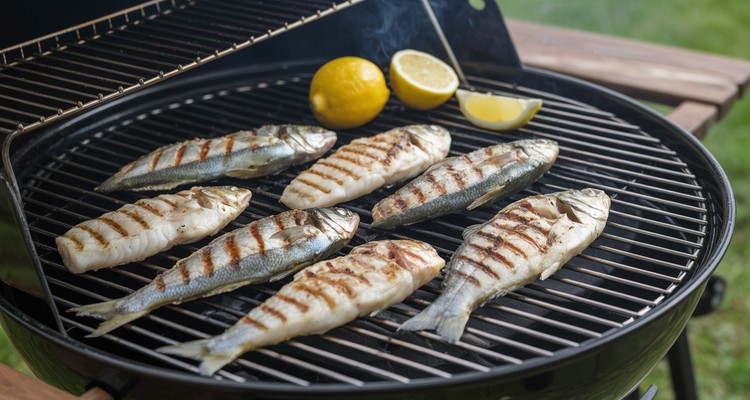
Grilling fish intimidates many backyard cooks because delicate fillets stick, tear, and fall apart on hot grates. The key to success is choosing the right cut, controlling your heat, and knowing exactly when to flip. Fish reaches a safe internal temperature of 145°F[USDA], and most fillets cook in just 6-10 minutes total. This guide covers everything you need to know about how to grill fish – from selecting suitable fish for grilling to mastering direct-heat techniques, foil packet methods, and indoor alternatives for days when you cannot fire up the grill.
Helpful gear for this cook:
- stainless steel grill basket set — keeps small foods from falling through the grates
- TrendPlain oil sprayer — helps apply a light, even coat before grilling
- ThermoMaven bristle-free grill brush — cleans grill grates without wire bristles
Choosing the Best Fish for Grilling
Firm, thick cuts are ideal for grilling because they hold together over direct heat. Fish steaks from swordfish, tuna, and halibut grill beautifully, while skin-on salmon fillets offer a protective barrier against sticking. Delicate skinless fish like tilapia works better in foil packets or on a grill pan.
Fish Steaks vs. Fish Fillets
Fish steaks are cross-cut slices through the bone, typically 1 to 1.5 inches thick. Swordfish, tuna, and halibut steaks hold up well to direct grilling because their dense texture resists flaking. Fish fillets are boneless cuts taken along the length of the fish. Thicker fillets like salmon (skin-on) and mahi-mahi work directly on grill grates. Thinner, more delicate fillets like sole, flounder, and tilapia break apart easily and need foil or a grill pan.
Skin-On vs. Skinless Fish
Skin-on fish is the easiest to grill. The skin acts as a natural barrier between the flesh and the grates, preventing sticking and holding the fillet together during flipping. Skinless fish requires extra care. Brush it generously with oil and consider using a grill basket, cedar plank, or foil packet to keep it intact.
Essential Grilling Techniques and Preparation
Successful fish grilling starts with clean, well-oiled grill grates and proper temperature control. Preheat your grill to 400-450°F for direct cooking, set up a two-zone fire for flexibility, and always oil both the grates and the fish to prevent sticking.
Prepping the Grill Grates
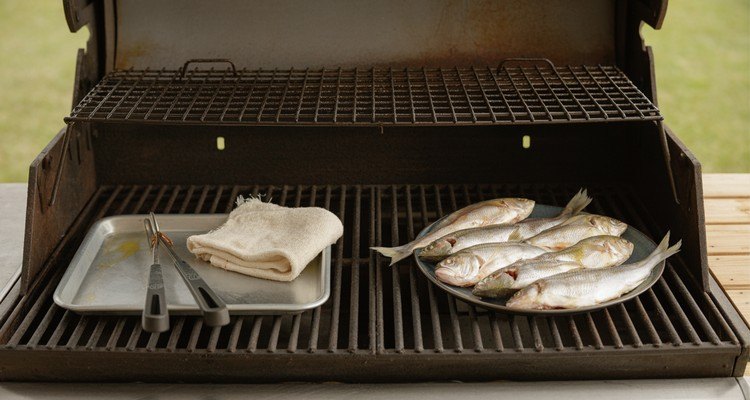
Clean grill grates are essential. Scrub them with a wire brush while the grill is hot, then fold a paper towel soaked in vegetable oil and rub it across the grates using long-handled tongs. Repeat 2-3 times to build a non-stick surface. Never skip this step. Fish proteins bond to dirty or dry metal on contact, making sticking almost guaranteed.
Temperature Control
Set up a two-zone fire with one hot side (400-450°F) for searing and one cooler side (300-350°F) for finishing thicker cuts. This gives you a safety zone to move fish if it cooks too fast. Use an instant-read thermometer to check doneness. USDA guidance lists 145°F as the safe minimum internal temperature for fin fish[USDA].
Equipment Differences
| Grill Type | Best For | Heat Control | Flavor Profile |
|---|---|---|---|
| Gas Grill | Quick searing, weeknight cooking | Precise, adjustable knobs | Clean, neutral |
| Charcoal Grill | Maximum sear, smoky flavor | Manual vent adjustment | Rich, smoky |
| Pellet Grill | Gentle smoking, indirect cooking | Digital controller | Wood-fired, mild smoke |
How to Grill Fish Directly on the Grates
To grill fish directly on the grates, pat it dry, brush with oil, and place skin-side down over 400-450°F heat. Cook for 3-5 minutes per side without moving it, and use the release test – if the fish resists your spatula, it is not ready to flip.
Preparation Steps
Pat the fish completely dry with paper towels. Moisture on the surface creates steam, which prevents browning and promotes sticking. Brush both sides lightly with a high-smoke-point oil like avocado or grapeseed oil. Season with salt, pepper, and any dry rub or herbs. Avoid thick, sugary marinades that burn over direct heat.
Placement and Timing
Place fish steaks or skin-on fillets at a diagonal across the grill grates. This creates attractive grill marks and maximizes contact with the hot metal. Cook for 3-5 minutes on the first side without touching it. Resist the urge to peek or move the fish during this time.
The Release Test
When it is time to flip, slide a thin metal spatula under the fish. If it resists or sticks, wait another 30-60 seconds. Properly seared fish releases naturally from the grates. Flip once and cook for an additional 2-4 minutes until the internal temperature reaches 145°F. The flesh should be opaque and flake easily with a fork.
How to Grill Fish in Foil
Grilling fish in foil packets is the safest method for delicate, flaky fillets like tilapia, cod, and sole. The foil traps steam to cook the fish gently at 375-400°F for 12-15 minutes, keeping it moist while infusing flavor from added herbs, citrus, and butter.
Foil Packet Method
Tear a sheet of heavy-duty aluminum foil about 12 inches long. Place the fish fillet in the center and top with sliced lemon, fresh herbs (dill, thyme, or parsley), a pat of butter, and a splash of white wine. Fold the foil over and crimp the edges tightly to seal the packet. Leave a small air pocket above the fish so steam can circulate inside.
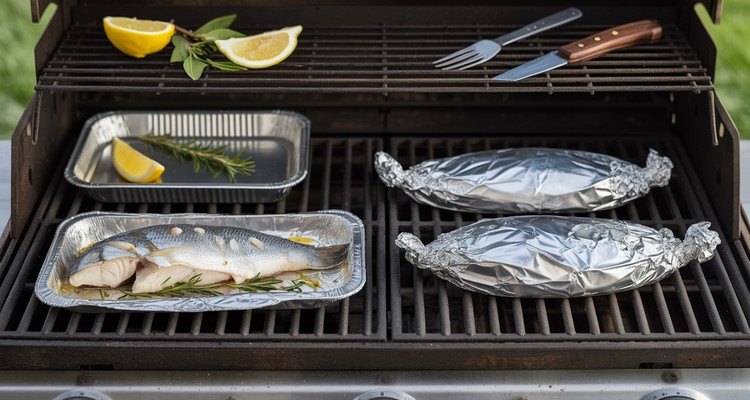
Place the packet on the grill over medium heat (375-400°F) and cook for 12-15 minutes. The fish is done when it flakes easily and reaches 145°F internally.
Using a Grill Pan
A cast-iron skillet or grill pan placed directly on the grill grates gives you grill flavor and a seared crust without the risk of fish falling through the grates. Preheat the pan on the grill for 5 minutes, add oil, then place the fish in the pan. Cook for 3-4 minutes per side. This method works especially well for skinless fish fillets and smaller pieces.
Alternative Cooking Methods
When outdoor grilling is not an option, you can cook fish indoors using a stovetop grill pan, oven broiler, or air fryer. Each method produces excellent results with proper temperature settings and timing, delivering the same flaky, well-seasoned fish without a backyard grill.
How to Grill Fish Without a Grill
Heat a cast-iron grill pan on the stovetop over medium-high heat for 3-4 minutes. Brush the pan and the fish with oil. Cook for 3-4 minutes per side to achieve visible grill marks and a golden crust.
How to Grill Fish in Oven
Preheat the oven to 400°F. Place seasoned fish fillets on a parchment-lined baking sheet. Roast for 10-15 minutes depending on thickness (roughly 10 minutes per inch of thickness). For a charred finish, switch to the broiler for the final 2-3 minutes. Position the fish 4-6 inches below the heating element and watch it closely to prevent burning.
How to Grill Fish in Air Fryer
Preheat the air fryer to 380°F. Brush fish fillets with oil and season. Cook for 8-12 minutes, flipping halfway through. The circulating hot air creates a slightly crispy exterior without deep frying. Thinner fillets like tilapia need 8 minutes. Thicker cuts like salmon need 10-12 minutes. Check for 145°F internal temperature before serving.
Health Benefits: Grilling Fish to Lower Cholesterol
Grilling fish preserves its heart-healthy omega-3 fatty acids without adding saturated fat from frying oils. The American Heart Association recommends eating fish at least twice per week, and grilling, baking, or air frying preserve those cardiovascular benefits without deep frying.
Fatty fish like salmon, mackerel, and sardines contain the highest concentrations of omega-3s. These polyunsaturated fats help reduce triglycerides and lower LDL cholesterol levels. To maximize health benefits, use olive oil instead of butter for basting. Skip heavy cream sauces and opt for fresh citrus, herbs, and vinaigrettes as toppings. Deep frying adds 10-15 grams of fat per serving and negates most of the cardiovascular benefit. Grilling adds minimal fat while delivering maximum flavor.
Common Mistakes When Grilling Fish
The most common mistakes when grilling fish are flipping too early, using dirty grates, overcooking, and applying sugary marinades over high heat. Avoiding these four errors dramatically improves your results and prevents the frustration of fish that sticks, tears, or tastes dry.
- Flipping too early: Fish bonds to hot metal during the first few minutes of cooking. Trying to flip before a crust forms tears the flesh, so wait for the natural release.
- Dirty or cold grill grates: Residue from previous cooks creates a rough surface that grabs fish. Always preheat, scrub, and oil the grates before cooking seafood.
- Overcooking: Fish cooks fast, with a 1-inch fillet needing only 6-10 minutes total. USDA guidance lists 145°F as the safe minimum internal temperature for fin fish[USDA], but residual heat can carry fish the rest of the way if you pull it around 140°F.
- Sugary marinades: Honey, brown sugar, and BBQ sauces burn quickly over direct heat. Use them only in the last 1-2 minutes of cooking or switch to a dry rub with spices instead.
Frequently Asked Questions
What is the best way to cook fish on a grill?
Direct grilling over 400-450°F heat works best for firm fish steaks and skin-on fillets like salmon, swordfish, and mahi-mahi. Pat the fish dry, oil both the grates and the fish, and cook 3-5 minutes per side without moving it until it releases naturally.
Is it better to grill fish in foil or on the grill?
It depends on the fish. Firm, thick cuts like swordfish steaks and skin-on salmon grill well directly on the grates. Delicate, thin fillets like tilapia, cod, and sole hold together better in foil packets that trap steam and prevent sticking.
How long does it take to grill fish?
Most fish fillets and steaks take 6-10 minutes total over direct heat, roughly 3-5 minutes per side. The general rule is 8-10 minutes of total cook time per inch of thickness. Always verify doneness with a thermometer at 145°F.
What temperature should I grill fish at?
Preheat your grill to 400-450°F for direct grilling. Use medium heat at 375-400°F for foil packets. The fish itself is done when its internal temperature reaches 145°F[USDA].
Can I grill frozen fish?
Thawing fish before grilling produces better texture and more even cooking. Thaw in the refrigerator overnight or under cold running water for 30-60 minutes. Grilling from frozen results in a dry exterior and undercooked center.
How do I keep fish from sticking to the grill?
Start with clean, preheated grill grates. Oil the grates 2-3 times with a paper towel soaked in vegetable oil. Pat the fish dry and brush it with oil before placing it on the grill. Do not move the fish until it releases naturally, typically after 3-4 minutes.
What is the best oil for grilling fish?
Use high-smoke-point oils like avocado oil (520°F smoke point), grapeseed oil (420°F), or refined vegetable oil. Olive oil works for lower-heat cooking but may smoke at direct grilling temperatures above 400°F.
How do I know when grilled fish is done?
Insert an instant-read thermometer into the thickest part of the fish. It is done at 145°F. Visual cues include opaque flesh that flakes easily when pressed with a fork. The flesh should no longer be translucent in the center.
Can I grill fish on a pellet grill?
Yes, pellet grills work well for fish, especially at lower temperatures for smoking. Set to 225°F for smoked fish or crank to 400-450°F for a direct sear. Fruitwood pellets like cherry or apple pair especially well with seafood.
How do I cook fish to lower cholesterol?
Grill, bake, or air fry fish instead of deep frying. Use olive oil rather than butter, skip cream-based sauces, and choose fatty fish like salmon or mackerel that are high in omega-3 fatty acids. These cooking methods preserve heart-healthy fats without adding saturated fat.