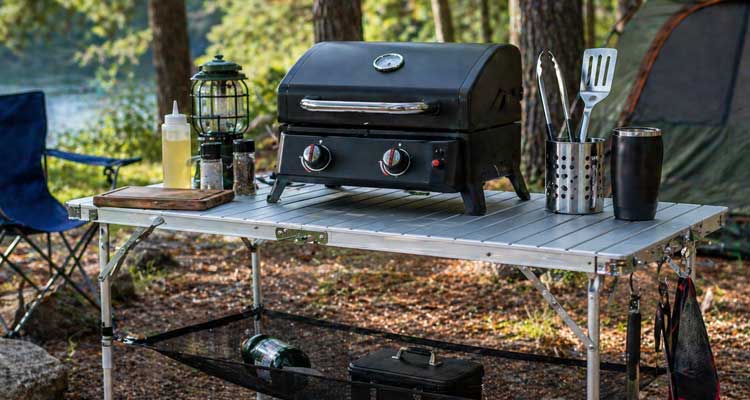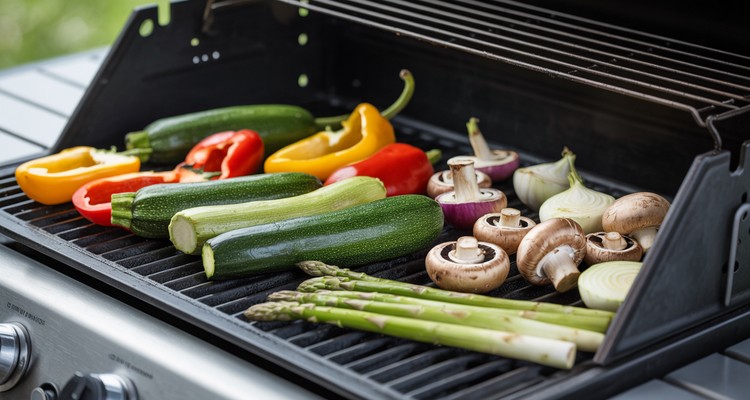
Grilled vegetables develop a smoky sweetness that no other cooking method can replicate. The direct heat caramelizes natural sugars, creates charred edges, and concentrates flavor in minutes. Whether you use a gas grill, charcoal setup, or an indoor alternative, the techniques in this guide apply to every vegetable you can fit on a grate. This guide covers preparation, grilling methods, exact times and grilling temperatures, common mistakes, and health considerations. Every section includes specific ranges so you can start grilling with confidence rather than guesswork.
Helpful gear for this cook:
- Temperature control: Vencino stainless grill baskets keeps vegetables or small foods from falling through grates.
- Handling: Hotec stainless kitchen tongs turns food cleanly without piercing it.
- Prep: TrendPlain glass oil sprayer applies a thin, even coat of cooking oil.
Preparing Vegetables for the Grill
Wash all produce under running water, cut pieces into uniform shapes at least half an inch thick, and toss with a thin coat of olive oil before grilling. Zucchini works best as lengthwise planks, bell peppers as wide halves, and asparagus left whole. Dense root vegetables benefit from a 5-minute parboil before they touch the grate.
Washing, Cutting, and Sizing
The FDA recommends washing all fresh produce under running water before cutting, even if you plan to peel it, because bacteria on the surface can transfer to the flesh during slicing[FDA]. Do not use soap or commercial produce washes. Uniform cuts are the foundation of even cooking. Slice zucchini into planks at least half an inch thick, halve bell peppers lengthwise, and leave asparagus spears whole. Pieces that are too small fall through the grates before developing any sear. Cut larger than you think you need. Vegetables shrink on the grill, and bigger pieces give you more control over doneness and texture.
Should You Put Olive Oil on Veggies Before Grilling?
Yes. A light coat of olive oil prevents sticking, promotes even heat transfer, and helps seasonings adhere to the surface. This single step makes the biggest difference between vegetables that char beautifully and ones that tear apart on the grate. Use restraint. Excess oil drips onto the burners and triggers dangerous flare-ups. Toss pieces in a bowl with just enough oil to coat them evenly – no puddles, no drips.
A Versatile Grilled Vegetables Marinade
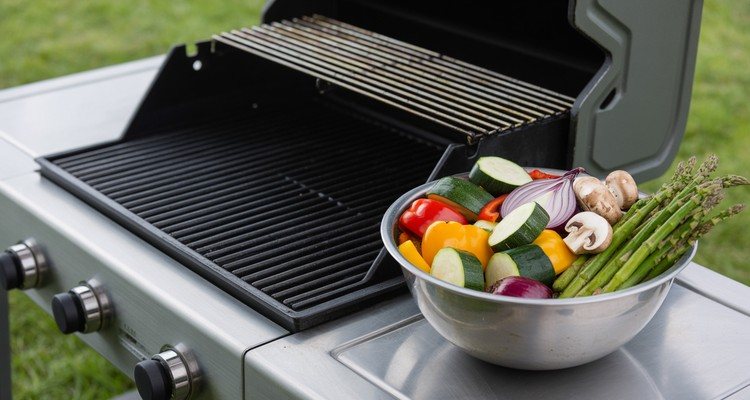
A versatile grilled vegetables marinade starts with four ingredients: olive oil as the base, an acid such as balsamic vinegar or fresh lemon juice, minced garlic, and chopped fresh herbs like rosemary or thyme. This formula works on nearly any vegetable. For soft vegetables like zucchini and asparagus, apply the marinade 15-30 minutes before grilling. Firmer items like portobello mushrooms can handle 1-2 hours. Set a portion aside before it touches raw produce if you want to use it as a finishing drizzle.
- Basket option: Vencino grill basket set helps keep smaller vegetables from falling through the grates.
- Turning tool: Hotec stainless steel kitchen tongs make it easier to move vegetables without crushing them.
- Oil sprayer: TrendPlain oil sprayer gives vegetables an even light coating before grilling.
Grilling Methods for Different Vegetables
The ideal method depends on the size and density of the vegetable. Large sturdy items like corn, portobello caps, and thick onion rounds grill directly on the grates over two-zone heat. Smaller pieces like cherry tomatoes and diced zucchini go in a grill basket.
Dense root vegetables cook best inside sealed foil packets over medium heat for 20-30 minutes.
Directly on the Grates (Gas and Charcoal)
Direct-grate grilling is ideal for large, sturdy vegetables: corn on the cob, thick-sliced onion rounds, and whole portobello mushroom caps. These items hold their shape under direct heat and develop deep char marks. Set up a two-zone fire on either gas or charcoal grill. On charcoal, bank coals to one side. On gas, leave one burner off. Start vegetables over the hot zone for sear marks, then move them to the cooler zone if they need more time without burning the exterior.
How to Grill Vegetables in a Basket
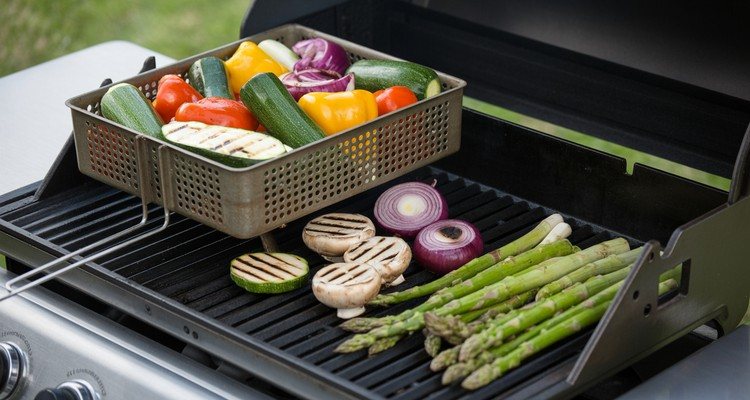
A grill basket is the solution for smaller items that would fall through the grates. Cherry tomatoes, sliced mushrooms, diced zucchini, and broccoli florets all cook well in a basket while still getting direct flame and smoke exposure. Preheat the basket on the grill for 2 minutes before adding vegetables. This prevents sticking and gives an immediate sear. Shake or toss the basket every 2-3 minutes for even browning on all sides.
How to Grill Vegetables in Foil
Foil packet cooking works best for dense, slow-cooking produce. Potatoes, carrots, and beets go into a heavy-duty foil packet with butter, garlic, and herbs. Sealed tightly and placed over medium heat (350-375°F), the packet becomes a steam oven. Use at least two layers of heavy-duty foil to prevent punctures and steam loss. Leave a small air pocket inside the sealed packet so steam can circulate. Most foil-packet vegetables take 20-30 minutes over medium heat.
Alternative Cooking Methods (Without a Traditional Grill)
A cast-iron grill pan over medium-high stovetop heat produces char marks and caramelization similar to an outdoor grill. Oven roasting at 425°F on a dark sheet pan for 20-25 minutes caramelizes most vegetables effectively. An air fryer set to 400°F cooks cut vegetables in 10-14 minutes with crispy edges and minimal oil.
How to Grill Vegetables in the Oven
To mimic outdoor grilling indoors, roast vegetables at 400-425°F on a dark, heavy baking sheet. The dark pan absorbs more heat and creates deeper caramelization. Spread vegetables in a single layer with space between pieces – crowding causes steaming instead of browning. Place the rack in the upper third of the oven for maximum top heat. After 20 minutes, switch to broil for the final 3-5 minutes to achieve a slightly charred, blistered exterior.
How to Grill Vegetables in a Pan or Air Fryer
A cast-iron grill pan on the stovetop is the closest indoor substitute to outdoor grates. Preheat the pan for 5 minutes over high heat until it is nearly smoking. The raised ridges create sear marks, and the intense heat triggers the Maillard reaction – the same protein-and-sugar browning that the food lab approach to cooking emphasizes for maximum flavor development. An air fryer works similarly, circulating hot air at 380-400°F to produce crispy edges. Most air fryer recipes for vegetables call for 10-14 minutes, shaking the basket halfway through for even results.
Grilling Times and Temperatures
Dense root vegetables like potatoes and carrots need 15-20 minutes over medium heat at 350-400°F. Medium-density vegetables including peppers, onions, and mushrooms take 8-10 minutes over medium-high heat at 400-450°F. Soft high-water vegetables like zucchini, asparagus, and tomatoes cook in just 3-5 minutes over medium-high heat.
All times below assume a preheated grill at the specified temperature. Stay close – natural sugars in vegetables can take them from perfectly charred to burnt in under a minute.
| Vegetable Category | Examples | Grill Time | Temperature | Best Method |
|---|---|---|---|---|
| Dense / Root | Potatoes, Carrots, Beets | 15-20 min | 350-400°F | Foil Packet |
| Medium Density | Peppers, Onions, Mushrooms | 8-10 min | 400-450°F | Direct Grate |
| Soft / High-Water | Zucchini, Asparagus, Tomatoes | 3-5 min | 400-450°F | Direct Grate or Basket |
| Corn on the Cob | Sweet Corn (husked) | 10-12 min | 400-425°F | Direct Grate, Turn Often |
Common Mistakes to Avoid When Grilling Vegetables
The most frequent mistakes are cutting pieces too thin, skipping the oil, overcrowding the cooking surface, and mixing vegetables with different cook times on the same skewer. Thin slices char and fall apart before the interior cooks. Overcrowding traps steam and prevents the caramelization that gives grilled vegetables their signature flavor.
Avoiding these pitfalls matters as much as following the right technique. Here are the errors that cause the most problems.
- Slicing too thin: Paper-thin pieces burn before cooking through and drop into the fire. Keep all cuts at least half an inch thick.
- Skipping the oil: Without oil, vegetables stick to the grate, tear when flipped, and dry out. A light coat is not optional.
- Overcrowding the grill or basket: Packed-in vegetables trap steam instead of releasing it. Steam produces soft, pale results – not the charred edges you want. Cook in batches if needed.
- Mixing incompatible cook times on a skewer: Cherry tomatoes next to thick potato chunks means some pieces are mush while others are raw. Group similar-density vegetables together.
- Moving pieces too frequently: Vegetables need 2-3 minutes of uninterrupted contact with the grate to develop sear marks. Constant flipping prevents browning.
Health and Dietary Considerations
Grilled vegetables are naturally low in calories, free of gluten, dairy, and added sugars, making them compatible with most dietary restrictions. This cooking method requires minimal added fat compared to sauteing or frying, preserving the food’s nutritional value while enhancing its natural flavors.
The FDA notes that high-temperature cooking of plant-based foods can produce small amounts of acrylamide, so aim for golden-brown char rather than heavy blackening on starchy vegetables like potatoes.
Are Grilled Vegetables OK for Diabetics?
Grilled non-starchy vegetables are an excellent choice for people managing diabetes. Broccoli, bell peppers, asparagus, zucchini, and mushrooms all have a low glycemic index and are high in fiber, which slows digestion and helps stabilize blood sugar levels. Avoid sugary store-bought marinades that add unnecessary carbohydrates. Be mindful of portion sizes with starchy options like potatoes, sweet corn, and beets. Homemade marinade recipes using olive oil, vinegar, and herbs contain virtually no added sugar.
Acrylamide and Charring
The FDA states that acrylamide forms naturally in plant-based foods during high-temperature cooking when sugars react with the amino acid asparagine[FDA]. To reduce exposure, cook vegetables to a golden-brown color rather than heavy black char, especially starchy items like potatoes.
Frequently Asked Questions About Grilling Vegetables
Prep vegetables up to 24 hours ahead, but oil and season just before grilling. Use medium-high heat (375-450°F) and preheat the grill to prevent sticking. For most vegetables, leave the skin on and grill with the lid open for quick-cooking items or closed for thicker ones.
Can I prep vegetables for grilling ahead of time?
Yes. Wash and chop vegetables up to 24 hours in advance and store them in an airtight container in the refrigerator. Wait to apply oil or salt until just before grilling, as salt draws out moisture and can make pre-oiled vegetables soggy.
For food safety, ensure your refrigerator is set to 40°F or below.[USDA] This prep-ahead approach saves significant time on the day of a cookout.
What temperature should my grill be for vegetables?
Most vegetables grill best between 375°F and 450°F. Soft, high-water vegetables like asparagus and cherry tomatoes prefer the higher end for a fast sear. Dense root vegetables benefit from the lower end with a longer cook time. A grill thermometer gives the most accurate reading, but holding your hand 6 inches above the grate for 3-4 seconds before pulling away indicates medium-high heat.
How do I prevent vegetables from sticking to the grill?
Three steps prevent sticking: preheat the grill fully, oil the vegetables rather than the grates, and resist moving them too early. A properly seared vegetable releases naturally from the grate after 2-3 minutes of contact. Forcing a flip too soon tears the flesh and leaves half of it stuck to the metal.
Do I need to peel vegetables before grilling?
Usually no. The skin on zucchini, eggplant, and bell peppers holds the vegetable together over high heat and adds textural contrast. Only peel vegetables where the skin would be unpleasant to eat, such as thick-skinned butternut squash or older beets. Leaving the skin on also helps prevent the flesh from drying out during cooking.
Can I grill frozen vegetables?
Frozen vegetables can be grilled, but thaw them first and pat completely dry. Excess moisture causes steaming and prevents browning. A grill basket works well for thawed frozen vegetables because they tend to be softer than fresh and more prone to breaking apart. Add 2-3 extra minutes to the cook time compared to fresh equivalents.
Should I grill vegetables with the lid open or closed?
For thin, quick-cooking vegetables like asparagus and sliced zucchini, leave the lid open so you can monitor them closely. For thicker items or foil packets that need longer indirect heat, close the lid to create an oven-like environment. Foil packet recipes always require a closed lid because trapped heat drives the steaming process.
Which Vegetables Are Easiest to Grill?
The easiest vegetables for grilling have enough water content to stay moist but enough density to hold together: zucchini, bell peppers, portobello mushrooms, corn, red onions, asparagus, and eggplant. These items char quickly, hold their shape, and develop deep flavor through direct heat. They are also the most forgiving for beginners.
Can I marinate vegetables overnight?
For most vegetables, overnight marinating is too long. Acidic marinades with vinegar or citrus begin breaking down cell walls after a few hours, resulting in mushy texture before the vegetables reach the grill. Stick to 15-60 minutes for most produce. Firm vegetables like portobello mushrooms are the exception and can handle up to 2 hours.
Do grilled vegetables reheat well?
Yes, but method matters. Reheating in a 375°F oven on a baking sheet for 8-10 minutes preserves texture better than a microwave, which makes grilled vegetables limp and watery. Alternatively, toss leftovers into pasta, grain bowls, or egg dishes where softer texture works as an asset. Grilled vegetables store well in the refrigerator for up to 4 days.
Is it better to grill vegetables on high or low heat?
It depends on the vegetable. High heat (400-450°F) works for thin, fast-cooking items like asparagus and sliced zucchini where you want a quick char. Medium heat (350-400°F) suits dense vegetables that need time to soften through. The two-zone grill setup covered in this guide gives you both options on the same grill simultaneously.
What herbs and seasonings go best with grilled vegetables?
Rosemary, thyme, and oregano hold up to grill heat without burning off. Garlic powder, smoked paprika, and cumin add depth without overpowering natural sweetness. Fresh herbs like basil and parsley work best added after cooking as a finishing touch. A quality olive oil and good salt often need no other seasoning. Grilled vegetables reward simple technique: uniform cuts, a light coat of oil, the right heat zone, and patience at the grate. Whether you are working directly on the grates, in a basket, or inside a foil packet, these fundamentals produce consistent results every time. For more grilling techniques across proteins, equipment, and outdoor cooking methods, explore the full BBQ Report library.