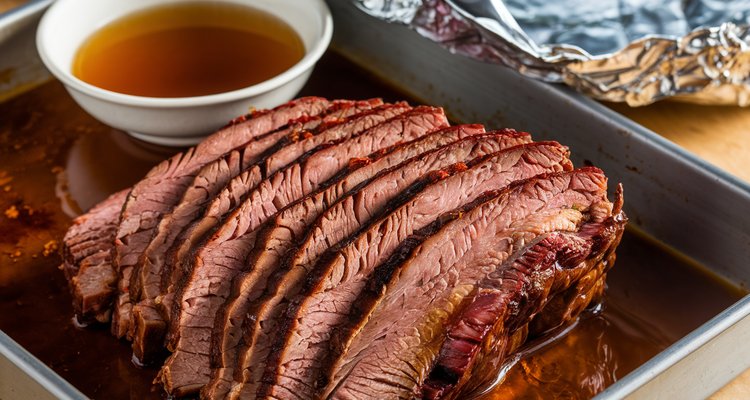
You spent 12-16 hours learning how to smoke a perfect brisket. Reheating the leftovers wrong can turn that tender masterpiece into dry, rubbery beef in minutes. The key is low heat, added moisture, and patience. The USDA recommends reheating all leftovers to an internal temperature of 165°F for food safety[USDA]. The best methods use indirect, low-and-slow heat between 225°F and 275°F to reach that target without overcooking the meat.
Helpful gear for this cook:
- Bryco Goods pink butcher paper — works for wrapping brisket, ribs, and pork during the stall
- Spice Guru BBQ rub set — gives you several BBQ seasoning options for the cook
- Typhur Sync WiFi Wireless Meat Thermometer Digital — helps verify doneness without guessing
How Do You Reheat Brisket Without Drying It Out?
Reheat brisket using low heat between 225°F and 275°F, always adding liquid such as beef broth or tallow, and covering tightly with foil or butcher paper. Target an internal temperature of 165°F. This preserves moisture and prevents the meat fibers from seizing up and turning tough.
The golden rule mirrors the original cook: low and slow. High heat forces moisture out of the meat fibers rapidly, leaving you with a dry, tough result. Always add liquid before reheating. Beef broth, tallow, or saved drippings create steam inside the foil wrap that keeps the meat moist throughout. Covering the brisket is equally critical. Aluminum foil, butcher paper, or a tight-fitting lid traps steam around the meat. Without a cover, surface moisture evaporates in minutes.
Helpful gear for this cook:
- TempPro TP20 500FT Wireless Meat Thermometer with Dual Meat — helps verify doneness without guessing
- MEATER Plus: Smart Bluetooth Wireless Meat Thermometer Digital — helps verify doneness without guessing
- ThermoMaven wireless meat thermometer — helps verify doneness without guessing
Best Methods to Reheat Brisket
The oven at 250°F is the most reliable method for reheating brisket, producing consistently moist results in 45-60 minutes. Sous vide offers the best moisture retention with zero risk of overcooking. Air fryer, stovetop, smoker, and microwave methods work for specific situations based on time and equipment.
How to Reheat Brisket in the Oven
The oven is the best overall method for reheating brisket, especially for large portions or whole chunks.
- Preheat the oven to 250°F.
- Place brisket in a baking dish or on a rimmed baking sheet.
- Add 2-3 tablespoons of beef broth, tallow, or au jus per pound of meat.
- Wrap tightly with heavy-duty aluminum foil.
- Heat for 45-60 minutes until the internal temperature reaches 165°F.
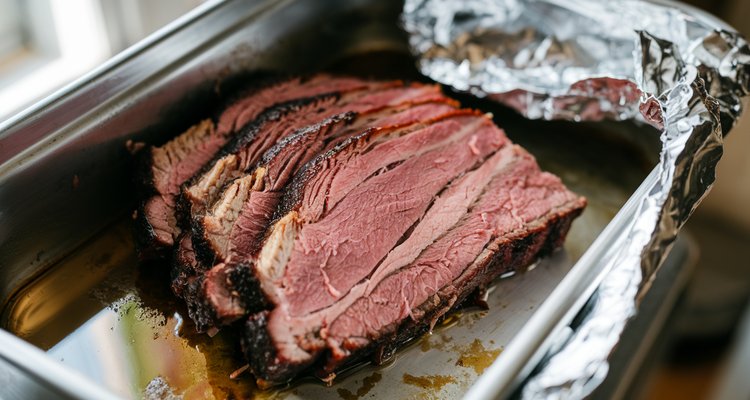
Thicker chunks take closer to 60 minutes. Thinner slices may finish in 30-40 minutes. Always use a meat thermometer to verify doneness.
The Sous Vide Method
Sous vide delivers the best moisture retention of any reheating method. The water bath never exceeds the set temperature, making it impossible to overcook.
- Place brisket in a vacuum-sealed bag or zip-top bag with air removed.
- Set the precision cooker to 150°F.
- Submerge the bag and heat for 1-2 hours.
This method works especially well for sliced brisket. Each slice reheats evenly without losing any moisture to evaporation.
How to Reheat Brisket in an Air Fryer
The air fryer works best for thick chunks or burnt ends that benefit from a quick exterior crisp.
- Set the air fryer to 300°F-320°F.
- Wrap brisket loosely in foil with a splash of broth.
- Heat for 5-10 minutes, checking after 5 minutes.
Without the foil wrap, the high-velocity fan dries the meat rapidly. Always monitor closely since air fryers reheat faster than a standard oven.
How to Reheat Brisket on the Stovetop
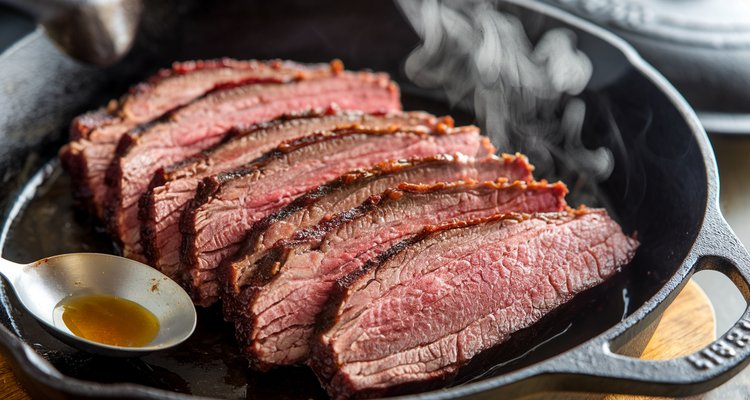
The stovetop is ideal when you need a few slices warmed quickly.
- Heat a cast-iron skillet over medium-low heat.
- Add a spoonful of beef tallow or a splash of broth.
- Lay slices in the pan and cover with a lid.
- Steam gently for 3-5 minutes until warmed through.
How to Reheat Brisket in the Microwave
Use the microwave only as a last resort. It produces the lowest quality results but works when time is extremely limited.
- Place brisket on a microwave-safe plate.
- Cover with a damp paper towel to create steam.
- Set power to 20%-30% (never full power).
- Heat in 30-second intervals until warmed through.
Full power seizes the meat fibers instantly. Low power with short intervals gives you much better texture.
Reheating on a Smoker or Grill
A smoker or grill restores bark texture and adds authentic BBQ flavor that other methods cannot replicate.
- Set up for two-zone indirect heating at 225°F.
- Wrap the brisket in foil or butcher paper with a splash of liquid.
- Place on the indirect side and heat until the internal temperature reaches 165°F.
- Unwrap for the final 10 minutes to firm up the bark.
Brisket Reheating Methods Compared
Each reheating method offers distinct trade-offs between time, moisture retention, and equipment requirements. The oven delivers the best balance of quality and convenience for most situations, while sous vide provides the highest moisture retention for those with the equipment and patience.
| Method | Temperature | Time | Moisture Retention | Best For |
|---|---|---|---|---|
| Oven | 250°F | 45-60 min | High | Large portions |
| Sous Vide | 150°F | 1-2 hours | Highest | Sliced brisket |
| Air Fryer | 300-320°F | 5-10 min | Medium | Burnt ends, small chunks |
| Stovetop | Medium-Low | 3-5 min | Medium | A few slices |
| Smoker/Grill | 225°F | 45-60 min | High | Restoring bark |
| Microwave | 20-30% Power | 2-4 min | Low | Emergencies only |
Sliced vs. Whole: Adjusting Your Technique
Reheating brisket whole preserves significantly more moisture than reheating individual slices. Whole chunks retain their internal juices because less surface area is exposed to heat. Slice only what you plan to eat immediately after reheating for the best results.
Reheating Sliced Brisket
Sliced brisket has far more exposed surface area, making it highly susceptible to drying out. Keep slices stacked together and fan them slightly in the baking dish. Be generous with added liquid – slices absorb broth quickly. Reduce reheating time by 10-15 minutes compared to whole chunks at the same temperature.
Reheating Whole Brisket
Whole brisket chunks retain moisture much better than slices. The intact muscle fibers hold juices inside while the exterior heats through. Reheat whole chunks whenever possible. Slice only the portion you plan to eat immediately after reheating.
What Liquid is Best for Reheating Brisket?
Beef tallow is the best liquid for reheating brisket because it adds authentic smoky flavor and rich moisture without diluting the meat’s taste. Beef broth and saved drippings are excellent alternatives. A 50/50 mix of apple cider vinegar and water complements BBQ rub profiles with subtle tang.
- Beef Tallow: Smoked beef fat adds authentic flavor and rich moisture. The best option if you saved tallow from the original cook.
- Beef Broth or Stock: Easily accessible and adds moisture without overpowering the smoke flavor.
- Leftover Au Jus or Drippings: Saved drippings from the smoke are liquid gold for reheating.
- Apple Cider Vinegar Mix: A 50/50 blend with water or broth adds subtle tang that complements BBQ rub profiles.
Storing and Freezing Brisket for Later
Store leftover brisket in an airtight container in the refrigerator for up to 3-4 days. For longer storage, vacuum seal and freeze for up to 2-3 months. Always thaw frozen brisket slowly in the refrigerator overnight before reheating to preserve texture and food safety.
According to the USDA, cooked meat leftovers stay safe in the refrigerator at 40°F or below for 3-4 days[USDA]. Refrigerate brisket within 2 hours of serving. Vacuum sealing is the best method for freezing brisket. It prevents freezer burn and locks in moisture for 2-3 months of storage. Without a vacuum sealer, wrap tightly in plastic wrap, then aluminum foil, and place in a freezer bag. Always thaw frozen brisket in the refrigerator overnight – never at room temperature.
Common Reheating Brisket Mistakes to Avoid
The most common reheating mistakes are using high heat, forgetting to add liquid, slicing before storing, and rushing the process. Each of these errors forces moisture out of the meat fibers, resulting in dry, tough brisket that wastes hours of original smoking effort.
- Microwaving on High: Full power instantly seizes the meat fibers, creating a tough, chewy texture throughout the slice.
- Forgetting the Liquid: Dry meat reheated in dry heat guarantees a dry result. Always add broth, tallow, or drippings.
- Slicing Before Storing: Pre-slicing the entire brisket before refrigerating causes rapid moisture loss during storage.
- Rushing the Process: Cranking the oven to 400°F to save time dries the brisket out completely.
Leftover Brisket Ideas
Leftover brisket transforms into dozens of dishes beyond reheating plain slices. Chop it for brisket tacos, stir it into Texas chili, layer it on a grilled cheese sandwich, or fry it with potatoes for a breakfast hash. Each option makes excellent use of leftover smoked meat.
Chopped brisket makes outstanding taco filling. Warm the meat with a splash of broth and serve on corn tortillas with pickled onions and cilantro. Stir cubed brisket into a hearty Texas-style chili. The smoky flavor deepens the chili base without any additional specialty seasoning work. A grilled cheese brisket sandwich combines melted cheddar with thinly sliced reheated brisket on sourdough bread. Press it on a hot skillet until the cheese melts and the bread crisps.
Frequently Asked Questions
What temperature should I reheat brisket to?
The USDA recommends reheating all leftovers to an internal temperature of 165°F for food safety. Use a meat thermometer to check the thickest part of the meat. For oven reheating, set the oven to 250°F and allow 45-60 minutes for the brisket to reach the target temperature.
How do you reheat brisket in the oven at 250?
Preheat the oven to 250°F. Place brisket in a baking dish with 2-3 tablespoons of beef broth per pound of meat. Wrap tightly with heavy-duty aluminum foil and heat for 45-60 minutes. Check the internal temperature with a meat thermometer to confirm it reaches 165°F before serving.
Can you reheat brisket in an air fryer?
Yes, set the air fryer to 300°F-320°F and wrap the brisket loosely in foil with a splash of broth. Heat for 5-10 minutes, checking after 5 minutes. The air fryer works best for thick chunks or burnt ends. Monitor closely because the high-velocity fan can dry out the meat quickly.
Is it safe to reheat brisket more than once?
The USDA advises against reheating leftovers more than once. Each reheat cycle pushes the meat through the temperature danger zone between 40°F and 140°F, increasing bacterial risk[USDA]. Reheat only the portion you plan to eat and keep the rest refrigerated.
How long can leftover brisket stay in the fridge?
Cooked brisket stays safe in the refrigerator for 3-4 days when stored at 40°F or below in an airtight container. Refrigerate within 2 hours of serving. For longer storage, freeze the brisket in vacuum-sealed bags for up to 2-3 months.
What is the best liquid for reheating brisket?
Beef tallow from the original smoke is the best option because it adds authentic flavor and rich moisture. Beef broth is the most accessible alternative. Saved au jus or drippings also work exceptionally well. Avoid plain water, which dilutes the smoky flavor.
Should I slice brisket before or after reheating?
Reheat brisket as a whole chunk whenever possible, then slice only what you plan to eat immediately. Whole brisket retains moisture far better than pre-sliced meat because less surface area is exposed to heat. Pre-sliced brisket dries out faster during both storage and reheating.
How do you reheat brisket without an oven?
Use a stovetop skillet with a lid, a sous vide water bath at 150°F, or an air fryer at 300°F-320°F. The stovetop method takes 3-5 minutes with added broth or tallow. Sous vide takes 1-2 hours but delivers the best moisture retention of any method.
Can you freeze and reheat smoked brisket?
Yes, vacuum seal the brisket and freeze for up to 2-3 months. Thaw in the refrigerator overnight before reheating. Never thaw at room temperature. Use the oven at 250°F or sous vide at 150°F for the best results after freezing.
Why does reheated brisket taste dry?
Dry reheated brisket usually results from too much heat, no added liquid, or pre-slicing before storage. High heat forces moisture out of the meat fibers. Always reheat at 250°F or lower, add beef broth or tallow, and cover tightly with foil to trap steam.