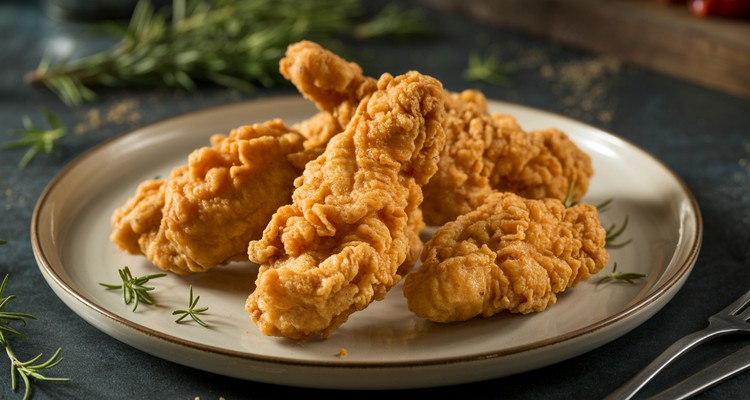
Homemade fried chicken fingers are one of those dishes that taste dramatically better than anything from the freezer aisle. The secret is a buttermilk marinade for juicy meat, a double-dredge breading for a thick crispy coating, and precise oil temperature control. This guide walks you through every step so you get restaurant-quality chicken fingers at home.
What You Need to Make Perfect Fried Chicken Fingers
To make perfectly crispy fried chicken fingers at home, you need boneless chicken, buttermilk for marinating, seasoned flour mixed with cornstarch for extra crunch, eggs for the wash, and a neutral frying oil like canola or peanut. A deep-fry thermometer and wire rack are equally essential for consistent results.
Essential Equipment
- Deep heavy-bottomed pot (Dutch oven) or deep fryer
A few tools for frying chicken fingers:
- TempPro TP510 Digital Candy Thermometer — 10-inch probe clips to pot for continuous oil temperature monitoring
- Lodge Seasoned Cast Iron Skillet 12 Inch — excellent heat retention prevents oil temperature from dropping between batches
- TempPro TP509 Candy Thermometer with Pot Clip — clip-on analog alternative for monitoring frying oil
- Deep-fry or instant-read thermometer (non-negotiable for oil temp control)
- Long tongs for safe handling
- Wire cooling rack set over a baking sheet
- Three shallow dishes or pie plates for the breading station
Key Ingredients
- 1.5-2 lbs boneless, skinless chicken breast or chicken tenderloins
- Buttermilk (about 1.5 cups for the marinade)
- All-purpose flour (about 2 cups) plus 2 tablespoons cornstarch
- Seasonings: salt, black pepper, garlic powder, onion powder, paprika, cayenne
- 2 large eggs
- 2-3 quarts neutral frying oil: canola, vegetable, or peanut oil
How to Make Fried Chicken Fingers: Step-by-Step Guide
The process breaks into five clear steps: prep the chicken, marinate in buttermilk, set up the breading station, fry at 350°F, and drain on a wire rack. Each step matters — skip one and the final result suffers noticeably.
Step 1: Prepare the Chicken
If using chicken breasts, slice them lengthwise into uniform strips about 1/2 to 3/4-inch thick. Uniform thickness ensures every strip cooks at the same rate with no raw centers or dried-out edges. If using tenderloins, remove the tough white tendon by gripping it with a paper towel and pulling it out.
Pat every strip completely dry with paper towels before marinating. Surface moisture prevents the buttermilk from clinging properly and leads to weak breading adhesion later.
Step 2: The Buttermilk Marinade
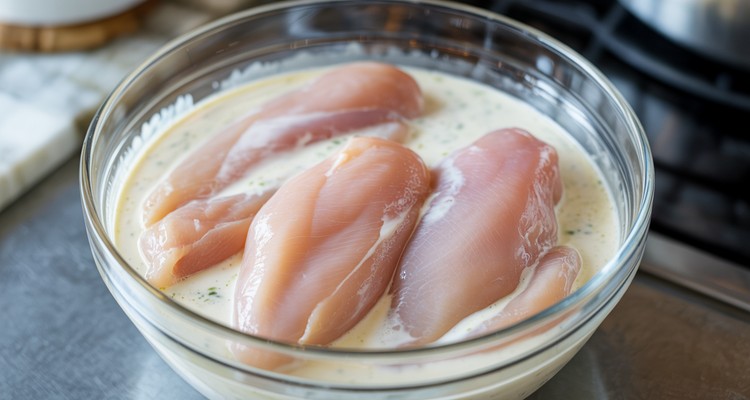
Whisk together the buttermilk with a dash of hot sauce (optional), salt, and pepper in a medium bowl. Add the chicken strips, making sure they are fully submerged. Cover and refrigerate for at least 30 minutes, or up to 4 hours for maximum tenderness[USDA].
The lactic acid in buttermilk gently breaks down tough protein fibers, which is why buttermilk-marinated chicken is noticeably more tender and juicy than unmarinated strips. This step is not optional if you want restaurant-quality results.
Step 3: Set Up the Breading Station
Prepare three shallow dishes in a row. Dish 1 gets the seasoned flour mix: whisk together flour, cornstarch, and all dry seasonings. Dish 2 gets beaten eggs with a tablespoon of water.
Dish 3 gets the remaining seasoned flour for the final coat.
Working one piece at a time, remove a strip from the buttermilk and let the excess drip off. Coat in flour (Dish 1), dip completely in egg wash (Dish 2), then press firmly into the final flour (Dish 3). This double-dredge builds the thick, shaggy, crispy crust that defines great chicken fingers.
 Pitmaster Tip: Adding cornstarch to the flour mix is the crunch secret. Cornstarch absorbs less moisture during frying, producing a lighter, crispier coating that stays crunchy much longer than flour alone.
Step 4: Frying to Crispy Perfection
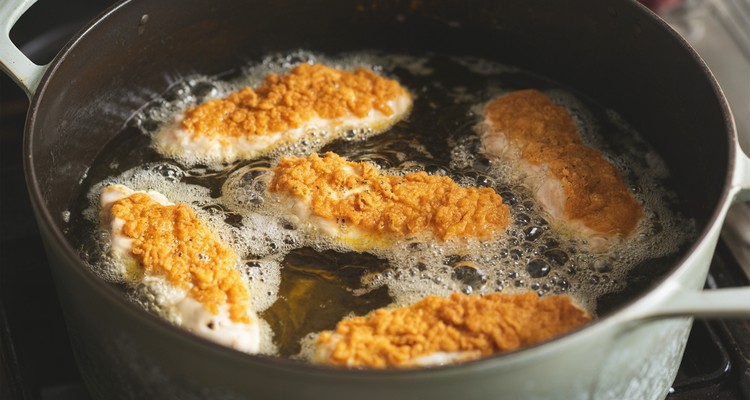
Pour oil into your Dutch oven to a depth of at least 2 inches and heat over medium-high until a thermometer reads 350°F. This temperature is hot enough to instantly seal the breading without absorbing oil, but cool enough to cook the chicken through before the coating burns.
Carefully lower 3-4 breaded strips into the oil. Do not overcrowd — too many strips drops the oil temperature and causes greasy, soggy results. Fry for 3-5 minutes per side until the breading is deep golden brown and the internal temperature reaches 165°F[FSIS].
Step 5: Draining and Serving
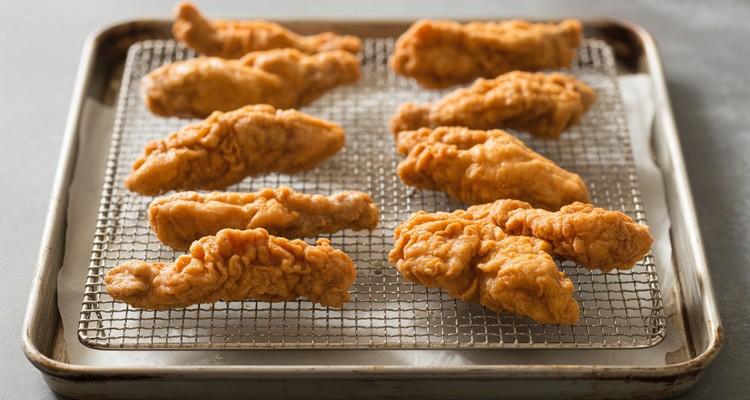
Transfer fried chicken fingers to a wire rack set over a baking sheet, never directly onto paper towels. The wire rack lets air circulate underneath, keeping the bottom crispy. Sprinkle with extra salt while still hot.
Let the fingers rest for 2-3 minutes before serving. This brief rest lets residual steam escape and allows the internal juices to settle. Serve immediately with honey mustard, ranch, BBQ sauce, or buffalo sauce.
Oil Temperature: Why 350°F Is the Magic Number
Oil temperature is the single most important variable in frying. A 25-degree difference in either direction changes the result dramatically. Use a clip-on thermometer and monitor constantly — oil temp drops every time you add food.
| Oil Temperature | Breading Result | Chicken Interior | Overall |
|---|---|---|---|
| Below 325°F (too cold) | Pale, soggy, oil-soaked | May be undercooked | Greasy, limp |
| 325-340°F (slightly low) | Soft, uneven browning | Cooked through (slowly) | Acceptable, not crispy |
| 350°F (ideal) | Deep golden, crispy, shaggy | Juicy, reaches 165°F in 6-8 min | Perfect crunch + juicy |
| 375°F+ (too hot) | Burned, dark, bitter | Possibly raw center | Burned outside, raw inside |
Tips for the Crispiest, Juiciest Chicken Fingers
The crispiest chicken fingers come from maintaining 350°F oil temperature throughout cooking, using the double-dredge flour-egg-flour technique for a thick shaggy crust, and choosing a high-smoke-point neutral oil like canola or peanut. These tips address the most common failure points.
Maintain Your Oil Temperature
If the oil is too cool, the breading absorbs excess oil and comes out greasy. If it is too hot, the coating burns before the chicken cooks through. Let the oil recover back to 350°F between batches before adding the next round of strips.
The Double-Dredge Technique for Extra Crunch
The flour-egg-flour sequence is the core technique. The first flour coat gives the egg something to grip, and the final flour coat builds the thick, shaggy outer layer that fries up crispy. Press firmly into the final flour but do not compact it, since the loose, craggy bits create the best texture.
Choosing the Right Oil
Canola oil is affordable with a 400°F smoke point, and vegetable oil performs similarly. Peanut oil has a slightly nutty flavor and a 450°F smoke point, making it the traditional choice for Southern-style frying. Avoid olive oil entirely because its low smoke point and strong flavor make it unsuitable for deep frying.
Pro Tip: Fry in small batches of 3-4 strips maximum. Overcrowding the pot drops oil temperature by 25-50°F, which causes steaming instead of frying and produces a soggy coating.Common Mistakes That Ruin Crispy Chicken Fingers
The most common mistakes that ruin crispy chicken fingers are frying in oil that is too cold, overcrowding the pan, skipping the buttermilk marinade, draining on paper towels instead of a wire rack, and using wet chicken in the breading station. Each error is easy to fix once you know what to watch for.
- Oil too cold: Strips absorb excess oil, producing pale, greasy, limp breading. Always verify 350°F with a thermometer before frying.
- Overcrowding the pot: Too many strips at once drops the oil temperature and creates steam instead of a fry. Cook 3-4 strips per batch.
- Skipping buttermilk: Without the acid tenderizing, the chicken is noticeably tougher and drier. Even 30 minutes makes a real difference.
- Draining on paper towels: Paper towels trap steam against the bottom of the chicken and soften the crust. Always use a wire rack.
- Wet chicken in the breading station: Excess buttermilk creates a gummy paste instead of a dry, craggy coating. Shake off the drips before the first flour dredge.
Frequently Asked Questions
How do I know when my fried chicken fingers are done?
Use an instant-read thermometer — chicken fingers are safely cooked when the internal temperature in the thickest part reaches 165°F. The breading should also be deep golden brown. Color alone is not reliable since high oil temps can brown the outside before the inside is cooked.
Why is my breading falling off my chicken fingers?
The most common causes are wet chicken going into the flour, skipping the initial flour coat, or overcrowding the pan so strips bump into each other. Pat chicken dry, always do the full flour-egg-flour sequence, and fry in small batches with space between strips.
Can I make fried chicken fingers without buttermilk?
Add 1 tablespoon of white vinegar or lemon juice to 1 cup of regular milk and let it sit for 5 minutes. The acid curdles the milk, creating a substitute that provides similar tenderizing and flavor benefits. Plain yogurt thinned with a little milk also works.
Can I fry chicken fingers with just flour?
You can, but the coating will be very thin and light — more like a pan-fried cutlet than a traditional chicken finger. For the thick, crispy breading that defines chicken fingers, the egg wash is essential for building up a substantial flour layer.
How long does it take to fry chicken fingers?
At 350°F, strips that are 1/2 to 3/4-inch thick take 3-5 minutes per side for a total of 6-10 minutes. Thicker strips need more time. Always verify doneness with a thermometer rather than relying on time alone.
Do you dip chicken in egg or flour first?
Always flour first. The dry flour coat gives the wet egg wash something to adhere to. If you dip directly in egg, it slides off the slippery chicken surface and the breading will not stick properly.
Can I make these chicken fingers in an air fryer?
Bread the chicken using the same double-dredge method, then spray generously with cooking oil. Air fry at 400°F for 10-12 minutes, flipping once halfway through. The coating will be lighter and thinner than deep-fried, but still crispy and significantly lower in fat.
What is the best way to store and reheat leftover fried chicken fingers?
Store in an airtight container in the refrigerator for up to 3 days[FSIS]. Reheat on a wire rack in a 400°F oven for 10-15 minutes until the breading re-crisps. An air fryer at 375°F for 5-6 minutes also works well.
What is the best dipping sauce for fried chicken fingers?
Classic choices include honey mustard, ranch dressing, BBQ sauce, and buffalo sauce. A simple homemade option is equal parts honey and hot sauce stirred together. Tangy and creamy dips work especially well because they cut through the richness of the fried coating.
Can I freeze breaded chicken fingers before frying?
Yes. Lay the breaded (uncooked) strips in a single layer on a parchment-lined baking sheet and freeze until solid, about 2 hours. Transfer to a freezer bag for up to 3 months.
Fry directly from frozen at 350°F, adding 2-3 extra minutes to the cooking time.
Crispy Fried Chicken Fingers
Equipment
- Dutch oven or deep heavy-bottomed pot At least 4-quart capacity for safe frying depth
- Deep-fry or instant-read thermometer Non-negotiable for maintaining 350°F oil and verifying 165°F internal temp
- Wire cooling rack Set over a baking sheet — do not use paper towels
- Three shallow dishes or pie plates For the flour, egg wash, and final flour dredge station
- Long tongs For safe lowering and turning of chicken in hot oil
Ingredients
Chicken and Marinade
- 1.5 lbs boneless skinless chicken breasts or tenderloins Slice breasts into 1/2 to 3/4-inch strips; tenderloins can be used whole
- 1.5 cups buttermilk
- 1 tsp salt For marinade
- 0.5 tsp black pepper For marinade
- 1 dash hot sauce Optional — adds subtle heat to the marinade
Breading
- 2 cups all-purpose flour Divided — half for first dredge, half for final coat
- 2 tbsp cornstarch Mixed into flour — creates a lighter, crispier crust
- 1 tsp garlic powder
- 1 tsp onion powder
- 1 tsp paprika
- 0.25 tsp cayenne pepper Adjust to taste
- 1 tsp salt For the flour seasoning
- 0.5 tsp black pepper For the flour seasoning
- 2 large eggs
- 1 tbsp water Mixed with eggs for the egg wash
Frying
- 2 quarts canola, vegetable, or peanut oil Enough for 2 inches depth in your pot; peanut oil for traditional Southern flavor
Instructions
- Slice chicken breasts lengthwise into uniform strips about 1/2 to 3/4-inch thick. If using tenderloins, remove the tough white tendon. Pat every strip completely dry with paper towels — surface moisture prevents the buttermilk from clinging properly.
- Whisk together buttermilk, salt, black pepper, and hot sauce (if using) in a medium bowl. Add chicken strips and submerge completely. Cover and refrigerate for at least 30 minutes, or up to 4 hours for maximum tenderness.
- Set up three shallow dishes: Dish 1 — whisk together flour, cornstarch, garlic powder, onion powder, paprika, cayenne, salt, and pepper. Dish 2 — beat eggs with 1 tablespoon water. Dish 3 — fill with the remaining seasoned flour.
- Pour oil into your Dutch oven to a depth of 2 inches. Heat over medium-high until a thermometer reads 350°F. Maintain this temperature throughout — use a clip-on thermometer and let oil recover between batches.
- Remove a strip from the buttermilk and let excess drip off. Coat in Dish 1 flour, dip fully in Dish 2 egg wash, then press firmly into Dish 3 flour for the final coat. The loose, shaggy coating is what creates the crispy crust.
- Carefully lower 3–4 breaded strips into 350°F oil. Do not overcrowd. Fry 3–5 minutes per side until deep golden brown and the internal temperature reaches 165°F. Let oil return to 350°F before the next batch.
- Transfer fried chicken fingers to a wire rack set over a baking sheet — never paper towels. Sprinkle with salt while still hot. Rest 2–3 minutes before serving with dipping sauces.
Notes