A smoked ham hock can transform the simplest pot of beans or greens into something deeply satisfying. This affordable, collagen-rich cut absorbs smoke like a sponge and renders down into fall-off-the-bone tender meat that adds body and flavor to everything it touches. This guide walks you through the complete process of smoking ham hocks from scratch on any smoker or pellet grill. You will learn how to select, brine, season, and smoke ham hocks to perfection, plus how to use them in your favorite dishes.
Quick Summary
- Flavor Powerhouse — Smoked ham hocks infuse dishes with deep, savory pork flavor and a rich, gelatinous texture, making them ideal for enhancing soups, stews, and braised greens.
- Fresh vs. Cured — Choose fresh hocks for full control over seasoning and brining, or opt for convenient pre-cured hocks that only require a quick rinse before smoking.
- Low and Slow — Smoke ham hocks at 225-250°F for 3-5 hours until they reach an internal temperature of 195-200°F for optimal tenderness, using hickory, apple, or cherry wood for best results.
- Versatile Ingredient — Once smoked, ham hocks can be shredded and added to a variety of dishes, providing a smoky, savory base that elevates everyday meals.
What Is a Ham Hock?
A ham hock is the joint connecting a pig’s foot to its leg. It contains bone, collagen, connective tissue, fat, and a modest amount of meat. When smoked low and slow, that collagen breaks down into a rich, gelatinous texture that infuses dishes with deep, savory pork flavor.
Key Characteristics of a Ham Hock
- Located on the lower portion of the pig’s leg, just above the foot
- High ratio of skin, bone, and connective tissue relative to meat
- Deeply savory flavor profile that intensifies when smoked
- Best suited for slow cooking methods like smoking, braising, or simmering
Choosing Ham Hocks for Smoking
The most important decision before smoking ham hocks is whether to start with fresh or pre-cured. Fresh hocks give you full control over seasoning and salt levels, while cured hocks are convenient but already salted. Choose based on how much prep time you have and how much control you want over the final flavor. Fresh ham hocks are raw and uncured with a milder pork flavor. They require brining before smoking to ensure moisture and proper seasoning penetrate the dense meat. You get complete control over the final salt and flavor profile. Cured or smoked ham hocks are the type most commonly found at grocery stores. They have already been treated with a salt solution and often lightly smoked. Do not brine pre-cured ham hocks. Simply rinse them before applying a rub and smoking.
 Pitmaster Tip: If the label says “smoked” or “cured,” skip the brine entirely. Adding more salt to an already-cured hock can make it inedible. A quick rinse under cold water is all you need before seasoning.
What to Look for at the Butcher Counter
- Look for hocks that feel heavy for their size with a decent amount of meat below the thick skin
- Fresh hocks should have a pale pink to reddish hue with no grey spots or dark discoloration
- The skin should be smooth and intact, which helps develop a crispy exterior and holds moisture during the long smoke
Essential Equipment and Ingredients
To smoke ham hocks, you’ll need a smoker or pellet grill and a reliable meat thermometer. For the ingredients, the key items are the ham hocks themselves, a simple brine if using fresh hocks, and a classic BBQ rub to build a flavorful bark.
Equipment List
- Smoker or pellet grill
- Wood chunks or wood pellets (hickory, apple, or cherry recommended)
- Large, non-reactive container for brining (if using fresh hocks)
- Instant-read digital meat thermometer
- Shallow aluminum foil pan (optional, for braising during the final hour)
- Tongs
Ingredients List
For 2-4 ham hocks (about 1-1.5 lbs each): Brine (for fresh hocks only):
- 1 gallon cold water
- 1 cup kosher salt
- 1/2 cup brown sugar
- 4 cloves garlic, smashed (optional)
- 1 tbsp black peppercorns (optional)
Dry rub:
- 2 tbsp coarse black pepper
- 1 tbsp paprika
- 1 tbsp garlic powder
- 1 tsp onion powder
 Quick Facts: Essential equipment includes a smoker, wood, and a meat thermometer, while ingredients focus on the hocks, a simple brine (if needed), and a flavorful BBQ rub.
How to Smoke Ham Hocks: A Step-by-Step Guide
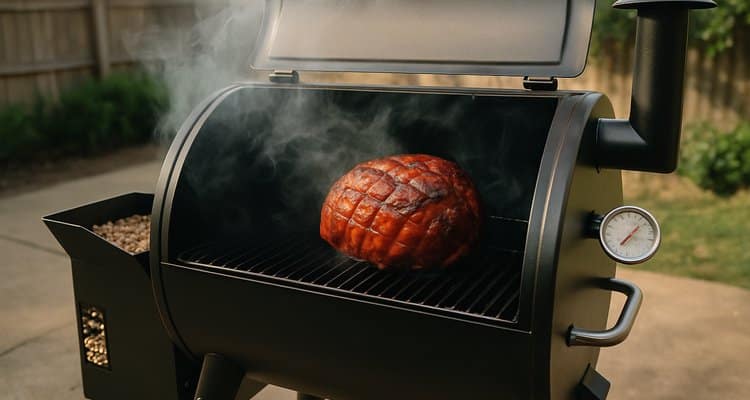
Smoking ham hocks is a straightforward process that rewards patience. Preheat your smoker, season the hocks, place them on the grate, and let low-and-slow heat and wood smoke do the work over 3-5 hours until the internal temperature reaches your target.
Step 1: Brine the Ham Hocks (If Using Fresh)
- In a large container, combine the water, kosher salt, and brown sugar. Stir until fully dissolved.
- Add optional aromatics like garlic and peppercorns.
- Submerge the fresh ham hocks in the brine, ensuring they are fully covered. Refrigerate for 12-24 hours.
- After brining, remove the hocks, rinse thoroughly under cold water, and pat completely dry with paper towels.
Step 2: Prepare Your Smoker
- Preheat your smoker or pellet grill to a target temperature of 225-250°F.
- Add your wood of choice. Hickory wood provides a classic, robust smoke flavor that pairs perfectly with pork. Apple or cherry wood offers a milder, slightly sweeter smoke.
Step 3: Season the Ham Hocks
- For brined hocks, make sure they are very dry. For pre-cured hocks, give them a quick rinse and pat dry.
- In a small bowl, mix the black pepper, paprika, garlic powder, and onion powder.
- Apply a light, even coat of the rub over the entire surface of each ham hock.
Step 4: Smoke to Perfection
- Place the seasoned ham hocks directly on the smoker grates.
- Smoke for 3-4 hours, or until they develop a deep, mahogany-colored bark.
- For extra tenderness, place the hocks in a foil pan with a small amount of liquid (apple cider or beer work well) and cover with foil for the last hour of cooking.
Step 5: Check for Doneness
The primary indicator of doneness is internal temperature. For food safety, pork must reach a minimum internal temperature of 145°F and rest for three minutes[USDA]. For truly fall-off-the-bone tender meat, continue cooking until the internal temperature reaches 195-200°F. At this stage, the tough connective tissues have fully rendered. Let the ham hocks rest for 15-20 minutes before shredding or adding to another dish.
A few tools that help with this long smoke:
- ThermoMaven Smart Bluetooth Wireless Meat Thermometer — monitor ham hock temps remotely without opening the smoker
- MEATER Plus Bluetooth Wireless Meat Thermometer — leave-in probe tracks internal temp across a 3-5 hour cook
- ThermoPro TP20 Wireless Meat Thermometer with Dual Probe — monitors both meat temp and ambient smoker temperature
- Bryco Goods Pink Butcher Paper Roll — wrap ham hocks during the rest to retain heat and moisture
Pro Tip: Insert your thermometer probe into the thickest part of the meat, avoiding bone contact. Bone conducts heat faster than meat and will give you a falsely high reading.Smoked Ham Hock Temperature and Timing Guide
Use this chart as a reference for planning your cook, targeting a smoker temperature between 225-250°F. While times vary based on hock size and your specific smoker, always rely on an instant-read thermometer and cook to internal temperature, not the clock, for perfect results.
| Smoker Temp | Estimated Time | Safety Temp | Tenderness Temp | Notes |
|---|---|---|---|---|
| 225°F | 4-5 hours | 145°F | 195-200°F | Best for deep smoke penetration and maximum flavor |
| 250°F | 3-4 hours | 145°F | 195-200°F | Slightly faster with excellent tender results |
| 275°F | 2.5-3.5 hours | 145°F | 195-200°F | Less smoke flavor; works when short on time |
Wood Choices for Smoking Ham Hocks
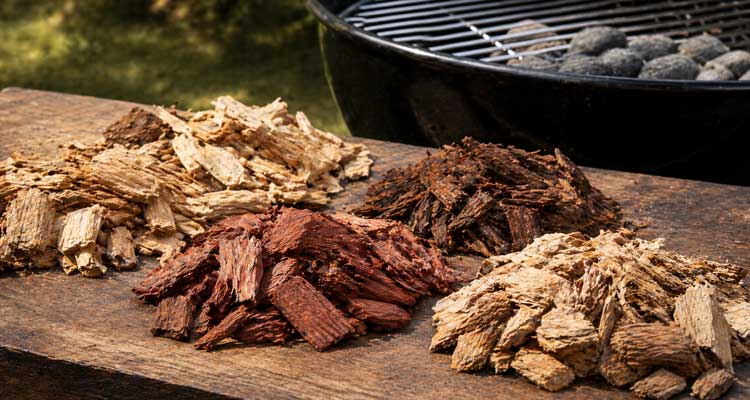
Wood selection directly impacts the final flavor of your smoked ham hocks. While pork is versatile, classic choices like hickory provide a robust, bacon-like smokiness. For a milder, sweeter profile, consider apple or cherry wood, which also add beautiful color to the final product. Hickory wood is the classic choice for smoking pork. It delivers a robust, bacon-like smokiness that complements the natural richness of ham hocks without overpowering them. This is the go-to if you want traditional BBQ flavor. Apple wood produces a milder, slightly sweet smoke that works well if you plan to use the hocks in lighter dishes like soups. Cherry wood adds a subtle fruity sweetness and gives the skin a beautiful reddish-mahogany color. Avoid mesquite for ham hocks. Its intense, sharp smoke can turn bitter over a 3-5 hour cook and overwhelm the pork flavor.
Quick Facts: Hickory is ideal for a robust, bacon-like smoke, while apple or cherry wood offer milder, sweeter notes and enhance color. Avoid mesquite due to its strong, potentially bitter flavor over long cooks.How to Use Smoked Ham Hocks
Smoked ham hocks are a flavor base, not just a standalone cut. Their real power comes from what they add to other dishes. The rendered collagen creates body in broths, and the smoky meat shreds easily into soups, beans, and greens.
For Flavoring Soups and Stews
Add a whole smoked ham hock to the pot at the beginning of cooking for dishes like split pea soup, lentil soup, or hearty beef stew. The hock will release its smoky, savory flavor into the broth as it simmers. Remove the hock at the end, shred the meat, and return it to the soup. In Beans and Legumes A smoked ham hock is the classic seasoning for Southern-style pinto beans, black-eyed peas, and navy beans. Drop it in the pot and let it simmer alongside the beans. The smoky, salty flavor infuses the cooking liquid and the beans themselves.
With Braised Greens
Simmer a smoked ham hock with collard, turnip, or mustard greens to create a rich, savory broth known as potlikker. The tender shredded meat adds substance to the dish. This is one of the most popular uses for smoked ham hocks in Southern cooking.
Troubleshooting Common Issues
Even experienced pitmasters run into problems with ham hocks from time to time. Here are the most common issues and how to fix them.
My Ham Hock Is Tough
This almost always means it has not cooked long enough. Ham hocks are tough cuts that need extended time for the collagen to break down. Reaching 145°F ensures safety, but tenderness happens closer to 195-200°F. If the bark is getting too dark before the internal temperature reaches your target, place the hock in a covered foil pan with a little liquid and let it braise until tender.
The Flavor Is Too Smoky
This usually comes from using too much strong wood like mesquite or from a dirty, smoldering fire that produces acrid smoke. Use milder woods like apple or cherry. Make sure your smoker is producing thin, clean, bluish smoke rather than thick white billows.
The Meat Stalled and Won’t Get Hotter
The stall is a common barbecue phenomenon caused by evaporative cooling from the meat’s surface. It typically happens between 150-170°F. Be patient and wait it out, or use the Texas Crutch method: wrap the ham hock tightly in foil or butcher paper to push through the stall.
Storing and Reheating Leftovers
Properly storing smoked ham hocks ensures they stay delicious and safe to eat. They keep well in the refrigerator for several days and can be frozen for longer-term storage. When reheating, gentle simmering is the recommended method to restore their tender texture without drying them out.
Refrigeration
Store whole or shredded smoked ham hock in an airtight container in the refrigerator for up to 4 days[USDA]. Let the hocks cool to room temperature before sealing them up.
Freezing
For longer storage, wrap the hocks tightly in plastic wrap and then foil, or use a vacuum sealer. Frozen smoked ham hocks maintain quality for up to 3 months.
Reheating
The recommended way to reheat is to simmer the hock gently in a small amount of broth, water, or sauce on the stovetop. This prevents drying out and brings the meat back to a tender, pull-apart texture. Avoid the microwave, which tends to make the skin rubbery.
| Storage Method | Duration | Container | Reheating Tip |
|---|---|---|---|
| Refrigerator | Up to 4 days | Airtight container | Simmer in broth on stovetop |
| Freezer | Up to 3 months | Plastic wrap + foil or vacuum sealed | Thaw overnight in fridge, then simmer |
| Shredded (fridge) | Up to 3 days | Airtight container with cooking liquid | Add directly to soups or beans while reheating |
Frequently Asked Questions
How long does it take to smoke a ham hock?
On average, it takes 3-5 hours to smoke a ham hock at a temperature between 225°F and 250°F. The exact time depends on the size of the hock and your smoker’s consistency. Always cook to internal temperature rather than time alone, targeting 195-200°F for maximum tenderness.
Do you have to boil ham hocks before smoking?
No. Boiling removes natural pork flavor and is unnecessary. If you are using fresh, uncured hocks, a cold saltwater brine is the preferred method for adding moisture and seasoning. Pre-cured hocks need only a quick rinse before seasoning and smoking.
What’s the difference between a ham hock and a ham shank?
The ham hock is the joint at the very bottom of the pig’s leg near the foot. It is mostly bone, skin, and connective tissue. The ham shank sits just above the hock and is much meatier. Both benefit from slow cooking, but shanks yield more sliceable meat while hocks are better for flavoring dishes.
Can you overcook a ham hock?
It is very difficult to overcook a ham hock because the cut is so rich in collagen. Cooking past 205°F may make the small amount of meat mushy, but the primary risk is drying out rather than toughness. Wrapping in foil during the last hour helps prevent moisture loss.
What is the best wood for smoking ham hocks?
Hickory wood is the top choice for smoking ham hocks. It delivers a robust, bacon-like smokiness that pairs naturally with pork. Apple and cherry wood are excellent alternatives that produce milder, slightly sweeter smoke. Avoid mesquite, which can turn bitter over long cooks.
Take Home Message
Smoking ham hocks is a rewarding process that transforms an inexpensive cut into a flavor powerhouse. By following proper brining, seasoning, and low-and-slow smoking techniques, you can achieve incredibly tender, smoky meat perfect for enriching a variety of dishes. Master this technique to elevate your soups, stews, and braised greens with a depth of flavor that only a perfectly smoked ham hock can provide.
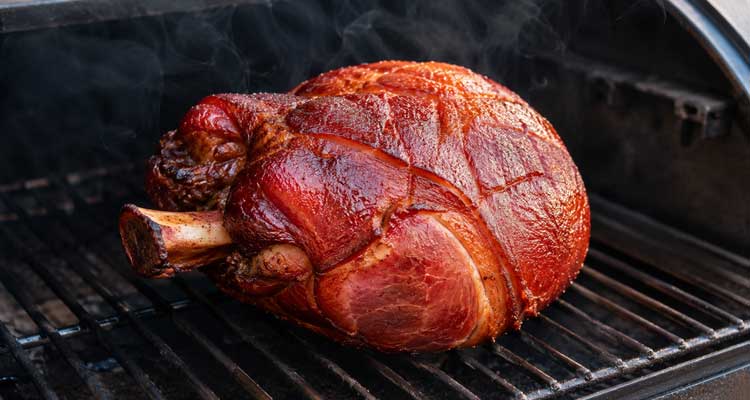
Smoked Ham Hock
Equipment
- Smoker or pellet grill
- Wood chunks or pellets Hickory, apple, or cherry recommended
- Large, non-reactive container For brining fresh hocks
- Instant-read digital meat thermometer
- Shallow aluminum foil pan Optional, for braising
- Tongs
Ingredients
Main
- 2-4 ham hocks About 1-1.5 lbs each, fresh or pre-cured
Brine (for fresh hocks only)
- 1 gallon cold water
- 1 cup kosher salt
- 1/2 cup brown sugar
- 4 cloves garlic, smashed Optional
- 1 tbsp black peppercorns Optional
Dry Rub
- 2 tbsp coarse black pepper
- 1 tbsp paprika
- 1 tbsp garlic powder
- 1 tsp onion powder
Instructions
- If using fresh ham hocks, prepare the brine by combining the water, kosher salt, and brown sugar in a large container, stirring until dissolved. Add optional garlic and peppercorns, then submerge the hocks completely. Refrigerate for 12-24 hours, then remove, rinse thoroughly under cold water, and pat completely dry with paper towels.
- Preheat your smoker or pellet grill to a target temperature of 225-250°F. Add your wood of choice, such as hickory for a robust flavor or apple for a milder, sweeter smoke.
- Ensure the ham hocks are completely dry. For pre-cured hocks, give them a quick rinse and pat dry first. In a small bowl, mix the black pepper, paprika, garlic powder, and onion powder. Apply a light, even coat of the rub over the entire surface of each ham hock.
- Place the seasoned ham hocks directly on the smoker grates. Smoke for 3-4 hours, or until they develop a deep, mahogany-colored bark. For extra tenderness, you can place the hocks in a foil pan with a splash of liquid (like apple cider or beer) and cover with foil for the last hour of cooking.
- Check for doneness using an instant-read thermometer. The hocks are safe to eat at 145°F with a 3-minute rest, but for fall-off-the-bone tenderness, continue cooking until the internal temperature reaches 195-200°F. Let the ham hocks rest for 15-20 minutes before shredding or serving.
Notes