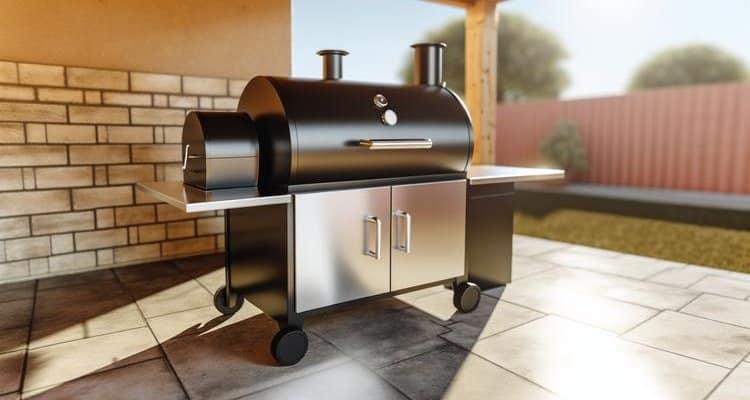
Starting your barbecue smoking journey requires understanding fundamental equipment, techniques, and safety practices that form the foundation of successful outdoor cooking. This comprehensive guide equips beginners with essential knowledge for selecting their first smoker, mastering temperature control, and achieving restaurant-quality results at home.
The transition from basic grilling to smoking represents a significant evolution in outdoor cooking skills, requiring patience, practice, and proper equipment selection. Modern smokers range from simple kettle grills with smoking capabilities to sophisticated pellet systems with digital controls, each offering unique advantages for different skill levels and cooking styles.
Success in smoking depends on mastering four critical elements: consistent temperature control, proper smoke production, accurate internal temperature monitoring, and understanding how different proteins respond to low-and-slow cooking. These fundamentals apply regardless of equipment choice, forming the basis for developing advanced techniques over time.
Quick Roundup List
- Best Overall: Weber Smokey Mountain Cooker 22-Inch
- Best Budget: Char-Broil Bullet Charcoal Smoker
- Best Electric: Masterbuilt 30″ Digital Electric
- Best Pellet: Traeger Woodridge Pellet Grill
- Best Kamado: Char-Griller Akorn Jr Portable Kamado
- Best Propane: Dyna-Glo 36-Inch Vertical LP Gas Smoker
- Best Portable: Weber Jumbo Joe 18″
| Model | Cooking Area | Weight | Best For | Link |
|---|---|---|---|---|
| Weber Smokey Mountain 22″ | 726 sq in | 68 lbs | Best Overall | See at Amazon |
| Char-Broil Bullet 16″ | 370 sq in | 20 lbs | Best Budget | See at Amazon |
| Masterbuilt 30″ Digital Electric | 710 sq in | 45 lbs | Best Electric | See at Amazon |
| Traeger Woodridge | 575 sq in | 124 lbs | Best Pellet | See at Amazon |
| Char-Griller Akorn Jr | 155 sq in | 37 lbs | Best Kamado | See at Amazon |
| Dyna-Glo 36″ Vertical | 784 sq in | 54 lbs | Best Propane | See at Amazon |
| Weber Jumbo Joe 18″ | 147 sq in | 17 lbs | Best Portable | See at Amazon |
Understanding Smoker Fundamentals
How Smokers Create Flavor
Smokers generate flavor through controlled combustion of wood, creating smoke compounds that penetrate meat surfaces during extended cooking periods. The smoke ring — a pink layer beneath the meat’s surface — forms when nitrogen dioxide from combustion reacts with myoglobin in the meat, creating a visual indicator of proper smoking technique. This chemical reaction occurs most effectively during the first few hours of cooking when meat surfaces remain moist and temperatures stay below 140°F.
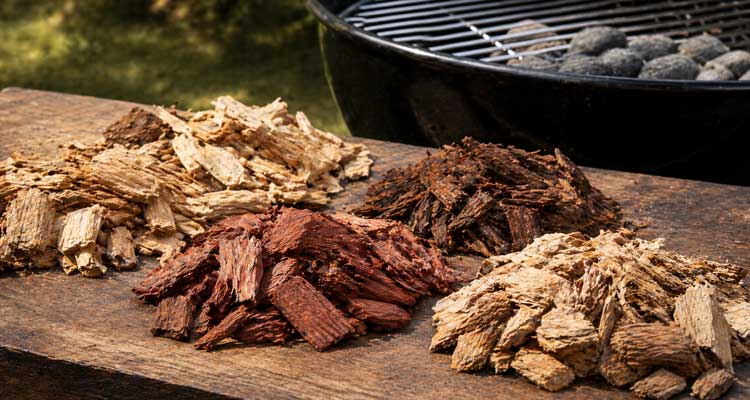
Different wood species produce distinct flavor profiles through varying concentrations of lignin, cellulose, and hemicellulose compounds. Hardwoods like oak and hickory create robust, intense flavors suitable for beef and pork, while fruitwoods produce milder, sweeter notes ideal for poultry and fish. Understanding wood selection and smoke production enables beginners to customize flavors based on protein type and personal preferences.
Wood Species Flavor Guide
| Wood Type | Flavor Intensity | Profile | Best For |
|---|---|---|---|
| Apple | Mild | Sweet, fruity | Poultry, pork, fish |
| Cherry | Mild | Sweet, mild smoke | Poultry, pork, game |
| Pecan | Medium | Rich, nutty | Pork, beef, poultry |
| Oak | Medium | Classic, balanced | All meats, brisket |
| Hickory | Strong | Bold, bacon-like | Pork, beef, ribs |
| Mesquite | Very Strong | Intense, earthy | Beef, quick grilling |
Essential Components Every Smoker Needs
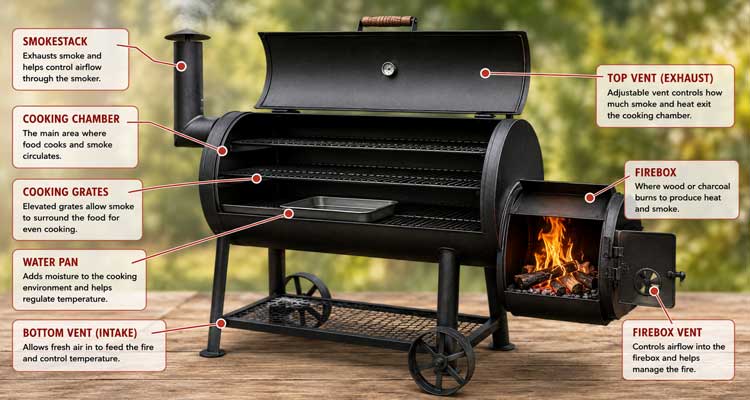
All functional smokers share five critical components that work together to create the controlled environment necessary for successful smoking. The firebox or heat source generates combustion, while the cooking chamber maintains consistent temperatures through insulation and airflow management. Intake and exhaust vents regulate oxygen flow, controlling both temperature and smoke production intensity.
Water pans serve dual purposes: maintaining humidity levels that keep meat surfaces moist for smoke absorption, and acting as heat sinks that stabilize temperature fluctuations. Cooking grates must position food at optimal distances from heat sources — typically 12–18 inches for indirect cooking. Understanding how these components interact helps beginners troubleshoot problems and optimize performance regardless of smoker type.
The Science of Low and Slow Cooking
Low-temperature smoking between 225–275°F breaks down tough connective tissues through enzymatic processes and collagen conversion, transforming inexpensive cuts into tender, flavorful meals. Collagen begins converting to gelatin around 160°F, but the process accelerates significantly at traditional smoking temperatures, requiring several hours for complete transformation in larger cuts.
This extended cooking time allows smoke compounds to penetrate deeply while moisture slowly evaporates from meat surfaces, concentrating flavors through reduction. The Maillard reaction — responsible for browning and complex flavor development — occurs even at these low temperatures, though more slowly than during high-heat grilling. Understanding these processes helps beginners recognize why patience produces superior results compared to rushing with higher temperatures.
Types of Smokers Explained
Charcoal Smokers
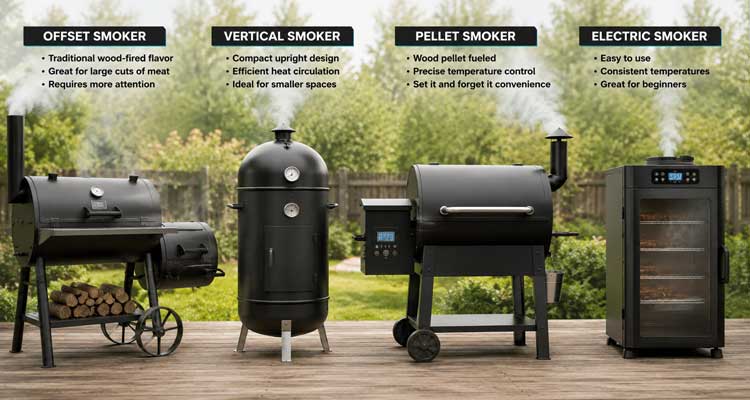
Charcoal smokers provide authentic smoke flavor through direct wood combustion, offering complete control over temperature and smoke intensity. Vertical water smokers like the Weber Smokey Mountain maintain stable temperatures through efficient design, while offset smokers provide larger capacity and traditional smoking experiences.
- Best for: Flavor enthusiasts who want competition-quality bark, smoke ring, and smoke penetration
- Pros: Superior smoke flavor, complete temperature and smoke control, foundational skills transferable to all smoking methods
- Cons: Active fire management required; steeper learning curve than gas or electric
- Key skill: Managing airflow through intake and exhaust vents — small adjustments create significant temperature changes
Electric Smokers
Electric smokers simplify temperature management through automated heating elements, making them ideal for beginners seeking consistency without constant monitoring. Digital controllers maintain precise temperatures within 5°F variations, while automatic wood chip feeders provide steady smoke production.
- Best for: Beginners seeking set-it-and-forget-it results, apartment dwellers, areas with fire restrictions
- Pros: Digital precision, minimal monitoring required, excellent for overnight cooks and cold smoking
- Cons: Reduced smoke flavor intensity compared to combustion-based systems
- Tip: Wood chip selection and placement optimization can meaningfully improve smoke flavor output
Pellet Grills
Pellet grills combine wood-fired flavor with digital convenience, automatically feeding compressed wood pellets to maintain set temperatures. Advanced models feature WiFi connectivity for remote monitoring and adjustment, making them popular among busy cooks seeking quality results with minimal intervention.
- Best for: Cooks who want wood-fire flavor with digital convenience; multi-use outdoor cooking
- Pros: Versatile (smoker, grill, and outdoor oven in one); consistent pellet burn delivers predictable smoke and temperature
- Cons: Lacks the intense smoke flavor of a traditional offset; higher initial cost
- Running cost: 1–2 lbs of pellets per hour at smoking temperatures — less per cook than most charcoal alternatives
Propane Smokers
Propane smokers offer rapid startup and precise temperature control through adjustable gas valves, eliminating charcoal management and ash cleanup. Vertical cabinet designs maximize cooking capacity in minimal footprint, while cast iron wood chip boxes provide smoke generation.
- Best for: Reliable year-round smoking without fire management; cooks who want clean temperature control
- Pros: Fast startup, steady temps regardless of weather, no ash cleanup, pure wood smoke without charcoal undertones
- Cons: Wood chips need replacing every 30–45 minutes for continuous smoke during long cooks
- Running cost: Standard 20 lb propane tank provides 15–20 hours of smoking time
Kamado Grills
Ceramic kamado grills retain heat exceptionally well through thick insulated walls, maintaining temperatures for 12+ hours on single charcoal loads. Their versatility enables smoking, grilling, roasting, and baking, with temperature ranges from 200–700°F.
- Best for: Cooks who want maximum versatility and fuel efficiency in a single unit
- Pros: Outstanding heat retention, unmatched fuel efficiency, widest temperature range of any smoker type (200–700°F)
- Cons: Heavy and expensive for ceramic models; vent control requires practice — temperature spikes can damage ceramics
- Learning curve: Moderate — once mastered, temperature stability is exceptional
Offset Smokers
Traditional offset smokers feature separate fireboxes that generate smoke and heat flowing through horizontal cooking chambers. This design enables pure wood fires and massive cooking capacity, making them favorites among competition teams and serious enthusiasts.
- Best for: Serious enthusiasts and competition teams who want authentic wood-fired BBQ at scale
- Pros: Most authentic BBQ flavor; large capacity; full control over fire, smoke, and heat
- Cons: Steepest learning curve; entry-level models often struggle with temperature control and smoke leakage
- Note: Thicker steel = better heat retention and more stable temperatures — invest in quality if going this route
Smoker Type Comparison
| Type | Temperature Control | Ease of Use | Flavor Intensity | Best For |
|---|---|---|---|---|
| Charcoal | Manual vents | Moderate | High | Flavor enthusiasts |
| Electric | Digital | Very Easy | Moderate | Beginners |
| Pellet | Automated | Very Easy | Moderate-High | Convenience seekers |
| Propane | Valve control | Easy | Moderate | Quick starts |
| Kamado | Vent control | Moderate | High | Versatility |
| Offset | Fire management | Difficult | Very High | Traditionalists |
Essential Equipment and Tools
Must-Have Accessories for Beginners
Quality thermometers represent the most critical investment after the smoker itself, with instant-read models for spot-checking and leave-in probes for continuous monitoring. Digital dual-probe thermometers allow simultaneous tracking of meat and chamber temperatures, eliminating guesswork from the cooking process.
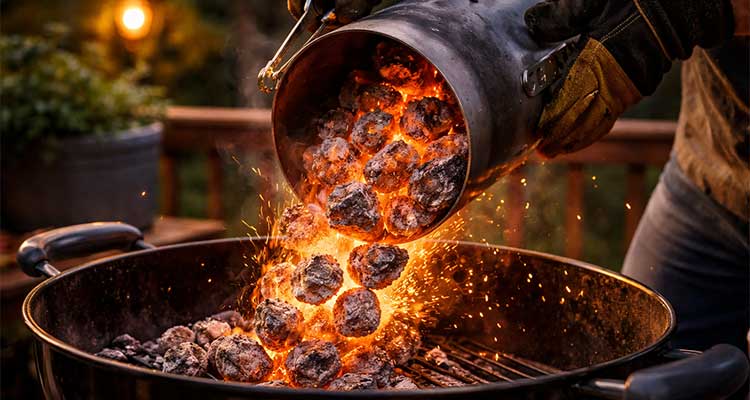
Heat-resistant gloves rated to 500°F protect hands during coal management and meat handling, while long-handled tongs and spatulas prevent burns from reaching across hot surfaces. A sturdy wire brush maintains clean grates that prevent sticking and off-flavors. Chimney starters eliminate lighter fluid tastes when using charcoal. These basic tools form a modest investment that significantly improves safety and convenience.
Temperature Monitoring Solutions
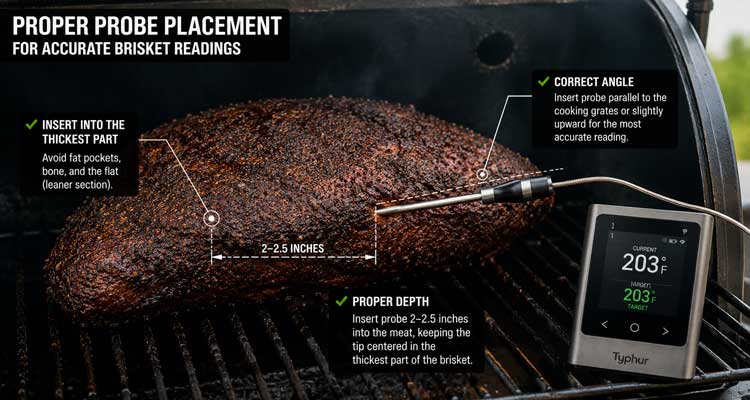
Modern wireless thermometers transmit real-time temperature data to smartphones, enabling monitoring from inside homes or while running errands. Multi-probe systems track various positions within large cuts or monitor multiple items simultaneously, particularly useful for mixed cooks involving different proteins. App integration provides temperature graphs, predictions, and alerts that help beginners understand cooking progression patterns.
Proper probe placement determines accuracy: insert into thickest portions avoiding fat deposits or bone contact that skew readings. Ambient temperature probes should position at grate level where food cooks, not near smoker walls where temperatures vary significantly. Calibrating thermometers in boiling water (212°F at sea level) ensures accuracy, with adjustments necessary for altitude variations.
Wood Selection Guide
Wood selection dramatically impacts final flavor profiles, with each species contributing unique characteristics suited to specific proteins. Mild fruitwoods complement poultry and seafood without overpowering delicate flavors, while robust hickory and mesquite stand up to beef’s intensity. Blending woods creates custom profiles: apple-cherry for sweetness, oak-hickory for balanced intensity.
Properly seasoned wood with 15–20% moisture content produces clean blue smoke ideal for flavoring, while green or wet wood creates bitter white smoke that ruins food. Wood chunks work best in charcoal smokers, providing longer burn times than chips, while pellet smokers require manufactured pellets meeting their specifications. Store wood in dry, ventilated areas preventing mold growth that creates off-flavors and potential health hazards.
Beginner Smoker Comparison
| Model | Fuel Type | Cooking Area | Weight | Best For | Link |
|---|---|---|---|---|---|
| Weber Smokey Mountain 22″ | Charcoal | 726 sq in | 68 lbs | Best Overall | See at Amazon |
| Char-Broil Bullet 16″ | Charcoal | 370 sq in | 20 lbs | Best Budget | See at Amazon |
| Masterbuilt 30″ Digital | Electric | 710 sq in | 45 lbs | Best Electric | See at Amazon |
| Traeger Woodridge | Pellet | 575 sq in | 124 lbs | Best Pellet | See at Amazon |
| Char-Griller Akorn Jr | Charcoal | 155 sq in | 37 lbs | Best Kamado | See at Amazon |
| Dyna-Glo 36″ Vertical | Propane | 784 sq in | 50 lbs | Best Propane | See at Amazon |
| Weber Jumbo Joe 18″ | Charcoal | 147 sq in | 10 lbs | Best Portable | See at Amazon |
Best Smokers for Beginners in 2026
Weber Smokey Mountain Cooker 22-Inch Charcoal Smoker — Best Overall
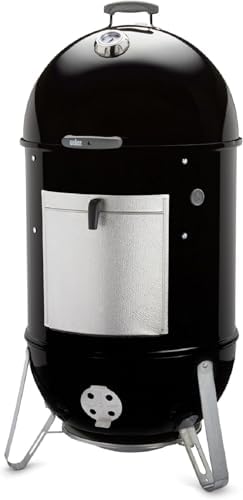
The Weber Smokey Mountain Cooker 22-Inch has earned its reputation as the benchmark beginner-to-intermediate charcoal smoker through decades of proven performance. The bullet-style vertical design uses a water pan to regulate temperature and add humidity, maintaining rock-steady heat in the 225–275°F range for 12+ hours on a single load of charcoal.
Dual cooking grates provide 726 square inches of total cooking space — enough for two full packer briskets or six racks of ribs simultaneously. The porcelain-enameled steel body resists rust and retains heat efficiently, while three aluminum dampers give precise airflow control that experienced users dial in within their first few cooks.
Highlights
- Porcelain-enameled steel body with rust-resistant finish for years of dependable use
- Two nickel-plated 22-inch cooking grates offering 726 sq in of total cooking area
- Built-in water pan stabilizes temperature and adds moisture during long smokes
- Three aluminum dampers provide precise airflow and temperature management
- Holds 225–275°F for 12+ hours on a single charcoal load using the Minion Method
Specifications
- Cooking Area: 726 square inches (two 22-inch grates)
- Fuel Type: Charcoal and wood chunks
- Dimensions: 23″ W x 23″ D x 41″ H
- Weight: 68 pounds
- Warranty: 10-year limited
Customer Reviews
- “This is my second Weber smoker. The first one lasted 20 years. Can’t go wrong with these. Great construction and durability.”
- “Once the unit is at the desired temperature, it stays there for hours. The 22.5″ model is large enough for all of my smoking needs and the output speaks for itself.”
- “My 22″ WSM has met all expectations. I’ve gone 15 hours with a full basket of charcoal briquettes with wood chunks holding temps perfectly.”
Char-Broil Bullet Charcoal Smoker — Best Budget
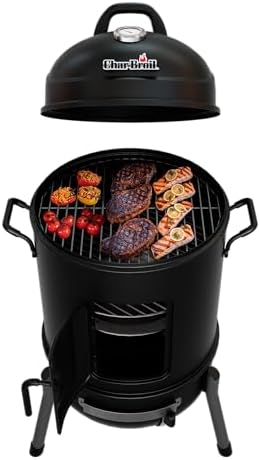
The Char-Broil Bullet delivers surprising performance at entry-level pricing, offering genuine smoking capability for beginners exploring the hobby. While construction quality doesn’t match premium models, the basic design principles work effectively when properly managed. The compact 16″ diameter suits small patios or apartment balconies where space constraints limit options.
Porcelain-coated steel construction resists rust while the innovative airflow control system simplifies temperature management. Temperature control requires more attention than expensive alternatives, with thinner steel construction causing faster heat loss in wind or cold weather. However, modifications like gasket tape and water pan upgrades significantly improve performance for minimal additional investment.
Highlights
- Genuine smoking capability at entry-level pricing
- Porcelain-coated steel lid, body, and fire bowl resist rust
- Innovative airflow control system for temperature management
- Removable ash pan system simplifies cleanup
- Lid-mounted temperature gauge for easy monitoring
- Modification-friendly for performance improvements
Specifications
- Cooking Area: 370 square inches across 2 grates
- Fuel Type: Charcoal and wood chunks
- Dimensions: 21.1″ D x 23″ W x 37.6″ H
- Weight: Approximately 20 pounds
- Features: Dual-carry handles, high-quality fire access door
- Warranty: 1-year limited
Customer Reviews
- “Best little smoker I’ve ever owned. I’ve used this multiple times to smoke everything from pork, beef, turkey, and chicken. And it has worked great with everything.”
- “This smoker is well made. The steel is thicker than the last smoker I had. It feels like it will last a long time. Heating is easy to control with vents top and bottom.”
- “I’ve had several Bullet smokers and in my opinion nothing smokes better than a Bullet Smoker. It’s surprisingly easy to keep an even temp on this one.”
Masterbuilt 30-Inch Digital Electric Smoker – Best Electric

The Masterbuilt 30-Inch Digital Electric Smoker keeps the electric-smoker slot focused on the same beginner-friendly format: push-button digital controls, a vertical cabinet, and simple wood-chip loading. Its patented side wood chip loader lets new users add smoke flavor without opening the main door and losing heat during a cook.
With 710 square inches of cooking area and four chrome-coated racks, it has enough room for ribs, poultry, pork butts, or batch cooking without taking over the patio.
Highlights
- Digital control panel sets cooking time and smoking temperature up to 275°F
- Patented side wood chip loader adds smoke without opening the smoker door
- 710 square inches of cooking space across 4 chrome-coated racks
- Removable water bowl helps maintain moisture during longer smokes
- Rear grease tray simplifies cleanup after cooking
Specifications
- Cooking Area: 710 square inches
- Fuel Type: Electric with wood chips for smoke
- Temperature Range: Up to 275°F
- Racks: 4 chrome-coated smoking racks
- Model: MB20071117
- Power Source: Corded electric
Customer Reviews
- “Unboxing and doing the minor assembly required for this smoker is quick and easy. It took me less than 30 minutes.”
- “It holds its set temperature well. It gives good smoke from the chips. The loading of the chips is convenient and easy.”
- “The smoker could not be easier to use. Plug it in, set the temperature that you want and the time, and off it goes.”
Traeger Woodridge Pellet Grill – Best Pellet
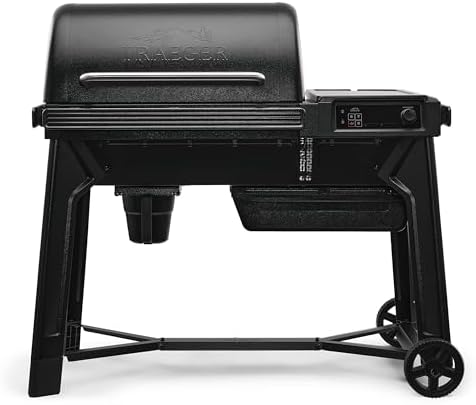
The Traeger Woodridge Pellet Grill keeps the beginner-friendly pellet slot focused on a current Traeger model with WiFIRE app control and simple set-and-monitor cooking. It gives new pellet-grill owners more room than the old Pro 575, with 860 square inches of cooking capacity and a 180°F to 500°F temperature range for smoking, grilling, baking, roasting, braising, and BBQ.
The EZ-Clean grease and ash system also makes it easier to keep up with cleanup after longer smoking sessions.
Highlights
- WiFIRE app control lets beginners monitor and adjust cooks from a phone
- 860 sq in cooking area fits larger family meals and weekend BBQ sessions
- 180°F to 500°F range supports low-and-slow smoking and higher-heat grilling
- 6-in-1 cooking modes cover grill, smoke, bake, roast, braise, and BBQ tasks
- EZ-Clean grease and ash system simplifies post-cook cleanup
Specifications
- Cooking Area: 860 square inches
- Fuel Type: Hardwood pellets
- Temperature Range: 180°F to 500°F
- Connectivity: WiFIRE app control
- Model: TFB86MLH
- Cleanup: EZ-Clean grease and ash keg
Customer Reviews
- “Love the grill, instructions were straight forward and the app works great. This is my first pellet grill and it makes grilling even easier.”
- “Good size when grilling for two to four but can also smoke a larger piece of meat for more. Excellent ability to really control smoking or grilling temp.”
- “Consistent smoke, set and forget. Took a little longer to setup than anticipated, but the consistent flavor of smoke is worth it.”
Char-Griller Akorn Jr Portable Kamado — Best Kamado

The Char-Griller Akorn Jr delivers ceramic-style cooking performance using triple-walled insulated steel construction at a fraction of traditional kamado prices. The 155 square inch cooking surface suits couples or small families, while exceptional heat retention enables 8-hour smokes on minimal charcoal. Temperature ranges from 200°F for smoking to 700°F for searing or pizza, demonstrating remarkable versatility.
Portability distinguishes this compact kamado, with 37-pound weight allowing tailgating or camping adventures impossible with ceramic alternatives. The learning curve for temperature control proves steeper than standard smokers, as the efficient design responds dramatically to small vent adjustments. Once mastered, fuel efficiency and temperature stability exceed most entry-level smokers.
Highlights
- Triple-walled steel provides ceramic-like heat retention
- Portable 37-pound weight enables mobility and camping use
- Temperature range spans 200–700°F for versatile cooking
- Cast iron cooking grates enhance heat retention
- Locking lid and easy-lift handles for transport
- Exceptional fuel efficiency reduces operating costs
Specifications
- Cooking Area: 155 square inches
- Fuel Type: Charcoal
- Temperature Range: 200°F to 700°F
- Weight: 37 pounds
- Features: Dual air dampers, cast iron grates, locking lid
- Warranty: 2-year limited
Customer Reviews
- “It’s my first smoker, and I’ve already done ribs, brisket, loin, fish, vegetables, bread, etc. from temps as low as 175 for 4 hours or up to 500 degrees for bread. Very easy to adjust and maintain temps in the Akorn Jr.”
- “I love these things, they work, the food tastes GREAT, uses less fuel, it’s portable, what’s NOT to love?”
- “I did research and found this gem. It works well almost as good as big green egg but it is much easier to move around.”
Dyna-Glo 36-Inch Vertical LP Gas Smoker – Best Propane

The Dyna-Glo 36-Inch Vertical LP Gas Smoker is the closest current match for the beginner propane slot, with the same upright gas-smoker format and 784 square inches of cooking space. Its 15,000 BTU cast iron burner, push-button ignition, and large control dial make it easier to manage steady smoking heat without tending charcoal.
The double-door layout lets beginners add wood chips or water without opening the main cooking chamber and dumping heat.
Highlights
- 784 square inches of cooking space across 4 adjustable steel wire racks
- 15,000 BTU cast iron burner with electronic push-button ignition
- Double-door design helps retain heat while adding chips or water
- Porcelain-enameled wood chip box and water bowl
- Top and side dampers help tune smoke and heat during longer cooks
Specifications
- Cooking Area: 784 square inches
- Fuel Type: Liquid propane
- Burner Output: 15,000 BTU
- Racks: 4 adjustable steel wire racks
- Dimensions: 27 in L x 19.2 in D x 46.46 in H
- Weight: 54 pounds
Customer Reviews
- “So far I have smoked a couple of pork butts and ribs and am impressed. The smoker seems fairly sturdy, racks are very nice and solid, and I love the seals on the doors.”
- “Good sturdy construction, yet light weight enough to move by myself. Can hold lots of product to smoke. Four shelves are large and nicely spaced.”
- “Upgraded from a bullet-style charcoal smoker to this. Great size for the amateur smoker. Runs very consistently – excellent for long duration.”
Weber Jumbo Joe 18-Inch Charcoal Grill – Best Portable

The Weber Jumbo Joe 18-Inch Charcoal Grill keeps the portable kettle format beginner-friendly while giving you more cooking room than Weber’s smaller 14-inch portable kettle. The 18-inch grate is large enough for a rack of ribs, burgers for a small family, or a two-zone charcoal setup for learning indirect smoking techniques.
The Tuck-N-Carry lid lock doubles as a lid holder, which is useful at campsites, tailgates, and small patios where you do not have much prep space. Porcelain-enameled steel construction, adjustable dampers, and Weber’s familiar kettle airflow make this a practical training grill for new smokers who want charcoal flavor without committing to a full-size smoker.
Highlights
- 18-inch portable kettle format with more room than Weber’s smaller 14-inch kettle
- Tuck-N-Carry lid lock secures the grill for transport and works as a lid holder
- Porcelain-enameled bowl and lid resist rust and retain heat
- Adjustable dampers help beginners learn charcoal temperature control
- Large enough for small-family grilling and simple indirect smoking setups
Specifications
- Model: 1211001
- Dimensions: 19.75 in L x 20.5 in W x 19.75 in H
- Weight: 17.46 lbs
- Fuel Type: Charcoal
Customer Reviews
- “This is a very spacious and nice grill. I was able to cook an entire rack of ribs and two steaks with plenty of room.”
- “Fantastic grill for travel or at home. I bought this specifically for camping and vacation, but now it’s the most used grill in my collection.”
- “I’ve wanted another Weber kettle for a while, but didn’t need the full sized one. Thought I’d take a chance on the smallish jumbo 18 inch model. I am not disappointed.”
Getting Started: Your First Smoke
Initial Setup and Seasoning
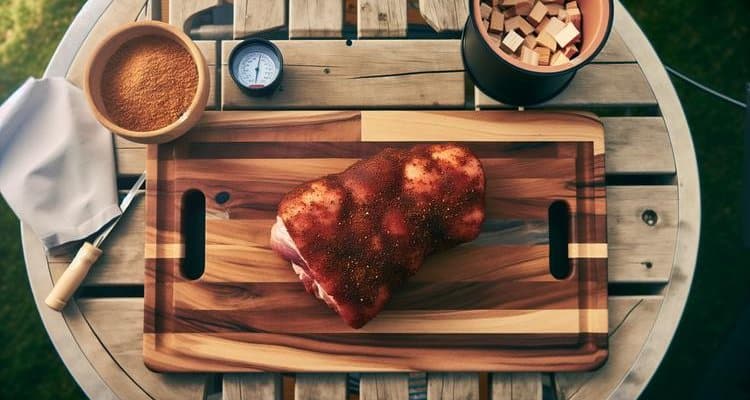
New smokers require seasoning to burn off manufacturing residues and create a protective coating on interior surfaces. Start by coating cooking grates with high-heat cooking oil, then run the empty smoker at 275°F for 2–3 hours with mild wood smoke. This process polymerizes oils into a non-stick surface while eliminating chemical odors that could taint food.
During seasoning, practice temperature control techniques specific to your smoker type. Charcoal users should experiment with vent adjustments, while pellet grill owners familiarize themselves with controller interfaces. Document vent positions and resulting temperatures for future reference, as every smoker behaves slightly differently based on construction variations and environmental factors.
Choosing Your First Cook
Select forgiving proteins for initial smoking attempts, avoiding expensive cuts until skills develop. Pork shoulder (Boston butt) proves ideal: the high fat content prevents drying, while the long cook time provides temperature control practice. Chicken thighs offer quicker results with similar forgiveness, reaching safe temperatures in 2–3 hours versus 8–12 for pork shoulder.
Avoid brisket, ribs, or whole turkeys initially, as these require precise technique to achieve optimal results. Plan your first cook for weekends when time pressure won’t force shortcuts, allowing natural progression through temperature stalls and proper rest periods. Start early morning to ensure completion before dinner, remembering that smoking always takes longer than expected.
Step-by-Step First Smoke Process
Follow these steps to set yourself up for success on your first smoke:
- Prep the night before: Trim excess fat, apply dry rub, and refrigerate meat uncovered to develop a pellicle (tacky surface layer) that attracts smoke.
- Gather extra fuel: Prepare more charcoal, pellets, or wood than you think you need — running out mid-cook creates temperature management challenges.
- Start early: Light your fire 30–45 minutes before cooking, allowing temperatures to stabilize before adding meat.
- Position meat correctly: Place protein fat-side up to self-baste, positioning thicker portions toward heat sources.
- Insert temperature probes: Place probes into the thickest areas, avoiding fat pockets or bone contact.
- Target a range: Maintain 225–250°F for most smoking applications rather than chasing exact numbers.
- Monitor hourly: Check both meat and chamber temperatures, adjusting vents or settings as needed.
- Resist opening the smoker: “If you’re looking, you’re not cooking.” Each peek adds 15–30 minutes to cook time.
- Rest before serving: When meat reaches target internal temperature, remove and rest wrapped in foil for 30–60 minutes.
Temperature Management Mastery
Understanding Your Smoker’s Hot Spots
Every smoker exhibits temperature variations across cooking surfaces, with differences of 25–50°F common between positions. Map these variations using the biscuit test: place canned biscuits across the grate and observe browning patterns after 15 minutes at 350°F. Darker biscuits indicate hotter zones typically closer to heat sources or exhaust paths.
Understanding temperature gradients enables strategic food placement, positioning thicker portions in hotter zones while delicate items cook in cooler areas. Rotate items during long cooks to ensure even exposure, particularly in offset smokers where temperatures vary dramatically between firebox proximity. Digital multi-probe thermometers help monitor different zones simultaneously, eliminating guesswork from position management.
The Minion Method for Charcoal
The Minion Method revolutionizes charcoal smoking by providing 12+ hour burn times without refueling. Here’s how to set it up:
- Fill the charcoal chamber with unlit briquettes, forming a depression in the center
- Add 15–20 lit coals on top of the unlit briquettes
- Distribute wood chunks throughout the unlit charcoal for steady smoke progression
- Adjust bottom vents to regulate burn rate: wider openings for higher temperatures, restricted airflow for lower heat
The lit coals slowly ignite adjacent briquettes, creating consistent heat over extended periods. This technique works particularly well in vertical water smokers and kettle grills, eliminating temperature spikes associated with adding cold fuel. Practice reveals optimal configurations for maintaining specific temperature ranges in your equipment.
Managing Temperature Stalls
Temperature stalls occur when evaporative cooling from moisture loss equals heat input, causing internal temperatures to plateau for hours. This phenomenon typically happens around 150–170°F, frustrating beginners who expect linear temperature progression. Understanding stalls as natural processes rather than problems prevents unnecessary adjustments that destabilize cooking conditions.
The Texas Crutch technique accelerates cooking through stalls by wrapping meat in foil with liquid, creating a braising environment that powers through plateaus. While effective for time management, wrapping softens bark (exterior crust) that many consider essential to proper barbecue. Alternatively, maintaining patience and consistent temperature eventually overcomes stalls while preserving bark integrity. Higher cooking temperatures (275°F versus 225°F) reduce stall duration without wrapping.
Common Beginner Mistakes to Avoid
Over-Smoking Your Food
Excessive smoke creates bitter, acrid flavors that overpower meat’s natural taste, representing the most common beginner error. White billowing smoke indicates incomplete combustion producing creosote, while ideal “thin blue smoke” barely visible against sky delivers clean flavors. Less smoke over longer periods produces better results than heavy smoke for short durations.
Limit wood additions to the first 3–4 hours when meat surfaces remain moist and below 140°F, the optimal range for smoke absorption. After this point, meat develops sufficient smoke flavor and additional wood primarily maintains heat rather than flavoring. Start conservatively with wood amounts; you can always add smoke flavor in future cooks but cannot remove excessive bitterness once absorbed.
Temperature Control Errors
Frequent lid opening for checking progress releases heat and smoke, extending cooking times while producing inconsistent results. Trust thermometers rather than visual inspection, remembering that properly positioned probes provide continuous monitoring without disturbing cooking environments. Each lid opening adds 15–30 minutes to total cooking time through heat loss and recovery periods.
Chasing exact temperatures proves counterproductive, as 25-degree variations produce negligible difference in final results. Maintain ranges rather than specific numbers: 225–250°F for traditional barbecue, 275–300°F for crispy skin poultry. Large temperature swings indicate improper vent management or fuel issues requiring attention, but minor fluctuations remain normal and acceptable.
Rushing the Process
Attempting to accelerate cooking through higher temperatures fundamentally misunderstands smoking’s purpose: enzymatic tenderization and collagen conversion require time regardless of heat levels. Raising temperatures to 350°F doesn’t create barbecue faster; it produces tough, dry meat lacking proper smoke flavor. Plan sufficient time including 30% buffer for unexpected delays.
Cutting meat immediately after cooking allows juices to escape, resulting in dry texture despite proper cooking. Rest periods of 30–60 minutes wrapped in foil enable moisture redistribution throughout proteins, dramatically improving final texture. Large cuts like brisket benefit from extended resting up to two hours in insulated containers (faux Cambro technique), maintaining serving temperature while improving tenderness.
Safety Guidelines and Best Practices
Food Safety Temperatures
Understanding safe internal temperatures prevents foodborne illness while achieving optimal texture. Reference this chart for both USDA safety minimums and competition-style finishing temperatures:
| Protein | USDA Safe Temp | Competition Finish | Notes |
|---|---|---|---|
| Whole Chicken/Turkey | 165°F | 175–180°F (thigh) | Dark meat improves at higher temps |
| Ground Meats | 160°F | 160°F | All species, no exceptions |
| Whole Beef/Pork | 145°F + 3 min rest | Varies by cut | Whole muscle only |
| Brisket | 145°F | 203°F | Probe tender is key indicator |
| Pulled Pork (Shoulder) | 145°F | 205°F | Complete collagen conversion |
| Ribs | 145°F | 195°F | Bend test: cracks at surface |
| Fish/Seafood | 145°F | 140–145°F | Flakes easily with fork |
Use instant-read thermometers to verify temperatures in multiple locations, particularly near bones or thick sections where heating lags. Document cooking times and temperatures for future reference and consistency.
Fire Safety Considerations
Position smokers on level, non-flammable surfaces minimum 10 feet from structures, overhangs, or combustible materials. Never operate smokers in garages, covered patios, or enclosed spaces where carbon monoxide accumulates to dangerous levels. Keep fire extinguishers rated for grease fires readily accessible, understanding that water worsens grease fires.
Maintain clean equipment to prevent grease fires, regularly emptying drip pans and cleaning accumulated residue. Inspect gas connections using soap solution to detect leaks, never using open flames for testing. Store pellets and charcoal in dry locations preventing spontaneous combustion from moisture exposure. Dispose of ashes only after complete cooling in metal containers, as hidden embers can reignite days later.
Proper Meat Handling
Maintain cold chain integrity by minimizing room temperature exposure, especially for poultry and ground meats harboring higher bacterial loads. Use separate cutting boards and utensils for raw and cooked products, preventing cross-contamination that causes illness. Wash hands thoroughly after handling raw meat and before touching other surfaces or foods.
Apply rubs and injections using clean equipment, discarding any remaining mixtures contacting raw meat. Never reuse marinades without boiling first to eliminate pathogens. Hold cooked meats above 140°F or below 40°F, avoiding the “danger zone” where bacteria multiply rapidly. When serving buffet-style, replace platters rather than adding fresh food to existing displays, maintaining proper temperatures throughout service.
Building Your Smoking Skills
Developing Your Palate
Training your palate to recognize quality barbecue involves systematic tasting and analysis of different techniques and flavors. Sample various restaurants and competition barbecue to understand regional styles and preferences. Note differences in smoke intensity, seasoning profiles, texture, and moisture levels, developing vocabulary to describe preferences and guide future cooking decisions.
Keep detailed cooking logs documenting rubs, woods, temperatures, and timing alongside tasting notes for each cook. This record reveals patterns in successful outcomes while identifying areas needing improvement. Share food with others gathering feedback, as different palates perceive flavors uniquely. Join online communities where members exchange samples and critiques, accelerating learning through collective experience.
Advanced Techniques to Master
After mastering basic smoking, explore advanced techniques expanding your capabilities. Injection adds moisture and flavor to lean cuts, while complex rub layering creates depth through multiple seasoning applications. Cold smoking below 90°F imparts flavor without cooking, perfect for cheese, salt, or cured meats requiring specialized equipment or techniques.
Reverse searing combines smoking with high-heat finishing, producing edge-to-edge doneness with crispy exteriors on steaks and roasts. The snake method arranges charcoal in continuous chains providing precise burn times for kettle grill smoking. Understanding when each technique applies enables customization based on desired outcomes rather than following rigid recipes.
Competition Smoking Basics
Competition barbecue represents the pinnacle of smoking skills, where minute details determine placement among dozens of skilled competitors. KCBS (Kansas City Barbeque Society) sanctions most competitions, judging chicken, ribs, pork, and brisket on appearance, taste, and tenderness. Understanding scoring criteria helps improve everyday cooking even without competition aspirations.
Competition techniques emphasize visual presentation through careful trimming, precise cooking, and strategic saucing or glazing. Flavor profiles tend toward balanced sweet-savory combinations appealing to broad palates rather than regional extremes. Box building (arrangement for judging) teaches portion control and presentation skills valuable for home entertaining. Consider attending competitions as a spectator to observe techniques and sample various styles before entering.
Maintenance and Long-Term Care
Cleaning Schedules and Methods
Regular cleaning extends equipment life while preventing off-flavors from accumulated residue. After each cook, brush grates while warm to remove food particles, then wipe with oiled paper towels preventing rust. Empty ash and grease collection systems preventing overflow that attracts pests or creates fire hazards.
Deep clean monthly during heavy use seasons, disassembling removable components for thorough degreasing. Avoid harsh chemicals that leave residues or damage protective coatings; warm water with mild dish soap handles most cleaning needs. Season cast iron grates after cleaning to maintain non-stick properties, while stainless steel benefits from specialized polishes removing discoloration.
Seasonal Storage Tips
Proper off-season storage prevents weather damage and extends smoker lifespan significantly. Clean thoroughly before storage, removing all ash, grease, and food residue that attracts moisture and pests. Apply thin coating of cooking oil to bare metal surfaces preventing rust formation during storage periods.
Store smokers in dry locations avoiding temperature extremes that cause metal expansion and contraction damaging welds or seals. Use breathable covers preventing moisture accumulation that promotes rust, avoiding plastic tarps that trap condensation. Remove electronic components like digital controllers for indoor storage, protecting sensitive circuits from humidity and temperature variations.
When to Upgrade Equipment
Recognize when equipment limitations hinder progress, justifying upgrades to more capable units. Consistent temperature control problems despite proper technique indicate construction quality issues requiring better insulation or thicker steel. Capacity constraints forcing multiple cooks for gatherings suggest larger smokers would improve efficiency.
Consider versatility needs as skills expand: dedicated smokers excel at low-and-slow cooking but lack high-heat grilling capability. Multi-functional units like kamados or pellet grills might better serve evolved cooking styles. Budget for quality improvements rather than lateral moves; significant upgrades justify expense through improved results and extended lifespan versus marginal improvements offering minimal benefit.
Troubleshooting Common Problems
Dealing with Temperature Fluctuations
Identify root causes of temperature instability through systematic evaluation of potential issues. Check door and lid seals for gaps allowing heat escape, using high-temperature gaskets to improve retention. Verify thermometer accuracy through boiling water calibration, as faulty readings cause unnecessary adjustments creating actual instability.
Wind significantly impacts temperature control, particularly in lightweight or uninsulated smokers. Position units to minimize exposure using windbreaks or rotating orientation relative to prevailing winds. Add thermal mass through water pans, fire bricks, or sand helping stabilize temperatures against environmental variations. Consider welding blankets or insulated covers for cooking in extreme cold, dramatically improving efficiency and stability.
Fixing Dry or Tough Results
Analyze moisture loss causes starting with temperature verification, as excessive heat accelerates dehydration producing tough, dry results. Confirm accurate thermometer readings and proper probe placement avoiding false readings causing premature removal. Increase humidity through water pans, spritzing, or foil boats containing liquid beneath cooking grates.
Select appropriate cuts for smoking methods: lean cuts require different approaches than fatty alternatives. Consider brining or injecting lean proteins adding moisture and seasoning throughout rather than surface treatment alone. Evaluate wood quantities ensuring smoke enhancement rather than overwhelming desiccation. Rest periods remain critical for moisture redistribution; rushing service guarantees suboptimal texture regardless of cooking perfection.
Smoke Production Issues
Diagnose smoke problems by evaluating fuel quality, airflow patterns, and combustion completeness. Wet or green wood produces white acrid smoke requiring properly seasoned alternatives with appropriate moisture content. Insufficient airflow causes incomplete combustion; verify vents remain unobstructed and properly adjusted for adequate oxygen supply.
Excessive smoke often results from oversized wood additions or smoldering rather than clean burning. Use smaller pieces achieving complete combustion, adding wood gradually rather than large quantities simultaneously. Pellet smokers experiencing weak smoke might benefit from smoke tubes providing supplementary smoke during cooking. Understanding your equipment’s optimal configuration for smoke production prevents both under and over-smoking issues.
Recipes and Techniques for Success
Essential Rubs and Marinades
Master basic barbecue rubs providing foundation for countless variations. Start with equal parts salt and pepper (Texas-style) for beef, adding paprika and garlic powder for all-purpose applications. Build complexity through brown sugar for caramelization, cayenne for heat, and dried herbs for aromatic depth. Document successful combinations and ratios for consistency across cooks.
Marinades serve dual purposes: flavoring and tenderizing through acid action on protein structures. Balance acid (vinegar, citrus), oil (carrying fat-soluble flavors), and seasonings based on protein characteristics. Limit marinating times preventing mushy texture: 2–4 hours for seafood, 4–8 hours for poultry, up to 24 hours for tough beef cuts.
Beginner-Friendly Proteins
Start with forgiving cuts building confidence before attempting challenging proteins. This reference table shows recommended proteins in order of increasing difficulty:
| Protein | Difficulty | Cook Time (at 250°F) | Target Internal Temp |
|---|---|---|---|
| Chicken Thighs | Easy | 2–3 hours | 175°F |
| Pork Shoulder (Boston Butt) | Easy | 8–12 hours | 205°F |
| Beef Chuck Roast | Easy-Medium | 6–8 hours | 205°F (shredded) |
| Salmon | Medium | 1–2 hours (at 180°F) | 140–145°F |
| Pork Tenderloin | Medium | 1.5–2 hours | 145°F |
| Baby Back Ribs | Medium | 4–5 hours | 195°F (bend test) |
Progress systematically through increasing difficulty levels, mastering fundamentals before attempting brisket or whole animals.
Simple Smoking Projects
Expand beyond traditional proteins exploring smoking’s versatility across various foods. Smoked vegetables develop complex flavors impossible through other cooking methods: peppers for salsas, tomatoes for sauces, onions for enhanced sweetness. Cheese cold-smoking requires temperatures below 90°F, imparting smoke without melting using ice pans or cold smoke generators.
Salt smoking creates gourmet finishing salts absorbing smoke flavors for later use. Nuts benefit from light smoking enhancing natural flavors without overwhelming delicate profiles. Reverse-seared steaks combine smoking with high-heat finishing producing restaurant-quality results. These projects provide practice opportunities between major cooks while expanding repertoire beyond traditional barbecue.
Budget Considerations
Initial Investment Breakdown
Budget realistically for complete setup including essential accessories beyond basic smoker purchase. Entry-level smokers range from basic models to mid-range units offering better construction and features. Allocate funds for quality thermometers ensuring food safety and consistent results.
Factor in fuel costs: charcoal and wood for traditional smokers, pellets for pellet grills, propane for gas units. Essential tools including gloves, tongs, chimney starters, and cleaning supplies add modest but necessary expenses. Quality storage solutions protect investments from weather damage, justifying cover expenses through extended equipment life. Consider ongoing consumables: rubs, sauces, wood varieties, and replacement parts maintaining optimal performance.
Ongoing Operating Costs
Calculate per-cook expenses to understand true barbecue costs beyond initial investment. Here’s a quick reference for fuel consumption across common smoker types:
| Smoker Type | Fuel Consumption per Cook | Typical Run Time |
|---|---|---|
| Charcoal | 5–10 lbs + wood chunks | 8–12 hours |
| Pellet | 1–2 lbs per hour | Depends on hopper size |
| Electric | Minimal electricity | Continuous operation |
| Propane | 20 lb tank + wood chips | 15–20 hours per tank |
Include food costs recognizing that smoking transforms inexpensive cuts into premium meals, offsetting restaurant dining while developing valuable skills.
Value vs Premium Options
Evaluate feature importance against budget constraints identifying necessary versus desirable capabilities. Construction quality significantly impacts longevity and performance: thicker steel, better insulation, and superior components justify higher prices through extended lifespan and improved results. Premium features like WiFi connectivity, automatic feed systems, or expanded capacity enhance convenience but don’t guarantee better food.
Consider used equipment from upgrading enthusiasts, potentially acquiring quality smokers at significant discounts. Modify basic smokers with gaskets, thermometers, and deflectors achieving near-premium performance economically. Recognize that skill development matters more than equipment quality; experienced pitmasters produce excellent results with basic equipment while beginners struggle despite premium gear.
Community and Resources
Online Communities and Forums
Join established barbecue communities accelerating learning through collective knowledge sharing. r/smoking subreddit provides friendly beginner support with extensive archives addressing common questions. BBQ Brethren forums offer deeper technical discussions and regional style expertise from experienced pitmasters. Facebook groups organize around specific equipment brands or local regions facilitating meetups and equipment sales.
YouTube channels like HowToBBQRight, Mad Scientist BBQ, and Cooking With Ry provide visual learning for technique development. Follow competition teams sharing advanced techniques and behind-the-scenes insights into professional barbecue. Engage actively asking questions and sharing experiences, as community members eagerly help newcomers avoid common mistakes.
Local BBQ Groups
Seek local barbecue clubs organizing regular meetups, competitions, and educational events. Many regions host informal gatherings where members share techniques, equipment, and samples. Competition teams often welcome volunteers helping during events, providing hands-on learning opportunities with experienced pitmasters.
Local butchers and specialty stores serve as community hubs connecting enthusiasts and sharing regional knowledge. Attend barbecue festivals experiencing various styles while networking with passionate practitioners. Farmers markets connect with local wood suppliers and specialty meat producers enhancing ingredient quality. Building local connections provides mentorship opportunities accelerating skill development beyond solitary practice.
Recommended Learning Resources
Invest in foundational barbecue books providing comprehensive technical knowledge and recipes. “Franklin Barbecue: A Meat-Smoking Manifesto” delivers competition-level brisket techniques from renowned pitmaster Aaron Franklin. “Meathead: The Science of Great Barbecue and Grilling” by Meathead Goldwyn explains scientific principles underlying successful smoking. “Weber’s Smoke” offers accessible introduction to various smoking methods and equipment types.
Subscribe to specialized magazines like “Barbecue News” covering competition circuit and advanced techniques. Podcasts including “Barbecue Nation” and “The BBQ Central Show” feature interviews with pitmasters and industry professionals. Document your personal journey through cooking logs, photos, and notes creating a personalized reference guide for continuous improvement.
Frequently Asked Questions
What is the best type of smoker for a beginner?
For most beginners, a pellet grill or electric smoker offers the easiest learning curve with digital temperature control and minimal fire management. If you want to develop traditional smoking skills, a vertical water smoker like the Weber Smokey Mountain provides excellent results with manageable complexity.
How much should I spend on my first smoker?
Budget charcoal models like the Char-Broil Bullet start under entry-level pricing and produce genuine barbecue, while mid-range electric and pellet options add convenience features that simplify the learning process. Focus on matching your budget to your realistic commitment level rather than stretching for premium features you may not need as a beginner.
What is the ideal smoking temperature for beginners?
Most smoking is done between 225–275 degrees Fahrenheit. This low-and-slow temperature range breaks down tough connective tissues into tender gelatin while allowing smoke compounds to penetrate the meat. Start at 250°F as a good middle ground for most proteins.
What wood should I use for smoking?
Start with mild, versatile woods like apple, cherry, or pecan for your first smokes. These fruitwoods complement most proteins without overpowering the meat. As you gain experience, try hickory or oak for bolder flavor on beef and pork. Avoid mesquite until you are comfortable managing smoke intensity.
What is the best meat for a first-time smoker?
Pork shoulder (Boston butt) is the most forgiving cut for beginners. Its high fat content prevents drying out even if temperatures fluctuate, and the long cook time gives you plenty of practice managing your smoker. Chicken thighs are another excellent choice for quicker results.
How long does it take to smoke meat?
Smoking times vary by cut and temperature. Chicken thighs take 2–3 hours at 250°F, baby back ribs take 4–5 hours, pork shoulder takes 8–12 hours, and brisket can take 12–18 hours. Always cook to internal temperature rather than time, and add a 30% buffer for unexpected stalls.
Do I need to soak wood chips before smoking?
Soaking wood chips is largely unnecessary and can actually produce bitter white steam rather than clean smoke. Dry wood chunks ignite more predictably and produce the thin blue smoke that imparts the best flavor. Use chunks over chips when possible for longer, more consistent smoke production.
What is a temperature stall and how do I handle it?
A temperature stall occurs when evaporative cooling from the meat’s surface balances the heat input, causing internal temperature to plateau around 150–170°F for hours. You can wait it out patiently, or use the Texas Crutch method by wrapping the meat in foil or butcher paper to push through the stall faster.
Conclusion
Beginning your smoking journey opens doors to a rich culinary tradition combining science, art, and patience into deeply satisfying results. Success comes through understanding fundamental principles rather than memorizing recipes, as every smoker behaves differently and preferences vary widely.
Start with appropriate equipment matching your commitment level, budget, and available space, remembering that skilled pitmasters produce excellent food with basic tools. Focus initially on temperature control and smoke management — the twin foundations supporting all advanced techniques. Choose forgiving cuts building confidence while developing palate recognition for quality barbecue.
Document experiences creating personal reference guides more valuable than any cookbook. Embrace the learning process understanding that mistakes teach lessons leading to mastery. The barbecue community welcomes newcomers with enthusiasm, sharing knowledge accumulated over generations of practice. Whether pursuing backyard excellence or competition glory, smoking provides lifelong learning opportunities and deep satisfaction from creating memorable meals.
For more guidance on getting started with outdoor cooking, check out our complete BBQ beginner’s guide.