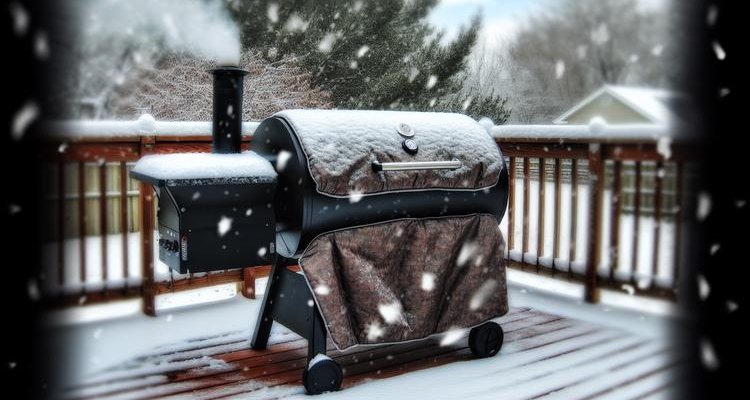
Winter grilling presents unique challenges that can frustrate even the most dedicated outdoor cooking enthusiasts. When temperatures drop below freezing, pellet grills and smokers struggle to maintain consistent heat, pellet usage skyrockets, and achieving proper cooking temperatures becomes an uphill battle. The metal construction that makes these grills durable also becomes a liability in cold weather, as metal absorbs cold faster than it retains heat. A grill insulation blanket offers the solution to these cold weather grilling challenges. These specialized thermal covers wrap around your pellet grill or smoker’s combustion chamber, creating a protective barrier that retains heat and shields your grill from harsh winter conditions. The results are impressive: up to 50% reduction in pellet consumption, dramatically improved temperature stability, and the ability to grill year-round regardless of outdoor conditions. In this comprehensive guide, we’ll walk you through everything you need to know about grill insulation blankets. You’ll discover how these thermal covers work, why they’re essential for cold weather grilling, and most importantly, we’ll provide detailed reviews of the top 6 options available for popular grill brands including Traeger, Camp Chef, Z GRILLS, and Pit Boss.
Quick Roundup List
- Best Overall: Stanbroil for Traeger 34 Series
- Best for Traeger Pro Series: BBQ Butler Pro 575/22
- Best for Camp Chef: Stanbroil 36″ Smokepro
- Best Budget: Z GRILLS ZPG-450A
- Best for Larger Grills: Z GRILLS 600/700 Series
- Best for Pit Boss: Hisencn Pro 850/800
Why You Need a Grill Insulation Blanket
Cold Weather Grilling Challenges
Understanding the physics of cold weather grilling helps explain why insulation blankets are so effective. Metal, the primary material in pellet grill construction, is an excellent conductor of both heat and cold. While this property helps distribute heat evenly during normal conditions, it becomes a significant disadvantage when outdoor temperatures plummet. When you’re grilling in cold weather, the metal exterior of your pellet grill rapidly absorbs the surrounding cold air, creating a constant battle for your heating system. Every time you open the lid to check your food or add seasoning, warm air escapes and cold air rushes in, causing dramatic temperature drops that can take 15-20 minutes to recover. This temperature instability doesn’t just inconvenience you—it directly affects cooking times, smoke production, and ultimately, the quality of your barbecue. The pellet consumption problem becomes particularly severe below 35°F. Without proper insulation, your grill’s auger works overtime to maintain target temperatures, burning through pellets at rates 50-75% higher than normal conditions. Real-world testing shows uninsulated grills consuming 3.3 pounds of pellets per hour in freezing temperatures, compared to just 2 pounds per hour with proper thermal insulation.
The Solution: Thermal Insulation
A thermal blanket for your grill acts as a protective barrier between the frigid outside air and your grill’s combustion chamber. By wrapping around the metal exterior, the insulation blanket prevents heat from escaping through the grill walls while simultaneously blocking cold air, wind, and precipitation from affecting internal temperatures. The science behind heat retention is straightforward: multiple layers of fire-resistant material create air pockets that trap warm air near the grill surface. This insulating layer reduces the temperature differential between the interior cooking chamber and the exterior metal walls, allowing your pellet grill to maintain consistent temperatures with significantly less fuel consumption. Modern grill insulation blankets also provide crucial protection from wind, which can dramatically accelerate heat loss through convection. Even in moderate temperatures around 45-50°F, strong winds can create conditions equivalent to much colder weather. The insulation blanket shields your grill from these wind effects, ensuring stable cooking temperatures regardless of breezy conditions.
When You Need an Insulation Blanket
The 35-40°F threshold serves as the general guideline for when to deploy your grill insulation blanket. Below this temperature range, most pellet grills begin experiencing noticeable performance degradation without thermal protection. You’ll observe longer preheat times, difficulty maintaining high-heat searing temperatures, and increased pellet consumption. However, temperature alone doesn’t tell the whole story. Wind conditions significantly impact when you should use an insulation blanket. A calm 40°F day may not require insulation, but add 15-20 mph winds and you’ll want that thermal protection. Similarly, if you’re attempting low-and-slow smoking sessions lasting 8-12 hours in temperatures below 50°F, an insulation blanket ensures consistent results throughout the entire cook. Conversely, avoid using thermal blankets when outside temperatures exceed 60°F in calm conditions. The additional insulation can cause your grill to run too hot, potentially leading to temperature control issues and unnecessary wear on your heating elements. Most manufacturers specifically recommend against use above 40°F.
When to Use Your Insulation Blanket
| Temperature | Wind | Use Blanket? | Notes |
|---|---|---|---|
| Below 35°F | Any | Yes – Essential | Maximum benefit zone |
| 35-45°F | Calm | Yes – Recommended | Noticeable fuel savings |
| 35-45°F | 15+ mph | Yes – Essential | Wind chill accelerates heat loss |
| 45-55°F | Calm | Optional | Useful for long smokes (8+ hrs) |
| 45-55°F | 15+ mph | Yes – Recommended | Wind creates cold-weather conditions |
| Above 60°F | Any | No – Remove | Can cause overheating issues |
How Grill Insulation Blankets Work
Construction and Materials
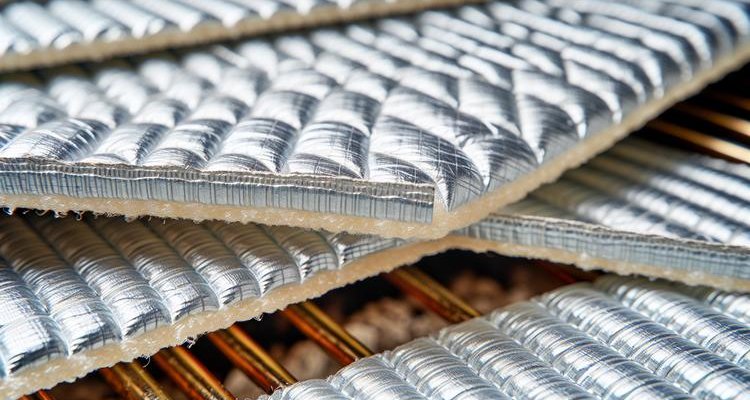
The effectiveness of a grill insulation blanket depends entirely on its construction and material quality. Modern thermal blankets use fire-resistant fiberglass fabric as the primary material, offering both exceptional heat tolerance and long-term durability. This isn’t the same fiberglass used in home insulation—it’s specifically engineered to withstand direct contact with surfaces that can reach 400-500°F during grilling operations. Premium insulation blankets feature multi-layer construction that maximizes thermal performance. The typical design includes an inner aluminum-coated fiberglass layer that reflects radiant heat back toward the grill, a middle layer of insulating cotton or fiberglass batting that traps warm air, and an outer protective coating—often polyurethane (PU) or silicone fabric—that provides waterproofing and oil resistance. The attachment system represents another critical design element. Most quality blankets use heat-resistant magnets strategically placed to hold the blanket securely against the grill’s metal exterior. These rare-earth magnets maintain their magnetic properties even at elevated temperatures, ensuring the blanket stays in place during windy conditions. Some models incorporate adjustable strap systems as an alternative or supplementary attachment method, allowing for secure installation on grills with less magnetic-friendly surfaces. Importantly, grill insulation blankets are designed to cover only the combustion chamber—the main cooking area where temperature control matters most. They deliberately leave vents, chimneys, and control panels exposed to ensure proper airflow and accessibility.
Heat Retention Science
The thermal dynamics of an insulated pellet grill involve three key heat transfer mechanisms: conduction, convection, and radiation. Without insulation, heat conducts through the metal walls and radiates into the surrounding cold air, while wind-driven convection accelerates this heat loss. An insulation blanket interrupts all three processes simultaneously. Conduction loss—heat traveling through the metal walls—gets blocked by the insulating material’s low thermal conductivity. The air pockets within the blanket’s layers act as thermal barriers, dramatically slowing the rate at which heat moves from the warm interior to the cold exterior surface. This temperature control benefit means your grill’s heating element doesn’t have to work continuously to compensate for heat loss. Radiation heat loss, where infrared energy escapes from the hot metal surface, is addressed by reflective aluminum layers within many premium blankets. These metallic layers bounce radiant heat back toward the grill chamber rather than allowing it to escape into the atmosphere. Convection protection—shielding the grill from wind-driven heat loss—provides some of the most dramatic performance improvements. Even moderate winds can strip away the warm air boundary layer surrounding your grill, forcing the heating system to work harder. The thermal blanket creates a protective shell that eliminates this wind chill effect.
How Insulation Stops Heat Loss
Conduction: Insulating layers block heat transfer through metal walls Radiation: Reflective aluminum layers bounce heat back to the grill Convection: Protective shell eliminates wind chill effect
Form-Fitting vs Universal Design
Brand-specific grill insulation blankets are engineered with precise dimensions to match particular grill models. A Traeger 34 Series blanket, for example, is custom-patterned to conform perfectly to that grill’s unique shape, with cutouts positioned exactly where controls, handles, and vents are located. This precision fit eliminates gaps where heat could escape and ensures the magnetic or strap attachment points align perfectly with the grill’s metal panels. The advantage of brand-specific designs becomes obvious during installation. These blankets simply drape over the designated coverage area and secure in place with minimal adjustment. The custom fit also means the blanket doesn’t interfere with normal grill operation—you can access temperature controls, open the lid, and check your food without removing the blanket entirely. Universal insulation blankets attempt to accommodate multiple grill sizes and brands through adjustable designs or oversized dimensions. While these can provide reasonable thermal performance, they typically require more effort to install correctly and may not achieve the same seamless coverage as brand-specific options. For serious winter grilling enthusiasts, the investment in a properly fitted, brand-specific insulation blanket delivers superior performance and convenience compared to universal alternatives.
Brand-Specific vs Universal Blankets
| Feature | Brand-Specific | Universal |
|---|---|---|
| Fit Quality | Precision fit, no gaps | Loose areas, potential gaps |
| Installation | Quick, no adjustment needed | Requires fitting/adjustment |
| Control Access | Cutouts perfectly aligned | May block or misalign |
| Heat Retention | Maximum efficiency | Good but reduced by gaps |
| Magnet Placement | Optimized for model | Generic positioning |
| Best For | Serious winter grillers | Occasional cold-weather use |
Benefits of Using Insulation Blankets
Key Benefits at a Glance
Fuel Efficiency and Cost Savings
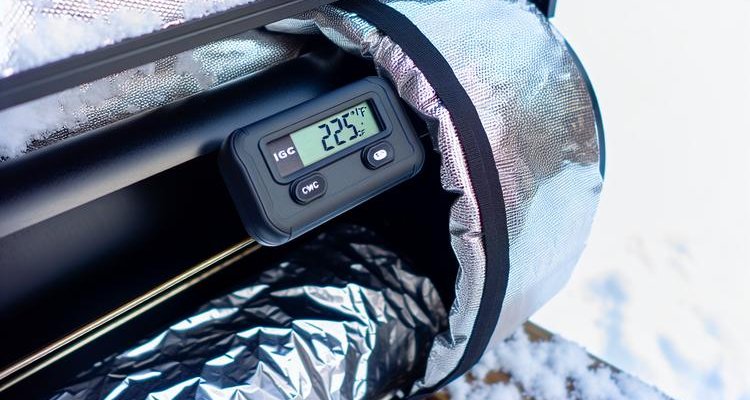
The most immediately noticeable benefit of using a grill insulation blanket is the dramatic reduction in pellet consumption. Field testing consistently demonstrates 25-50% fuel savings when using thermal insulation in temperatures below 40°F. These aren’t theoretical numbers—they represent real-world results from countless winter grilling sessions. To put this in perspective, consider a typical 8-hour smoking session in 30°F weather. An uninsulated pellet grill might consume 25-30 pounds of pellets maintaining 225°F. That same session with a quality insulation blanket requires just 15-18 pounds of pellets for identical results. For winter grilling enthusiasts who smoke multiple times per month, the blanket pays for itself within a single season. The fuel efficiency improvement extends beyond just saving money. Reduced pellet consumption means fewer mid-cook refills—a significant convenience during long smoking sessions. Instead of monitoring the hopper and adding pellets every few hours, your grill can run longer on a single fill. Long-term, this improved fuel efficiency also reduces wear on your grill’s auger motor and heating elements. When your grill isn’t working overtime to maintain temperature, mechanical components experience less stress and last longer.
Pellet Consumption: With vs Without Insulation
| Metric | Without Blanket | With Blanket |
|---|---|---|
| Pellets per hour (30°F) | 3.0-3.3 lbs | 1.8-2.0 lbs |
| 8-hour brisket cook | 25-30 lbs | 15-18 lbs |
| Preheat time to 225°F | 30-40 min | 15-20 min |
| Temp recovery after lid open | 15-20 min | 5-8 min |
| Temp drop when opening lid | 50-75°F | 15-25°F |
| Temp stability range | ±25-40°F swings | ±5-10°F |
Temperature Control and Stability
Precise temperature control separates outstanding barbecue from merely acceptable results, and thermal insulation makes precision possible in cold weather conditions. With an insulation blanket installed, your pellet grill maintains target temperatures within a tight 5-10°F range, comparable to summer performance. This stability proves crucial for techniques like low-and-slow smoking where consistent 225-250°F temperatures for 8-12 hours determine success. Temperature recovery after opening the lid improves dramatically with proper insulation. In uninsulated conditions, opening your grill in cold weather can cause 50-75°F temperature drops that take 15-20 minutes to recover. With a thermal blanket, those same lid openings result in just 15-25°F drops that recover in 5-8 minutes. The ability to reach and maintain high temperatures for searing becomes significantly easier with an insulation blanket. Many pellet grills struggle to exceed 400°F in freezing conditions without thermal protection, limiting your ability to achieve proper sear marks on steaks or crispy chicken skin. Proper insulation enables these same grills to reach 450-475°F. Smoke production and combustion efficiency also improve with stable temperatures. When your grill maintains consistent heat, pellet combustion remains steady, producing clean, flavorful smoke rather than the sooty, acrid smoke that results from temperature fluctuations.
Faster Cooking Times
Time is precious, and a grill insulation blanket gives you more of it. The improved heat retention and stable temperatures result in cooking times 15-20% faster than uninsulated winter grilling. A pork shoulder that might require 14 hours in an uninsulated grill could finish in 11-12 hours with proper thermal protection. Preheat times decrease substantially with thermal insulation. An uninsulated pellet grill in 25°F weather might need 30-40 minutes to reach 225°F smoking temperature. Install an insulation blanket and that same preheat drops to 15-20 minutes. These faster startup times make spontaneous weeknight grilling more practical. The reduced monitoring requirement represents another valuable time benefit. When your grill maintains stable temperatures without constant adjustments, you spend less time standing outside in the cold checking gauges and tweaking settings. For competition barbecue teams and serious enthusiasts running multiple overnight cooks throughout winter, these time savings accumulate into significant efficiency gains.
Weather Protection
Beyond thermal performance, grill insulation blankets provide crucial physical protection from harsh winter weather elements. The waterproof outer coating shields your pellet grill’s metal exterior from rain, sleet, and snow that could otherwise accelerate corrosion and rust. This protective layer keeps moisture away from the metal surface, particularly important for grills with painted or powder-coated finishes that can deteriorate over time with repeated freeze-thaw cycles. Wind protection extends beyond just preventing heat loss. Strong winds can blow rain and snow into your grill’s ventilation system, potentially causing issues with electronics and mechanical components. The insulation blanket acts as a windbreak that deflects precipitation away from sensitive areas while still allowing necessary airflow for proper combustion. For grills stored outdoors year-round, this weather protection helps extend equipment lifespan. The dust-proof properties of quality blankets also keep your grill cleaner during storage periods.
Grill Insulation Blanket Comparison
What to Look For in an Insulation Blanket
- Exact model compatibility — Brand-specific fit outperforms universal
- Fire-resistant fiberglass — Must withstand 400-500°F contact
- Heat-resistant magnets — Secure attachment in wind
- Weather-resistant coating — Waterproof outer layer for rain/snow
- Proper ventilation design — Leaves vents and controls accessible
| Product | Grill Compatibility | Attachment | Pellet Savings | Best For |
|---|---|---|---|---|
| Stanbroil Traeger 34 | Traeger 34 Series | Magnets | Up to 40% | Best Overall |
| BBQ Butler Pro | Traeger Pro 780/34 | Magnets | Up to 50% | Best for Traeger Pro |
| Stanbroil Camp Chef | Camp Chef 36″ Smokepro | Magnets | Up to 40% | Best for Camp Chef |
| Z GRILLS 450A | Z GRILLS ZPG-450A | Magnets | Up to 50% | Best Budget |
| Z GRILLS 600/700 | Z GRILLS 600/700 Series | Magnets | Up to 50% | Best for Larger Grills |
| Hisencn Pit Boss | Pit Boss Elite 6-Series | Magnets + Velcro | 25-50% | Best for Pit Boss |
Top Grill Insulation Blankets
Stanbroil Grill Thermal Insulation Blanket for Traeger 34 Series – Best Overall
 Our top overall pick, the Stanbroil Grill Thermal Insulation Blanket, exemplifies everything we look for in a premium winter grilling accessory. Specifically designed for Traeger 34 Series pellet grills, this thermal blanket combines precise engineering with superior materials to deliver exceptional cold weather performance.
Highlights
- Precision-engineered for Traeger 34 Series grills for seamless, gap-free coverage
- Fire-resistant material with heat-resistant magnetic attachment system
- Dramatically improves temperature consistency in freezing weather and wind
- Reduces pellet consumption by up to 40% in cold conditions
- Maintains stable 225°F-250°F smoking temperatures even below 20°F
- Weather-resistant outer coating protects against rain and snow
Specifications
- Material: Fire-resistant fiberglass with weather-resistant coating
- Compatibility: Traeger 34 Series (specific model fit)
- Attachment: Heat-resistant magnets
- Temperature Range: Recommended below 40°F
- Coverage: Combustion chamber only, leaves vents and controls accessible
Customer Reviews
- “Nice fit for my Traeger 34 Series. Keeps the grill temp up in cold weather and I use fewer pellets than without it. Well constructed and easy to install.”
- “The upgraded riveted metal hooks are a nice touch – no worry about them burning out from high temps like fabric hooks would.”
- “Grill heats up faster and maintains temperature much better in the cold. Don’t use it above 40°F though or you’ll have control issues.”
BBQ Butler Insulation Blanket for Traeger Pro 780 & 34 Series – Best for Traeger Pro Series
 The BBQ Butler Insulation Blanket is purpose-built for Traeger Pro 780 and Pro 34 Series owners who need serious cold-weather protection. This is a thick, heavy-duty fiberglass blanket that creates a noticeable difference the moment you fire up your grill in sub-freezing temperatures. What sets the BBQ Butler apart from generic alternatives is its substantial thickness. Multiple owners report it’s noticeably thicker than competing blankets, which translates directly to better heat retention and lower pellet consumption during extended winter smokes. The fit on the Traeger Pro 780 and 34 Series is precise, covering the combustion chamber completely without interfering with the hopper, controls, or chimney. One practical note: wear gloves during installation. The fiberglass construction means stray threads along the edges can cause skin irritation. Once installed, the blanket stays securely in place and requires no further handling until you remove it after cooking.
Highlights
- Heavy-duty fiberglass construction — noticeably thicker than most competitors
- Custom-fit design for Traeger Pro 780 and Pro 34 Series grills
- Significant pellet savings during cold-weather smoking sessions
- Easy magnetic installation (no tools required)
- Protective outer layer shields grill from rain, snow, and wind
- Enables consistent high-heat searing even in freezing conditions
Specifications
- Material: Heavy-duty fire-resistant fiberglass
- Compatibility: Traeger Pro 780, Traeger Pro 34, Traeger 34 Series
- Attachment: Heat-resistant magnets
- Temperature Range: Recommended below 40°F
- Coverage: Combustion chamber only
Customer Reviews
- “Fits my Traeger Pro 780 great, it’s quite thick and insulates well. I’d recommend wearing gloves during install – mine had some stray fiberglass threads that can make you itch.”
- “I live in Colorado and this has really helped us not use so many pellets. A good affordable alternative to the original Traeger blankets.”
- “The cover fit my Pro 780 well, but the lashing straps are a bit short. Solved it with some hardware store additions. Otherwise works as advertised.”
Stanbroil Pellet Grill Thermal Blanket for Camp Chef 36″ Smokepro – Best for Camp Chef
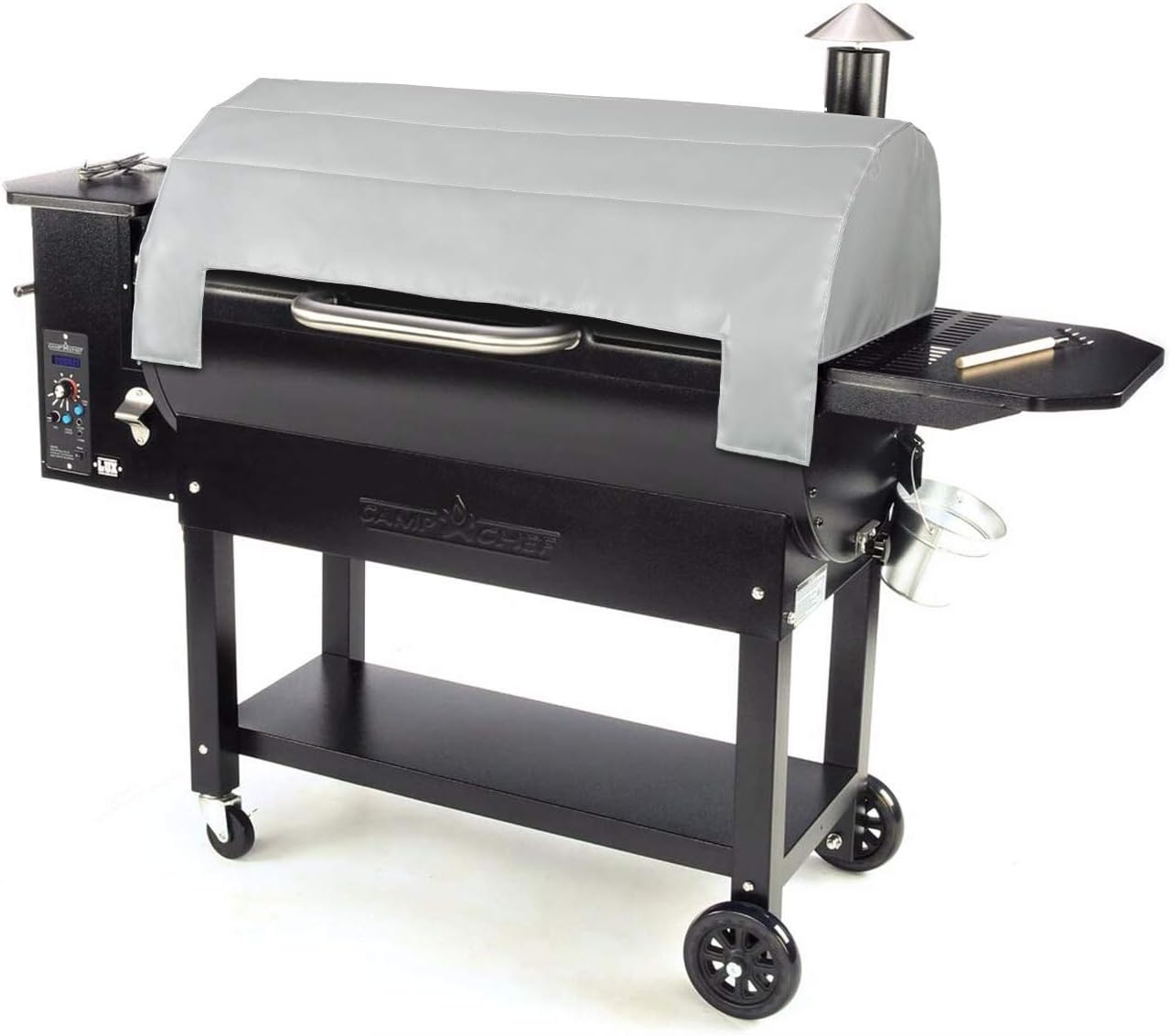 Camp Chef owners don’t have to compromise on winter performance thanks to the Stanbroil Pellet Grill Thermal Blanket specifically designed for 36-inch Smokepro models. This blanket demonstrates the importance of brand-specific engineering, with dimensions and attachment points optimized for Camp Chef’s unique barrel shape and control layout.
Highlights
- Specifically engineered for Camp Chef 36-inch Smokepro pellet grills
- Heavy-duty, fire-resistant construction with reinforced stitching
- Magnetic attachment system accommodates Camp Chef’s barrel design
- Excellent heat retention for long smoking sessions in cold weather
- Reduces fuel consumption while improving temperature stability
- Weather-resistant exterior handles snow and freezing rain effectively
Specifications
- Material: Heavy-duty fire-resistant fabric
- Compatibility: Camp Chef 36″ Smokepro models
- Attachment: Magnetic system designed for Camp Chef barrel shape
- Construction: Reinforced stitching for durability
- Weather Resistance: Snow and freezing rain protection
Customer Reviews
- “The magnetic attachment system holds the blanket securely even on windy days. Leaves the chimney opening accessible exactly where it should be.”
- “Triple-layer construction feels substantial. Aluminum inner layer, insulating cotton, and PU-coated outer – much better than the single-layer options.”
- “Perfect fit on my SGX36. Temperature stays rock solid even in below-freezing weather. Wish I’d bought this years ago.”
Z GRILLS Thermal Insulation Blanket for ZPG-450A – Best Budget
 The Z GRILLS Thermal Insulation Blanket for the ZPG-450A is the best value option on this list, delivering the core benefits of thermal insulation at a price point that makes winter grilling accessible to budget-conscious grillers. As an official Z GRILLS accessory, the fit is precise and the construction quality matches the brand’s standards. The 3-layer design is the standout feature at this price point. The inner insulating cotton layer prevents heat loss effectively, while the fire-resistant outer layer handles direct weather exposure. Z GRILLS claims up to 50% reduction in pellet consumption, and multiple owners confirm this holds true in real-world conditions — grill temperatures reach target faster and hold more consistently, even when ambient temperatures drop below freezing. For Z GRILLS 450A owners, this is a no-brainer purchase before winter arrives. The fuel savings alone pay for the blanket within a few cooking sessions.
Highlights
- Official Z GRILLS accessory — precision fit for ZPG-450A
- 3-layer fire-resistant construction (inner cotton, outer protective coating)
- Up to 50% reduction in pellet consumption in cold weather
- Waterproof and snow-resistant outer layer
- Enables year-round grilling regardless of weather conditions
- Budget-friendly price with performance that rivals premium options
Specifications
- Material: 3-layer fire-resistant construction with insulating cotton
- Compatibility: Z GRILLS ZPG-450A
- Attachment: Magnetic system
- Weather Protection: Waterproof and snow-resistant
- Coverage: Combustion chamber only
Customer Reviews
- “Put the blanket on and smoked a 16 lb turkey in 38°F weather. Temperature stayed really close to what I set it at the entire cook.”
- “Worth the money. Definitely cut down pellet use and helped trap heat on a windy deck. I tell everyone at the home improvement store to check out Z-Grills.”
- “I finally put it on and it seems to keep the heat from fluctuating a whole bunch. Really glad I got it.”
Z GRILLS Thermal Insulation Blanket for 600/700 Series – Best for Larger Grills
 The Z GRILLS Thermal Insulation Blanket for 600/700 Series addresses the challenge that larger grills face in cold weather: more surface area means more heat loss. The 600 and 700 Series grills have significantly larger combustion chambers than the 450A, making thermal insulation even more critical for consistent winter performance. This blanket uses the same proven 3-layer construction as its smaller sibling but scaled to properly cover the larger cooking chamber. The fire-resistant design withstands the higher heat output these bigger grills produce while maintaining the waterproof, snow-resistant properties needed for harsh winter conditions. Owners of 600 and 700 Series grills report the same 50% pellet savings as the smaller model, which translates to even more significant cost savings given the higher baseline fuel consumption of larger grills. If you own a Z GRILLS 600 or 700 Series, this is the only blanket engineered specifically for your grill’s dimensions. The custom fit eliminates the gaps and loose areas you’d get from trying to adapt a universal blanket to these larger models.
Highlights
- Specifically sized for Z GRILLS 600 and 700 Series larger cooking chambers
- Same proven 3-layer fire-resistant construction as the 450A model
- 50% pellet savings — even more impactful on larger grills
- Waterproof and snow-resistant for full winter protection
- Custom-fit eliminates gaps common with universal blankets
- Supports year-round grilling on larger capacity Z GRILLS models
Specifications
- Material: 3-layer fire-resistant construction with insulating cotton
- Compatibility: Z GRILLS 600 Series, Z GRILLS 700 Series
- Attachment: Magnetic system
- Weather Protection: Waterproof and snow-resistant
- Coverage: Full combustion chamber coverage for larger models
Customer Reviews
- “My Z Grills 700 series holds temp rock solid with this blanket even in below freezing temps. Absolute game changer for Wisconsin winters.”
- “Grill holds temp better than with the welding blanket I was using before. Being able to open and close the lid without the blanket sliding off is awesome.”
- “Used it in zero degree temps and it kept the temperature steady at 250. Chicken came out perfect. The thermal blanket is fantastic.”
Hisencn Grill Insulation Blanket for Pit Boss Pro Series Elite 6-Series – Best for Pit Boss
 The Hisencn Grill Insulation Blanket fills an important gap in the market for Pit Boss Pro Series Elite 6-Series (PBV6PSE) owners. Pit Boss grills have historically had fewer aftermarket insulation options compared to Traeger or Camp Chef, making this Hisencn blanket a welcome addition for Pit Boss loyalists who grill through winter. The construction uses a durable PU-coated fiberglass exterior paired with an inner insulation cotton layer — a combination that delivers both heat retention and weather resistance. The dual attachment system using both hook-and-loop fasteners and magnets ensures a secure fit even in windy conditions, which is a smart design choice for larger vertical smoker configurations where wind exposure is greater. Pit Boss owners report 25-50% pellet savings and up to 20% shorter cooking times with this blanket installed. The no-tools-required installation means you can have it on and be grilling within minutes, even in freezing conditions.
Highlights
- Custom-designed for Pit Boss Pro Series Elite 6-Series (PBV6PSE)
- Dual attachment: hook-and-loop fasteners plus magnets for secure fit
- PU-coated fiberglass exterior with insulation cotton inner layer
- 25-50% pellet reduction and up to 20% faster cooking times
- No-tools installation — fits perfectly around lid and body
- Heavy-duty construction built to last through multiple winter seasons
Specifications
- Material: PU-coated fiberglass exterior, insulation cotton interior
- Compatibility: Pit Boss Pro Series Elite 6-Series (PBV6PSE)
- Attachment: Hook-and-loop fasteners + magnets
- Temperature Range: Not recommended above 40°F
- Coverage: Lid and body of combustion chamber
Customer Reviews
- “No tools required – the built-in hook-and-loop and magnets make setup effortless. Stays securely in place even on windy days without interfering with opening the lid.”
- “The thick insulation cotton interior creates a solid thermal barrier. Seeing 25-50% pellet savings just like advertised during my first cold-weather cook.”
- “PU-coated exterior handles rain and snow well. Easy to clean with just a damp rag. Great fit on my Elite 6-Series.”
Frequently Asked Questions
At what temperature should I use a grill insulation blanket?
The general guideline recommends using a grill insulation blanket when outside temperatures reach 35-40°F or colder. Below this threshold, pellet grills and smokers begin experiencing noticeable performance issues including increased pellet consumption, difficulty maintaining target temperatures, and longer preheat times. However, temperature alone doesn’t tell the complete story. Wind conditions significantly impact when thermal insulation becomes beneficial. A calm 40°F day might not require a blanket, but add 15-20 mph winds and the wind chill effect dramatically increases heat loss from your grill. Conversely, avoid using thermal blankets when outside temperatures exceed 60°F in calm conditions. The additional insulation can cause your grill to run excessively hot, creating temperature control challenges and potentially stressing heating elements.
How much can I save on pellets with an insulation blanket?
Real-world testing and user experiences consistently demonstrate 25-50% reductions in pellet consumption when using a quality insulation blanket in temperatures below 40°F. The exact savings depend on several factors including outside temperature, wind conditions, and cooking duration. To quantify this with concrete numbers: uninsulated pellet grills in freezing temperatures typically consume 3.0-3.3 pounds of pellets per hour to maintain smoking temperatures around 225°F. Install a proper grill insulation blanket and that consumption drops to 1.8-2.0 pounds per hour for identical temperature targets. Over an 8-hour brisket cook, this represents savings of 8-12 pounds of pellets per session. For winter grilling enthusiasts who smoke 2-3 times monthly during cold months, the annual pellet savings range from $100-200—meaning even premium blankets pay for themselves within a single season.
Will an insulation blanket work on my grill model?
Brand-specific grill insulation blankets are engineered for particular grill models and brands, so compatibility verification is essential before purchasing. Reputable manufacturers clearly list compatible models in their product descriptions—always verify your exact grill model appears on this list. For example, Traeger blankets distinguish between 22-inch, 34-inch, Pro Series, and other specific models, each requiring different blanket designs. If your grill model isn’t explicitly listed, you have two options: contact the manufacturer to confirm compatibility, or take precise measurements of your combustion chamber. Universal insulation blankets claim to fit multiple brands and sizes, but these rarely deliver the same performance as brand-specific options. For optimal thermal performance and ease of use, invest in a blanket specifically designed for your exact grill model.
Can I use an insulation blanket in the summer?
Using a grill insulation blanket in warm weather above 60°F is not recommended and can actually create performance problems rather than benefits. The additional insulation prevents normal heat dissipation, causing your grill to run hotter than target temperatures and making precise temperature control difficult. Most manufacturers explicitly state their blankets should not be used above 40°F outside temperature. This guideline exists because the blanket’s thermal protection—so beneficial in cold weather—becomes counterproductive when ambient temperatures already allow efficient grill operation. The transition seasons—spring and fall—require judgment based on specific conditions. If daytime temperatures reach 55-60°F but you’re cooking in the evening when temperatures drop to 40-45°F with wind, the blanket provides value.
How do I clean and store my insulation blanket?
Proper maintenance extends your grill insulation blanket’s lifespan significantly. After each use, allow the blanket to cool completely before cleaning—this typically takes 20-30 minutes after your cook session ends. Once cooled, use a damp cloth or sponge to wipe down the exterior surface, removing any grease splatters, pellet dust, or smoke residue. The oil-resistant outer coating on quality blankets allows most contaminants to wipe away easily without requiring harsh cleaners or scrubbing. Avoid machine washing unless the manufacturer specifically recommends it, as washing machines can damage the multi-layer construction and compromise the blanket’s insulating properties. For storage during warmer months, fold or roll it loosely and keep it in a dry location protected from direct sunlight and moisture. Avoid compressing the blanket heavily during long-term storage, as this can damage the insulating layers.
Are insulation blankets safe to use?
Quality grill insulation blankets designed specifically for pellet grills and smokers are safe when used according to manufacturer instructions. These blankets use fire-resistant or flame-retardant fiberglass materials that withstand direct contact with hot grill surfaces reaching 400-500°F without melting, burning, or releasing harmful fumes. Critical to safe operation: never cover your grill’s air intake vents, chimney stack, or hopper area. Proper insulation blankets are designed to cover only the combustion chamber, deliberately leaving ventilation paths open. Blocking these vents creates dangerous conditions including incomplete combustion, carbon monoxide buildup, and potential fire hazards. One important safety consideration: while the blanket itself is fire-resistant, it does create a hotter grill exterior surface during use. The trapped heat that provides such excellent cooking performance also means the outer blanket surface can reach 200-300°F. Exercise appropriate caution when touching the blanket during cooking, and keep children and pets away from the grill when operating.
⚠️ Safety Reminders
- Never cover air intake vents, chimney, or hopper
- Blanket exterior can reach 200-300°F during use
- Keep children and pets away when operating
- Remove blanket when temps exceed 60°F
- Allow blanket to cool before handling after cooking
Conclusion
A quality grill insulation blanket transforms winter grilling from a challenging endeavor into an enjoyable experience that delivers results comparable to perfect summer weather. The benefits extend far beyond just comfort—25-50% reductions in pellet consumption, dramatically improved temperature control, and the confidence to pursue your passion for barbecue year-round represent genuine value for any serious griller. The key to maximizing these benefits lies in selecting the right blanket for your specific grill model. Brand-specific designs engineered for Traeger, Camp Chef, Z GRILLS, Pit Boss, and other popular brands deliver superior performance compared to universal alternatives. The precision fit, proper ventilation, and secure attachment systems of model-specific blankets ensure you get the full thermal benefit without compromising safety or convenience. Whether you’re a competition pitmaster maintaining skills through winter, a holiday host who needs reliable equipment for special occasion cooks, or simply an enthusiast who refuses to let cold weather interrupt your grilling schedule, an insulation blanket represents one of the most cost-effective investments you can make in your outdoor cooking setup. Review our top 6 recommendations above to find the perfect thermal blanket for your grill model. Don’t let winter put your grill into hibernation. With the right grill insulation blanket, every season is grilling season.