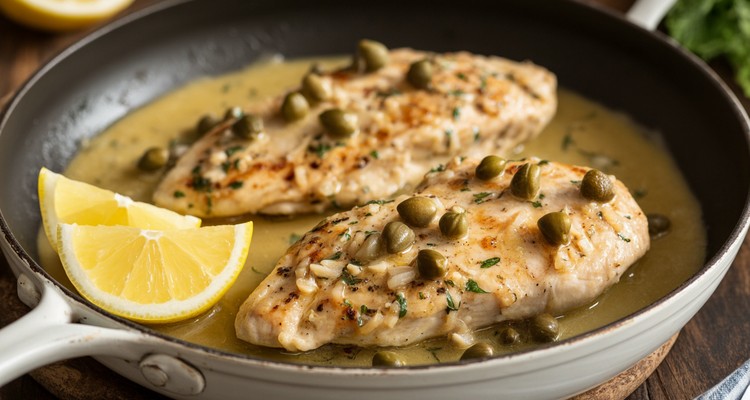
Chicken piccata is a classic Italian-American dish celebrated for its bright, savory flavor. The real star is the tangy lemon butter caper sauce that ties everything together. This guide teaches you how to make chicken piccata sauce from scratch for restaurant-quality results at home.
What Is Chicken Piccata Sauce?
Piccata sauce is a classic pan sauce built from the drippings of floured chicken cutlets. It combines fresh lemon juice, dry white wine, and chicken stock, then gets finished with briny capers and cold butter whisked in for a smooth, emulsified consistency. The result is a sauce that is tangy, savory, and rich all at once.
The Flavor Profile
The sauce balances three distinct flavor elements. Fresh lemon juice provides bright acidity. Butter and chicken stock add savory richness from the fond (browned bits) left in the pan.
Capers contribute a salty, briny pop that makes the whole dish unmistakably piccata.
Essential Ingredients for Piccata Sauce
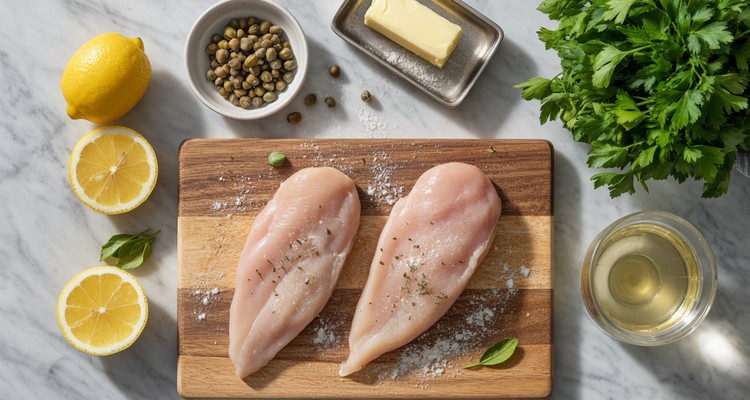
The ingredient list is short, but each component plays a specific role in building the signature flavor. Quality matters here — fresh lemon juice and good chicken stock make a noticeable difference in the finished piccata sauce.
- Chicken cutlets: Boneless breasts pounded to 1/4-inch thickness, dredged in seasoned flour.
- Unsalted butter: Used for cooking the chicken and finishing the sauce. Cold butter at the end is critical.
- Dry white wine: Pinot Grigio or Sauvignon Blanc work well for deglazing. Substitute with extra chicken stock if needed.
- Low-sodium chicken stock: Forms the savory base of the sauce.
- Fresh lemon juice: Essential for the bright, acidic character. Do not use bottled juice.
- Capers: Non-pareil (small) capers, drained and rinsed, provide the signature briny bite.
- Fresh parsley: Chopped fine for a herbaceous finish.
- Optional: Minced shallots or garlic for extra depth of flavor.
Step-by-Step: How to Make Chicken Piccata Sauce
Making piccata sauce is a quick process that happens in the same pan you cooked the chicken in, capturing all the flavorful browned bits (fond) from the bottom of the skillet. The entire sauce comes together in about 10 minutes once the chicken is removed.
Step 1: Prepare and Cook the Chicken
Pound the chicken breasts to an even 1/4-inch thickness so they cook uniformly. Season both sides with salt and pepper, then dredge lightly in all-purpose flour and shake off excess. Pan-fry the cutlets in a large skillet with a mix of butter and olive oil over medium-high heat until golden brown on both sides.
A few tools that make chicken piccata easier to pull off:
- KitchenAid Gourmet Multi Sided Meat Tenderizer — pounds cutlets to even thickness for uniform cooking
- Gorilla Grip Dual-Sided Meat Tenderizer Mallet — heavy-duty option for thin, uniform cutlets
- Lodge Seasoned Cast Iron Skillet 12 Inch — even heat for golden-brown sear and pan sauce
The chicken should reach an internal temperature of 165°F[FSIS] for safe consumption. Remove the cutlets and set aside on a plate — you will return them to the sauce at the end.
Step 2: Deglaze the Pan
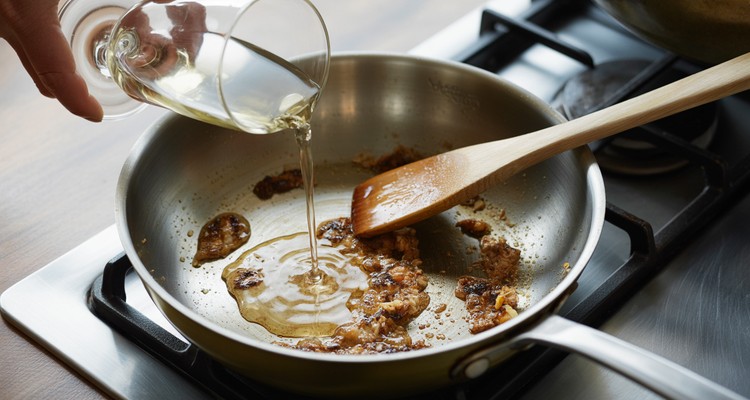
Reduce heat to medium. If using shallots or garlic, add them now and saute for about 30 seconds until fragrant. Pour in the white wine and use a wooden spoon to scrape up all the browned bits (fond) from the bottom of the skillet.
Let the wine simmer and reduce by about half, which takes 1-2 minutes.
Step 3: Build the Sauce Base
Pour in the chicken stock and fresh lemon juice. Bring to a steady simmer and cook for 3-5 minutes, allowing the sauce to reduce and the flavors to concentrate. The liquid should thicken slightly as it reduces — you want enough sauce to coat the back of a spoon.
Step 4: Finish the Sauce (The Most Important Step)
Remove the skillet from heat. Add several pats of cold unsalted butter and whisk continuously until completely melted and the sauce turns smooth and creamy. This technique is called monter au beurre, and it emulsifies the sauce into a velvety, glossy consistency.
Stir in the drained capers and chopped parsley. Taste and season with salt and pepper as needed. Return the chicken cutlets to the pan, spoon sauce over them, and serve immediately.
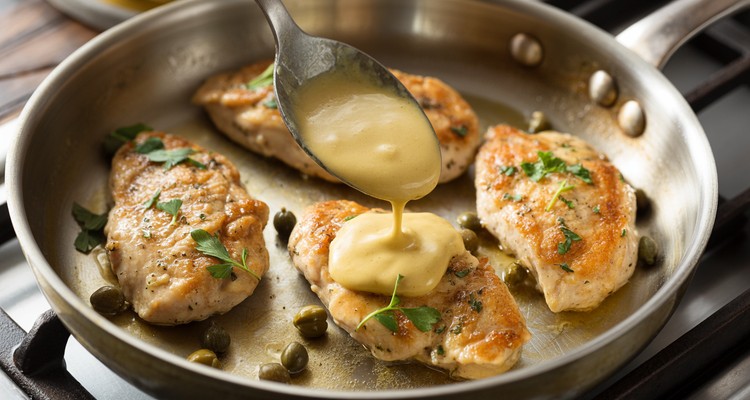
 Pitmaster Tip: The butter must be cold and the pan must be off the heat when you whisk it in. Hot butter added to a boiling sauce will not emulsify — it just melts into an oily layer on top. Cold butter whisked off-heat is the entire difference between a greasy sauce and a silky one.
Piccata Sauce Timing and Technique Guide
Timing is everything with a pan sauce. Each stage has a specific duration and visual cue to watch for. This reference table keeps the process organized even if you are making piccata sauce for the first time.
| Step | Heat Level | Time | Visual Cue |
|---|---|---|---|
| Saute aromatics | Medium | 30 seconds | Fragrant, not browned |
| Deglaze with wine | Medium | 1-2 minutes | Wine reduced by half, fond dissolved |
| Simmer stock + lemon | Medium | 3-5 minutes | Sauce coats back of spoon |
| Whisk in cold butter | Off heat | 30-60 seconds | Sauce turns glossy and creamy |
| Add capers + parsley | Off heat | 30 seconds | Stir to combine, taste and season |
The Secret to a Perfect Piccata Sauce
The secret to perfect piccata sauce is creating a well-developed fond from properly seared chicken cutlets, using fresh lemon juice instead of bottled, and finishing the sauce by whisking cold butter in off the heat to emulsify it into a velvety, glossy consistency.
- Create good fond: Do not overcrowd the pan when cooking the chicken. Cook cutlets in batches if needed so each piece develops a deep golden-brown crust, leaving plenty of flavorful browned bits on the pan surface.
- Use fresh lemon juice: Freshly squeezed lemon juice is far brighter and more complex than bottled varieties. It provides the essential tangy acidity that defines piccata sauce.
- Finish with cold butter off the heat: Whisking cold butter into the sauce off the heat emulsifies it into a creamy, glossy consistency. Adding butter to boiling sauce causes it to separate into an oily mess.
Pro Tip: If your sauce starts to break or look oily after adding butter, add a teaspoon of cold water and whisk vigorously. The water helps re-establish the emulsion and brings the sauce back together.Common Variations and Substitutions
The classic piccata sauce recipe adapts easily to dietary needs and personal taste preferences, from a wine-free version using extra chicken stock and vinegar, to a creamier sauce with heavy cream, to a caper-free lemon butter variation. Each substitution still delivers an excellent result.
Making Piccata Sauce Without Wine
Replace the white wine with an equal amount of chicken stock. To replicate the acidity the wine provides, add a teaspoon of white wine vinegar or a small splash of extra lemon juice when you deglaze the pan.
Can You Make Chicken Piccata Without Capers?
Capers are traditional but not mandatory. For a similar briny flavor, try finely chopped green olives or marinated artichoke hearts. If you just want a lemon butter sauce without the briny element, omit the capers entirely — the sauce still works beautifully.
For a Creamier Sauce
Add 2-3 tablespoons of heavy cream along with the butter at the end. Whisk until combined. This creates a creamy chicken piccata sauce that is richer and more decadent, though it departs slightly from the traditional preparation.
What to Serve With Chicken Piccata
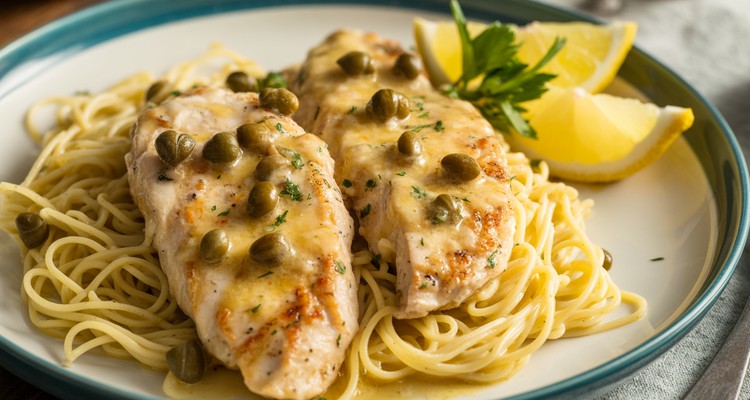
Chicken piccata pairs best with sides that soak up the tangy, buttery lemon caper sauce. Angel hair pasta is the classic choice, but creamy polenta, mashed potatoes, and orzo all work beautifully alongside roasted vegetables for a complete meal.
- Pasta: Angel hair, linguine, or fettuccine tossed with a little olive oil.
- Starches: Creamy polenta, mashed potatoes, or orzo.
- Vegetables: Roasted asparagus, steamed green beans, or sauteed spinach with garlic.
- Bread: Crusty Italian bread for dipping into extra sauce.
Frequently Asked Questions
What type of sauce is piccata?
Piccata is a pan sauce made from the drippings of flour-dredged, sauteed meat. It features fresh lemon juice, butter, and capers as its defining ingredients, producing a sauce that is tangy, savory, and briny. The term piccata refers to the cooking method, not just the sauce itself.
Why is my piccata sauce too thin or watery?
The sauce was not reduced enough. Return the pan to medium heat and simmer for a few more minutes to evaporate excess liquid and concentrate the flavors. The sauce should coat the back of a spoon when it reaches the right consistency.
How do I prevent my piccata sauce from breaking?
The sauce breaks (separates into butter and liquid) when the butter is added while the pan is too hot. Always remove the skillet from heat before whisking in cold butter. The residual heat is enough to melt it smoothly and create a stable emulsion.
Can I make the sauce ahead of time?
Piccata sauce is best made fresh because it relies on the fond from cooking the chicken. If you must make it ahead, reheat gently over low heat while whisking constantly[USDA]. The emulsion may break during storage, but whisking over low heat can often bring it back together.
What is the best wine for chicken piccata sauce?
A dry, crisp white wine works best. Pinot Grigio and Sauvignon Blanc are the most common choices because their acidity complements the lemon juice. Avoid sweet wines or heavily oaked Chardonnay, which can make the sauce taste off-balance.
How do you make an easy lemon chicken sauce?
The piccata technique is essentially a lemon chicken sauce. Deglaze your pan with wine or stock, add lemon juice, simmer to reduce, and whisk in cold butter off the heat. The entire process takes about 10 minutes from the moment the chicken comes out of the pan.
What is the secret to a good chicken piccata?
Three things: a well-developed fond from properly seared chicken cutlets, fresh (never bottled) lemon juice, and cold butter whisked in off the heat for a silky emulsified finish. Skipping any of these steps produces a noticeably inferior sauce.
How much lemon juice should I use for piccata sauce?
Start with the juice of 2 medium lemons (about 3-4 tablespoons) per batch of sauce. Taste after the sauce reduces and add more if you want a brighter, tangier result. The sauce should taste noticeably lemony but not sour or overpowering.
Can I use chicken thighs instead of breasts for piccata?
Boneless, skinless chicken thighs work well and stay juicier than breasts because of their higher fat content. Pound them to an even thickness just like breasts, dredge in flour, and follow the same searing and sauce process.
How do I store and reheat leftover chicken piccata?
Store the chicken and sauce together in an airtight container in the refrigerator for up to 3 days[FSIS]. Reheat gently in a covered skillet over low heat with a splash of chicken stock to loosen the sauce. Avoid the microwave, which can make the chicken rubbery and break the sauce.
Chicken Piccata Sauce
Equipment
- Large skillet (12-inch) for searing chicken and building the pan sauce in the same pan
- Meat mallet or rolling pin for pounding chicken to even 1/4-inch thickness
- Whisk for emulsifying cold butter into the sauce off the heat
- Instant-read thermometer chicken must reach 165°F internal temperature
Ingredients
Chicken
- 4 boneless skinless chicken breasts pounded to 1/4-inch thickness
- 1/2 cup all-purpose flour for dredging
- 2 tablespoons unsalted butter for cooking the chicken
- 1 tablespoon olive oil
- salt and freshly ground black pepper to taste
Piccata Sauce
- 1/4 cup dry white wine Pinot Grigio or Sauvignon Blanc; substitute with extra chicken stock if needed
- 1/2 cup low-sodium chicken stock
- 3 tablespoons fresh lemon juice about 2 medium lemons; do not use bottled
- 2 tablespoons capers non-pareil, drained and rinsed
- 3 tablespoons cold unsalted butter cut into pats; must be cold for proper emulsification
- 2 tablespoons fresh parsley finely chopped
- 1 shallot or 2 cloves garlic optional; minced, for extra depth
Instructions
- Pound chicken breasts to an even 1/4-inch thickness. Season both sides with salt and pepper, then dredge lightly in flour, shaking off the excess.
- Heat butter and olive oil in a large skillet over medium-high heat. Add the chicken cutlets and cook until deeply golden brown on both sides and the internal temperature reaches 165°F, about 3-4 minutes per side. Remove from the pan and set aside on a plate.
- Reduce heat to medium. If using shallot or garlic, add now and sauté for 30 seconds until fragrant. Pour in the white wine and use a wooden spoon to scrape up all the browned bits (fond) from the bottom of the pan. Simmer 1-2 minutes until the wine reduces by about half.
- Pour in the chicken stock and fresh lemon juice. Bring to a steady simmer and cook for 3-5 minutes, stirring occasionally, until the sauce reduces and coats the back of a spoon.
- Remove the skillet from heat. Add the cold butter pats and whisk continuously until fully melted and the sauce turns smooth and glossy. This emulsification technique (monter au beurre) creates the signature velvety consistency. If the sauce looks oily, add 1 teaspoon of cold water and whisk vigorously to bring the emulsion back.
- Stir in the drained capers and chopped parsley. Taste and season with salt and pepper as needed. Return the chicken cutlets to the pan, spoon sauce generously over them, and serve immediately.
Notes