Restaurant-quality chicken tikka masala is entirely achievable at home with the right spices and technique. The sauce is the heart of the dish — a rich, creamy, tomato-based masala that balances aromatic spices with tangy tomato and silky cream. This guide walks you through every step from marinating the chicken to building an authentic tikka masala sauce from scratch.
What Is Chicken Tikka Masala Sauce?
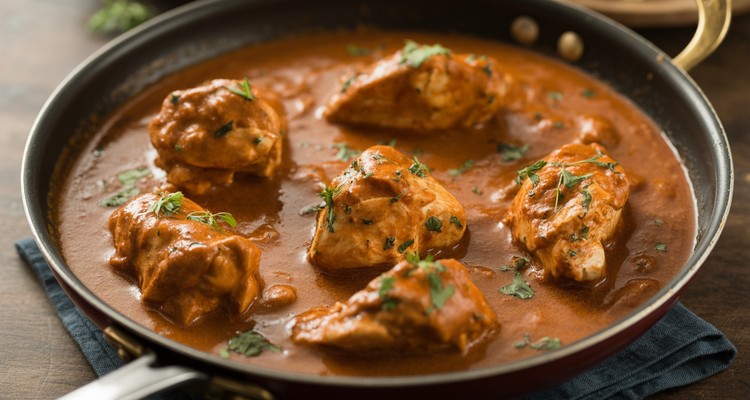
Chicken tikka masala sauce is a creamy, spiced, tomato-based curry sauce characterized by its vibrant orange color and complex flavor. The tikka refers to marinated pieces of chicken traditionally cooked in a tandoor, while masala means spice blend. The sauce combines tangy tomatoes, aromatic ground spices, and heavy cream into a rich, velvety finish.
Planning Your Sauce: Key Decisions Before You Cook
Before you start cooking, three decisions shape the final result: how much time you have, how spicy you want the sauce, and whether to use fresh or shortcut ingredients. Making these choices upfront prevents mid-recipe scrambling and produces a better tikka masala sauce.
Time vs. Flavor: Quick Method or Slow-Simmered?
A weeknight version using canned tomato puree and pre-ground spices takes 30-45 minutes total. A weekend version with longer marination (4-8 hours) and a slow-simmered sauce (1-2 hours) develops deeper, more complex flavor. Both produce excellent results — the weekend version just has more depth.
Spice Level: Customizing the Heat
Cayenne pepper and Kashmiri red chili powder are the primary heat sources. For a mild sauce, use 1/4 teaspoon of cayenne. Medium heat calls for 1/2 teaspoon.
For a hot sauce, use 3/4 to 1 full teaspoon — or substitute hotter chili varieties.
Ingredient Choices: Fresh, Canned, or Pre-Made?
Each ingredient category has a from-scratch option and a faster shortcut. Canned tomato puree provides more consistent color and smoother texture than fresh tomatoes. Individual ground spices give better flavor control than pre-made blends, but a quality tikka masala spice mix works in a pinch.
| Component | From-Scratch | Shortcut | Recommendation |
|---|---|---|---|
| Tomatoes | Blanched and pureed fresh | Canned puree or passata | Canned for consistency and color |
| Spices | Individual ground (cumin, coriander, etc.) | Pre-made tikka masala blend | Individual for better flavor control |
| Aromatics | Fresh minced ginger and garlic | Jarred ginger-garlic paste | Fresh for most vibrant flavor |
| Cream | Heavy cream | Full-fat coconut milk (dairy-free) | Heavy cream for authentic richness |
Essential Ingredients for Chicken Tikka Masala
The ingredient list splits into two parts: the yogurt-based chicken marinade and the tomato-cream masala sauce. Having both sets prepped and measured before you start cooking makes the process much smoother and helps you control timing at each stage.
For the Chicken Tikka Marinade
- 1.5 lbs boneless, skinless chicken thighs or breasts, cut into 1-inch cubes
- 3/4 cup plain full-fat yogurt
- 1 tablespoon fresh minced ginger
- 3 cloves garlic, minced
- 1 teaspoon garam masala
- 1/2 teaspoon turmeric powder
- 1 teaspoon cumin powder
- 1/2 teaspoon cayenne pepper (adjust to taste)
- 1 tablespoon lemon juice
- Salt to taste
For the Masala Sauce
- 2 tablespoons ghee or neutral oil
- 1 large yellow onion, finely chopped
- 1 tablespoon fresh minced ginger
- 3 cloves garlic, minced
- 1 teaspoon ground cumin
- 1 teaspoon ground coriander
- 1/2 teaspoon turmeric
- 1 teaspoon garam masala
- 1 can (14 oz) tomato puree or passata
- 3/4 cup heavy cream (or full-fat coconut milk)
- 1 teaspoon sugar (optional, to balance acidity)
- Fresh cilantro for garnish
How to Make Chicken Tikka Masala Sauce: Step-by-Step
The process has six clear steps: marinate the chicken, cook the tikka, build the aromatic base, bloom the spices and add tomatoes, finish with cream, and combine everything. The sauce itself takes about 25-30 minutes of active cooking once the chicken is done.
Step 1: Marinate the Chicken
Combine all marinade ingredients in a bowl and add the chicken cubes, making sure every piece is fully coated. Cover and refrigerate for at least 30 minutes, though 4-8 hours produces noticeably better flavor and tenderness[USDA]. The yogurt’s lactic acid tenderizes the meat while the spices penetrate deeply.
Step 2: Cook the Chicken Tikka
Thread chicken onto skewers and broil on high for 8-10 minutes, turning once, until lightly charred on the edges. Pan-searing in a hot skillet with a little oil works well as an alternative. The chicken must reach an internal temperature of 165°F[FSIS] for safe consumption.
Set the cooked tikka aside.
Step 3: Build the Masala Sauce Base
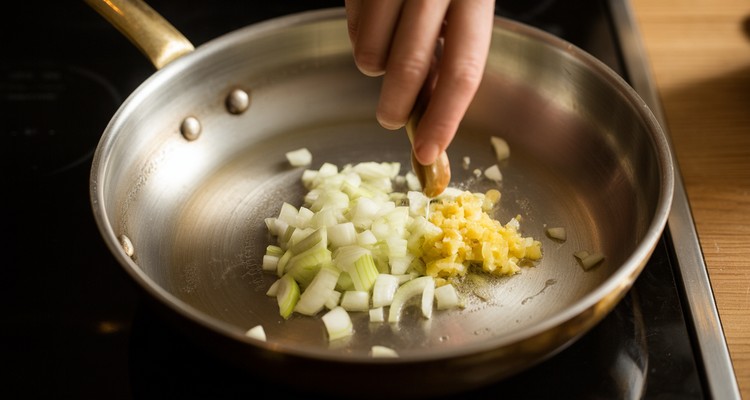
Heat ghee or oil in a large heavy-bottomed pan over medium heat. Add the chopped onion and saute for 5-7 minutes until soft and translucent. Add the minced ginger and garlic and cook for another minute until fragrant, stirring constantly to prevent burning.
Step 4: Bloom the Spices and Add Tomatoes
Add the ground cumin, coriander, turmeric, and cayenne to the pan. Stir constantly for about 30 seconds until the spices become fragrant — this is called blooming, and it releases the essential oils that give tikka masala sauce its depth. Pour in the tomato puree, stir well, and bring to a simmer.
Reduce heat to medium-low and let the sauce simmer for 10-15 minutes. This extended simmer concentrates the flavors and cooks out the raw tomato taste. The sauce should deepen in color and thicken slightly.
 Pitmaster Tip: Blooming spices on too-high heat scorches them and creates bitter, acrid flavors. Keep the heat at medium or medium-low and stir constantly during those 30 seconds. The moment you smell the spices become fragrant, add the tomatoes immediately.
Step 5: Create the Creamy Finish
For a silky-smooth, restaurant-style texture, use an immersion blender to puree the sauce before adding cream
A few tools that help with this recipe:
- Cuisinart Smart Stick Two-Speed Hand Blender — purees the sauce smooth directly in the pan
- Ninja Immersion Blender with SplatterShield — pan-protecting guard prevents hot sauce splatter
- Lodge Seasoned Cast Iron Skillet 12 Inch — even heat distribution for building and simmering the sauce
. Reduce heat to low, then slowly stir in the heavy cream. Add the garam masala and a pinch of sugar if the sauce tastes too acidic.
Do not let the sauce boil after adding cream or it may curdle.
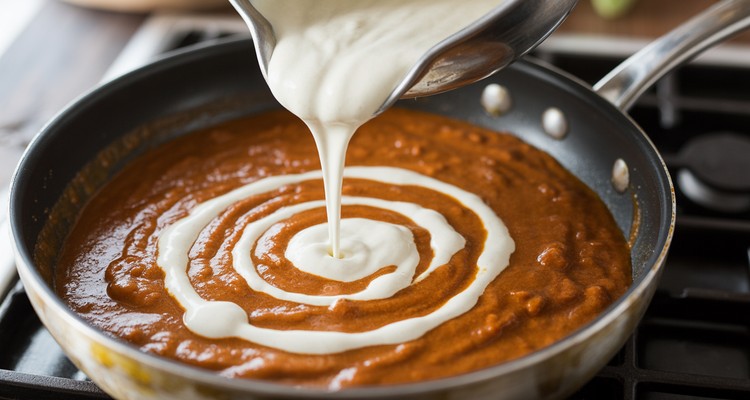
Pro Tip: Always reduce heat to low before adding cream. Pouring cold cream into a rapidly boiling sauce causes it to separate and curdle. The residual heat from a gentle simmer is enough to incorporate the cream smoothly.Step 6: Combine and Serve
Add the cooked chicken tikka pieces to the simmering sauce and stir to coat. Let it heat through for 2-3 minutes so the chicken absorbs the sauce flavors. Garnish with fresh cilantro and serve hot with basmati rice or warm naan bread.
Common Mistakes to Avoid When Making Tikka Masala
Most tikka masala failures come down to a handful of avoidable errors with heat control, timing, and ingredient handling. Fixing these produces a dramatically better sauce with minimal extra effort. Avoiding these pitfalls will make a measurable difference in texture, flavor, and overall consistency from batch to batch.
- Burning the spices: Blooming on high heat scorches ground spices and creates bitter flavor. Use medium-low heat and stir constantly for no more than 30 seconds.
- Skipping marination: The yogurt marinade tenderizes the chicken and builds foundational flavor. Even 30 minutes makes a noticeable difference compared to no marinade at all.
- Curdling the cream: Adding cold cream to a rapidly boiling sauce causes separation. Always lower heat before stirring in cream slowly.
- Not tasting before serving: The final flavor depends on balancing salt, spice, and acidity. Taste and adjust seasoning — a pinch of sugar or a squeeze of lemon can transform the sauce.
- Under-simmering the tomato base: Rushing the 10-15 minute simmer leaves a raw, acidic tomato taste. Let the sauce cook down until it deepens in color.
Tikka Masala vs. Butter Chicken: What’s the Difference?
Both dishes are popular creamy Indian-origin curries, but they have distinct flavor profiles and cooking techniques. Tikka masala is more robustly spiced and tomato-forward. Butter chicken (murgh makhani) is milder, richer, and defined by its buttery sweetness.
- Flavor profile: Tikka masala is heavily spiced and savory. Butter chicken is milder, slightly sweet, and creamier.
- Key fat: Butter chicken’s signature flavor comes from butter (makhan). Tikka masala relies on ghee and a complex spice blend.
- Tomato intensity: Tikka masala has pronounced, forward tomato flavor. In butter chicken, tomato plays a background role behind the cream and butter.
Frequently Asked Questions
How do you make masala sauce thicker?
Simmer the sauce uncovered for a longer period to evaporate excess water. For a quicker fix, stir a slurry of 1 teaspoon cornstarch mixed with 1 tablespoon cold water into the simmering sauce. A paste of ground cashews or almonds also adds thickness and richness.
Can you make chicken tikka masala sauce ahead of time?
The masala sauce is excellent made ahead. Store it in an airtight container in the refrigerator for up to 3 days[FSIS]. The flavors actually deepen overnight.
Reheat gently and add freshly cooked chicken before serving.
What can I use instead of heavy cream for a lighter sauce?
Full-fat coconut milk makes the best dairy-free substitute and adds a subtle sweetness. Plain yogurt also works — temper it first by mixing a spoonful of hot sauce into the yogurt before adding it all to the pot, which prevents curdling.
Is chicken tikka masala healthy?
Tikka masala can be part of a balanced diet, but the cream and ghee make it calorie-dense. For a lighter version, use yogurt instead of cream, choose chicken breast over thigh, and serve with brown rice or roasted cauliflower instead of naan.
How do Indian restaurants make tikka masala?
Restaurants typically cook the chicken in a tandoor oven, which creates the signature char that home ovens cannot fully replicate. Broiling on high heat is the closest home equivalent. Restaurant kitchens also use a pre-made base sauce (often simmered for hours) that they customize per order.
Can I use chicken breast instead of thigh?
Chicken breast works but dries out more easily since it has less fat than thigh meat. If using breast, do not skip the yogurt marinade and avoid overcooking — pull the chicken at exactly 165°F. Thighs are more forgiving and stay juicier in the sauce.
What is the best way to cook the chicken tikka at home?
Broiling on high heat for 8-10 minutes produces the closest result to a tandoor oven. Place marinated chicken on a foil-lined baking sheet and broil until charred on the edges. Pan-searing in a hot cast iron skillet with a tablespoon of oil also works well.
Why is my tikka masala sauce too acidic?
The tomatoes need more cooking time. Simmer the sauce for at least 10-15 minutes before adding cream to cook off the raw tomato acidity. A pinch of sugar (1/2 to 1 teaspoon) also balances excess tartness without making the sauce taste sweet.
Can I freeze tikka masala sauce?
The sauce freezes well for up to 3 months in an airtight container. Freeze the sauce and chicken separately for best texture. Thaw overnight in the refrigerator, then reheat gently on the stovetop and combine before serving.
What spices are in tikka masala?
The core spice blend includes cumin, coriander, turmeric, garam masala, and cayenne or Kashmiri chili powder. Garam masala itself is a blend that typically contains cinnamon, cardamom, cloves, and black pepper. Some recipes also include smoked paprika for color and mild smokiness.
Chicken Tikka Masala Sauce
Equipment
- Large heavy-bottomed pan or Dutch oven for building the masala sauce
- Immersion blender optional but recommended for silky-smooth restaurant-style texture
- Skewers or cast iron skillet for cooking the chicken tikka
- Broiler or stovetop broiler gives closest result to tandoor char
- Instant-read thermometer chicken must reach 165°F internal temperature
Ingredients
Chicken Tikka Marinade
- 1½ lbs boneless skinless chicken thighs or breasts cut into 1-inch cubes
- 3/4 cup plain full-fat yogurt
- 1 tablespoon fresh ginger minced
- 3 cloves garlic minced
- 1 teaspoon garam masala for marinade
- 1/2 teaspoon turmeric powder for marinade
- 1 teaspoon cumin powder for marinade
- 1/2 teaspoon cayenne pepper adjust to taste
- 1 tablespoon lemon juice
- salt to taste
Masala Sauce
- 2 tablespoons ghee or neutral oil
- 1 large yellow onion finely chopped
- 1 tablespoon fresh ginger minced
- 3 cloves garlic minced
- 1 teaspoon ground cumin
- 1 teaspoon ground coriander
- 1/2 teaspoon turmeric for sauce
- 1 teaspoon garam masala for sauce, added at finish
- 1 can (14 oz) tomato puree or passata
- 3/4 cup heavy cream or full-fat coconut milk for dairy-free
- 1 teaspoon sugar optional, to balance acidity
- fresh cilantro for garnish
Instructions
- Combine yogurt, minced ginger, minced garlic, garam masala, turmeric, cumin powder, cayenne, lemon juice, and salt in a bowl. Add the chicken cubes and toss to coat every piece. Cover and refrigerate for at least 30 minutes — 4 to 8 hours produces noticeably better flavor and tenderness.
- Thread marinated chicken onto skewers and broil on high for 8–10 minutes, turning once, until lightly charred on the edges. Alternatively, sear in a hot cast iron skillet with a tablespoon of oil. Chicken must reach an internal temperature of 165°F. Set the cooked tikka aside.
- Heat ghee or neutral oil in a large heavy-bottomed pan over medium heat. Add the chopped onion and sauté for 5–7 minutes until soft and translucent. Add the minced ginger and garlic and cook for 1 minute, stirring constantly to prevent burning.
- Reduce heat to medium-low. Add the ground cumin, coriander, and turmeric. Stir constantly for 30 seconds until fragrant — this blooms the spices and releases their essential oils. The moment the spices become fragrant, pour in the tomato puree and stir to combine. Bring to a simmer and cook uncovered for 10–15 minutes until the sauce deepens in color and the raw tomato taste cooks out.
- Optional: use an immersion blender to puree the sauce until silky smooth. Reduce heat to low. Slowly stir in the heavy cream. Add the remaining 1 teaspoon of garam masala and sugar if the sauce tastes too acidic. Do not let the sauce boil after adding cream.
- Add the cooked chicken tikka to the sauce and stir to coat. Simmer gently for 2–3 minutes until the chicken is heated through and has absorbed the sauce flavors. Garnish with fresh cilantro and serve hot with basmati rice or warm naan bread.
Notes