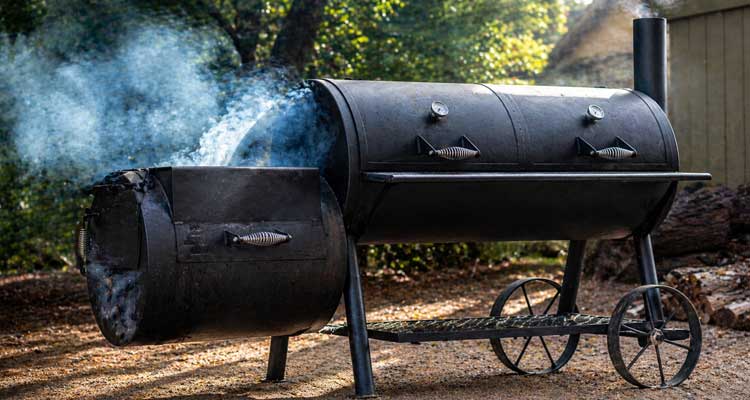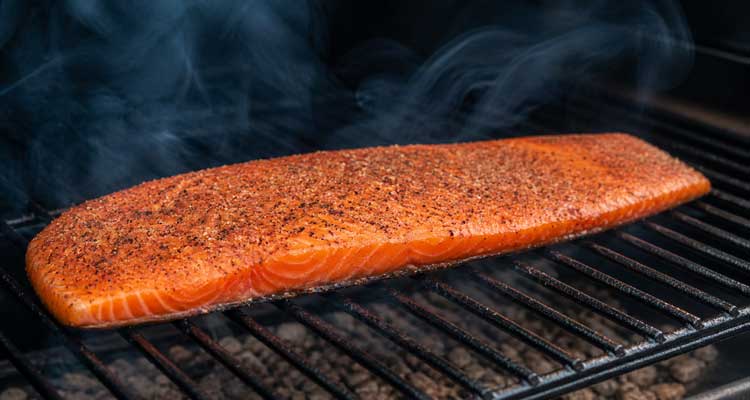
Smoking fish transforms fresh seafood into rich, flaky fillets with deep smoky flavor. The process works on any grill or smoker and takes just 2-3 hours at 180°F once you understand the basics. This guide walks you through brining, equipment setups, and the step-by-step smoking process for beginners and experienced BBQ cooks alike.
Quick Summary
- Fish Selection: Opt for fatty fish like salmon, trout, or mackerel, as their oil content absorbs smoke flavor well and prevents drying. Salmon is an excellent choice for beginners due to its forgiving nature and consistent results.
- Brining & Pellicle: Brine fish in a salt-and-sugar solution for 4-8 hours to season and draw out moisture. After rinsing, air-dry for 1-4 hours to form a tacky pellicle, which is crucial for smoke adhesion and preventing albumin leakage.
- Smoking Process: Smoke fish at 180-200°F for 2-3 hours using mild fruitwoods like alder or cherry. The fish is done when its internal temperature reaches 145°F and flakes easily. Rest for 10 minutes before serving.
Choosing the Right Fish for Smoking
Fatty fish like salmon, trout, mackerel, and sablefish produce excellent smoked results because their higher oil content absorbs smoke flavor deeply and prevents the flesh from drying out during the low-and-slow cooking process on the smoker or grill.
Why Fatty Fish Are Ideal
The fat in these fish acts as a natural basting agent during the smoke. Leaner whitefish like cod or tilapia can be smoked but require shorter cook times and more careful temperature monitoring to avoid a dry, chalky texture.
Top Choices for Beginners
For beginners, salmon fillets are the easiest starting point. They’re forgiving, widely available, and deliver consistently great results on any smoker, pellet grill, or charcoal setup.
Essential Preparation: Brining and the Pellicle
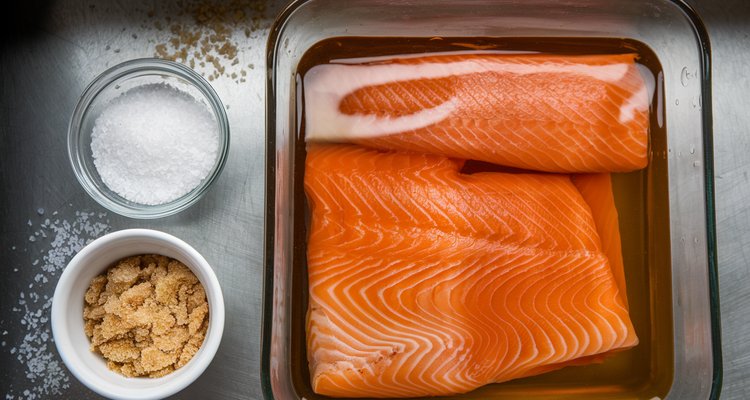
Brining fish in a salt-and-sugar cure for 4-8 hours draws out excess moisture, seasons the flesh throughout, and helps preserve the seafood. After rinsing, air-drying for 1-4 hours forms a tacky pellicle skin that acts as a smoke magnet and prevents white albumin from seeping out.
How to Make a Fish Brine
Mix a wet brine with 1 cup kosher salt, 1/2 cup brown sugar, and 4 cups cold water (below 40°F) per pound of fish. Submerge fillets in the brine and refrigerate for 4-8 hours. Thinner fillets need less time.
Why You Must Form a Pellicle
Rinse the brined fish under cold water and pat dry. Place fillets on a wire rack in the refrigerator (at 35-40°F) or a cool, breezy spot for 1-4 hours until the surface feels tacky and glossy. This pellicle is non-negotiable for proper smoke adhesion.
Helpful gear for this cook:
- Temperature control: Gidli kitchen and seafood shears cuts shells, fins, or kitchen twine cleanly.
- Handling: AMMZO digital meat thermometer checks doneness without guessing.
- Prep: Vencino stainless grill baskets keeps vegetables or small foods from falling through grates.
- Prep tool: Gidli kitchen shears help trim fins and prep fish cleanly.
- Basket option: Vencino grill basket set supports delicate fish pieces on the smoker or grill.
- Temperature check: AMMZO instant read thermometer helps verify doneness without overcooking fish.
Equipment Setups for Smoking Fish
Electric smokers and pellet grills offer the precise low-temperature control that delicate seafood requires, making them ideal for beginners learning how to smoke fish. Charcoal grills work with a two-zone indirect heat setup, and you can even smoke fish without a smoker using an oven or campfire.
Electric Smokers and Pellet Grills
Set the smoker or pellet grill to 180°F. Use mild wood pellets or chips like alder, apple, or cherry. These fruitwoods complement seafood without overpowering it.
Charcoal Grills
Build a two-zone fire by banking all coals to one side. Place fish on the cool side with the lid on and vents partially closed to hold 180-200°F. Add a handful of soaked wood chunks directly on the coals for smoke.
Smoking Without a Smoker
Use a tightly sealed roasting pan with soaked wood chips on the bottom, a rack above, and fish on top. Place in a 200°F oven for 1-2 hours. Ensure proper ventilation. Liquid smoke mixed into a glaze is another indoor alternative for recipes that need smoky flavor.
Smoking Fish in the Wild
Butterfly whole fish and pin them to wooden stakes angled over a smoldering campfire. Use green hardwood for the rack and coals. Maintain low, steady smoke for 3-4 hours. This traditional method works for both flavor and short-term preservation in outdoor or survival situations.
Step-by-Step: The Smoking Process
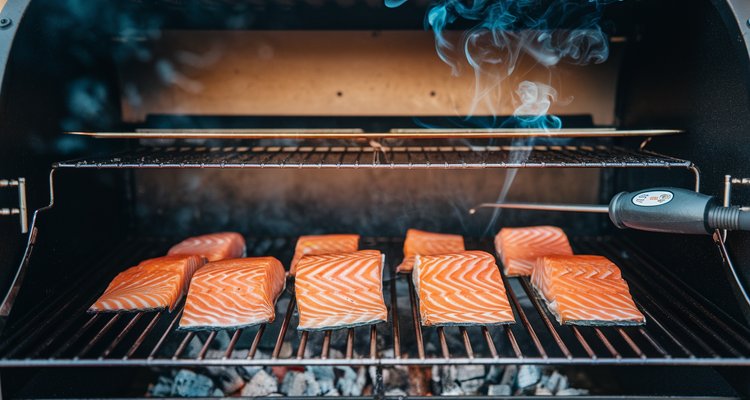
Smoke fish at 180-200°F for 2-3 hours until the internal temperature reaches 145°F and the flesh flakes easily with a fork. Use mild fruitwood like alder or cherry, maintain thin blue smoke throughout, and rest the fillets for 10 minutes before serving.
Core Smoking Steps
- Preheat the smoker to 180°F with your chosen wood.
- Oil the grates lightly to prevent sticking.
- Place fish fillets skin-side down on the grates.
- Maintain thin, wispy blue smoke. Thick white smoke creates a bitter, acrid taste.
- Smoke for 2-3 hours until internal temperature reaches 145°F[FDA].
- Rest the smoked fish for 10 minutes at room temperature (around 70°F) before serving or incorporating into dips and recipes.
| Fish Type | Smoker Temp | Cook Time | Target Internal Temp |
|---|---|---|---|
| Salmon Fillets | 180-200°F | 2-3 hours | 145°F |
| Trout (Whole) | 180-200°F | 2-3 hours | 145°F |
| Mackerel Fillets | 180°F | 1.5-2.5 hours | 145°F |
| Whitefish Fillets | 175-185°F | 1.5-2 hours | 145°F |
Hot Smoking vs. Cold Smoking
Hot smoking at 180-200°F cooks the fish for immediate eating or short-term refrigeration. Cold smoking keeps temperatures below 90°F for hours or days to preserve the seafood long-term, but requires heavy salt curing and strict food safety protocols to prevent dangerous bacterial growth.
Hot Smoking (Cooking)
The standard smoker method described above is hot smoking. It fully cooks the fish and produces ready-to-eat smoked seafood that keeps 3-5 days refrigerated[USDA].
Cold Smoking (Preserving)
Cold smoking is an advanced preservation technique requiring temperatures below 90°F and a heavy salt cure. Without proper curing, this method creates a risk for botulism and other foodborne pathogens[FDA] and is not recommended for beginners.
Health Benefits of Smoked Fish
Smoked fatty fish like salmon and mackerel are rich in omega-3 fatty acids, which research links to improved HDL cholesterol levels and heart health. Smoking, baking, or grilling seafood are heart-healthy cooking methods that avoid the added saturated fats of deep-frying.
Omega-3 Fatty Acids
Omega-3s in smoked fish may help reduce triglycerides and lower inflammation. However, the brining process adds sodium, so those monitoring salt intake should rinse fillets well before smoking or use a lighter brine.
Sodium and Cholesterol Considerations
For readers managing high cholesterol, smoking or grilling fish with minimal added fat is a better choice than frying. Pair smoked seafood with fresh vegetables and whole grains for a balanced BBQ meal.
Common Mistakes When Smoking Fish
The three most common mistakes when smoking fish are skipping the pellicle formation step, using heavy woods like hickory or mesquite that overpower delicate seafood, and running the smoker too hot above 225°F which dries out the flesh rapidly instead of producing moist flaky results.
Rushing the air-dry step causes poor smoke adhesion and white albumin pooling on the surface. Hickory and mesquite overpower fish. Use alder, apple, or cherry for mild, complementary smoke. Temperatures above 225°F cook fish too fast, producing dry, crumbly results instead of moist, flaky fillets. More than 3 hours of heavy smoke makes seafood bitter. Aim for thin blue smoke, not thick white clouds.
Frequently Asked Questions
What is the proper way to smoke fish?
Salt-and-sugar brine the fillets for 4-8 hours, air-dry until a tacky pellicle forms, then smoke at 180°F over alder or cherry wood for 2-3 hours. Pull the fish when internal temperature reaches 145°F[FDA] and the flesh flakes easily with a fork.
How long does it take to smoke fish at 180?
At 180°F, most average-sized fillets take 2-3 hours to reach the safe internal temperature of 145°F[FDA]. Thicker cuts like whole trout may take closer to 3 hours. Thinner fillets from smaller fish can finish in 90 minutes.
Is smoked fish good for cholesterol?
Smoked fatty fish like salmon and mackerel are high in omega-3 fatty acids, which can help raise HDL (good) cholesterol. Be mindful of sodium from brining. Smoking is a heart-healthier cooking method than deep-frying because it requires no added saturated fat.
How do you smoke fish without a smoker?
Use a tightly sealed roasting pan with soaked wood chips on the bottom, a wire rack in the middle, and fish on top. Bake at 200°F for 1-2 hours with proper kitchen ventilation. Alternatively, use high-quality liquid smoke in a glaze for oven-baked recipes.
What wood is recommended for smoking fish?
Alder is the traditional choice for smoking seafood and delivers a mild, slightly sweet flavor. Apple and cherry are excellent alternatives. Avoid hickory, mesquite, and oak for fish because their strong flavors easily overpower delicate seafood.
How long does smoked fish last?
Hot-smoked fish keeps 3-5 days in the refrigerator when stored in an airtight container[USDA]. For longer storage, vacuum-seal and freeze for up to 3 months. Cold-smoked fish lasts longer due to heavier curing, but requires strict preservation protocols.
Do you need to brine fish before smoking?
Brining is strongly recommended. The salt draws out excess moisture, firms up the flesh, seasons it throughout, and helps form the pellicle needed for proper smoke adhesion. Skipping the brine produces bland, soft, and unevenly smoked fish.
Can you smoke frozen fish?
Thaw fish completely in the refrigerator before brining and smoking. Smoking partially frozen fish results in uneven cooking and poor smoke absorption. Allow 12-24 hours for a full thaw depending on fillet size, then proceed with the standard brine-and-smoke process.
Take Home Message
Smoking fish is a rewarding culinary technique that yields delicious, flavorful results with proper preparation and temperature control. By choosing fatty fish, meticulously brining and forming a pellicle, and maintaining a low, consistent smoker temperature, even beginners can achieve perfectly smoked fillets. Avoid common pitfalls like skipping the pellicle or using overpowering woods to ensure a successful smoke every time.