When most people think of pulled meat for holiday gatherings, their minds immediately go to pulled pork. But there’s an unexpected alternative that deserves a place at your holiday table: pulled ham. This tender, sweet, and savory dish transforms an ordinary ham into something extraordinary, delivering all the crowd-pleasing appeal of traditional pulled pork with a unique flavor profile that your guests won’t soon forget. Whether you’re using a fresh ham or repurposing holiday leftovers, this pulled ham recipe creates melt-in-your-mouth results that will have everyone asking for seconds.
Why Pulled Ham Deserves a Spot on Your Holiday Table
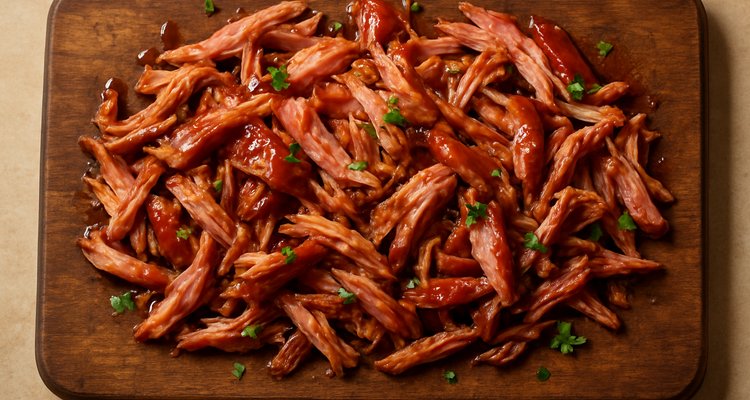
There’s something magical about watching a beautifully glazed ham fall apart into tender, shreddable strands. Unlike traditional sliced ham, pulled ham offers a completely different eating experience. The slow cooking process allows the meat to absorb the glaze flavors throughout, creating a perfect balance of sweet and savory in every bite. The natural saltiness of cured ham pairs beautifully with brown sugar, maple, or honey-based glazes, creating layers of flavor that simply can’t be achieved with other cooking methods.
What makes this pulled ham recipe truly special is its versatility. Serve it on soft Hawaiian rolls for irresistible sliders, pile it high on crusty bread for substantial sandwiches, or present it as a stunning main course alongside your favorite holiday sides. The make-ahead potential is another huge advantage for busy hosts. You can prepare pulled ham a day in advance and simply reheat it before serving, allowing you to actually enjoy your guests instead of being stuck in the kitchen.
Choosing the Right Ham for Shredding
Not all hams are created equal when it comes to making pulled ham. The key to success lies in selecting the right cut. You want a bone-in, uncut whole ham, specifically a shank portion if possible. The shank has slightly more fat marbling, which keeps the meat juicier during the long cooking process and makes shredding easier.
Avoid pre-sliced or spiral-cut hams at all costs. While these are convenient for traditional serving, the pre-cut slices will fall apart into unappetizing chunks rather than pulling into beautiful strands. A boneless ham can work in a pinch, but you’ll sacrifice some flavor and texture compared to bone-in options.
For the best results, look for a ham weighing between 8-10 pounds. This size provides enough meat to feed a crowd while still cooking evenly. Fresh (uncured) ham can also be used and offers a milder flavor that some prefer, though it requires additional seasoning to achieve that classic ham taste.
The Three Methods: Smoker, Oven, and Slow Cooker
This pulled ham recipe offers three cooking methods to suit your equipment and preferences. Each produces delicious results, though the flavor profiles differ slightly.
Smoker Method
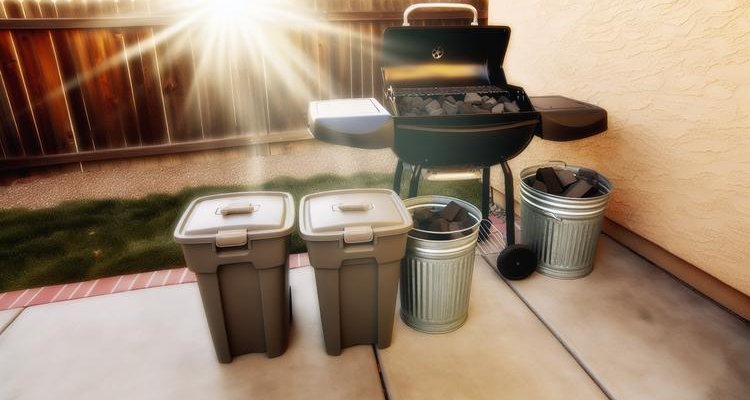
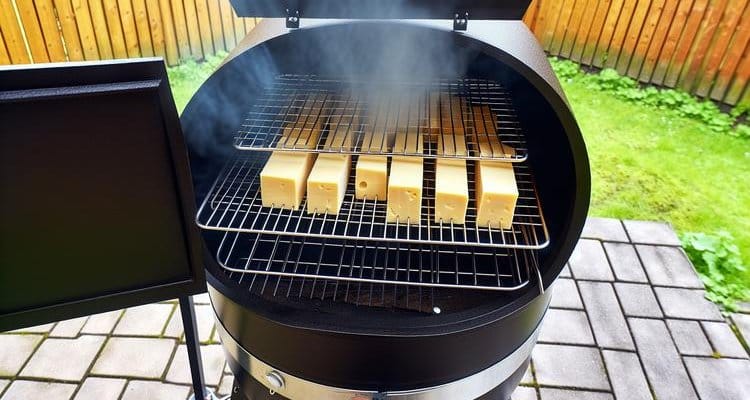
For the deepest, most complex flavor, nothing beats a smoked pulled ham. The combination of low heat and wood smoke creates an incredible bark on the exterior while keeping the interior perfectly tender. If you’re going this route, check out our guide to the best wood for smoking to pair perfectly with ham. Apple, cherry, and hickory are excellent choices that complement ham’s natural sweetness without overpowering it.
Oven Method
The oven method is the most accessible approach and produces excellent results with minimal equipment. Low and slow is the key here, cooking at 275-300 degrees until the internal temperature reaches 200-205 degrees and the meat is fork-tender.
Slow Cooker Method
Perfect for smaller hams or when you want true hands-off cooking, the slow cooker creates incredibly tender pulled ham with almost no effort. The meat essentially braises in its own juices, resulting in exceptionally moist shredded ham.

Essential Tips for Perfect Pulled Ham
Temperature is everything when making pulled ham. Invest in a quality wireless meat thermometer to monitor your ham’s internal temperature throughout the cooking process. You’re aiming for an internal temperature of 200-205 degrees Fahrenheit, which breaks down the connective tissue and allows the meat to shred easily. Don’t rely solely on time, as every ham cooks differently based on its size, shape, and starting temperature.
The texture test is equally important. When your ham is ready to shred, a probe thermometer should slide into the meat like butter with zero resistance. If you encounter any resistance, continue cooking. The bone should also be loose and ready to pull away cleanly.
For shredding, meat shredding claws make quick work of the job, but two sturdy forks work perfectly well. Shred the ham while it’s still warm for the easiest pulling, and be sure to mix any accumulated pan juices back into the meat for maximum flavor and moisture.
Glaze Options That Elevate Your Pulled Ham
The glaze is where you can really customize your pulled ham to suit your taste preferences. Here are three proven options that work beautifully:
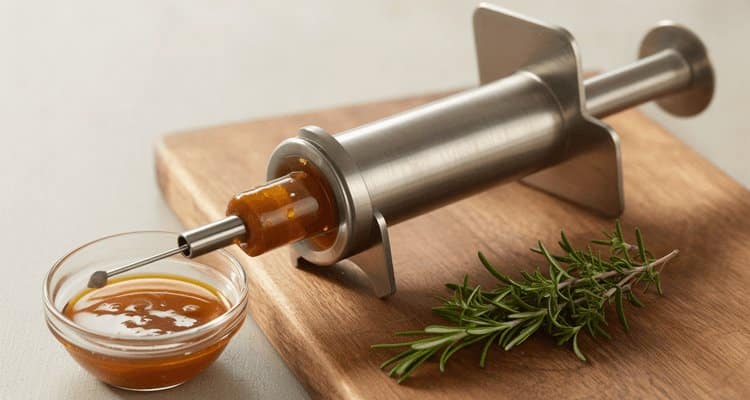
A classic brown sugar glaze combines brown sugar, Dijon mustard, and a splash of apple cider vinegar for the perfect sweet-tangy combination. For a maple variation, substitute pure maple syrup for some of the brown sugar and add a pinch of cinnamon. For those who like heat, a honey-sriracha glaze provides an addictive sweet-spicy kick that pairs amazingly with the salty ham.
Whatever glaze you choose, apply it generously during the last hour of cooking to create a beautiful caramelized exterior. Reserve some glaze to toss with the shredded meat after pulling for an extra flavor boost.
Serving Suggestions for Holiday Success
Pulled ham shines in numerous serving applications. For casual gatherings, set up a slider bar with Hawaiian rolls, various sauces, and toppings like coleslaw and pickles. For a more formal presentation, serve the shredded ham alongside traditional holiday sides like scalloped potatoes, green bean casserole, and warm dinner rolls.
Don’t forget about breakfast applications either. Pulled ham makes incredible breakfast burritos, pairs perfectly with eggs and hash browns, or can be added to a hearty breakfast casserole. The versatility of this dish means you’ll find countless ways to enjoy any leftovers.
Storage and Make-Ahead Tips
One of the best things about pulled ham is how well it stores and reheats. Keep leftovers in an airtight container in the refrigerator for up to 4-5 days. For longer storage, you can store meat in the freezer for up to 3 months.
To reheat, add a splash of apple juice or water to the container and warm gently in the microwave or in a covered dish in the oven at 300 degrees until heated through. The added liquid helps restore moisture and keeps the meat from drying out.
Frequently Asked Questions
Can I use a pre-cooked ham for pulled ham?
Yes, a fully cooked ham works well and reduces cooking time significantly. Look for an unsliced, bone-in ham and cook until it reaches 200-205 degrees internal temperature and shreds easily. This typically takes 4-6 hours at 275 degrees depending on size.
What’s the best wood for smoking pulled ham?
Fruitwoods like apple and cherry are excellent choices, providing mild sweetness that complements ham without overpowering it. Hickory also works well for a more robust, traditional smoke flavor. Avoid strong woods like mesquite, which can make ham taste bitter.
How do I prevent my pulled ham from drying out?
Keep the cooking temperature low (275-300 degrees), don’t remove the ham until it reaches proper temperature (200-205 degrees), and baste occasionally with pan drippings or glaze. After shredding, mix the meat with accumulated pan juices for extra moisture.
Can I make pulled ham ahead of time?
Absolutely. Pulled ham is perfect for make-ahead preparation. Cook and shred up to 2 days before serving, then refrigerate in an airtight container with some pan juices. Reheat gently with a splash of liquid to maintain moisture.
How much pulled ham do I need per person?
Plan on about 1/3 to 1/2 pound of raw ham per person. A 10-pound bone-in ham will yield approximately 6-7 pounds of meat after cooking and removing the bone, feeding 12-20 people depending on serving style and appetite.
Pulled Ham: The Unexpected Holiday Crowd-Pleaser
Equipment
- Smoker, oven, or slow cooker Choose based on your preferred cooking method
- Meat thermometer Instant-read or wireless for monitoring internal temperature
- Large roasting pan With rack for oven method
- Meat shredding claws or two forks For pulling the ham apart
- Basting Brush For applying glaze
Ingredients
For the Ham
- 1 bone-in ham shank 8-10 pounds, unsliced
- 2 tablespoons olive oil
- 1 cup apple juice or cider for basting
For the Brown Sugar Glaze
- 1 cup brown sugar packed
- 1/4 cup Dijon mustard
- 2 tablespoons apple cider vinegar
- 1 teaspoon garlic powder
- 1/2 teaspoon ground cloves
- 1/4 teaspoon black pepper
Instructions
- Remove ham from refrigerator 1 hour before cooking to bring to room temperature. Pat dry with paper towels.
- Using a sharp knife, score the surface of the ham in a diamond pattern, cutting about 1/2 inch deep. This helps the glaze penetrate the meat.
- Rub the entire ham with olive oil to help develop a beautiful crust.
- For smoker method: Preheat smoker to 225 degrees F using apple or cherry wood. Place ham on smoker and cook for 5-6 hours until internal temperature reaches 165 degrees F.
- For oven method: Preheat oven to 275 degrees F. Place ham on a rack in a roasting pan with 1 cup apple juice in the bottom. Cover loosely with foil and cook for 4-5 hours.
- While ham cooks, prepare the glaze by combining brown sugar, Dijon mustard, apple cider vinegar, garlic powder, cloves, and black pepper in a small saucepan. Heat over medium, stirring until sugar dissolves. Set aside.
- When ham reaches 165 degrees F internal temperature, increase smoker to 300 degrees F (or remove foil for oven method). Brush generously with glaze.
- Continue cooking, basting with glaze every 20-30 minutes, until internal temperature reaches 200-205 degrees F and a probe slides into the meat with no resistance. This typically takes 1-2 additional hours.
- Remove ham from heat and let rest for 30 minutes. The bone should be loose and ready to pull away.
- Remove the bone and any excess fat. Using two forks or meat shredding claws, pull the ham apart into bite-sized strands.
- Toss the shredded ham with any accumulated pan juices and remaining glaze. Serve warm on slider buns, crusty bread, or as a main dish.
Notes
- Don't skip the resting time - it allows juices to redistribute and makes shredding easier.
- Save any leftover glaze to toss with the shredded meat for extra flavor.
- The ham is done when a thermometer probe slides in like butter with zero resistance.
Contents
- Why Pulled Ham Deserves a Spot on Your Holiday Table
- Choosing the Right Ham for Shredding
- The Three Methods: Smoker, Oven, and Slow Cooker
- Essential Tips for Perfect Pulled Ham
- Glaze Options That Elevate Your Pulled Ham
- Serving Suggestions for Holiday Success
- Storage and Make-Ahead Tips
- Frequently Asked Questions
- Pulled Ham: The Unexpected Holiday Crowd-Pleaser