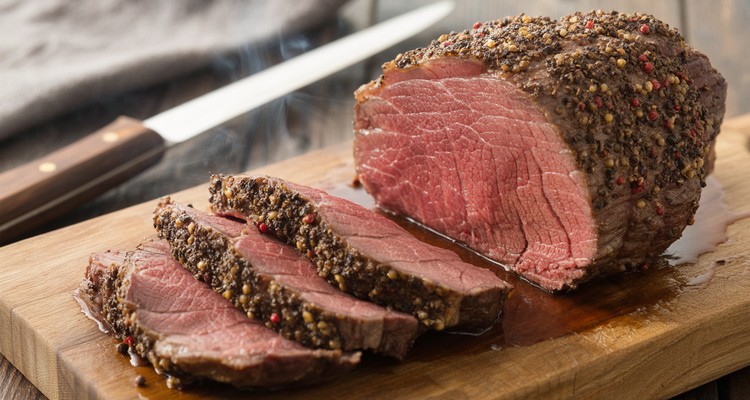
Smoked beef tenderloin delivers restaurant-quality results with a depth of flavor that oven roasting cannot match. This premium cut reaches 130-135°F internal temperature for medium-rare[USDA] in approximately 2-2.5 hours at 225°F, making it a surprisingly manageable cook for holidays, dinner parties, or any occasion worth celebrating.
Quick Summary
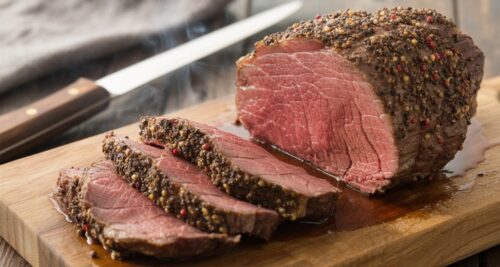
- Flavorful & Tender: Smoking beef tenderloin at a low temperature creates a savory bark and a uniformly pink interior, offering a depth of flavor unmatched by oven roasting.
- Reverse Sear Perfection: The reverse sear method ensures edge-to-edge doneness and a deeply caramelized crust by smoking the tenderloin to 5°F below target, then finishing with a high-heat sear.
- Precision Cooking: Achieving perfect medium-rare (130-135°F) requires precise temperature monitoring with a reliable thermometer, typically taking 2-2.5 hours at 225°F for a 4 lb roast.
- Avoid Common Mistakes: Prevent overcooking, ensure proper trimming of silver skin, tie the roast for even cooking, and never skip the final sear to maximize tenderness and flavor.
Why Smoke a Beef Tenderloin?
Beef tenderloin is the most tender muscle on the steer, prized for its buttery texture and lean profile. Smoking it low and slow builds a savory bark on the exterior while the interior stays uniformly pink from edge to edge. The reverse sear finish creates the Maillard crust that elevates this cut from great to unforgettable.
Helpful gear for this cook:
- ThermoMaven wireless meat thermometer — tracks long cooks without opening the smoker
- Traeger Signature Blend pellets — adds a balanced smoke profile for backyard cooks
- Western BBQ smoking wood chips variety pack — adds wood-smoke flavor on charcoal or gas grills
Why the Reverse Sear Method is Perfect for Beef Tenderloin
The reverse sear method smokes beef tenderloin at 225°F until 5°F below your target internal temperature, then finishes with a high-heat sear for 60-90 seconds per side. This two-stage approach prevents overcooking the lean meat and produces edge-to-edge even doneness with a deeply caramelized crust. Traditional searing first and finishing in the oven creates a thick gray band of overcooked meat around the outside.
The reverse sear flips that sequence entirely. You bring the whole roast up to temperature gradually in the smoker, then blast it with intense direct heat at the very end. This approach solves the biggest challenge with beef tenderloin – the lack of intramuscular fat. Because the cut is so lean, it transitions from perfectly cooked to overdone within minutes. The slow smoke phase eliminates that risk by heating the entire roast uniformly.
Helpful gear for this cook:
- Temperature control: AMMZO digital meat thermometer checks doneness without guessing.
- Handling: Hotec stainless kitchen tongs turns food cleanly without piercing it.
- Prep: Stargazer cast iron skillet builds a hard sear indoors, on a grill, or on a side burner.
Essential Equipment
To achieve perfect results, a few key tools are necessary. You will need a smoker or grill capable of maintaining a steady 225°F, a reliable instant-read or leave-in probe thermometer, a sharp boning knife for trimming, and butcher’s twine for tying the roast into a uniform shape.
Preparing and Seasoning the Meat
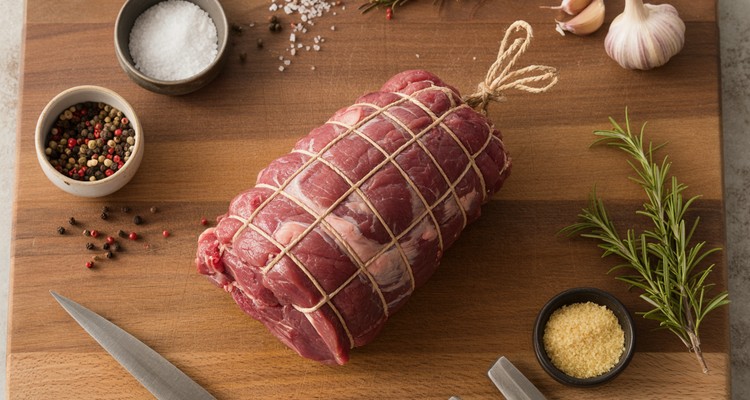
Proper preparation is the foundation of a perfectly smoked beef tenderloin. This involves trimming the tough silver skin and tying the roast into a uniform shape for even cooking before applying a generous layer of seasoning.
Trimming the Silver Skin
Start by identifying the silver skin – the thin, pearlescent membrane running along one side of the roast. Unlike fat, silver skin does not render during cooking. It tightens under heat and causes the meat to bow and cook unevenly. Slide a sharp boning knife under the silver skin at one end, angle the blade slightly upward, and use long smooth strokes to peel it away. Take your time. Removing it cleanly is worth the extra few minutes of prep.
Tying for an Even Cook
Once trimmed, fold the thin tail end underneath itself and secure it with butcher’s twine. Tie the roast at roughly one-inch intervals to create a uniform cylinder. This ensures the thinner sections do not overcook before the thick center reaches temperature.
Applying the Seasoning
For the seasoning, a bold rub complements the mild flavor of beef tenderloin. Drawing inspiration from Hey Grill Hey and Meat Church recipe traditions, combine coarse kosher salt, cracked black pepper, garlic powder, onion powder, and a touch of dried rosemary. Apply the rub generously and press it firmly so it adheres to the surface.
Let the seasoned tenderloin rest uncovered in the refrigerator for at least 1 hour, or up to overnight, to allow the salt to penetrate the meat and the surface to dry for better bark formation.
Time and Temperature Guide for Smoking
Smoking a beef tenderloin is about precision. The key is to cook to a specific internal temperature using a reliable thermometer, not to follow a strict timeline. This guide provides the target temperatures for your desired doneness and helps estimate cook times.
Cook to Temperature, Not Time
The single most important rule for this cook: you are cooking to internal temperature, not by the clock. A timer gives you a rough estimate. A Thermapen ONE or similar instant-read thermometer gives you the truth. Set your smoker to 225°F and insert a probe thermometer into the thickest part of the tenderloin.
Pull the meat when it reaches your target pull temperature from the chart below. The USDA recommends a minimum internal temperature of 145°F for whole cuts of beef with a 3-minute rest for food safety.[USDA]
| Doneness | Pull Temp (Before Sear) | Final Temp (After Rest) | Estimated Time at 225°F |
|---|---|---|---|
| Rare | 110-115°F | 120-125°F | 1.5-2 hours |
| Medium-Rare | 120-125°F | 130-135°F | 2-2.5 hours |
| Medium | 130°F | 140-145°F | 2.5-3 hours |
| Medium-Well | 140°F | 150-155°F | 3-3.5 hours |
Estimating Cook Time
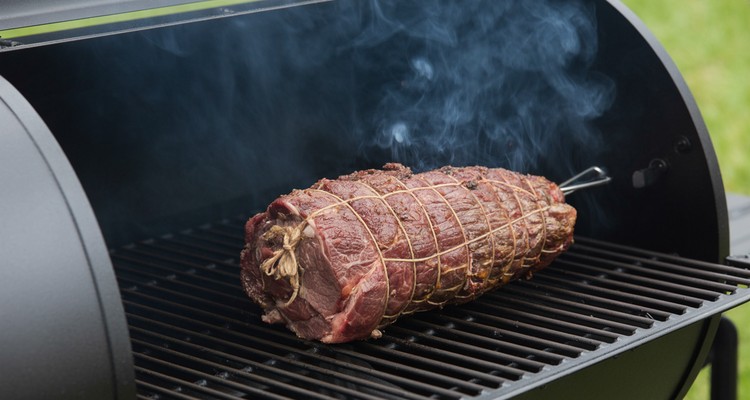
For a 4 lb beef tenderloin smoked at 225°F, expect approximately 2-2.5 hours to reach medium-rare (120°F pull temperature). However, thickness matters more than weight. A thick center section takes longer than a uniformly thin piece of the same weight.
Monitor the internal temperature starting around the 90-minute mark. The temperature climbs slowly at first, then accelerates once the meat passes 100°F. Pulling at precisely the right moment is the difference between a perfect medium-rare and an overcooked roast.
Common Mistakes to Avoid When Cooking Beef Tenderloin
Beef tenderloin is a lean, premium cut that can be unforgiving if handled incorrectly. Avoiding a few common pitfalls, such as overcooking or skipping the final sear, is crucial for achieving a tender, juicy result with a perfect crust.
Mistake 1: Overcooking
Overcooking is the single biggest threat to beef tenderloin. Because this cut has virtually no intramuscular fat, there is no marbling to keep it moist once the internal temperature passes 145°F. The USDA minimum safe temperature for whole beef cuts is 145°F with a 3-minute rest.[USDA] Beyond that, each additional degree costs you moisture and tenderness.
Mistake 2: Skipping the Sear
Skipping the sear is the second most common mistake. Without that final high-heat blast, the tenderloin lacks the caramelized crust that provides textural contrast and concentrated beefy flavor. The sear takes only 60-90 seconds per side – do not skip it.
Mistake 3: Wrapping in Foil
Wrapping in foil during the smoke phase is a technique borrowed from brisket and pork shoulder, but it has no place in a tenderloin cook. Foil traps moisture and steams the exterior, preventing bark formation and leaving you with a soft, pale surface instead of a defined crust. Only use foil loosely during the 10-15 minute rest after searing.
Sauces and Serving Suggestions
The mild, buttery flavor of smoked beef tenderloin pairs beautifully with a variety of sauces and side dishes. A classic mushroom gravy enhances its richness, while proper storage ensures leftovers are just as delicious the next day.
Making a Classic Mushroom Gravy
Beef tenderloin is lean and mild, which makes it a perfect canvas for a rich, savory sauce. A mushroom gravy built from the searing pan drippings brings concentrated umami that elevates every slice. After searing, remove the tenderloin to rest. In the same hot pan, saute 8 oz of sliced cremini mushrooms with a tablespoon of butter until golden, about 4-5 minutes.
Add 2 minced garlic cloves and cook 30 seconds until fragrant. Deglaze the pan with 1/2 cup of dry white wine, scraping up all the browned fond from the bottom. Let the wine reduce by half, about 2 minutes. Add 1 cup of beef stock, bring to a simmer, and cook until the liquid reduces by one-third. Finish with 2 tablespoons of cold butter swirled in off-heat for a glossy, velvety consistency.
Storing and Using Leftovers
Leftover sliced smoked beef tenderloin makes an exceptional sandwich the next day, especially when layered on crusty bread with arugula, horseradish cream, and reheated mushroom gravy. Store leftovers refrigerated in an airtight container for up to 3-4 days.[USDA]
Frequently Asked Questions
How long will it take to cook a 4 lb beef tenderloin?
A 4 lb trimmed beef tenderloin smoked at 225°F takes approximately 2-2.5 hours to reach an internal temperature of 120°F for medium-rare. Always use a probe thermometer rather than relying on time alone, as thickness and starting temperature affect the total cook time significantly.
Should you wrap beef tenderloin in foil when smoking?
Do not wrap beef tenderloin in foil during the smoking phase. Wrapping traps steam and prevents the seasoned exterior from developing into a firm, flavorful bark. Only tent the tenderloin loosely with foil during the 10-15 minute rest period after the final sear to allow carryover cooking.
What wood is best for smoking beef tenderloin?
Mild fruitwoods like cherry and apple, or medium-strength hardwoods like oak, pair well with the delicate flavor of beef tenderloin. Avoid strong woods like hickory or mesquite, which can overpower the meat during a 2-3 hour smoke. Cherry wood also adds a subtle mahogany color to the bark.
What are some common mistakes to avoid when cooking beef tenderloin?
The most frequent mistakes are overcooking past medium doneness, skipping the silver skin removal, not tying the roast for even thickness, and omitting the final sear. Beef tenderloin is lean and unforgiving – cooking to temperature with a reliable thermometer eliminates the guesswork that leads to a dry, overcooked result.
Can you smoke beef tenderloin on a pellet grill?
Pellet grills like Traeger and Pit Boss are ideal for smoking beef tenderloin because they maintain precise temperature control at 225°F without constant adjustment. Set the grill to smoke mode or 225°F, place the tenderloin on the grate with a probe thermometer inserted, and let it run until the target internal temperature is reached.
What internal temperature is medium-rare for smoked beef tenderloin?
Medium-rare beef tenderloin has a final internal temperature of 130-135°F after resting.[USDA] When using the reverse sear method, pull the meat from the smoker at 120-125°F because the high-heat sear and resting phase add approximately 10°F through carryover cooking.
How do you store leftover smoked beef tenderloin?
Store sliced or whole leftover smoked beef tenderloin in an airtight container in the refrigerator for 3-4 days.[USDA] Reheat gently in a 250°F oven until warmed through, about 10-15 minutes, to avoid overcooking. The USDA recommends refrigerating cooked meat within 2 hours of serving.[USDA]
Do you need to rest beef tenderloin after smoking?
Resting is critical. After the final sear, tent the tenderloin loosely with foil and let it rest for 10-15 minutes. This allows the internal juices to redistribute throughout the muscle fibers. Cutting immediately after cooking causes those juices to pool on the cutting board instead of staying in the meat.
Take Home Message
Smoking beef tenderloin with a reverse sear method transforms this premium cut into an unforgettable culinary experience. By focusing on precise temperature control, proper trimming, and a final high-heat sear, you can achieve a perfectly cooked, tender, and flavorful roast every time. This technique ensures a beautiful bark and edge-to-edge doneness, making it ideal for special occasions.
Smoked Beef Tenderloin with Reverse Sear
Equipment
- Smoker or pellet grill Set to 225 degrees F
- Probe thermometer For monitoring internal temperature
- Sharp boning knife For trimming silver skin
- Butcher's twine For tying the roast
- Cast-iron skillet or hot grill For the reverse sear
Ingredients
For the Tenderloin
- 4 pounds beef tenderloin trimmed and tied
For the Rub
- 2 tablespoons kosher salt
- 2 tablespoons coarse black pepper
- 1 tablespoon garlic powder
- 1 tablespoon onion powder
- 1 teaspoon dried rosemary crushed
- 1 tablespoon avocado oil or beef tallow for searing
Optional Mushroom Gravy
- 8 ounces cremini mushrooms sliced
- 1/2 cup dry white wine
- 1 cup beef stock
- 3 tablespoons butter divided
Instructions
- Trim away the silver skin, fold the thin tail under the roast, and tie the tenderloin at 1-inch intervals so it cooks evenly.
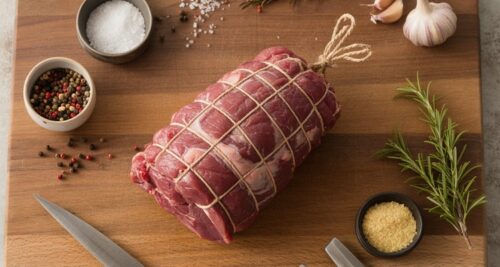
- Season all sides with kosher salt, coarse black pepper, garlic powder, onion powder, and crushed dried rosemary. Refrigerate uncovered for at least 1 hour, or up to overnight, to dry the surface for better bark.
- Preheat the smoker to 225°F with cherry or oak wood. Place the tenderloin on the grate and insert a probe thermometer into the thickest section.
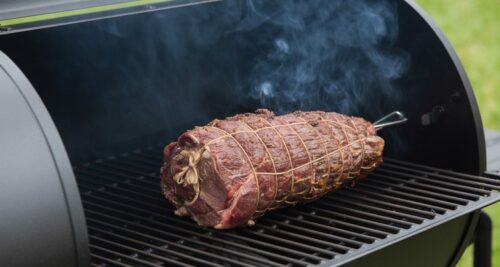
- Smoke until the thickest section reaches 120-125°F for medium-rare, about 2 to 2 1/2 hours depending on thickness. Cook to temperature, not time.
- Heat a cast-iron skillet or grill surface until very hot. Add avocado oil or beef tallow and sear the tenderloin for 60-90 seconds per side until the crust is browned.
- Rest the tenderloin loosely tented for 10-15 minutes, then slice across the grain into medallions and serve.
- For optional mushroom gravy, saute the mushrooms in the searing pan, deglaze with wine, add beef stock, reduce, and finish off heat with butter.
Notes