Ask any pitmaster what separates truly great smoked meat from the rest, and they will point straight to the bark. That dark, crusty, intensely flavored exterior is the holy grail of low-and-slow barbecue. Chasing it is what keeps serious cooks coming back to the smoker weekend after weekend.
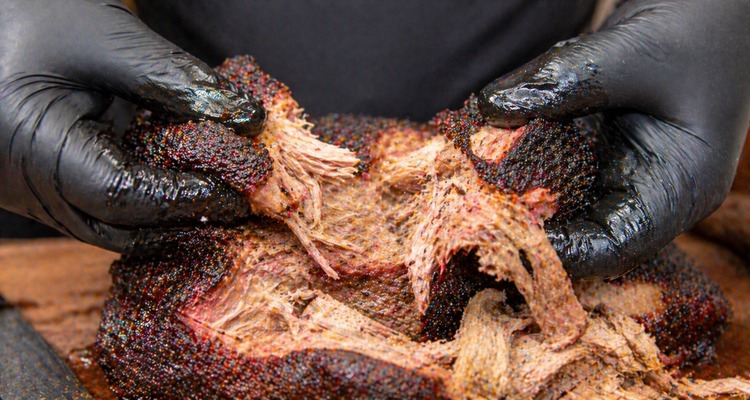
BBQ bark is more than aesthetics. It is a complex layer of polymerized fats, caramelized spices, and hardened proteins built up over many hours of smoke and heat. You know you have done something right when you crack through it on a perfectly cooked brisket.
This guide breaks down exactly what bbq bark is and the science behind how it forms. We also cover the specific techniques you need to maximize it on every cut you put in the smoker.
Quick Summary
- Bark Formation — BBQ bark is the dark, flavorful crust on smoked meat, formed by the Maillard reaction and fat polymerization over hours of low-and-slow cooking.
- Key Techniques — Achieving great bark requires trimming hard fat, maximizing surface area, using a balanced spice rub, and maintaining consistent smoker temperatures between 225-250°F.
- Moisture Management — Allow a pellicle to form by letting meat sit uncovered after rubbing. Spritzing can enhance bark after 3-4 hours, but avoid wrapping in foil, which softens the bark.
- Troubleshooting — Soft bark often results from early wrapping; bitter bark from dirty smoke or burnt sugar. Ensure the rub adheres firmly to a dry surface to prevent bark from falling off.
What is the Bark on a Barbecue?
BBQ bark is the highly sought-after, dark, and flavor-packed exterior that forms on smoked meat during a long, slow cook. It is not simply burnt meat, nor is it a thick crust from high-heat searing. This unique layer is a hallmark of authentic barbecue.
It is something uniquely its own. Bark is a product of time, smoke, heat, and a good spice rub working together over many hours.
Exceptional bbq bark has a firm, almost crunchy texture on the outside while the interior stays moist. It concentrates flavor in a way that nothing else in cooking quite replicates. It combines smoke, salt, spice, and deep savory notes into a single outer shell.
The Science: Maillard Reaction and Polymerization
Two key chemical processes drive bark formation. The first is the Maillard reaction. This browning process occurs when heat causes amino acids and reducing sugars in the meat and rub to react.
The second process is polymerization. Fat renders out of the meat during the long cook and coats the exterior. Under sustained low heat and smoke, these fats and spices link together into long molecular chains that harden.
This is what gives bbq bark its firm, almost bark-like texture. The Maillard reaction and polymerization turn a simple coating of salt and spices into something genuinely extraordinary.
The Role of the Pellicle and Smoke Ring
The surface of the meat needs to develop a pellicle before bark can fully form. A pellicle is a thin, tacky, protein-rich film that forms as moisture evaporates. This sticky layer allows smoke particles to adhere and accumulate.
The pellicle gradually dries out and hardens under the influence of smoke and heat. It transitions into the firm bbq bark you are chasing. Smoke slides off the meat instead of binding to it without a proper pellicle.
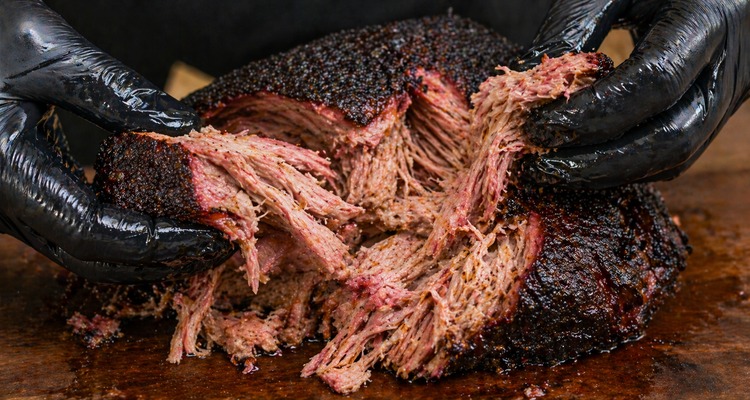
You will often see the coveted smoke ring just beneath the bark. This bright pink band is caused by nitric oxide and carbon monoxide reacting with myoglobin. It almost always appears in well-barked smoked meat.
Barbecue Crust vs. Bark
A crust and a bark are not the same thing. A crust forms quickly when you sear a steak over high, direct heat for a few minutes.
The exterior browns fast through the Maillard reaction, creating a flavorful outer layer. The cooking process is done in minutes rather than hours.
BBQ bark forms slowly. It requires a low-and-slow cooking process for many hours. This allows fat rendering, smoke adhesion, spice integration, and polymerization to all work together.
 Pitmaster Tip: Bark cannot be rushed. Cranking up your smoker temperature is the fastest way to burn your rub before the fat can render. Patience is the single most important ingredient.
Helpful products for this guide:
- ThermoMaven wireless meat thermometer — tracks long cooks without opening the smoker
- HOTEC silicone basting brushes — apply sauce, butter, or glaze evenly
- Grill Heat Aid heat-resistant BBQ gloves — protect hands around hot grates and pans
How to Make Barbecue Bark
Great bbq bark does not happen by accident, as it requires a deliberate approach. Every single step of the cooking process either builds this coveted bark or actively works against it. Here is the proven methodology that consistently delivers exceptional results.
Meat Preparation and Surface Area
The first step is trimming hard fat. Excess fat blocks smoke and spice rub from reaching the actual meat. Trim hard fat down to roughly 1/4 inch so the rub can contact the surface directly.
Maximizing surface area is equally important. Every exposed square inch of meat is potential bark. Scoring or trimming a cut of meat to expose more meat creates more real estate for the smoke and spice rub.
Irregular-shaped cuts like pork shoulder often develop spectacular bark naturally. They have more nooks, edges, and exposed surfaces than a uniform roast.
Pro Tip: Let the meat sit uncovered in the refrigerator overnight after applying your rub. The salt draws out moisture, which then reabsorbs into the meat. This helps the rub adhere firmly before smoking.Crafting the Perfect Spice Rub
Your spice rub is the raw material of bbq bark. The foundation of most great bark-building rubs is simple: kosher salt and coarse black pepper. Kosher salt draws moisture to the surface and seasons deeply.
Coarse black pepper contributes bitterness, complexity, and visible texture to the finished bark.
Sugar aids in caramelization but comes with a risk. Too much sugar can cause the exterior to burn if your smoker runs hot.
Keep smoker temperatures below 275°F and monitor carefully when adding sugar. Brown sugar and turbinado are more forgiving than white granulated sugar.
Garlic powder, onion powder, paprika, and cayenne are common additions that deepen color and flavor. Apply the rub generously and press it into the surface firmly.
Temperature Control and Moisture Management
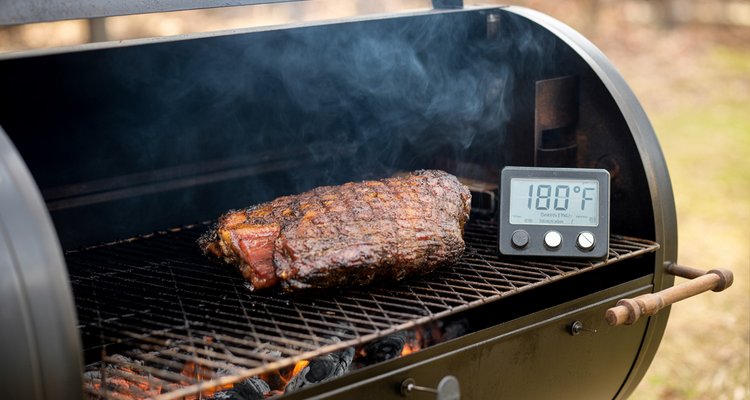
Bark sets best at a consistent low-and-slow temperature. The sweet spot for most cuts is 225-250°F.[USDA] Wild temperature swings in your smoker stress the bark-formation process.
Spritzing is a technique where you spray the meat with liquid every hour or so. The moisture attracts more smoke particles to the surface. However, spritzing too early can dissolve the rub off the surface.
Wait until the exterior of the meat looks dry and is beginning to darken before your first spritz. This usually happens 3-4 hours into the cook.
Mastering Bark on Specific Cuts
Different cuts of meat have unique fat distributions, textures, and required cooking times. Therefore, the bark-building approach must be carefully tailored to what you are cooking. Here is how to master the process for the most popular low-and-slow cuts.
Brisket Bark
Brisket bark is the ultimate benchmark for many pitmasters. The goal is a dark, mahogany crust that cracks when sliced. Start with a simple salt-and-pepper rub.
Smoke at 225-250°F and let the brisket cook unwrapped for the first 6-8 hours. This allows the bark to fully develop before wrapping the brisket.
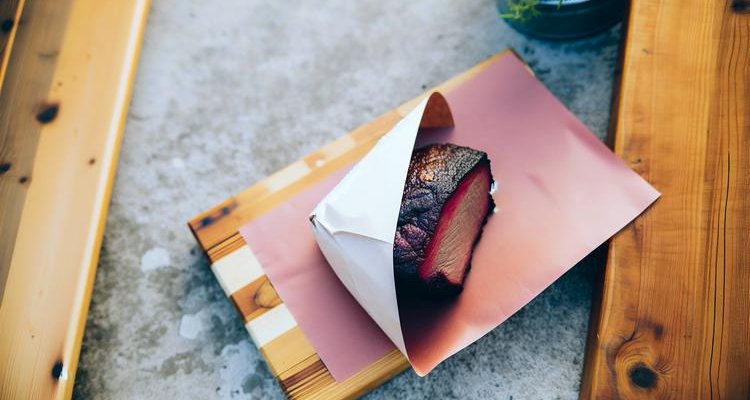
Wrapping brisket in butcher paper is where most brisket bark problems start. Aluminum foil traps steam, which softens the bark dramatically. The fix is to use pink butcher paper instead of foil.
Butcher paper is porous, so it lets some moisture escape while protecting the brisket. The result is a brisket that finishes cooking faster without sacrificing bark.
Unwrap the brisket for the final 30-45 minutes if foil softened the bark. Raise the temperature to 275°F. This firms the exterior back up before you pull it off the smoker.
Pulled Pork and Burnt Ends
Pulled pork is one of the most naturally bark-friendly cooks in barbecue. The irregular shape of the shoulder creates enormous surface area. High fat content provides plenty of rendering fat to drive polymerization.
A well-cooked pork shoulder will often have large sheets of dark, crackling bark. This bark falls away from the interior when you pull it.
Burnt ends are another lesson in maximizing bark through surface area. Pitmasters cube the fatty point muscle of a smoked brisket into 1.5-inch pieces. They return them to the smoker uncovered for another 2-3 hours.
Each cube now has six sides of exposed surface area developing bark simultaneously. The result is intensely flavored, heavily barked cubes of smoked beef. The same bark-building approach also applies to smoked beef back ribs, where exposed edges take smoke well.
Achieving Bark on Ribs (Smoker and Oven)
Smoking ribs at 225°F presents a different bark challenge because of their relatively thin profile. Always remove the membrane before applying a seasoning rub. Apply a heavy, even coat of dry rub on all exposed surfaces.
Ribs bark well when cooked unwrapped for the first 2-3 hours in the smoker. The final unwrapped hour is critical if you use the 3-2-1 method. It is when the bark firms back up after the steaming phase.
Airflow is the key to getting bbq bark on ribs in the oven. Place the ribs on a wire rack set inside a rimmed baking sheet. Apply a thick dry rub and cook uncovered at 275°F.
Raise the temperature to 300-325°F for the last 30-45 minutes. This sets and firms the exterior, simulating the bark-hardening effect of a smoker.
Pitmaster Tip: The convection setting is your best friend for oven ribs. Convection moves hot, dry air across the surface of the meat continuously. This accelerates moisture evaporation and mimics a smoker environment.Why is Barbecue Bark Black? (And Is It Bad For You?)
The deep, near-black color of great bbq bark often alarms first-timers who mistakenly assume it is burnt. It is not. This rich, dark color actually comes from caramelized sugars, deeply polymerized fats, and many layers of smoke adherence built over hours.
Properly formed bbq bark should taste complex, savory, and smoky. It should never taste acrid or harsh. A bitter, unpleasant aftertaste indicates creosote from dirty, smoldering smoke.
Creosote creates a sooty, unpleasant film on the exterior. This is distinctly different from proper bark. Good bark comes from clean, thin blue smoke rather than billowing white clouds.
Actual char will taste ashy and bitter throughout. Real bbq bark is firm and concentrated on the exterior but transitions to juicy meat almost immediately. You are eating caramelized, polymerized, smoke-infused deliciousness.
Pro Tip: Ask for an end slice when shopping for brisket at a barbecue restaurant. These cuts have the highest bark-to-meat ratio and deliver the most concentrated flavor.BBQ Bark Troubleshooting
| Problem | Likely Cause | Solution |
|---|---|---|
| Bark is soft or mushy | Wrapped in foil too early | Use pink butcher paper instead of foil, or unwrap for the final 45 minutes. |
| Bark tastes bitter or ashy | Dirty smoke (creosote) or burnt sugar | Maintain clean blue smoke and reduce sugar in your rub if cooking above 250°F. |
| Bark falls off when slicing | Meat surface was too wet before rub | Pat meat completely dry before applying rub and press it in firmly. |
Common Mistakes When Building BBQ Bark
Many beginners struggle with proper bark formation primarily because they wrap their meat far too early in the process. Wrapping in foil before the pellicle fully sets will steam the exterior, effectively halting the crucial maillard reaction and polymerization from completing their work.
Another frequent error is using too much sugar in the spice rub. High sugar content can quickly turn a beautiful mahogany crust into a bitter, blackened mess. Always balance your rub with adequate kosher salt and coarse black pepper.
Finally, constantly opening the smoker lid disrupts the cooking process. This causes temperature fluctuations that hinder fat rendering and smoke adherence. Trust your pitmaster instincts and leave the lid closed to let the smoke ring and bark develop.
Frequently Asked Questions
Can you get good bark without using sugar in the rub?
Yes. Traditional Texas-style bbq bark uses nothing but kosher salt and coarse black pepper. Sugar helps with color and caramelization, but polymerization operates independently of sugar.
A no-sugar rub will produce a bark that is slightly less dark and glossy. It will still be equally firm and flavorful.
How long does it take for bark to fully set on a brisket?
Visible bark typically begins forming around the 4-hour mark on a brisket smoked at 225-250°F. A fully set, firm bark is usually in place by hour 6-8. Exact timing depends on brisket size, smoker humidity, and rub application.
Does wrapping in aluminum foil ruin the bark?
Wrapping in aluminum foil significantly softens bark by trapping steam. You can rescue soft bark by unwrapping for the final 30-45 minutes at 275°F. Use pink butcher paper instead of foil to let moisture escape and preserve the bark.
What wood is best for building bbq bark?
Hardwoods with moderate to high smoke output work best for bark development. Oak and hickory are the classic choices for brisket and pork. Fruitwoods like apple and cherry produce lighter smoke that works well for ribs.
Why does my bark keep falling off the meat?
Bark that falls off usually means the rub did not adhere firmly enough before cooking. It can also mean too much moisture remained on the surface.
Pat the meat dry before applying the rub and press it firmly into the surface. Allow the seasoned meat to rest uncovered in the refrigerator for several hours.
Is there a difference in bark between pellet smokers and offset smokers?
Offset smokers typically produce more bark due to their drier cooking environment. Pellet smokers produce less smoke overall, which can result in thinner, softer bark.
You can improve pellet smoker bark by using a smoke tube. Keep the lid closed as much as possible and avoid water pans.
Should I spritz my brisket to get better bark?
Spritzing can enhance bark by attracting additional smoke particles to the moist surface. Do not spritz for the first 3-4 hours of the cook. A light misting every 60-90 minutes helps deepen color once the exterior darkens.
Does the stall affect bark formation on brisket?
The stall is actually beneficial for bark. The evaporation happening during the stall dries the surface and drives the pellicle transition into firm bark. Many experienced pitmasters let the stall run its course unwrapped to maximize bark development.
Can you add more rub mid-cook to build more bark?
You can add a second coat of dry rub during the cook. If you add rub to a wet surface, it will absorb into the liquid rather than adhering.
Wait until the surface is dry to the touch before applying the rub lightly. Allow it to adhere for at least an hour before adding moisture.
Does the type of meat affect how much bark forms?
Yes, significantly. Higher-fat cuts like brisket point and pork shoulder produce exceptional bark because the rendering fat drives polymerization. Leaner cuts have less fat to contribute to that process.
A rub with a small amount of oil brushed onto the surface helps compensate for lean cuts.
Take Home Message
BBQ bark is the hallmark of expertly smoked meat. Achieving that perfect dark, crusty exterior requires careful attention to meat preparation and rub composition. Consistent low temperatures and strategic moisture management are also vital.
By understanding the science and applying these techniques, you can consistently produce bark that elevates your barbecue.