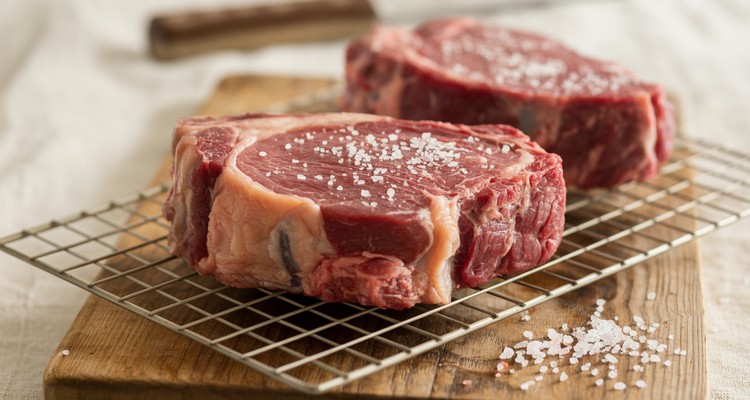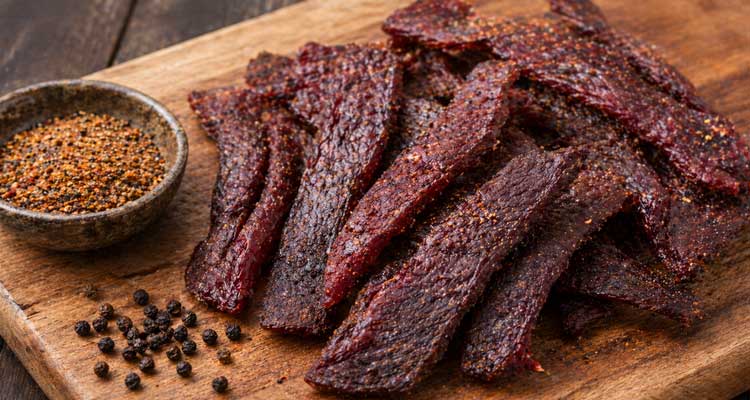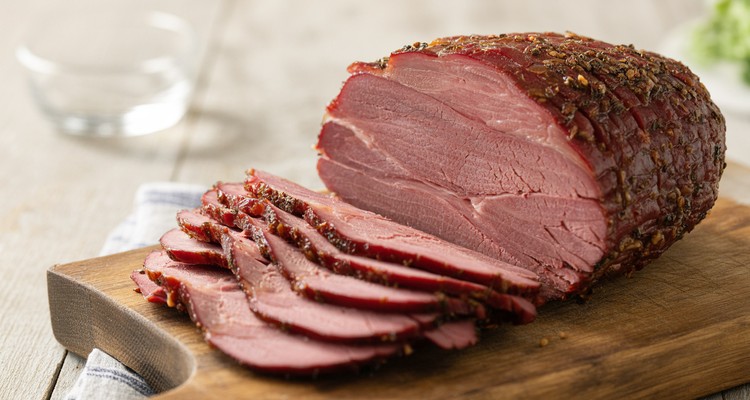
A smoked corned beef rub is a coarse blend of spices — primarily black pepper and coriander — designed to create a flavorful crust on a brined brisket during smoking. This pastrami-style rub transforms a standard corned beef by adding a savory, peppery bark that complements the smoke, elevating it far beyond a typical boiled dinner.
Store-bought corned beef is already brined and cured, so the rub’s job is to build flavor on top of that salty foundation. Skipping the included spice packet and mixing your own coarse rub makes the difference between a good result and a genuinely remarkable one.
This guide covers the rub recipe, application method, and the full smoking process from soak to slice.
Quick Summary
- Key Takeaway: Pastrami-Style Rub – Elevate store-bought corned beef into a delicious pastrami-style brisket using a coarse rub of black pepper and coriander, creating a savory, peppery bark that enhances the smoke flavor.
- Essential Prep: Desalt the corned beef by soaking it in water for 4-24 hours, changing the water every 4-6 hours, to prevent an overly salty final product.
- Key Takeaway: Low-and-Slow Smoke – Smoke at 250-275°F until the internal temperature reaches 200-205°F and the meat is probe-tender, wrapping midway through to push past the stall.
- Rest and Slice: Rest the brisket for at least one hour after smoking to reabsorb juices, then slice against the grain for maximum tenderness and juiciness.
What Makes a Great Rub for Smoked Corned Beef?
A great smoked corned beef rub builds on the existing brine flavors with bold, coarse spices that create a flavorful crust, or bark. It typically features black pepper and coriander, similar to a pastrami rub, to complement the smoke and savory beef, turning the brined meat into something truly special.
The Difference Between Corned Beef and Pastrami
Corned beef is a cut of beef, typically brisket, that has been cured in a salt brine with pickling spices. While other cuts like a beef round can be corned, brisket is the traditional choice for making pastrami. Traditionally, corned beef is boiled or slow-cooked in liquid.
Pastrami starts as corned beef. After brining, the brisket for smoking is coated in a coarse spice rub dominated by black pepper and coriander, then smoked until a dark bark forms. What you are making with this recipe is, in effect, homemade pastrami from a store-bought corned beef flat.
The packet included with most packaged corned beef is a pickling spice blend. It contains whole spices like bay leaves and mustard seeds — flavors designed for boiling, not for creating a dry crust on a smoker.
Why Ditch the Included Spice Packet?
Those whole spices will not adhere properly to the surface and will not form a bark during smoking. A custom, coarse-ground rub with the right particle size is what creates the thick, textured pastrami-style crust. Save the packet for a pot of soup or braised cabbage — it has no place on the smoker.
 Quick Facts: A great smoked corned beef rub uses coarse black pepper and coriander to form a flavorful bark, transforming brined beef into a pastrami-style delicacy.
Helpful gear for this cook:
- ThermoMaven wireless meat thermometer — tracks long cooks without opening the smoker
- Traeger Signature Blend pellets — adds a balanced smoke profile for backyard cooks
- Western BBQ smoking wood chips variety pack — adds wood-smoke flavor on charcoal or gas grills
Essential Equipment for Smoking Corned Beef
While you don’t need specialized gear, a few items are essential for a great result. This includes a reliable smoker, a large container for soaking the brisket, and an accurate instant-read thermometer to monitor the internal temperature.
The Smoker and Wood
- Smoker: Any type will work, including a wood pellet grill, offset smoker, kettle grill set up for indirect heat, or an electric smoker.
- Smoking Wood: Oak, hickory, or cherry chunks or pellets provide a classic smoke flavor that pairs well with beef.
Key Accessories
- Large Container: A pot or food-safe bucket is needed for soaking the brisket to remove excess salt.
- Instant-Read Meat Thermometer: This is crucial for accurately monitoring the internal temperature.
- Brisket wrapping material: Butcher paper or heavy-duty aluminum foil is used to wrap the brisket mid-cook.
- Cutting Board and Knife: A large board and a sharp slicing knife are essential for serving.
- Spice Grinder: Optional, but a grinder or mortar and pestle is great for grinding whole coriander seeds.
The Smoked Corned Beef and Pastrami Rub Recipe
This classic pastrami-style rub, favored by pitmasters and delis, combines coarse-ground black pepper and coriander seed as its primary components. Balanced with garlic, onion, and paprika, this simple mix creates the iconic crust essential for authentic smoked corned beef.
Rub Ingredients
- 3 tablespoons coarsely ground black pepper
- 2 tablespoons coarsely ground coriander seed
- 1 tablespoon granulated garlic
- 1 tablespoon onion powder
- 1 teaspoon smoked paprika
- 1 teaspoon brown sugar (optional, for caramelization and color)
Mixing Instructions
Mix all ingredients together in a small bowl. Grind the coriander coarsely — a mortar and pestle or a quick pulse in a spice grinder works well. You want visible, irregular pieces rather than a fine powder.
This coarse texture is what builds the classic pastrami bark during the low-and-slow smoke.
| Ingredient | Amount | Notes |
|---|---|---|
| Coarsely ground black pepper | 3 tablespoons | Primary component; coarse grind, not fine |
| Coarsely ground coriander seed | 2 tablespoons | Second primary; crush whole seeds for freshest flavor |
| Granulated garlic | 1 tablespoon | Use granulated, not garlic salt |
| Onion powder | 1 tablespoon | Adds depth without added moisture |
| Smoked paprika | 1 teaspoon | Adds color and a mild smoky note |
| Brown sugar (optional) | 1 teaspoon | Promotes caramelization; omit for a strictly savory bark |
How to Smoke Corned Beef: Step-by-Step Guide
To smoke corned beef, first soak the brisket in water for several hours to reduce its saltiness. Pat it dry, apply a generous layer of a pastrami-style rub, and smoke at 250-275°F. Cook until it reaches an internal temperature of around 203°F, wrapping it midway through to push past the stall.
Step 1: Soak the Corned Beef
Store-bought corned beef is packed in a concentrated salt brine. Skipping the soak will result in an overly salty final product, so this step is crucial.
Remove the brisket from its packaging, rinse it, and submerge it in a large container of cold water. Soak for at least 4 hours (or up to 24 for a milder salt level), changing the water every 4-6 hours.
 Pitmaster Tip: A longer soak (12-24 hours) is recommended if you plan to eat the smoked corned beef on its own as a main course. A shorter soak (4-6 hours) works if you are making pastrami-style sandwiches where mustard, bread, and cheese will balance the salt level.
Step 2: Apply the Rub
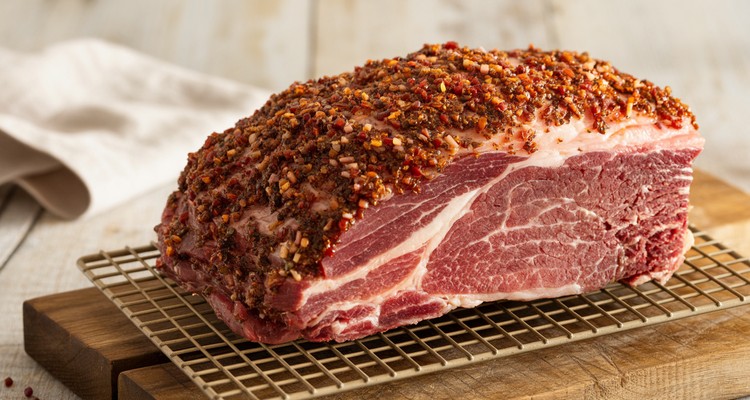
After soaking, pat the brisket completely dry with paper towels. A dry surface is crucial for forming bark, as moisture creates steam. Let it air-dry for 10-15 minutes if the surface still feels damp.
Optional: apply a thin, even coat of yellow mustard across all surfaces as a binder. The mustard flavor cooks off almost completely and gives the rub something to grip. Generously coat all sides of the brisket with the prepared spice rub, pressing it in firmly so it adheres.
Step 3: Smoke the Brisket
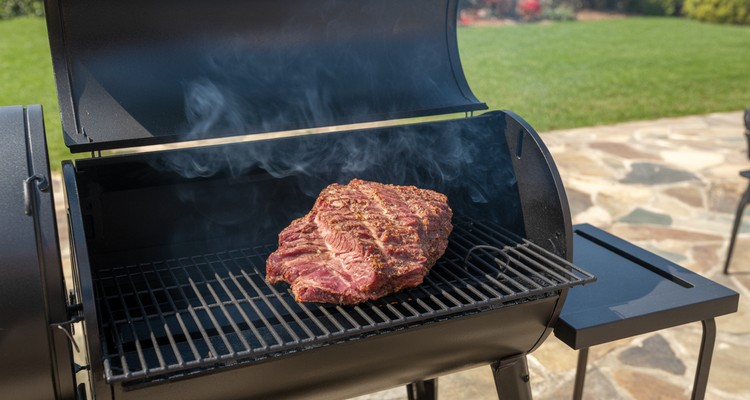
Preheat your smoker to 250-275°F. Wood choice matters — oak, hickory, and cherry all work well with beef. If you are using a Traeger or other wood pellet grill, a competition blend or pure oak pellets are solid choices.
Place the seasoned brisket directly on the smoker grates, fat side up. While the USDA considers beef safe to eat at 145°F[USDA], brisket requires a much higher final temperature to become tender.
Smoke uncovered for 3-4 hours, or until a solid dark bark has formed. Around 150-165°F internal temperature, the brisket will likely hit “the stall.” This is a normal plateau where evaporation slows the cooking process.
When the stall hits, wrap the brisket tightly in butcher paper or heavy-duty aluminum foil and return it to the smoker. Continue cooking until the internal temperature reaches 200-205°F and the meat is probe-tender.
Step 4: Rest and Slice
Resting is not optional. Pull the brisket from the smoker and let it rest, still wrapped, for at least one hour. This allows the muscle fibers to relax and reabsorb juices, preventing a dry result.
When ready, slice the brisket against the grain for maximum tenderness. Thin slices are ideal for sandwiches, while thicker slices (about 1/4 inch) work well for a plated main course.
Pro Tip: Use the “cooler rest” method for long holds. Place the wrapped brisket inside an empty cooler lined with a folded towel. It will stay at a safe serving temperature[USDA] for up to 3 hours without losing quality.Common Mistakes to Avoid
Avoiding a few common pitfalls is key to a memorable result. The biggest mistakes are skipping the desalting soak, using a finely ground rub, slicing with the grain, and cutting into the brisket before it has rested properly.
Mistake 1: Skipping the Soak
The most frequent error is skipping the desalting soak. This results in an overly salty final product that overpowers the rub and smoke flavors. Do not skip this step.
Mistake 2: Using a Fine Rub
A fine powder rub will not create the classic, textured pastrami-style bark. You must use a coarse grind for both the black pepper and coriander to build the proper crust.
Mistake 3: Cooking to Temperature Only
While 203°F is the target, the real test is when a thermometer probe slides into the meat with little to no resistance. This is called being “probe-tender.” Some briskets are ready at 200°F, others at 205°F.
Mistake 4: Not Resting the Meat
Slicing into the brisket immediately after it comes off the smoker is a recipe for dry meat. Skipping the rest period causes significant moisture loss. An hour-long rest is the minimum.
Mistake 5: Slicing With the Grain
This results in tough, stringy slices regardless of how well the brisket was cooked. Always identify the direction of the muscle grain and slice directly against it for maximum tenderness.
Quick Facts: Avoid common mistakes like skipping the desalting soak, using fine rubs, cooking only by temperature, not resting, and slicing with the grain to ensure a perfect smoked corned beef.Serving and Storing Your Smoked Corned Beef
Proper serving and storage protect both texture and food safety. Slice the brisket against the grain, serve it hot or chilled for sandwiches, and refrigerate leftovers promptly in an airtight container so the beef stays moist and safe.
Serving Suggestions
The classic presentation is thin-sliced on rye bread with Swiss cheese and mustard, in the style of a pastrami or Reuben sandwich. Smoked corned beef is also excellent as a plated main course alongside roasted potatoes and braised cabbage, or chopped for use in a hash.
How to Store and Reheat Leftovers
Store leftover smoked corned beef in an airtight container in the refrigerator for up to 4 days.
To reheat leftovers effectively, wrap slices in foil with a splash of beef broth and warm in a 300°F oven. Ensure leftovers reach an internal temperature of 165°F for safe consumption.[USDA]
Take Home Message
Transforming store-bought corned beef into smoked, pastrami-style brisket comes down to a proper soak, a coarse pepper-coriander rub, and patient low-and-slow cooking.
The corned beef comes pre-brined, so the smoke, bark, and tender finish are what make the recipe stand out.
Frequently Asked Questions
How long does it take to smoke a corned beef brisket?
Expect a total cook time of 6-8 hours for a typical 3-5 pound corned beef brisket at 250-275°F. This includes the initial bark-building phase and the wrapped finishing phase. Always cook to the target internal temperature and probe-tenderness rather than by the clock alone.
Can I make this on a Traeger or other wood pellet grill?
Yes — this recipe is well-suited for a Traeger or any wood pellet grill. Pellet grills maintain the steady 250-275°F temperature that this cook requires without constant adjustments. Use pellets made from oak, hickory, or a competition blend for a classic smoke flavor that complements the beef and the rub.
Can I use the spice packet that came with my corned beef for smoking?
The included packet is formulated for boiling and braising, with whole spices that will not adhere to the brisket or form a bark. Use the packet for a pot of braised cabbage or soup instead, and make a fresh coarse rub for the smoker.
What is in the seasoning for corned beef?
The traditional corned beef pickling spice packet contains whole spices like peppercorns, mustard seeds, coriander seeds, bay leaves, and allspice. For a smoked corned beef or pastrami-style rub, the seasoning shifts to coarse-ground black pepper and coriander — designed to form a flavorful bark rather than flavor a braising liquid.
What internal temperature should smoked corned beef reach?
Target an internal temperature of 200-205°F and probe-tenderness. At this temperature, the tough collagen in the brisket has broken down into gelatin, producing juicy and tender slices. Always use an instant-read thermometer and probe the thickest part of the flat.
What is the difference between corned beef and pastrami?
Corned beef is brisket cured in a salt brine. Pastrami starts as corned beef, but is then coated in a coarse spice rub (like this recipe’s) and smoked. This process turns a corned beef brisket into pastrami.
Why do you soak corned beef before smoking?
Store-bought corned beef is packed in a high-sodium brine. Soaking it in fresh water for several hours draws out excess salt. Without this step, the finished smoked corned beef will taste overwhelmingly salty.
Smoked Corned Beef Rub (Pastrami-Style)
Equipment
- Smoker Wood pellet grill, offset, kettle, or electric
- Smoking wood Oak, hickory, or cherry chunks or pellets
- Large container or pot For soaking the brisket
- Instant-read meat thermometer Essential for checking doneness
- Butcher paper or heavy-duty aluminum foil For wrapping the brisket
- Large cutting board and sharp slicing knife For serving
- Spice grinder or mortar and pestle Optional, for grinding whole coriander
Ingredients
For the Smoked Corned Beef
- 1 (3-5 pound) corned beef brisket flat
- 2 tablespoons yellow mustard Optional, as a binder
For the Pastrami Rub
- 3 tablespoons coarsely ground black pepper
- 2 tablespoons coarsely ground coriander seed
- 1 tablespoon granulated garlic
- 1 tablespoon onion powder
- 1 teaspoon smoked paprika
- 1 teaspoon brown sugar Optional, for caramelization
Instructions
- Remove the corned beef brisket from its packaging, rinse thoroughly under cold water, and submerge it in a large container of fresh water. Soak for at least 4 hours and up to 24 hours, changing the water every 4-6 hours to reduce saltiness.
- In a small bowl, mix together the coarsely ground black pepper, coarsely ground coriander seed, granulated garlic, onion powder, smoked paprika, and optional brown sugar to create the rub.
- After soaking, remove the brisket from the water and pat it completely dry with paper towels. For better rub adhesion, you can apply a thin, even coat of yellow mustard across all surfaces as a binder.
- Generously coat all sides of the brisket with the prepared spice rub, pressing it in firmly so it adheres.
- Preheat your smoker to 250-275°F using oak, hickory, or cherry wood for smoke.
- Place the seasoned brisket directly on the smoker grates, fat side up. Smoke uncovered for 3-4 hours, or until a dark, solid bark has formed and the internal temperature reaches 150-165°F.
- Wrap the brisket tightly in butcher paper or heavy-duty aluminum foil. Return it to the smoker.
- Continue cooking until the internal temperature reaches approximately 203°F and a thermometer probe slides into the thickest part of the flat with little to no resistance.
- Remove the brisket from the smoker and let it rest, still wrapped, for at least 1 hour before slicing thinly against the grain to serve.
Notes