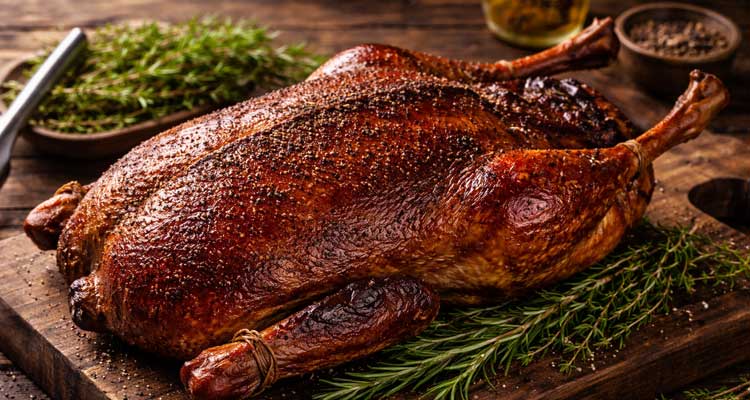
A whole goose emerges from the smoker with skin the color of polished mahogany, fat rendered to a crackle, and meat so rich it makes turkey feel like cardboard. Smoking a goose is one of the most rewarding cooks in outdoor barbecue, but the approach changes dramatically depending on whether you’re working with a plump domestic bird or lean wild breasts from the field. This recipe covers both paths so you get perfect results every time.
Helpful gear for this cook:
- OXO Good Grips poultry shears — make trimming and spatchcocking poultry easier
- ThermoMaven instant-read meat thermometer — checks doneness quickly at the grill
- Hotec stainless steel kitchen tongs — make turning and moving food easier
Helpful gear for this cook:
- TempPro TP20 500FT Wireless Meat Thermometer with Dual Meat — helps verify doneness without guessing
- MEATER Plus: Smart Bluetooth Wireless Meat Thermometer Digital — helps verify doneness without guessing
- grilljoy 24PCS BBQ Grill Tools Set with Meat Thermometer — helps verify doneness without guessing
Wild Goose vs. Domestic Goose: Why It Matters for Smoking
Not all geese are created equal, and treating them the same on the smoker is the fastest way to ruin a cook. Understanding what you’re working with is the first step to smoked goose success. Domestic goose (the kind you buy from a butcher) carries a thick layer of subcutaneous fat beneath the skin.
That fat is a gift: it self-bastes the meat during a long smoke, keeps the breast moist, and renders down to produce the most incredible cooking fat you’ll ever use. The flavor is milder and the texture is forgiving. Wild goose (Canada goose, snow goose, or other migratory species) is a completely different animal.
These birds fly thousands of miles and build dense, dark muscle with almost no fat. The flavor is intense and gamey. Without careful brining and temperature control, wild goose dries out fast and turns livery. Here’s how the approach splits:
- Domestic goose – Smoke the whole bird at 250°F. Score the skin to render fat. Brine is optional but helpful.
- Wild goose breasts – Smoke low at 170-180°F. Pull at 130-135°F. Brine is essential to fight gaminess and dryness.
- Wild goose legs/thighs – Too tough for smoking alone. Better for goose jerky or braising.
Choosing the Right Wood for Smoked Goose
Wood choice matters more with goose than with chicken or turkey. The dark, rich meat pairs best with fruit woods that complement rather than overwhelm the natural flavor.
| Wood Type | Flavor Profile | Best For |
|---|---|---|
| Cherry | Mild, sweet, fruity | Wild goose breasts, whole domestic goose |
| Apple | Light, slightly sweet | Whole domestic goose, delicate preparations |
| Hickory | Bold, bacon-like, savory | Domestic goose when you want a stronger smoke ring |
| Maple | Subtle, sweet, clean | Wild goose breasts with a maple-based glaze |
Avoid mesquite for goose. Its aggressive, earthy smoke overwhelms the meat and makes wild goose taste even gamier. Stick with fruit woods or a cherry-hickory blend for the best balance.
How to Brine Your Goose Before Smoking
Brining is strongly recommended for wild goose and optional (but beneficial) for domestic. The salt pulls moisture into the meat, seasons it deep, and tames any gaminess. Wet Brine (whole bird or breasts):
- 1 gallon cold water
- 1/2 cup kosher salt
- 1/4 cup brown sugar
- 2 tablespoons black peppercorns
- 4 bay leaves
- 4 cloves garlic, crushed
Submerge the goose completely and refrigerate. Wild goose needs 24-48 hours. Domestic goose does well with 12-24 hours. Rinse thoroughly after brining and pat dry with paper towels. Dry brine alternative (breasts only): Mix 2 tablespoons kosher salt with 1 tablespoon brown sugar. Coat the breasts, place on a wire rack over a sheet pan, and refrigerate uncovered for 12-24 hours. The skin dries out and crisps better with this method. After brining, let the goose sit at room temperature for 1-2 hours before it goes on the smoker. This takes the chill off and helps with even cooking.
Smoking a Whole Domestic Goose: Step by Step
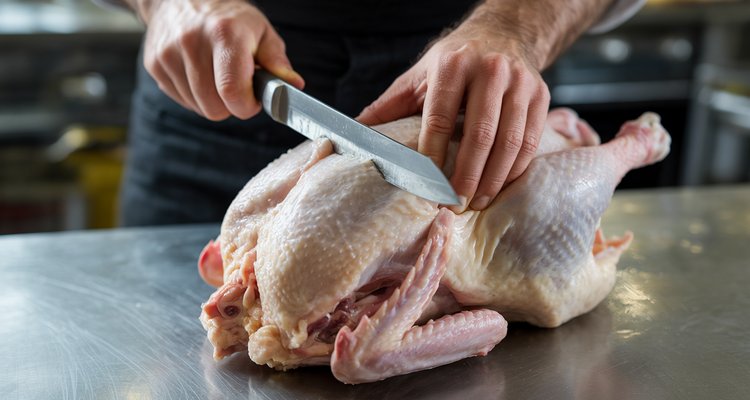
A whole domestic goose on the smoker is a showstopper. The key is managing all that fat so it renders properly without causing flare-ups. Prep the bird:
- Remove excess cavity fat with a sharp knife. Save it for rendering later.
- Score the skin in a crosshatch pattern, cutting through the fat but not into the meat. This lets the fat escape during the cook.
- Prick the skin all over with a skewer for additional fat release.
- Apply a simple rub: equal parts kosher salt, black pepper, garlic powder, and a pinch of paprika.
Set up your smoker:
- Preheat to 250°F with indirect heat
- Place a large aluminum drip pan directly below the grate where the goose will sit (this is non-negotiable – goose fat will pour off)
- Add cherry or apple wood chunks
- Fill a water pan for humidity control
The cook:
- Place the goose breast-side up on the grate.
- Close the lid and maintain 250°F.
- Drain the drip pan every 60-90 minutes. Expect to collect 2-3 cups of rendered fat from a single bird.
- After 3 hours, check the internal temperature in the thickest part of the thigh.
- The goose is done when the thigh reaches 165°F and the breast reads 160°F.
- Total cook time: 4-6 hours depending on the size of the bird (plan roughly 20 minutes per pound).
Rest the goose for 20-30 minutes before carving. Carve the breast by slicing lengthwise, similar to how you’d slice a smoked duck breast.
Smoking Wild Goose Breasts: The Hunter’s Method
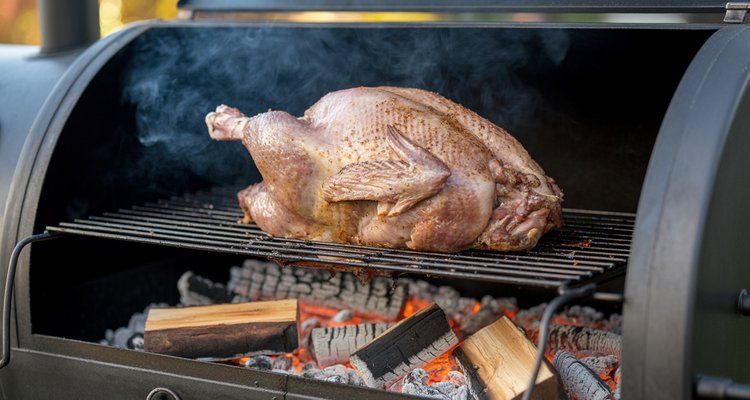
If you’ve harvested wild geese, the breast meat is the prize. Smoking wild goose breasts low and slow produces tender, deeply flavored meat that rivals the best charcuterie. Skin-on vs. skinless: If you plucked the bird, keep the skin on. It protects the lean meat and can be crisped in a hot skillet after smoking. If you field-dressed with skinless breasts, wrap them in bacon or bard with thin slices of fatback to prevent drying. The low-and-slow method:
- Brine the breasts for 24-48 hours (see brine recipe above).
- Pat dry and apply a light coating of olive oil.
- Season with salt, pepper, and a pinch of juniper berries if you have them.
- Set your smoker to 170-180°F. This ultra-low temperature gives the meat maximum smoke exposure before hitting the target internal temp.
- Smoke for 2-3 hours until the internal temperature reaches 130-135°F.
- Pull immediately. Wild goose is best at medium-rare to medium. Going past 140°F turns it dry and livery.
Let the breasts rest for 10-15 minutes, then slice thin against the grain. Serve on crackers with a sharp mustard, or slice for sandwiches. For the tougher leg and thigh meat, consider slicing thin and making smoked goose jerky with a soy-based marinade and a 6-8 hour smoke at 160-175°F.
Quick Reference: Smoked Goose Times and Temperatures
| Cut | Smoker Temp | Cook Time | Target Internal Temp | Notes |
|---|---|---|---|---|
| Whole domestic goose | 250°F | 4-6 hours | 165°F (thigh) | Drain drip pan every 60-90 min |
| Wild goose breasts (skin-on) | 170-180°F | 2-3 hours | 130-135°F | Crisp skin in skillet after |
| Wild goose breasts (skinless) | 170-180°F | 2-3 hours | 130-135°F | Wrap in bacon or bard with fatback |
| Goose jerky (any cut) | 160-175°F | 6-8 hours | N/A (dehydrated) | Slice thin, use soy-based marinade |
Storing and Using Leftover Smoked Goose
Smoked goose keeps well in the refrigerator for 3-4 days in an airtight container. For longer storage, vacuum seal portions and freeze for up to 3 months. Reheat slices gently in a covered pan with a splash of chicken broth to keep the meat moist. Leftover smoked goose makes outstanding sandwiches on crusty bread with whole-grain mustard. You can also shred it into a rich wild rice soup or hash it with potatoes fried in the rendered goose fat.
Frequently Asked Questions
Is goose safe at 165°F even if still pink?
Yes. The USDA recommends 165°F as the safe internal temperature for all poultry, including goose. Goose meat is naturally dark and can appear pink even when fully cooked to temperature. Always verify with an instant-read thermometer inserted into the thickest part of the thigh or breast. Color alone is not a reliable indicator of doneness with dark-meat birds like goose.
Should I smoke a whole goose or breasts only?
It depends on the bird. A domestic goose from a butcher or farm has enough fat to smoke whole successfully at 250°F. The fat layer self-bastes the meat and keeps everything moist. Wild goose is a different story.
Wild breasts are lean and benefit from a low-and-slow smoke at 170-180°F, while the legs and thighs are too tough for smoking and are better suited for braising or making jerky.
What wood is best for smoked goose?
Cherry and apple are the top choices. Both fruit woods add mild sweetness that complements the rich, dark goose meat without overwhelming it. Hickory works well for domestic goose if you want a bolder smoke profile. Avoid mesquite, which is too aggressive for poultry and amplifies gaminess in wild goose.
Do I need to brine goose before smoking?
Brining is strongly recommended for wild goose. The salt penetrates the lean meat, adds moisture, and tames gaminess. A 24-48 hour wet brine transforms wild goose from tough and livery to tender and clean-tasting. For domestic goose, brining is optional since the fat keeps the meat moist, but a 12-24 hour soak still improves seasoning and flavor depth.
How long does smoked goose last in the fridge?
Smoked goose stays good in the refrigerator for 3-4 days when stored in an airtight container. For longer preservation, vacuum seal individual portions and freeze for up to 3 months. Reheat gently with a splash of broth to prevent the meat from drying out.
Smoked Goose
Equipment
- Smoker offset, pellet grill, or kamado
- Instant-read meat thermometer essential for safe poultry temps
- Large aluminum drip pan mandatory for catching rendered fat
- Sharp knife for scoring skin
- Large container or brining bag for wet brining
Ingredients
The Goose
- 1 whole domestic goose 10-12 pounds, thawed
Brine
- 1 gallon cold water
- 1/2 cup kosher salt
- 1/4 cup brown sugar packed
- 2 tablespoons black peppercorns whole
- 4 bay leaves
- 4 cloves garlic crushed
Dry Rub
- 2 tablespoons kosher salt skip if brined
- 2 tablespoons black pepper freshly ground
- 1 tablespoon garlic powder
- 1 teaspoon paprika
Instructions
- Combine water, kosher salt, brown sugar, peppercorns, bay leaves, and garlic in a large container. Stir until salt and sugar dissolve. Submerge the goose completely and refrigerate for 12-24 hours.
- Remove the goose from the brine, rinse thoroughly under cold water, and pat dry with paper towels. Let sit at room temperature for 1-2 hours.
- Remove excess cavity fat with a sharp knife. Score the skin in a crosshatch pattern, cutting through the fat layer but not into the meat. Prick the skin all over with a skewer.
- Mix the dry rub ingredients and apply evenly over the entire surface of the goose, including inside the cavity.
- Preheat your smoker to 250°F using indirect heat. Place a large aluminum drip pan directly below where the goose will sit. Add cherry or apple wood chunks.
- Place the goose breast-side up on the grate above the drip pan. Close the lid and maintain 250°F.
- Drain the drip pan every 60-90 minutes as fat renders. Save the rendered fat for cooking. Expect 2-3 cups from a whole goose.
- After 3 hours, begin checking the internal temperature. Insert your thermometer into the thickest part of the thigh without touching bone.
- Remove the goose when the thigh reaches 165°F and the breast reads 160°F. Total cook time is typically 4-6 hours depending on size.
- Rest the goose loosely tented with foil for 20-30 minutes before carving. Slice the breast lengthwise into thin portions.
Notes