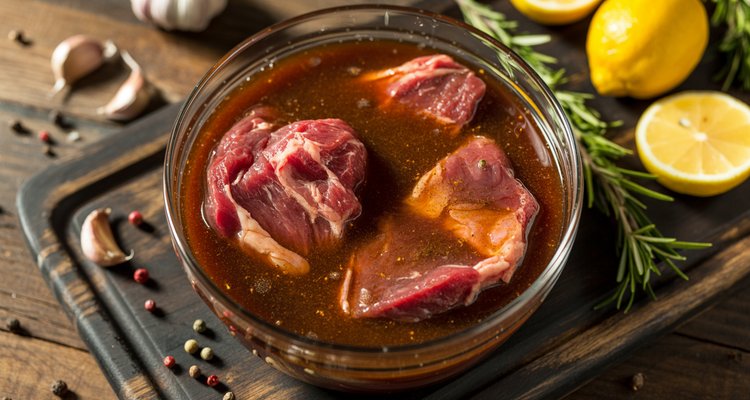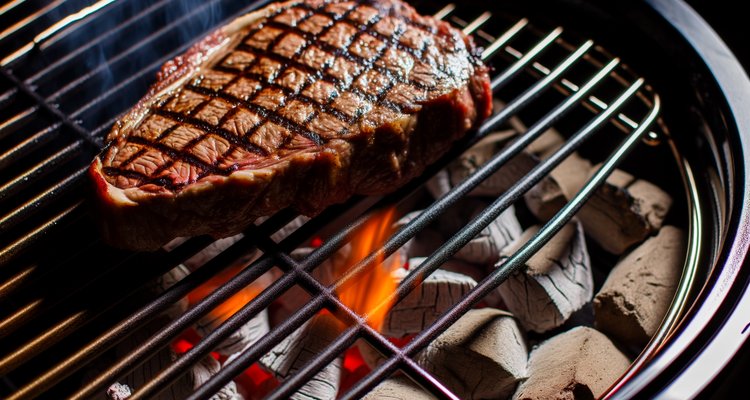
You pulled a ribeye out of the fridge, fired up the grill, and twenty minutes later had a grey, chewy slab of disappointment. It happens to almost everyone before they learn the actual technique. The perfect steak isn’t complicated to achieve, but it does require doing a few specific things in the right order. This guide covers everything from two-zone fire setup to the right pull temperature – so your next steak comes off the grill exactly how you want it.
Choosing the Right Steak Cut for the Grill
The cut you choose determines how forgiving the cook will be. Fat-marbled cuts handle high heat far better than lean ones.
Best Cuts for Grilling
- Ribeye – The top choice for most grillers. Intramuscular fat melts as it cooks, basting the steak from the inside. Tolerates a range of doneness levels without drying out.
- New York Strip – Great balance of tenderness and beefiness with a fat cap on one edge. Less prone to flare-ups than ribeye.
- T-Bone / Porterhouse – Two cuts in one (strip + tenderloin). The bone adds flavor. The challenge: the two sides cook at different rates.
- Sirloin – Leaner and more affordable. Best cooked to medium-rare to preserve tenderness.
- Flank / Skirt – Thinner, faster-cooking cuts best suited for high-heat direct grilling. Always slice against the grain.
| Cut | Marbling | Ideal Thickness | Best Doneness | Grill Difficulty |
|---|---|---|---|---|
| Ribeye | High | 1-1.5 inches | Medium-rare to medium | Easy |
| NY Strip | Medium | 1-1.25 inches | Medium-rare | Easy |
| T-Bone | Medium | 1-1.5 inches | Medium-rare | Moderate |
| Sirloin | Low-Medium | 1 inch | Medium-rare | Easy |
| Flank/Skirt | Low | Under 1 inch | Medium-rare to medium | Moderate |
Thickness Matters – Why 1 to 1.5 Inches Is the Sweet Spot
Steaks under three-quarters of an inch cook through before a proper crust can form. You end up with a well-done interior and a barely-seared exterior. A 1-inch minimum gives you enough time to develop a real crust over direct heat and still control the internal temperature on the indirect zone. For steaks over 1.5 inches, the reverse sear method (covered below) becomes the better approach.
 Helpful Gear:
- AMMZO digital meat thermometer — checks doneness without guessing
- Hotec stainless kitchen tongs — turns food cleanly without piercing it
- Stargazer cast iron skillet — builds a hard sear indoors, on a grill, or on a side burner
How to Set Up Your Grill for Steak
The single biggest mistake beginners make is treating the grill like an oven – one uniform heat level from edge to edge. A two-zone setup changes everything. You get one hot zone for searing and one cool zone for controlled cooking to your target temperature.
Setting Up a Two-Zone Fire on a Gas Grill
- Open the lid and preheat the grill on high for 10-15 minutes with all burners on.
- Turn the burners on one side to high. Leave the burners on the opposite side completely off.
- Close the lid and let the hot zone reach 450-500°F. Use a grill thermometer or the built-in gauge.
- Oil the grates on the hot side just before placing your steak – fold a paper towel, dip in oil, and wipe using tongs.
- The hot side is your sear zone. The off-burner side is your indirect zone for finishing.
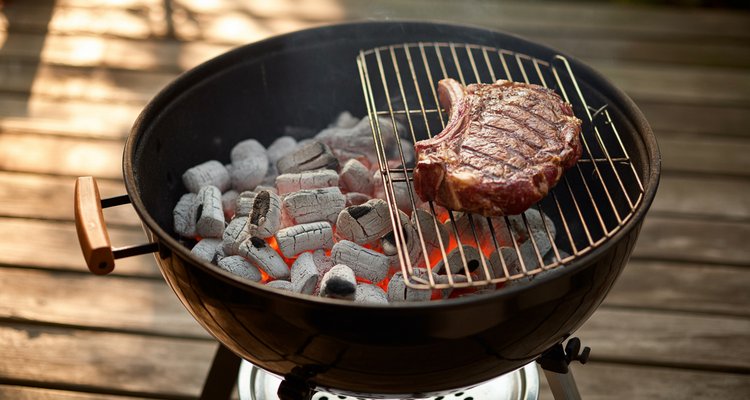
Setting Up a Two-Zone Fire on a Charcoal Grill
- Light a full chimney starter (about 100 briquettes or equivalent lump charcoal).
- Wait until the coals are covered in grey ash – typically 15-20 minutes.
- Pour all the coals onto one side of the charcoal grate, leaving the opposite side completely empty.
- Set the cooking grate in place and close the lid for 5 minutes to heat the grates.
- The coal side is your direct/sear zone. The empty side is your indirect/finishing zone.
Why Two Zones? Direct vs Indirect Heat Explained
Direct heat – grate positioned directly over the flame or coals – delivers intense radiant heat that creates the Maillard reaction: the browning and crust development that defines a great grilled steak. But direct heat alone will burn the outside before the center reaches the right temperature on a thick cut. Indirect heat – positioned away from the flame – works like a convection oven. The steak cooks from ambient heat and circulating hot air, with no risk of burning. Searing over direct heat first, then moving to indirect to finish, gives you the best of both: an exterior crust and a properly cooked interior.
Preparing Your Steak Before It Hits the Grill
Bringing Steak to Room Temperature
Pull your steak from the refrigerator 30-45 minutes before grilling. A cold steak fresh from the fridge will cook unevenly – the exterior reaches searing temperature while the center stays cold, producing a larger grey overcooked band around the edges. Room-temperature steak cooks more evenly from edge to center.
How to Season Steak for Grilling
The simplest and most reliable seasoning is also the best: generous kosher salt and freshly cracked black pepper on all surfaces, applied 30-45 minutes before cooking. The salt draws out surface moisture, then reabsorbs into the meat with dissolved flavor compounds – this is the technique used at virtually every steakhouse that serves a perfect steak. For added complexity, you can use a light dusting of garlic powder, smoked paprika, or a pre-made steak rub. Keep it simple on your first attempts – a great sear with proper salt is better than a complicated rub with poor technique. Should you use butter before grilling? Butter has a low smoke point (~350°F) and will burn at the high direct-heat temperatures used for searing. Save butter for after the steak comes off the grill – a pat of compound butter melted on a resting steak adds richness without bitterness.
Pat It Dry – The Crust Secret
Before applying oil or seasoning, pat the surface of your steak completely dry with paper towels. Surface moisture steams rather than sears. Dry surfaces brown; wet surfaces grey. This one step makes a noticeable difference in crust quality.
How to Grill Steak – Step-by-Step
- Preheat grill and oil the grates. Get the hot zone to 450-500°F. Oil grates on the hot side with a paper towel and tongs.
- Place steak on the hot zone. Lay the steak at a 45° angle to the grates for diamond crosshatch marks. Don’t move it.
- Sear 2-3 minutes. When a hard sear forms and the steak releases cleanly from the grates, rotate 45° (don’t flip yet). Cook another 2 minutes for the crosshatch.
- Flip once. Use tongs – never a fork. Repeat the sear process on the second side.
- Move to indirect zone. Transfer the steak to the cool side. Close the lid.
- Monitor internal temperature. Insert an instant-read thermometer into the thickest part of the steak, away from bone or fat pockets.
- Pull at pull temperature. Remove the steak 5°F below your target doneness – carryover cooking will bring it the rest of the way during resting.
- Rest the steak on a cutting board for 5-10 minutes before slicing.
How Long to Grill Steak
These are approximate times per side over direct heat at 450-500°F, then finished on indirect heat:
| Thickness | Rare | Medium-Rare | Medium | Medium-Well | Well Done |
|---|---|---|---|---|---|
| 3/4 inch | 2 min/side | 2-3 min/side | 3-4 min/side | 4-5 min/side | 5-6 min/side |
| 1 inch | 3 min/side | 3-4 min/side | 4-5 min/side | 5-6 min/side | 6-8 min/side |
| 1.25 inches | 4 min/side | 4-5 min/side | 5-6 min/side | 6-7 min/side | 8-10 min/side |
| 1.5 inches | 4-5 min/side | 5-6 min/side | 6-8 min/side | 8-9 min/side | 10-12 min/side |
Note: Times are approximate and depend on grill temperature and steak starting temperature. Always verify with an instant-read meat thermometer – it’s the single most important tool for a perfect steak.
The 3-3-3 Rule – What It Means and When to Use It
The 3-3-3 rule means: 3 minutes direct heat on each side, then 3 minutes indirect heat with the lid closed. It’s a practical shortcut for 1-inch steaks targeting medium-rare on a grill running at 450°F+. It’s a useful starting point, but it assumes consistent grill temps and a steak that started at room temperature. The thermometer is always the final authority – not the timer.
Helpful Gear:
- ThermoMaven instant-read meat thermometer — checks steak doneness accurately
- ThermoMaven wireless meat thermometer — fits thicker steaks or reverse-sear cooks
- Lodge cast iron skillet — useful for a hard finishing sear
Steak Doneness Guide – Temperatures and How to Tell
Internal temperature is the only reliable way to know your steak’s doneness. As proteins heat, they denature at predictable temperatures – there’s no guessing involved when you use a meat thermometer. A good instant-read meat thermometer is the difference between a perfect steak and an overcooked one.
Steak Doneness Temperature Chart
| Doneness | Pull Temp (off grill) | Final Temp (after rest) | Interior Color | Texture |
|---|---|---|---|---|
| Rare | 120°F | 125°F | Bright red throughout | Very soft, cool center |
| Medium-Rare | 125°F | 130-135°F | Warm red-pink center | Firm but yielding |
| Medium | 135°F | 140-145°F | Pink throughout | Firmer, still juicy |
| Medium-Well | 145°F | 150-155°F | Slightly pink center | Firm, drier |
| Well Done | 155°F | 160°F+ | Grey/brown throughout | Firm, minimal juice |
For the full breakdown of steak temperatures including USDA guidelines vs chef recommendations, see our complete steak temperature guide.
How to Tell Steak Doneness by Touch (The Finger Test)
The finger test gives a rough estimate of doneness without cutting into your steak. Press the fleshy pad at the base of your thumb with your index finger of the same hand:
- Open palm, relaxed – soft, no resistance = raw
- Thumb + index finger together – slight give = rare
- Thumb + middle finger together – springy = medium-rare
- Thumb + ring finger together – firmer = medium
- Thumb + pinky together – very firm = well done
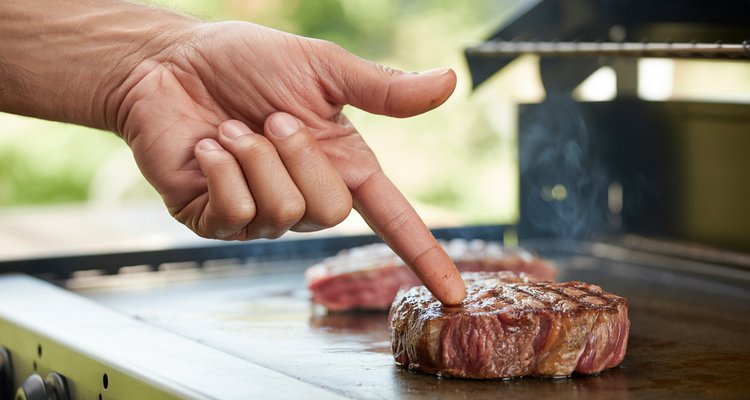
The touch test improves with practice and varies by hand size and steak cut. It’s a useful backup, but a meat thermometer is always the most reliable tool for a perfect steak. The finger test alone won’t get you there consistently.
Carryover Cooking – Why You Must Pull Early
When you pull a steak off the grill, residual heat in the outer layers continues to move inward, raising the internal temperature 5-10°F during the rest period. A steak pulled at 125°F will reach approximately 130-135°F after a proper rest – landing squarely in medium-rare territory. This is why the pull temperatures in the chart above are 5°F lower than the final targets.
The Reverse Sear Method – For Thicker Steaks
The reverse sear flips the traditional sequence: low indirect heat first, then a finishing sear over direct heat. It’s the preferred method for steaks 1.5 inches or thicker.
- Set up your grill for indirect heat only (no direct flame on either side). Target ambient temp of 250-275°F.
- Place the seasoned steak on the indirect side and close the lid.
- Cook slowly until the internal temperature reaches 10-15°F below your target doneness. This may take 20-35 minutes depending on thickness.
- Move the steak directly over high heat. Sear 60-90 seconds per side – the low-and-slow phase has already dried the surface, so the sear develops fast.
- Rest for 5 minutes (carryover cooking is minimal after a brief sear).
The reverse sear eliminates the thick grey overcooked band you get from traditional sear-first methods on thick cuts. The result is edge-to-edge even doneness with a crackling crust.
Resting Your Steak – Don’t Skip This Step
When a steak hits intense heat, moisture migrates toward the cooler center and the muscle fibers contract. Cutting immediately releases those juices onto your cutting board rather than keeping them in the meat. Resting gives the fibers time to relax and reabsorb moisture.
- 1-inch steak: Rest 5 minutes
- 1.25-1.5-inch steak: Rest 8-10 minutes
- Reverse-seared steak: Rest 5 minutes (juices already redistributed during the low-and-slow phase)
Tent the steak loosely with foil – don’t wrap it tight, which traps steam and softens the crust. The tent holds residual heat while the fibers relax.
Common Grilling Mistakes to Avoid
- Cold steak on the grill. Cold centers cook unevenly. Always 30-45 minutes at room temperature first.
- Moving the steak too soon. A steak that sticks is still forming its crust. Wait until it releases cleanly before moving or flipping.
- Using a fork to flip. Every puncture lets juice escape. Use long-handled tongs exclusively.
- Cutting into the steak immediately. Juices flood the board instead of staying in the meat. Always rest first.
- Grilling on low heat. Steaks need high direct heat for crust development. Low heat produces grey, steamed-tasting meat.
- Skipping the thermometer. Timing varies with every cook. Internal temperature is the only reliable measurement of doneness.
- Wet or unseasoned grates. Dirty grates stick; wet grates steam. Clean and oil before every cook.
Frequently Asked Questions
How long should I cook a steak on the grill?
It depends on thickness, target doneness, and grill temperature. For a 1-inch steak at medium-rare (130-135°F final temp), expect roughly 3-4 minutes per side over direct heat at 450°F, plus 2-3 minutes on the indirect zone. Always verify with a thermometer – times vary.
What is the 3-3-3 rule for steaks?
The 3-3-3 rule is a timing shortcut: grill 3 minutes per side over direct high heat, then finish 3 minutes on the indirect side with the lid closed. It works well for 1-inch cuts targeting medium-rare at 450°F. It’s a starting point – not a substitute for a thermometer.
Should I grill steak at 400 or 450?
450-500°F is the sweet spot for direct-heat steak searing. At 400°F you’ll still get a sear, but it takes longer, increasing the risk of overcooking the interior before the crust develops. For a fast, high-quality sear, run your grill hot.
How to grill steak for beginners?
Start with a 1-inch ribeye – the fat makes it forgiving. Season with kosher salt and pepper, bring to room temperature, set up a two-zone grill at 450°F, sear 3 minutes per side over direct heat, finish on the indirect side to 125°F internal, then rest for 5 minutes. Buy an instant-read meat thermometer before anything else – it’s the foundation of every perfect steak.
Is it better to grill steak fast or slow?
For standard cuts under 1.5 inches: high heat and fast. For thick cuts over 1.5 inches: low and slow first (reverse sear), then a finishing blast over high heat. The two-zone method handles the middle ground – fast sear, then controlled indirect finish.
Should I rub butter on my steak before grilling?
No – butter burns at high grilling temperatures. Use a neutral high-smoke-point oil (avocado, grapeseed) to coat the steak or the grates before searing. Add a pat of butter or compound butter after the steak comes off the grill, on the resting board.
Do you close the lid when grilling steak?
Leave the lid open during the initial direct-heat searing phase. Once the steak moves to the indirect zone to finish cooking, close the lid. Closing the lid on the indirect side creates a convection effect that cooks the interior more evenly and efficiently.
Why does my steak stick to the grill?
Usually one of three reasons: dirty grates (food residue creates adhesion), inadequately oiled grates, or the steak hasn’t finished forming its crust yet. The crust will naturally release from the grates when it’s fully developed. If it’s sticking, wait another 30-60 seconds before trying to move it.
How long should I let a steak rest?
A 1-inch steak needs at least 5 minutes. A 1.25-1.5-inch steak benefits from 8-10 minutes. A reverse-seared steak needs only about 5 minutes, since the interior was already at a stable temperature before the final sear. Tent loosely with foil while resting.
What temperature should I preheat my grill to for steak?
The direct-heat zone should reach 450-500°F before placing your steak. Preheat gas grills with all burners on high for 10-15 minutes, then adjust. For charcoal, wait until coals are fully grey-ashed before cooking. A cold grill makes poor sears.
Can I grill frozen steak?
Yes, with modified technique. Place a frozen steak directly over low indirect heat (not direct flame) until the internal temperature reaches about 90-95°F – this tempers the steak without cooking it. Then sear over direct high heat as normal. You’ll get a slightly thicker grey band than a properly thawed steak, but the result is acceptable when thawing isn’t an option.
What is the best steak for beginners to grill?
Ribeye, without question. The high fat content is forgiving – it’s harder to dry out and stays flavorful over a range of internal temperatures. A 1-inch boneless ribeye is the ideal first steak to grill. Once you’ve dialed in the technique, every other cut becomes more manageable. For a detailed reference on all doneness levels, carryover cooking science, and temperature charts for every steak cut, visit our complete steak temperature guide.