A well-crafted dry rub is the foundation of great barbecue. The right blend of salt, sugar, and spices creates the deeply colored, crunchy bark that defines competition-quality pork, chicken, and beef. Learning how to make BBQ rub from scratch gives you full control over flavor, heat intensity, and ingredient quality. Homemade rubs cost a fraction of commercial blends per ounce, eliminate fillers and anti-caking agents, and let you tune the BBQ rub seasoning blend to each specific protein. This guide covers the core ingredients, a proven master formula, targeted recipes for pork, chicken, and beef, and application techniques used by experienced pitmasters.
Helpful products for this guide:
- HOTEC silicone basting brushes — apply sauce, butter, or glaze evenly
- Hotec stainless steel kitchen tongs — make turning and moving food easier
- TempPro TP19H Waterproof Digital Meat Thermometer with Ambidextrous Backlit — helps verify doneness without guessing
Quick Summary
- Foundation Ingredients – A balanced BBQ rub relies on salt, sugar, paprika, and aromatics to create flavor, bark, and color. Adjusting the ratios of these four components allows for customization to different meats and cooking styles.
- Master Formula – The 8-3-1-1 ratio (8 parts sugar, 3 parts salt, 1 part aromatics, 1 part heat/spice) provides a proven starting point for any protein, ensuring a balanced and repeatable homemade rub.
- Meat-Specific Blends – Tailor your rub: sugar-forward for pork, reduced sugar and more herbs for chicken, and a simple salt-and-pepper base for beef to complement each meat’s unique characteristics.
- Application Technique – For perfect bark, sprinkle rub from about 12 inches high for even distribution and use a thin layer of binder like yellow mustard or olive oil to help it adhere, preventing clumps and ensuring a consistent crust.
What Does a Barbecue Rub Consist Of?
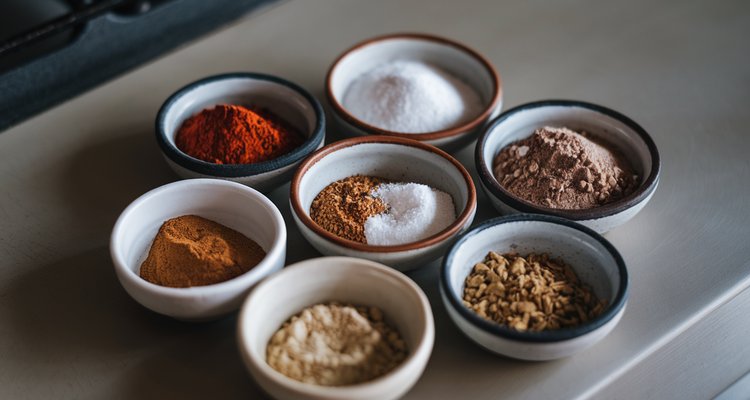
Every balanced BBQ dry rub is built on four components: salt for flavor and moisture extraction, sugar for bark formation and caramelization, paprika for color and base flavor, and aromatics like garlic powder, onion powder, and black pepper for depth and heat. The ratio between these four elements determines the final bark profile.
Salt
Salt is the non-negotiable foundation. It draws moisture to the surface of the meat through osmosis, which then gets reabsorbed along with dissolved seasonings. Kosher salt is preferred for grilling because its coarser crystals distribute evenly and dissolve at a controlled rate over several hours of cooking.
Sugar
Sugar is essential for bark formation. As sugars hit the heat of the grill, they melt and harden into the deeply colored, crunchy crust that defines great barbecue. Dark brown sugar is the most common choice because its molasses content adds subtle richness. Turbinado and raw cane sugar work when you want less intense sweetness.
Color and Base
Paprika – sweet or smoked – is the workhorse ingredient in most rubs. It delivers the signature mahogany barbecue color without overwhelming the meat’s natural flavor. Smoked paprika adds an extra layer of complexity on cuts that spend less time near real wood smoke.
Aromatics and Heat
Garlic powder, onion powder, and black pepper are the standard trio. Cayenne or chili powder dials heat up or down to your preference. Ground mustard and cumin are common additions for depth. This is where personal taste and regional barbecue style show up most.
Helpful products for this guide:
- TempPro TP20 500FT Wireless Meat Thermometer with Dual Meat — helps verify doneness without guessing
- MEATER Plus: Smart Bluetooth Wireless Meat Thermometer Digital — helps verify doneness without guessing
- ThermoMaven wireless meat thermometer — helps verify doneness without guessing
How to Make Homemade Barbecue Rubs: The Master Formula
The key to a great homemade rub is a balanced, repeatable formula. The 8-3-1-1 ratio provides a proven starting point for any protein. This framework uses 8 parts sugar, 3 parts salt, 1 part aromatics, and 1 part heat or spice.
The 8-3-1-1 Ratio
The 8-3-1-1 method provides a repeatable framework for balanced all-purpose rubs: 8 parts sugar, 3 parts salt, 1 part aromatics, and 1 part heat or spice. Using tablespoons as the unit, this yields roughly 13 tablespoons of rub – enough to coat a full rack of ribs or a 6-8 pound pork shoulder generously. In practical terms, start with 8 tablespoons dark brown sugar, 3 tablespoons kosher salt, 1 tablespoon garlic or onion powder, and 1 tablespoon paprika or chili powder. Adjust from there – more cayenne for heat, less sugar for chicken, more pepper for beef.
| Component | Ratio | Measurement (tbsp) | Purpose |
|---|---|---|---|
| Sugar (dark brown) | 8 parts | 8 | Bark formation, caramelization |
| Salt (kosher) | 3 parts | 3 | Flavor extraction, moisture control |
| Aromatics (garlic, onion) | 1 part | 1 | Savory depth, background flavor |
| Heat / Spice (paprika, cayenne) | 1 part | 1 | Color, heat, complexity |
Step-by-Step Mixing Instructions
Follow these four steps every time you make a batch:
- Gather fresh ingredients: Check expiration dates on all spices. Stale ground spices produce a flat-tasting bark regardless of technique.
- Measure accurately: Use level tablespoons for consistent results batch after batch.
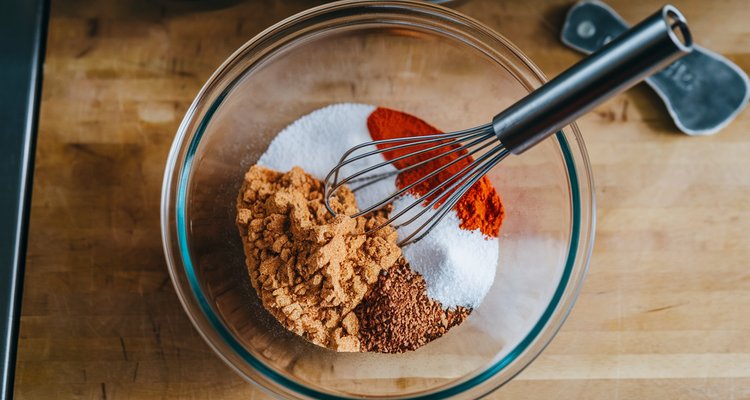
- Whisk thoroughly: Break up all clumps, especially in brown sugar. Whisk for 1-2 minutes to ensure full integration and prevent burnt spots on the meat surface.
- Store properly: Transfer to an airtight mason jar. Keep it away from heat and direct sunlight to preserve the volatile oils in your spices.
Easy Dry Rub Recipes for Every Meat
Optimal results come from tailoring your rub to the specific protein. Pork needs sweet, sugar-forward blends that caramelize during low-and-slow cooking. Chicken requires reduced sugar to prevent burning at higher grilling temperatures. Beef demands a simple, bold salt-and-pepper base that lets the meat flavor and wood smoke come through.
How to Make BBQ Rub for Ribs and Pork
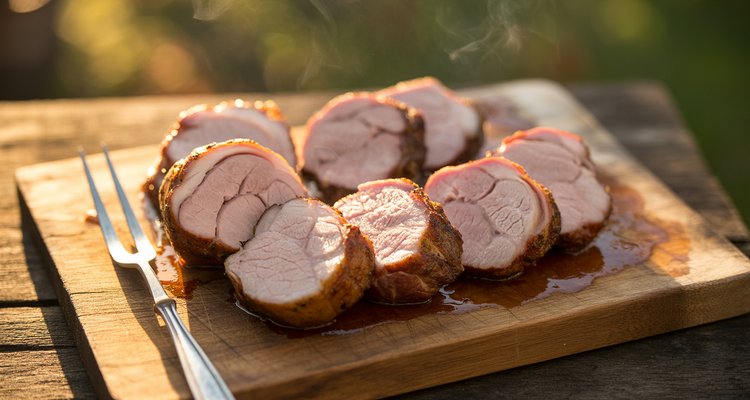
Pork’s natural fat content acts as a flavor carrier, so bold, complex rubs shine on cuts like pork shoulder and baby back ribs. A classic dry rub for ribs leans heavily on dark brown sugar for bark development, smoked paprika for color and depth, and dry mustard powder to cut through the richness. A solid pork rub recipe: 4 tablespoons dark brown sugar, 2 tablespoons smoked paprika, 1.5 tablespoons kosher salt, 1 tablespoon black pepper, 1 teaspoon garlic powder, 1 teaspoon onion powder, and half a teaspoon of dry mustard. This blend works on everything from competition pork shoulder to backyard baby backs. A full pork shoulder can take 10-14 hours to smoke at 250°F, while a rack of ribs takes about 5-6 hours.
BBQ Rub for Chicken
Chicken grills at higher temperatures, typically 350-450°F, than low-and-slow pork, which cooks at 225-275°F, so your rub needs adjustment. Sugar that caramelizes beautifully on a long smoke can carbonize and turn bitter on a hot grill. For a good poultry rub, reduce sugar to roughly half the amount you would use for pork, and shift the balance toward savory dried herbs. Let the rub adhere for at least 30-60 minutes before grilling. A simple BBQ seasoning recipe for chicken includes 2 tablespoons smoked paprika, 1 tablespoon kosher salt, and 1 tablespoon garlic powder. Add 1 teaspoon each of dried thyme, dried oregano, and black pepper, plus half a teaspoon of onion powder and a pinch of lemon zest. Grill chicken pieces for 15-25 minutes, flipping halfway through. Cook chicken to a safe minimum internal temperature of 165°F[USDA].
The Barbecue Rub for Beef
Beef, especially a rub for brisket and beef ribs, demands a simpler approach. The rich flavor of a well-marbled cut is the star, so a complex rub can compete with it. The Texas-style standard is a 50/50 blend of coarse kosher salt and coarse black pepper, applied generously. For a touch more dimension, use 2 tablespoons coarse kosher salt and 2 tablespoons coarse black pepper. Add half a teaspoon each of garlic powder and onion powder. After 12-15 hours on the smoker at 250-275°F, this minimal rub produces bark that lets the beef and wood smoke speak for themselves. Cook beef steaks and roasts to at least 145°F internal temperature[USDA].
How to Apply BBQ Rub for Perfect Bark
Applying BBQ rub correctly is crucial for developing a perfect, even bark. A proven technique involves sprinkling the rub from a height for even distribution and using a binder like mustard or oil to help it adhere. This prevents clumping and ensures a consistent crust.
Sprinkling Technique
Rather than pressing and rubbing the seasoning aggressively into the meat, sprinkle it from about 12 inches above the surface. This height allows particles to spread as they fall, producing a more even, consistent coating. Aggressive rubbing pushes seasoning into clumps and compresses the surface in ways that hurt the final bark.
Using a Binder
A binder helps the rub stick, especially on cold, wet meat fresh from the refrigerator. Yellow mustard is the classic choice – its flavor cooks off completely, leaving only the bark. Olive oil and hot sauce work equally well. Apply a thin, even coat of binder first, let it sit for 5 minutes, then season over it.
How to Match a Rub to Your Smoker
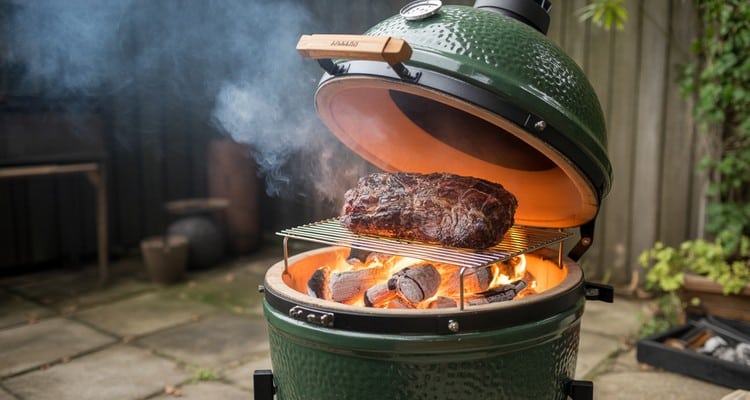
The wood you use changes everything. Hickory smoke pairs naturally with assertive, paprika-forward rubs, while milder fruitwoods like cherry and apple let sweeter, lighter seasonings shine. Gas grills produce a clean, smoke-neutral heat where herb-forward or complex rubs can stand out. Tune your ingredients to your fuel source for better results each cook.
Is It Cheaper to Make Your Own Barbecue Rub?
Yes, making your own barbecue rub is significantly cheaper than buying pre-made blends. By purchasing spices in bulk, you lower the per-ounce cost dramatically. This also gives you complete control over ingredient quality, eliminating fillers and unwanted additives found in many commercial products.
Cost Savings
Making your own barbecue rub is significantly more cost-effective than buying commercial blends. Bulk spices from a grocery store or warehouse club cost a fraction of the per-ounce price of premium commercial rubs. A single spice cabinet investment covers dozens of batch variations across an entire grilling season. This approach also eliminates fillers, MSG, or artificial additives.
Ingredient Quality
Quality is another key factor. Commercial rubs often use fillers, anti-caking agents, or MSG that dilute the active spices. Making your own blend ensures you use only pure ingredients for superior flavor and bark. The only real barrier is the startup cost of stocking a spice cabinet. Once you have kosher salt, black pepper, garlic powder, onion powder, paprika, cayenne, and brown sugar on hand, you can make dozens of variations without additional expense.
Dry Rub vs. Wet Rub: What’s the Difference?
A dry rub is a blend of dry spices applied directly to meat. A wet rub uses the same spice blend mixed with oil, vinegar, or citrus juice to form a paste. Dry rubs tend to produce crispier, more defined bark on long cooks. Wet rubs penetrate faster and can work well for shorter grilling sessions where time is limited.
Can You Make a Sugar-Free BBQ Rub?
Yes, you can. Sugar-free rubs work well for high-heat grilling or for anyone reducing sugar intake. Replace the sugar with more paprika for color, ground cumin for earthiness, or a larger proportion of black pepper for a savory crust. The bark will have a drier, more crust-like texture, but the flavor can be equally complex and satisfying.
Frequently Asked Questions About Homemade Rubs
Common questions about homemade BBQ rubs cover ideal application amounts, shelf life, using binders, and making sugar-free versions. Key topics also include the difference between wet and dry rubs, essential pantry spices, and how your grill type influences the perfect blend.
How much rub should I use per pound of meat?
Use about 1 tablespoon of dry rub per pound for thin cuts like chicken or pork chops. For thick cuts like brisket or pork shoulder, use 1.5-2 tablespoons per pound. The goal is full, visible coverage on all surfaces without the seasoning clumping.
How long does homemade barbecue seasoning last?
A properly stored homemade rub stays at peak freshness for up to 6 months. Store it in an airtight container in a cool, dark pantry away from any heat source. After 6 months the rub is still safe to use, but ground spices lose potency and bark development suffers. A mason jar with a tight-fitting lid is ideal for storage.
What spices should every pitmaster keep in stock?
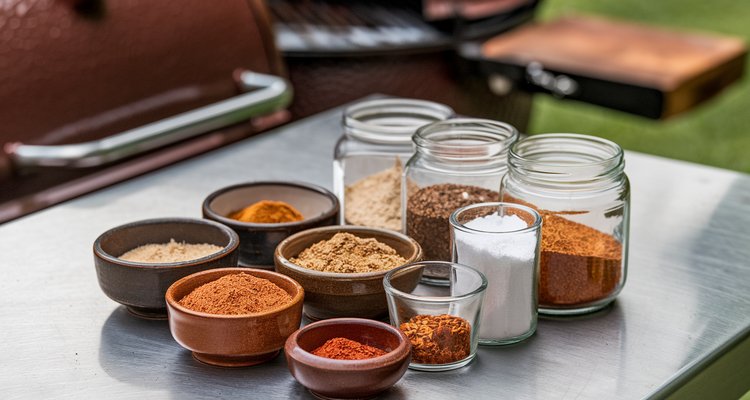
Every pitmaster should stock kosher salt, coarse black pepper, smoked paprika, garlic powder, onion powder, cayenne pepper, and dark brown sugar. These form the core of most classic barbecue profiles and allow for endless custom variations. Ground cumin, dry mustard powder, dried thyme, and dried oregano round out a versatile pantry. Buy whole spices and grind them fresh when possible for noticeably better aroma and flavor.
What Makes a Good Barbecue Rub?
A good barbecue rub depends on the meat and your personal taste. Sweet, sugar-forward blends suit pork, as low-and-slow cooking caramelizes the sugars without burning. Savory, peppery rubs are ideal for beef, where simplicity lets the natural flavor and smoke shine. Herb-based rubs with moderate sugar suit chicken grilled at higher temperatures.
Can I use a dry rub as a marinade?
Yes. Adding a liquid to your dry rub ingredients converts it into a wet rub or flavor paste. Apple cider vinegar, citrus juice, and olive oil are the most common liquid choices. A wet rub penetrates the surface more quickly than a dry application, making it useful when you lack the 8-12 hours needed to let a dry rub rest on the meat.
Should I apply the rub before or after adding a binder?
Always apply the binder first. A thin coat of yellow mustard, olive oil, or hot sauce goes onto the meat surface before any seasoning. The binder gives the dry rub something to grip, producing more even adhesion and a better crust. Apply the binder in a thin layer – the goal is grip, not marination.
Do I need to refrigerate meat after applying a rub?
Always refrigerate seasoned meat if you apply the rub more than an hour before cooking. The USDA warns bacteria multiply rapidly in the danger zone between 40°F and 140°F[USDA]. This dry-brining process can last from 4 to 24 hours. Resting seasoned meat overnight is a common competition technique that allows deeper flavor penetration throughout the cut.
How does the type of grill affect my rub choice?
Your grill’s fuel type directly influences which rub works best. Pellet grills and offset smokers using real wood benefit from simpler rubs that do not compete with the smoke flavor. Gas grills produce a cleaner heat environment where herb-forward or complex blends can shine. Charcoal kettle grills fall in between, giving flexibility for bold or subtle seasoning.
Take Home Message
A homemade BBQ rub is the single most impactful upgrade you can make to your grilling. Start with the 8-3-1-1 master formula, adjust for your protein and grill type, and refine the blend over time.