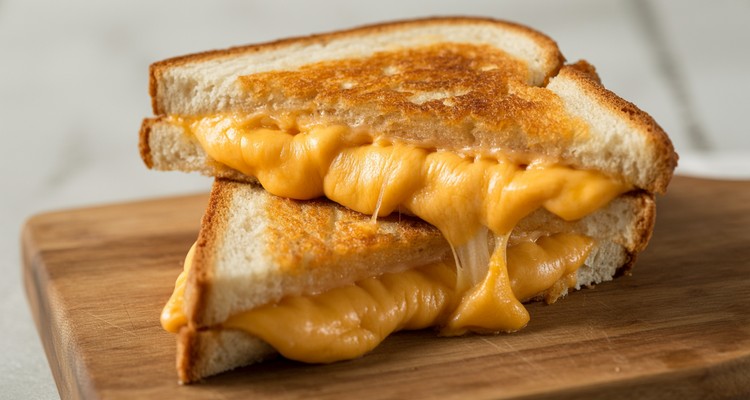
A soggy grilled cheese sandwich is one of life’s small disappointments. That perfect golden-brown crust with a crisp exterior and melty cheese interior is not a matter of luck — it comes down to technique and ingredient choices. This guide breaks down the five key factors for making grilled cheese crunchy every single time.
The 5 Secrets to an Incredibly Crunchy Grilled Cheese
To make grilled cheese crunchy, use sturdy bread like sourdough, spread mayonnaise on the outside for even browning, cook low and slow in a preheated cast iron skillet, choose fast-melting cheese, and leave the pan uncovered so steam escapes. These five factors work together to create a crisp exterior without burning.
A few tools that make this cook easier:
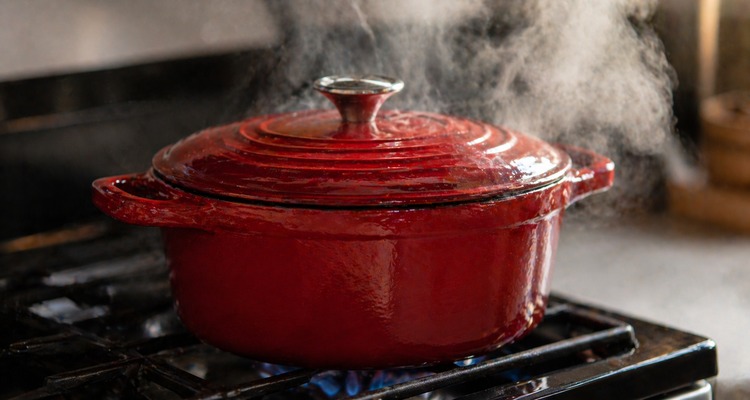
- Lodge Seasoned Cast Iron Skillet 12 Inch — superior heat retention for a consistently crispy crust
- Spring Chef Professional 4-Sided Cheese Grater — shredded cheese melts faster and more evenly than sliced
- ThermoMaven Professional Digital Meat Thermometer — check pan temperature to nail the low and slow window
1. Choose the Right Bread for a Crisp Exterior
Bread choice is the foundation of a crunchy grilled cheese sandwich. Sturdy, dense breads with a tight crumb structure hold up to heat and fat without turning soft or steamy. Sourdough bread is the top choice because its firm texture toasts beautifully and its tangy flavor complements melty cheese.
Ciabatta and thick-cut Pullman loaves also work well for their firm, even structure. Avoid very fresh, soft sandwich bread — it contains too much moisture and tends to steam rather than toast, producing a limp result.
2. Use Mayonnaise Instead of (or With) Butter
Mayonnaise is the secret weapon for a perfectly golden brown crust. Because mayo is an emulsion of oil and egg, it spreads more evenly than butter and promotes consistent, uniform browning across the entire surface of the bread.
Mayo also has a higher smoke point than butter, which reduces the risk of burning the outside before the cheese melts. The mayo flavor cooks off completely, leaving only a savory, rich crust behind. For those who love butter flavor, a 50/50 blend of softened butter and mayonnaise gives you the best of both worlds.
| Spread | Browning | Burn Risk | Flavor | Best For |
|---|---|---|---|---|
| Butter | Uneven (pools in spots) | Higher (milk solids burn) | Rich, buttery | Classic flavor lovers |
| Mayonnaise | Very even (emulsion spreads flat) | Lower (higher smoke point) | Neutral (cooks off) | Maximum crunch |
| 50/50 Blend | Even | Moderate | Buttery with better browning | Best of both |
3. Master Low and Slow Heat Management
High heat is the enemy of a crunchy grilled cheese. It burns the bread surface before the cheese has a chance to melt, leaving you with a charred exterior and a cold center. Medium-low heat is the correct setting for a crisp, golden brown result.
Low and slow heat allows the fat (mayo or butter) to slowly render and fry the bread, creating a uniformly toasted and crunchy surface. This takes longer — about 3-5 minutes per side — but the patience pays off with superior texture and fully melted cheese.
4. Select the Best Cheese for a Perfect Melt
Cheese choice directly affects how long the sandwich needs to cook. A fast-melting cheese means less time on the heat, which means less risk of burning the bread while waiting for the center to get gooey. Shredded cheese melts faster and more evenly than sliced cheese.
The best melting cheeses for a crunchy grilled cheese sandwich include medium or sharp cheddar cheese, Gruyère cheese, fontina, and low-moisture mozzarella. Combining two cheeses — like sharp cheddar for flavor and Gruyère for melt — creates both great taste and ideal texture.
5. Don’t Cover the Pan
Covering the pan traps steam inside, and steam is the direct enemy of crunch. That trapped moisture softens the bread surface instead of letting it crisp. Cooking the grilled cheese uncovered allows moisture to escape freely, ensuring the bread toasts and fries rather than steams.
 Pro Tip: If your cheese is melting too slowly with the lid off, place a loose sheet of aluminum foil over the sandwich instead. It traps enough heat to help the cheese melt without creating the steam-bath effect of a tight lid.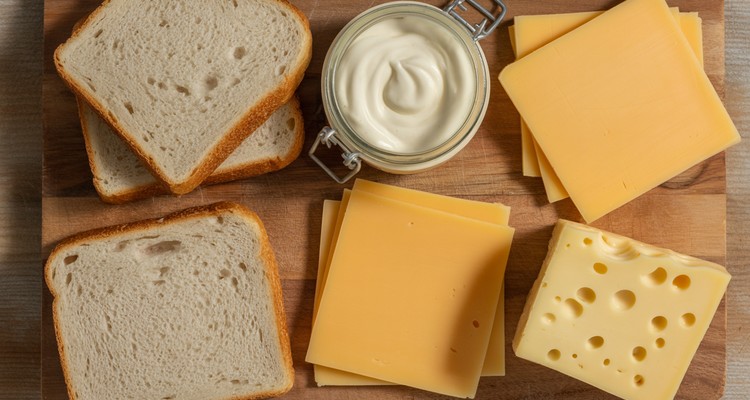
How to Make the Ultimate Crunchy Grilled Cheese (Stovetop Method)
The stovetop method using a cast iron skillet is the gold standard for a crunchy grilled cheese sandwich. Cast iron retains heat evenly, which creates consistent browning across the entire surface. The whole process takes about 10-12 minutes from assembly to plate.
Essential Equipment
- Heavy-bottomed pan — a cast iron skillet is ideal for its even heat retention.
- Thin, flexible spatula for flipping.
- Optional: a grill press or second heavy pan to press the sandwich for an even crust.
Step-by-Step Instructions
- Lay out two slices of sourdough bread and spread a thin, even layer of mayonnaise from crust to crust on one side of each slice.
- Place one slice mayo-side down in a cold or lightly preheated pan. Layer shredded cheese (a mix of sharp cheddar and Gruyère works well) on top. Place the second slice on top, mayo-side up.
- Turn heat to medium-low. Cook for 3-5 minutes until the bottom is deep golden brown.
- Flip carefully. If using a grill press, place it on top. Cook another 3-5 minutes until the second side is equally golden brown and the melty cheese is oozing.
- Let the sandwich rest for one minute before slicing. This allows the cheese to set slightly and preserves the crisp exterior.
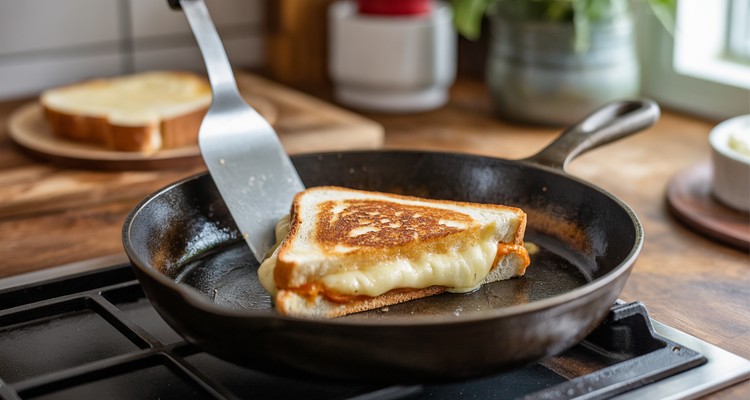
Pitmaster Tip: For a crispy cheese skirt (called a frico), sprinkle extra shredded Parmesan or cheddar directly into the pan around the sandwich after the first flip. As it melts and fries, it adheres to the bread and creates an incredible savory, crunchy cheese crust on the outside.Alternative Cooking Methods for a Crunchy Grilled Cheese
The stovetop is not the only way to make a crunchy grilled cheese sandwich. Both the oven and air fryer use circulating dry heat that creates an excellent crisp exterior. Each method has trade-offs in speed, batch size, and hands-on time.
| Method | Temperature | Time Per Side | Best For | Crunch Level |
|---|---|---|---|---|
| Stovetop (cast iron) | Medium-low | 3-5 min | Single sandwich, maximum control | Excellent |
| Oven (sheet pan) | 425°F | 4-6 min | Batch cooking (4-6 at once) | Very good |
| Air fryer | 370°F | 3-4 min | Speed and crispiness | Excellent (all-around crisp) |
In the Oven
Preheat your oven to 425°F and assemble the sandwiches on a sheet pan. Bake for 4-6 minutes, flip, and bake for another 4-6 minutes until golden brown and crispy. This method is ideal when you need to make multiple grilled cheese sandwiches at once for a crowd.
In the Air Fryer
Preheat the air fryer to 370°F. Assemble the sandwich, place it in the basket, and cook for 3-5 minutes per side.
The circulating hot air creates an extremely crisp exterior from all angles. Use a toothpick through the top slice to prevent the fan from blowing the bread off during cooking.
Troubleshooting Common Grilled Cheese Problems
Even with the right technique, things can go wrong. Here are the most common grilled cheese problems and how to fix them — from soggy bread and burnt crusts to cheese that never fully melts.
- Soggy bread: Heat is too high (steaming instead of toasting), bread is too soft, or pan was covered. Switch to sturdy sourdough bread, use medium-low heat, and leave the pan uncovered.
- Burnt outside, cold center: Heat is too high. Turn it down to medium-low and give the cheese time to melt before the exterior over-browns.
- Cheese not melting: Bread is toasting faster than the cheese can melt. Use shredded cheese instead of sliced, and consider using a loose foil tent to trap some heat without trapping steam.
- Cheese leaking out: Too much cheese or slices hanging over the bread edge. Keep fillings within the bread boundary and use shredded cheese for better containment.
- Uneven browning: Cold spots in the pan or uneven mayo/butter spread. Use a cast iron skillet for even heat, and spread mayo edge to edge on the bread.
Frequently Asked Questions
What is the best bread for a crunchy grilled cheese?
Sourdough bread is the top choice because its dense crumb structure holds up to heat and fat without getting soggy. Other excellent options include ciabatta, thick-cut Pullman loaf, or any artisan-style bread with a firm texture. Avoid soft, fresh sandwich bread — it steams instead of toasting.
Is mayonnaise or butter better for a crispy grilled cheese?
Mayonnaise produces a more even, golden brown crust because its oil and egg content spreads uniformly and browns consistently. Butter adds great flavor but browns unevenly and burns more easily. A 50/50 blend of softened butter and mayo gives you even browning with buttery taste.
How do I keep my grilled cheese from getting soggy?
Use sturdy bread, cook in an uncovered pan over medium-low heat, and make sure your fillings are not too wet. If adding ingredients like tomatoes, pat them dry first. The uncovered pan lets steam escape, which is critical for maintaining a crisp exterior.
Can I add a cheese crust to the outside?
Yes — this technique is called a frico crust. After you flip the sandwich, sprinkle extra shredded Parmesan or sharp cheddar cheese directly into the pan around the edges. As it melts and fries, it adheres to the bread and creates a savory, crunchy cheese skirt on the outside.
Should cheese be shredded or sliced for grilled cheese?
Shredded cheese melts faster and more evenly than sliced cheese, which means less cooking time and less risk of burning the bread while waiting for the center to melt. Shredded cheese also distributes more uniformly across the bread surface for consistent melty coverage.
What heat setting should you use for grilled cheese?
Medium-low is the correct setting. This gives the fat enough time to slowly fry the bread surface into a golden brown crisp exterior without burning. High heat creates a charred outside before the cheese has time to melt, and low heat makes the process too slow.
How do you keep grilled cheese crispy after cooking?
Place the finished sandwich on a wire cooling rack instead of a plate. A flat surface traps steam underneath and softens the bottom crust.
For lunchboxes, wrap the grilled cheese loosely in parchment paper (not plastic wrap) and pack it with a small gap for air circulation. Refrigerate leftovers within 2 hours and reheat to 165°F per USDA FSIS guidelines.
Can you freeze grilled cheese and reheat it crispy?
Yes — let the sandwich cool completely, then wrap tightly in foil and freeze for up to 1 month. To reheat, unwrap and bake directly on a wire rack at 375°F for 10-12 minutes. This method restores most of the crispness without making the bread rubbery the way microwaving does.
Crunchy Grilled Cheese Sandwich
Equipment
- Cast iron skillet ideal for even heat retention and consistent browning
- Thin flexible spatula for flipping without tearing the crust
- Grill press or heavy pan optional; press sandwich for even crust contact
Ingredients
Sandwich
- 2 slices sourdough bread thick-cut; sturdy dense bread essential for crunch
- 1 tablespoon mayonnaise or 50/50 blend of softened butter and mayo for buttery flavor
- 1.5 oz sharp cheddar cheese shredded; melts faster than sliced
- 1 oz Gruyère cheese shredded; adds superior melt and nuttiness
Optional Frico Crust
- 1 tablespoon shredded Parmesan or sharp cheddar sprinkled into pan after flip to create crispy cheese skirt
Instructions
- Spread a thin, even layer of mayonnaise from crust to crust on one side of each bread slice. Edge-to-edge coverage is critical for uniform browning.
- Place one slice mayo-side down in a cast iron skillet. Layer the shredded cheddar and Gruyère on top. Place the second slice on top, mayo-side up. Do not preheat the pan — starting from cold gives more control.
- Turn heat to medium-low. Cook uncovered for 3-5 minutes until the bottom is deep golden brown. Do not cover the pan — trapped steam softens the crust.
- Flip carefully with a thin spatula. If using a grill press, place it on top now. For a frico crust, sprinkle the optional Parmesan directly into the pan around the sandwich edges. Cook 3-5 minutes more until the second side is equally golden and cheese is fully melted.
- Remove from heat. Rest the sandwich on a wire rack for 1 minute before slicing — this lets the cheese set slightly and keeps the crust from steaming against a flat surface. Slice diagonally and serve immediately.
Notes