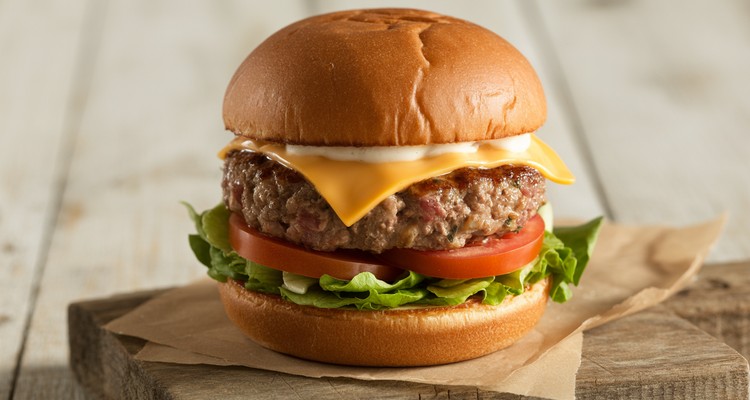
The secret to a genuinely juicy burger isn’t a fancy technique — it’s a simple blend of two types of ground meat. Combining ground beef and ground pork creates a patty with superior fat content, better moisture retention, and a richer, more complex flavor than an all-beef burger can deliver.
This guide walks you through the ideal beef-to-pork ratios, how to mix and form the patties without overworking the meat, and how to cook them on a grill, griddle, or smoker. You’ll get exact internal temperature targets so every burger comes out perfectly safe and still juicy.
Quick Summary
- Optimal Blend: A 50/50 mix of 80/20 ground beef and standard ground pork creates the juiciest, most flavorful burger patties, balancing robust beef flavor with the moisture-retaining fat of pork.
- Gentle Handling: Avoid overworking the meat when mixing and forming patties. Over-mixing develops proteins, leading to a tough texture. Season the exterior just before cooking to preserve moisture.
- Precise Cooking: Cook beef and pork burgers to an internal temperature of 160°F using an instant-read thermometer. This ensures safety while maintaining juiciness, whether grilling, griddling, or smoking.
- Essential Prep: Always chill formed patties for at least 30 minutes before cooking to help them hold their shape and prevent excessive shrinkage. Press a dimple in the center of each patty to keep it flat.
Why Mix Beef and Pork for Burgers?
Mixing beef and pork creates a superior burger patty. The ground pork adds extra fat that keeps the patty moist as it cooks, while the beef provides the classic, robust flavor everyone expects. The result is a more tender, more flavorful burger that an all-beef patty simply cannot match.
The Flavor Advantage
Ground beef — especially 80/20 chuck — brings a bold, beefy backbone to the blend. Ground pork adds a milder, slightly sweet, and savory note that rounds out the flavor without taking over. Together, they produce a more nuanced and satisfying taste in every bite.
The Texture and Juiciness Difference
Ground pork typically carries more fat than lean ground beef. As the patty cooks, that pork fat renders and bastes the meat from the inside, preventing it from drying out. The finished burger patty is noticeably more tender and moist than a standard beef-only version.
Cost and Versatility
Ground pork is often more affordable than high-quality ground beef, making the blend a cost-effective choice without sacrificing quality. The blend is also highly versatile — it pairs well with bold toppings, subtle seasoning blends, or a full smash-burger treatment on a flat-top griddle.
 Quick Facts: A 50/50 beef and pork blend creates a burger that is significantly juicier and more flavorful than an all-beef patty, thanks to the higher fat content and complementary flavors of the two meats.
Helpful gear for this cook:
- Hotec stainless steel kitchen tongs — make turning and moving food easier
- TrendPlain oil sprayer — helps apply a light, even coat before grilling
- ThermoMaven bristle-free grill brush — cleans grill grates without wire bristles
Choosing the Right Meat for Your Blend
For flavorful and juicy beef and pork burgers, use 80/20 ground chuck paired with standard ground pork. Ground chuck delivers the beefy flavor and ideal fat content you need, while standard ground pork — typically around 20-25% fat — brings the extra richness that ensures maximum juiciness in every patty.
The Ideal Beef-to-Pork Ratio
The 50/50 blend is the gold standard for this recipe. It hits the sweet spot between beefy flavor and exceptional moisture. That said, different ratios work depending on your preference — the table below breaks down your options.
| Beef/Pork Ratio | Characteristics | Best For |
|---|---|---|
| 50/50 | Extremely juicy and tender with a balanced, savory flavor. The classic blend. | All-purpose grilling, griddling, and anyone prioritizing juiciness. |
| 70/30 | More beef-forward flavor with a noticeable moisture boost from the pork. | Those who love a classic beef burger but want to prevent it from drying out. |
| 80/20 | Subtle pork flavor and a small moisture upgrade. Primarily a beef experience. | A first step into mixed-meat burgers or recipes with very bold toppings. |
Selecting Your Ground Beef
The ideal choice is 80/20 ground chuck. The 20% fat content is essential for both flavor and moisture. Leaner options like 90/10 sirloin will still produce a drier burger even with the pork added, so stick with chuck for optimal results.
Freshly ground meat from the butcher counter makes a real difference in texture and flavor. Avoid pre-formed frozen patties — you want control over the fat content and how gently the meat is handled.
Selecting Your Ground Pork
Use standard ground pork — not sausage and not pre-seasoned pork. Most ground pork from the butcher case runs around 20-25% fat, which is ideal for this blend. Avoid very lean ground pork; it won’t deliver the moisture and tenderness that make beef pork burgers worth making.
How to Make Flavorful Beef and Pork Burger Patties
To make flavorful and juicy beef and pork burger patties, start by gently combining the cold meats until just mixed. Season the exterior just before cooking to protect the texture. Form patties slightly wider than your bun, press a dimple in the center, and chill them before cooking.
Gentle Mixing Is Key
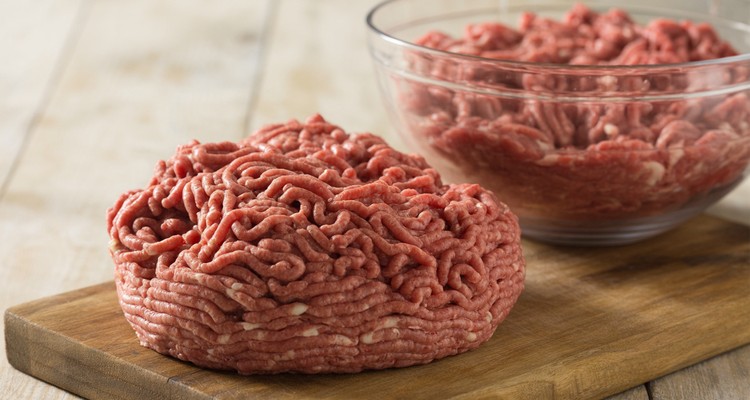
The most important rule: do not overwork the meat. Use your hands to gently combine the ground beef and ground pork in a large bowl until they are just incorporated — typically 30 to 40 seconds of folding is enough. Over-mixing develops the proteins, which leads to a tough, dense, and rubbery burger patty.
 Pitmaster Tip: Keep both meats cold before mixing. Cold fat holds its shape longer, which means cleaner mixing and less fat smearing into the protein structure. Pull the meat straight from the fridge and work quickly.
Seasoning Your Patties
Season the outside of the patties just before they hit the grill — not inside the meat mixture. Mixing salt into the raw blend too early draws out moisture and changes the texture, giving you something closer to sausage than a burger patty.
A generous coating of coarse sea salt and freshly ground black pepper is all you need for classic flavor. Optional additions include garlic powder or onion powder sprinkled on the surface before cooking.
Forming and Dimpling
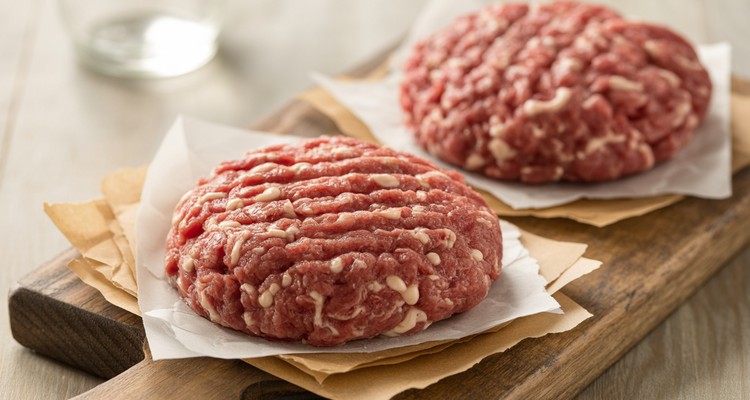
Divide the meat mixture into 6 equal portions of about 1/3 lb each. Gently shape each portion into a loose ball, then flatten it into a patty about 3/4 to 1 inch thick. Make each patty roughly a half-inch wider than your buns, since they will shrink during cooking.
Use your thumb to press a shallow dimple into the center of each patty. Without this step, the patty puffs up in the middle as it cooks and turns into a rounded dome rather than staying flat and even.
The Importance of Chilling
Place the formed burger patties on a tray lined with wax paper and refrigerate for at least 30 minutes before cooking. Chilling keeps the fat solid until it hits the heat, which means less shrinkage and a juicier finished patty. You can chill raw patties for up to 24 hours in advance.
Cooking Your Burgers to Perfection
Whether grilling, pan-searing, or smoking, use an instant-read thermometer to confirm doneness. Because these are mixed-meat burgers containing ground pork, the safe internal temperature is 160°F. Time is a guide; internal temperature is the final decision point.
On the Grill
Preheat the grill to medium-high heat, targeting 400-450°F at the grate level. Set up two zones: one side for direct searing heat and one side for indirect cooking. This two-zone grilling setup gives you control if patties approach the target temperature before the crust is fully developed.
Sear the burger patties over direct heat for 2-3 minutes per side to build a deep, flavorful crust. Then move them to the indirect side to finish until the internal temperature reaches 160°F[USDA]. Flip only once, and never press down on the patty — that squeezes out the fat you worked hard to preserve.
On the Griddle (Smash Burger Style)
For smash burgers, skip forming patties beforehand. Instead, portion the cold meat mixture into loose balls of about 1/3 lb each. Heat a flat-top griddle or cast-iron skillet over high heat until it is very hot.
Place a ball of the beef pork blend on the hot surface and immediately smash it flat with a sturdy metal spatula or burger press. Season the top, then cook for 1-2 minutes until a deep brown crust forms on the bottom.
Flip once, season the other side, add cheese, and cook for another minute until the internal temperature hits 160°F.
Pro Tip: A cast-iron skillet works just as well as a flat-top griddle for smash burgers at home. Get it screaming hot before adding the meat — the crust forms in the first 60-90 seconds of contact with the surface.In the Smoker
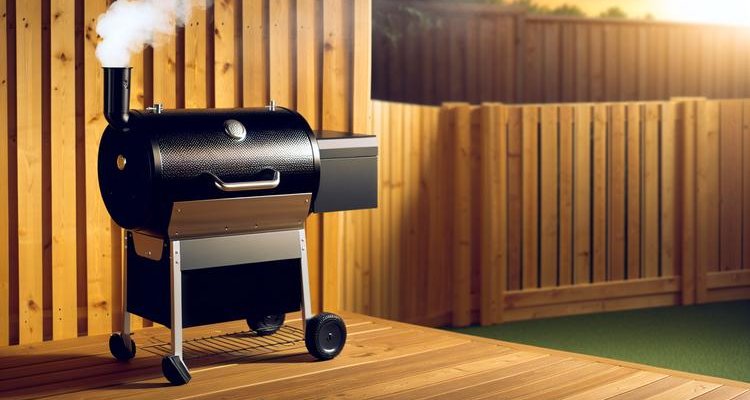
For a smoked beef pork burger, preheat your smoker to 225-250°F. Place the chilled patties directly on the smoker grates. Smoke for 60-90 minutes, or until the internal temperature reaches about 150°F.
Finish by searing the patties on a hot grill or cast-iron skillet for about 1 minute per side. This brings the internal temperature up to the required 160°F while adding a satisfying caramelized crust. The result is a burger with subtle smoke flavor and a firm, juicy interior that you can’t replicate on a standard grill.
Building Your Masterpiece Burger
Start with a sturdy, toasted bun and a flavorful sauce on both halves. Place the rested patty on the bottom bun, then layer on melted cheese, crisp lettuce, fresh tomato, and thinly sliced onion for a classic build.
Letting the patty rest for 5 minutes off the heat before building the burger makes a noticeable difference in how much juice stays in the patty.
Choosing the Right Bun
A good bun should be soft enough to compress slightly with each bite but sturdy enough to hold a juicy patty without falling apart. Brioche buns, potato rolls, and sesame seed buns all work well.
Always toast the buns with a little butter on the grill or griddle — it adds flavor and creates a barrier that prevents the bun from getting soggy.
Classic Topping Ideas
For cheese, American melts smoothly and clings well; sharp cheddar, provolone, and Swiss are solid alternatives. For vegetables, crisp iceberg or romaine lettuce, ripe tomato slices, thinly sliced red onion, and dill pickle chips are the classics. For sauce, a simple combination of mayonnaise, ketchup, and relish hits all the right notes.
Gourmet Sauce and Cheese Pairings
For a BBQ Bacon build, use sharp cheddar, crispy thick-cut bacon, and onion rings with your favorite BBQ sauce. For a Mushroom Swiss burger, sauté mushrooms in butter and pile them on with melted Swiss and a garlic aioli. A Spicy Southwest version pairs pepper jack cheese with jalapeños, sliced avocado, and chipotle mayo.
Make-Ahead, Storage, and Reheating Tips
Raw formed patties can be refrigerated for up to 24 hours or frozen for up to 3 months. Store cooked patties in an airtight container in the refrigerator for 3-4 days. Reheat gently in a covered skillet with a splash of water to keep them from drying out.
Making Patties in Advance
Raw patties hold up well in the refrigerator for up to 24 hours. Separate them with wax paper, cover tightly, and pull them out just before cooking. For longer storage, freeze the raw patties in a single layer on a baking sheet until solid, then transfer to a freezer bag for up to 3 months.
Storing Cooked Burgers
Let cooked burger patties cool completely before storing. Place them in an airtight container in the refrigerator and use within 3-4 days[USDA]. Store all toppings separately — especially lettuce and tomato — to keep everything fresh and avoid a soggy mess when you reheat.
How to Reheat Without Drying Them Out
In a skillet, place patties over medium-low heat, add a tablespoon of water or broth, cover, and steam for a few minutes until hot. In the oven, set patties on a wire rack over a baking sheet at 350°F for 10-15 minutes.
If using a microwave, wrap the patty in a damp paper towel and heat in 30-second intervals on a lower power setting.
Take Home Message
A beef pork burger recipe is one of the simplest upgrades you can make at the grill. The 50/50 blend delivers the kind of juicy, flavorful patty that keeps people coming back for another round, and the technique is no more complicated than what you’re already doing with an all-beef burger.
The key details that matter most: use 80/20 ground beef and standard ground pork, mix gently and keep everything cold, season only the exterior, and cook to a final internal temperature of 160°F[USDA]. Get those right and you’ll have a fantastic burger you can be proud of.
Ready to try another technique? Check out our guides on how to make smash burgers and smoked burgers on the pellet grill for more ways to put your grill to work.
Frequently Asked Questions
Can you mix beef and pork for burgers?
Yes, absolutely. Mixing ground beef and ground pork is a well-established technique that produces juicier, more flavorful burger patties than beef alone. The pork contributes extra fat that bastes the meat from the inside as it cooks, while the beef delivers the classic, savory flavor most people expect from a burger.
What ratio of beef to pork works best for burgers?
A 50/50 blend is the most reliable starting point and delivers an ideal balance of juiciness and beefy flavor. A 70/30 beef-to-pork ratio is a great option if you prefer a more beef-forward taste with just a moisture boost from the pork.
An 80/20 ratio introduces pork more subtly, which works well with assertive toppings.
What internal temperature should beef pork burgers reach?
Beef pork burgers must reach a minimum internal temperature of 160°F[USDA]. Because these patties contain ground pork, you should always use an instant-read thermometer to confirm doneness rather than relying on cook time alone.
How do you keep mixed-meat burgers juicy?
The biggest factors are not overworking the meat, keeping everything cold before cooking, and not overcooking the patties past 160°F. Pressing a dimple into each raw patty prevents it from puffing in the center. Letting the cooked patty rest for 5 minutes before serving allows the juices to redistribute throughout the meat.
What fat percentage is best for beef and pork burgers?
Aim for a final blend with around 20-25% total fat. Using 80/20 ground beef and standard 80/20 ground pork naturally hits this range without any calculation. This fat level is high enough to keep the burger patties moist and flavorful without causing excessive flare-ups on the grill.
Can I cook these burgers in the oven?
Yes. Place the patties on a wire rack set over a foil-lined baking sheet and bake at 400°F for 15-20 minutes, until the internal temperature reads 160°F. You won’t get the same seared crust as grilling, but the oven method is hands-off and works reliably for a crowd.
Why are my beef pork burgers tough and dry?
The two most common causes are overworking the meat during mixing and overcooking the patties. Mix the ground beef and pork together gently until just combined — stop as soon as you no longer see separate patches of each meat. Then use an instant-read thermometer and pull the burgers from the heat the moment they hit 160°F.
Do I need a binder like egg or breadcrumbs?
No. Unlike meatloaf, a burger patty does not need a binder. The fat content in the beef and pork blend holds the patty together naturally, especially once the patties are chilled before cooking.
Adding binders like egg or breadcrumbs changes the texture and moves the burger closer to a meatloaf consistency, which is not what you want here.
Beef and Pork Burger Recipe
This recipe provides the ideal 50/50 beef-to-pork ratio and simple seasoning for the ultimate juicy burger. It includes precise cooking instructions for grilling, griddling, or smoking to guarantee consistent, flavorful results. Follow these steps to create a truly memorable burger at your next cookout.
The Ultimate Beef and Pork Burger Recipe
Equipment
- Large mixing bowl For combining the ground meats.
- Grill or Griddle For cooking the burger patties.
- Instant-read thermometer To ensure burgers reach a safe 160°F internal temperature.
Ingredients
For the Burger Patties
- 1 lb 80/20 ground chuck
- 1 lb ground pork Not pre-seasoned or sausage.
- Coarse sea salt to taste
- Freshly ground black pepper to taste
- Garlic powder or onion powder optional, for seasoning
For Serving
- 6 brioche burger buns
- 6 slices cheddar cheese optional
- Lettuce, tomato, and other desired toppings
Instructions
- In a large bowl, gently combine the cold ground chuck and ground pork with your hands until just incorporated, about 30-40 seconds. Do not overmix.
- Divide the mixture into 6 equal portions (about 1/3 lb each). Gently shape each portion into a patty about 3/4 to 1 inch thick and a half-inch wider than your buns.
- Press a shallow dimple into the center of each patty with your thumb to prevent it from puffing up during cooking.
- Place the formed patties on a tray lined with wax paper and refrigerate for at least 30 minutes to help them hold their shape.
- Preheat your grill to medium-high heat (400-450°F) and set up a two-zone cooking area (direct and indirect heat).
- Just before cooking, generously season the outside of the patties with coarse sea salt and freshly ground black pepper.
- Place the patties on the direct heat side of the grill. Sear for 2-3 minutes per side to develop a flavorful crust.
- Move the patties to the indirect heat side to finish cooking. Continue cooking until an instant-read thermometer inserted into the center registers 160°F.
- If using cheese, place a slice on each patty during the final minute of cooking to melt.
- Remove the burgers from the grill, let them rest for a few minutes, and serve on toasted buns with your favorite toppings.
Notes