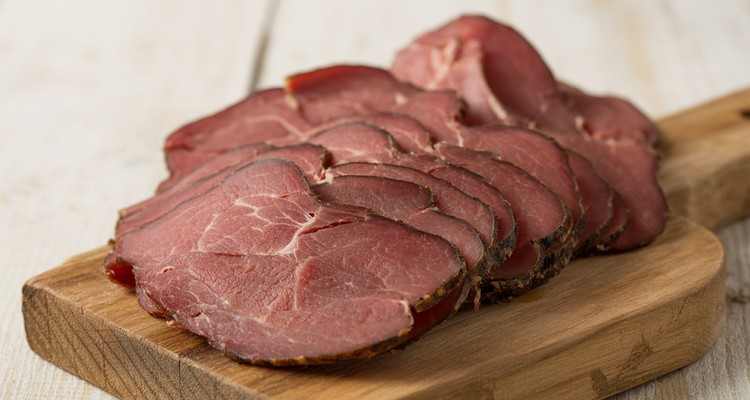
Homemade smoked dried beef is one of those projects that sounds ambitious until you realize how straightforward the process actually is. The end result — deeply savory, paper-thin slices with a rich smoke ring — blows away anything that comes in a jar at the grocery store. It’s a rewarding weekend project that any smoker owner can pull off.
The core process involves curing a lean roast, letting it rest in the refrigerator, then smoking and drying it low and slow until it’s firm and intensely flavored.
Think of this guide as a base recipe covering the full process from raw cut to finished dried beef, plus a section on the most popular ways to put it to use — from classic creamed chipped beef to party dips and breakfast hash.
Quick Summary
- Homemade Superiority: Crafting your own smoked dried beef yields a product far superior to store-bought versions, offering deeply savory, paper-thin slices with a rich smoke ring. It’s a rewarding and straightforward weekend project for any smoker owner.
- Essential Process: The core process involves curing a lean eye of round roast with a salt, spice, and curing salt mixture, followed by a rest in the refrigerator, then smoking and drying it low and slow until it’s firm and intensely flavored.
- Versatile Applications: Once prepared, this versatile ingredient can be used in classic dishes like creamed chipped beef on toast, savory party dips, breakfast hash, or deli-style sandwiches, with its smoke flavor adding a layer of complexity.
- Safety & Storage: Proper curing with Prague Powder #1 is crucial for food safety during low-temperature drying. Store sliced dried beef in an airtight container in the refrigerator for up to two weeks, or vacuum-seal and freeze for up to one year for long-term preservation.
What Is Smoked Dried Beef?
Smoked dried beef is a whole-muscle cured meat made by rubbing a lean roast with a salt, spice, and curing salt mixture, then smoking and drying it at low heat until firm. The result is sliced paper-thin and served in classic dishes like creamed chipped beef or as a savory appetizer ingredient.
It’s a preservation tradition that predates refrigeration. The curing salt, salt, and moisture reduction work together to make the meat shelf-stable and concentrated in flavor. One small roast yields a surprising amount of usable, intensely seasoned dried beef.
Smoked Dried Beef vs. Jerky vs. Chipped Beef
These three terms often get confused, but they describe very different products and preparation styles.
- Smoked dried beef is made from a whole muscle roast — typically eye of round — cured, smoked, and dried intact. It’s then chilled and sliced paper-thin against the grain for serving.
- Beef jerky is made from thin strips of raw meat that are marinated or seasoned, then smoked or dehydrated. It’s a hand-held snack meant to be eaten as-is, not a cooking ingredient.
- Chipped beef is simply dried beef after it’s been sliced very thin. The term “chipped” describes the slicing style. Store-bought versions are often air-dried or salt-cured without any smoking, and they’re typically packed in brine.
 Quick Facts: Smoked dried beef is a whole-muscle cured meat, distinct from jerky, and “chipped beef” refers to the thinly sliced form of dried beef.
Helpful gear for this cook:
- ThermoMaven wireless meat thermometer — tracks long cooks without opening the smoker
- Traeger Signature Blend pellets — adds a balanced smoke profile for backyard cooks
- Western BBQ smoking wood chips variety pack — adds wood-smoke flavor on charcoal or gas grills
Choosing the Right Cut of Beef for Smoking and Drying
Eye of round is the ideal cut for smoked dried beef. It’s very lean, has a uniform cylindrical shape that cures evenly, and slices cleanly into thin rounds. Fat is the enemy of long-term storage — it can go rancid — so the leaner the cut, the better.
Top round and bottom round are solid alternatives if eye of round isn’t available. Both are lean enough to work well and have a similar texture when sliced thin. Ask your butcher to trim the external fat cap if one is present — you want as little surface fat as possible before curing.
A roast in the 3-4 lb range is ideal. It’s large enough to give you a useful yield after moisture loss, but small enough to cure and smoke in a reasonable timeframe.
Essential Equipment and Ingredients
Making smoked dried beef doesn’t require a lot of specialized gear, but a few key items are non-negotiable for safety and consistency. Here’s a rundown of the essential tools and ingredients you’ll need to gather before you start the curing process.
Equipment List
- Smoker or pellet grill capable of holding 180-200°F
- Non-reactive container or large zip-top bag for curing
- Digital instant-read meat thermometer
- Kitchen scale for accurate cure measurements
- Sharp slicing knife or meat slicer
- Wire rack set over a sheet pan (for pellicle formation)
- Vacuum sealer and bags (strongly recommended for storage)
Ingredients
- 3-4 lb eye of round roast, trimmed of fat
- Prague Powder #1 (pink curing salt / sodium nitrite cure) — measured by weight per recipe
- Kosher salt
- Brown sugar (or maple syrup — if using syrup, reduce by about one-third to account for moisture)
- Black pepper, garlic powder, onion powder, and any preferred spices
- Wood chunks or pellets — hickory, oak, or cherry all work well
 Pro Tip: Always weigh curing salt on a kitchen scale — never measure by volume. Prague Powder #1 is used in small, precise amounts. Too little is a food safety risk; too much affects flavor and can be harmful. Follow a tested cure ratio from a reputable source, such as 0.25% of meat weight for Prague Powder #1.
How to Make Smoked Dried Beef: The Complete Recipe
This comprehensive recipe breaks down the entire process into four essential stages: curing, resting, smoking, and slicing. By following these steps carefully and paying close attention to precise measurements and temperatures, you can achieve a safe, delicious, and deeply flavorful result that far surpasses any store-bought version.
Step 1: Prepare and Cure the Beef
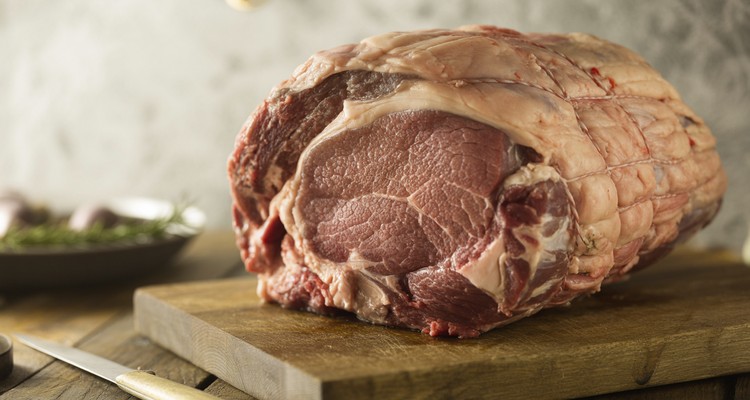
Trim any visible fat or silverskin from the roast. Mix the curing salt, kosher salt, brown sugar, and spices in a small bowl. Rub the cure mixture evenly over every surface of the beef, making sure no spot is missed.
Place the coated roast in a large zip-top bag or a non-reactive container. Seal tightly and refrigerate. Cure for approximately 2 days per inch of thickness at the thickest point — typically 7-10 days for a standard eye of round.
Flip the roast once a day so the cure distributes evenly as it draws moisture from the meat.
Step 2: Rinse and Rest the Cured Beef
After curing, remove the roast from the bag and rinse it thoroughly under cold running water to remove all surface cure. If you prefer a less salty finished product, soak the rinsed roast in a container of cold water for 1-2 hours, changing the water once halfway through.
Pat the roast completely dry with paper towels. Set it on a wire rack over a sheet pan and return it to the refrigerator, uncovered, for 12-24 hours. This allows a tacky surface layer called a pellicle to form.
The pellicle helps smoke adhere evenly during the next step.
Step 3: Smoke and Dry the Beef
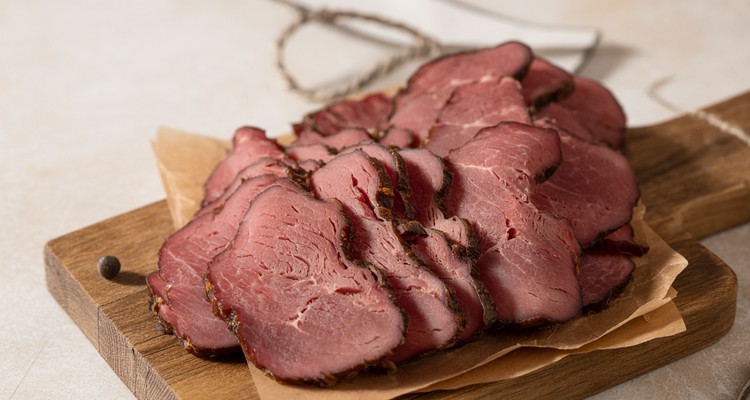
Preheat your smoker to 180-200°F and add your wood of choice. Place the pellicle-dried roast directly on the grates. Smoke until the beef reaches an internal temperature of 150-160°F[USDA] — this is a critical food safety milestone for cured meats dried at low heat.
Continue smoking at the same low temperature until the roast is firm to the touch and has lost roughly 30-40% of its original weight. Total smoker time typically runs 6-10 hours depending on roast size and your smoker’s efficiency. Check internal temperature first; firmness and weight loss are your texture and yield indicators.
Pitmaster Tip: Keep your smoker temperature consistent and on the lower end of the 180-200°F range. Running too hot dries the surface faster than the interior, which can cause case hardening — a tough outer shell that traps moisture inside. Low and slow wins here.
Step 4: Cool, Slice, and Store
Once the beef is done, remove it from the smoker and let it cool to room temperature on a rack. Wrap it tightly and refrigerate for at least 12 hours, preferably overnight. Chilling is essential — the roast firms up considerably as it cools, making paper-thin slices achievable.
Slice the chilled roast as thinly as possible against the grain. A meat slicer produces the most consistent results, but a long, sharp slicing knife works well if you keep the blade cold and use smooth, even strokes. Slice thin is the defining characteristic of good chipped beef — thick slices are chewy and harder to use in recipes.
How to Store Smoked Dried Beef Safely
Store sliced smoked dried beef in an airtight container or vacuum-sealed bag in the refrigerator for up to two weeks. Vacuum sealing is the most effective option — it removes air that promotes oxidation and moisture pickup, keeping flavor and texture consistent across the storage window.
Short-Term Storage (Refrigerator)
Portion the sliced beef into serving-size amounts before sealing. This way you only open one portion at a time, keeping the rest protected. If vacuum sealing isn’t an option, a zip-top bag with as much air pressed out as possible works for immediate use within a few days.
Long-Term Storage (Freezer)
Vacuum-sealed portions of sliced dried beef can be frozen for up to one year[USDA]. Thaw overnight in the refrigerator — never on the counter. Frozen dried beef is ideal for batch cooking: smoke a large roast, slice the whole thing, and freeze in weekly portions for easy use throughout the year.
Quick Facts: For optimal freshness, store sliced smoked dried beef in the refrigerator for up to two weeks, or vacuum-seal and freeze for up to one year.
Smoking Temperature and Timing Guide
Patience is key when making smoked dried beef. This table outlines the target temperatures and approximate timelines for each stage, helping you plan your project and know what to look for as the beef cures and dries.
| Stage | Temp / Setting | Timeframe | What to Look For |
|---|---|---|---|
| Curing | Refrigerator (below 40°F) | 7-10 days (2 days per inch) | Firm surface, liquid in bag, meat darkened |
| Pellicle rest | Refrigerator (uncovered) | 12-24 hours | Tacky, slightly glossy surface |
| Smoking and drying | 180-200°F smoker | 6-10 hours | Internal temp 150-160°F, firm to touch, 30-40% weight loss |
| Post-smoke chill | Refrigerator (wrapped) | 12-24 hours minimum | Very firm roast that slices cleanly |
| Refrigerator storage (sliced) | Below 40°F, vacuum-sealed | Up to 2 weeks | No moisture buildup in bag, clean aroma |
| Freezer storage (sliced) | 0°F or below, vacuum-sealed | Up to 1 year | No freezer burn, intact seal |
Creative Ways to Use Your Homemade Dried Beef
Homemade smoked dried beef is far more versatile than its grocery store counterpart. The smoke flavor adds a layer of complexity that makes every application taste better. Once you have a batch sliced and ready, these are the recipes worth making first.
Creamed Chipped Beef on Toast
Warm butter in a skillet, whisk in flour to make a quick roux, then pour in whole milk and stir until thick.
Fold in your thinly sliced dried beef, season to taste, and ladle over toast, biscuits, or boiled potatoes.
The smokiness from homemade dried beef gives this classic sauce a depth you won’t find in the jarred version. Serve it for breakfast or as a quick weeknight dinner — it comes together in under 15 minutes once you have the dried beef ready.
Dried Beef Dip and Cheese Ball
Dried beef dip is one of the most-searched recipe applications for this ingredient, and it’s easy to see why — it requires no cooking and takes about five minutes to assemble. Blend softened cream cheese with sour cream, then fold in finely chopped dried beef, sliced green onions, and a pinch of garlic powder.
Serve cold with crackers or sturdy chips.
To make a cheese ball instead, shape the mixture into a ball and roll it in chopped dried beef or toasted pecans. Wrap and refrigerate for at least one hour before serving so it holds its shape. Both the dip and the cheese ball benefit from the smoke flavor that store-bought dried beef lacks entirely.
Breakfast Hash with Dried Beef
Dice potatoes and parboil them until just tender. Sauté in a cast iron skillet with diced onion and bell pepper until everything is golden. Add a handful of chopped dried beef in the last few minutes so it crisps slightly at the edges.
Top with a fried or poached egg.
The salty, savory punch from the dried beef means you’ll need very little seasoning — taste before adding salt. This hash works equally well for brunch or as a dinner side dish alongside grilled proteins.
Deli-Style Dried Beef Sandwiches
Layer paper-thin slices of smoked dried beef on rye bread with Swiss cheese and spicy brown mustard. The cured, smoky flavor pairs naturally with rye and sharp condiments. Add a thin swipe of horseradish sauce if you want extra heat.
Quick Facts: Homemade smoked dried beef elevates classic dishes like creamed chipped beef, dips, and hash with its rich, smoky flavor, offering a significant upgrade over store-bought versions.
Troubleshooting Smoked Dried Beef
Even with a solid recipe, a multi-day project like making dried beef can present challenges. This section addresses common problems you might encounter, from salty results to improper texture, explaining the likely causes and providing clear, actionable solutions to get your project back on track.
| Problem | Likely Cause | Fix |
|---|---|---|
| Final product is too salty | Cure not fully rinsed, or soak step skipped | Rinse thoroughly after curing. Soak in cold water 1-2 hours (change water once) before drying. |
| Beef is tough and chewy | Sliced too thick or sliced with the grain | Chill completely before slicing. Slice as thin as possible, always cutting against the grain. |
| Mold during curing | Patchy cure coverage, temp above 40°F, or contamination | Coat all surfaces evenly. Keep cure temp below 40°F. Discard any meat showing mold. |
| Hard outside, soft inside (case hardening) | Smoker temp too high, surface dried too fast | Keep smoker under 200°F. If it happens, wrap the roast and refrigerate 24 hours to equalize moisture. |
| Pale color, weak smoke flavor | Pellicle not formed, or low-quality wood | Always rest uncovered in the fridge 12-24 hours before smoking. Use hickory, oak, or cherry for stronger smoke flavor. |
Take Home Message
Crafting your own smoked dried beef is a rewarding culinary adventure that yields a product far superior to anything you can buy. By carefully following the curing, smoking, and drying steps, you’ll create a versatile, intensely flavorful ingredient perfect for classic dishes or creative new recipes.
This guide provides all the essential knowledge to confidently make delicious, safe smoked dried beef at home.
Frequently Asked Questions
How long does it take to cure beef for drying?
The general rule is two days per inch of the meat’s thickest point. For a typical 3-4 lb eye of round roast, this works out to 7-10 days in the refrigerator. Flip the meat once daily so the cure penetrates evenly from all sides.
Do I have to use curing salt (pink salt)?
Yes — for low-temperature smoking and drying, using Prague Powder #1 is essential for food safety. It contains sodium nitrite, which prevents the growth of dangerous bacteria, including those responsible for botulism. Regular table salt or kosher salt alone does not provide this protection at low drying temperatures.
Can I make dried beef in an oven instead of a smoker?
You can, but you’ll miss the smoke flavor entirely. After curing and rinsing, place the roast on a rack in an oven set to its lowest temperature — ideally 170-180°F. Prop the door open slightly if needed to maintain that low temperature.
Cook until the beef hits the internal temperature target and achieves the desired firmness.
What’s the difference between chipped beef and dried beef?
Dried beef is the finished product — the cured, smoked, and dried roast. Chipped beef simply refers to dried beef that has been sliced or “chipped” very thin. The two terms describe the same item at different stages: one is the whole roast, and one is the sliced and ready-to-use form.
Is smoked dried beef the same as beef jerky?
No. Jerky is made from thin strips that are seasoned and dried from the raw state — it’s a snack food. Smoked dried beef is made from a whole muscle roast that is cured, smoked, and dried intact, then sliced paper-thin. The curing process and whole-muscle approach produce a very different texture and flavor profile.
What is the recommended wood for smoking dried beef?
Hickory is the classic choice — its bold, slightly earthy smoke pairs naturally with the salty, cured beef. Oak is a good all-purpose alternative with a slightly milder profile. Cherry adds a subtle sweetness and produces a deep mahogany color on the finished roast.
Avoid resinous softwoods like pine, which can make the meat taste bitter.
How do I know when smoked dried beef is done?
Use a digital thermometer to confirm the internal temperature has reached 150-160°F. After hitting that temperature, continue drying until the roast is firm to the touch and has lost about 30-40% of its starting weight. Time is a guide — internal temperature and texture are your actual doneness indicators.
Can I use smoked dried beef in place of store-bought chipped beef?
Yes, and in most recipes it’s a significant upgrade. Homemade smoked dried beef has a more complex, deeper flavor than the brine-packed jarred versions. Use it anywhere a recipe calls for dried or chipped beef — creamed beef on toast, dips, cheese balls, hash, and casseroles all work well with the homemade version.
Smoked Dried Beef
Equipment
- Smoker or pellet grill Must be able to hold a low temperature of 180-200°F.
- Kitchen scale Essential for accurately measuring curing salt.
- Large zip-top bag or non-reactive container For curing the beef in the refrigerator.
- Digital instant-read meat thermometer To monitor internal temperature for food safety.
- Wire rack and sheet pan For forming the pellicle in the refrigerator.
- Meat slicer or sharp slicing knife For slicing the finished beef paper-thin.
- Vacuum sealer Strongly recommended for long-term storage.
Ingredients
For the Beef & Cure
- 3.5 lb eye of round roast trimmed of all visible fat and silverskin
- 1 tsp Prague Powder #1 (pink curing salt) weigh for accuracy, approx. 0.25% of meat weight
- 4 tbsp kosher salt
- 4 tbsp brown sugar packed
- 1 tbsp coarsely ground black pepper
- 1 tbsp garlic powder
- 1 tbsp onion powder
For Smoking
- Hickory, oak, or cherry wood chunks or pellets
Instructions
- Trim any remaining visible fat or silverskin from the eye of round roast. In a small bowl, mix together the Prague Powder #1, kosher salt, brown sugar, black pepper, garlic powder, and onion powder.
- Rub the cure mixture evenly over the entire surface of the beef, ensuring it is completely coated. Place the roast in a large zip-top bag, press out the air, and seal. Refrigerate for 7-10 days, flipping the bag once every day to redistribute the cure and liquid.
- After the curing period, remove the roast from the bag and rinse it thoroughly under cold running water to remove all surface cure. Pat the roast completely dry with paper towels.
- Place the rinsed and dried roast on a wire rack set over a sheet pan. Return it to the refrigerator, uncovered, for 12 to 24 hours. This step forms a tacky surface layer called a pellicle, which helps smoke adhere.
- Preheat your smoker to 180-200°F, using hickory, oak, or cherry wood for smoke. Place the roast directly on the smoker grates.
- Smoke the beef until it reaches an internal temperature of 150-160°F. Continue smoking at the same low temperature until the roast is firm to the touch and has lost approximately 30-40% of its original weight. This typically takes 6-10 hours.
- Remove the smoked beef from the smoker and let it cool to room temperature on a wire rack. Wrap it tightly and refrigerate for at least 12 hours or overnight to firm up completely.
- Once thoroughly chilled, use a meat slicer or a very sharp knife to slice the beef as thinly as possible against the grain. Store in vacuum-sealed bags in the refrigerator or freezer.
Notes