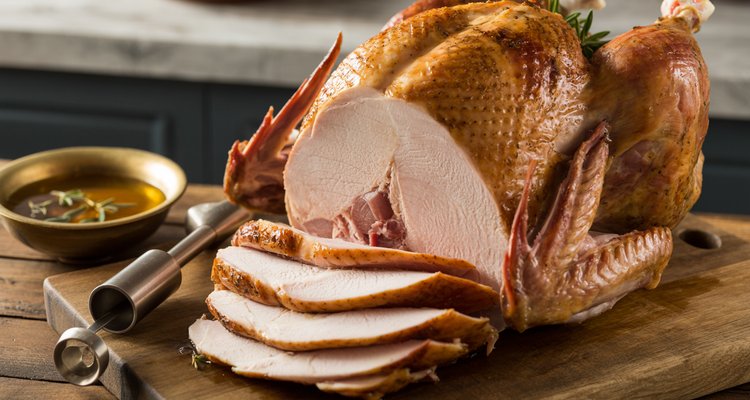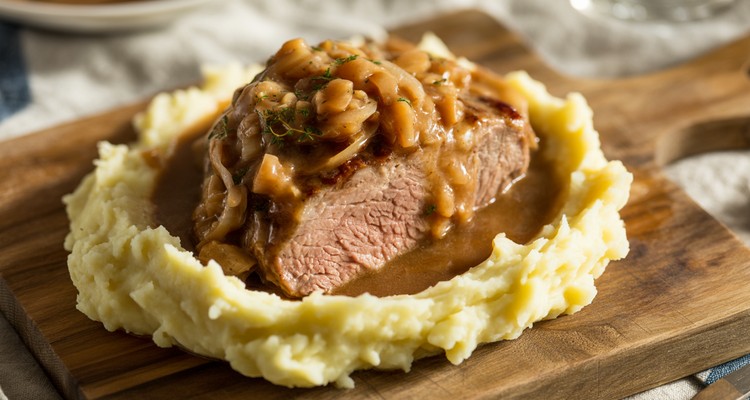
Smothered pork steak is Southern comfort food — pork shoulder steaks pan-seared until golden, then slow-braised in a rich, savory onion gravy until they’re fall-apart tender. The technique is straightforward, the ingredients are pantry staples, and the payoff is a deeply satisfying one-pan meal that reheats beautifully all week.
This smothered pork steak recipe walks you through every stage: choosing the right cut, building a flavorful fond, coaxing the gravy together, and slow-cooking to fork-tender. There’s also a BBQ twist for those who want to run the steaks through a smoker first for an extra layer of smoke flavor before finishing in cast iron.
Quick Summary
- Southern Comfort Classic — Smothered pork steak features pork shoulder steaks seared to a golden crust, then slow-braised in a rich, savory onion gravy until they are fall-apart tender. This one-pan meal is deeply satisfying and reheats well.
- Key to Tenderness — The recipe emphasizes using pork shoulder steaks, rich in fat and collagen, and braising them for 1-1.5 hours. This low-and-slow method converts collagen into gelatin, ensuring juicy, succulent meat.
- Flavor Building — Pan-searing the pork creates a flavorful fond in the skillet, which is then incorporated into the onion gravy. This technique, combined with caramelized onions, builds a complex depth of flavor.
- BBQ Variation — For an extra layer of flavor, the recipe includes an optional step to smoke or grill the pork steaks for 45-60 minutes before dredging and braising, infusing them with a delicious smoky essence.
Why This Smothered Pork Steak Recipe Works
Most smothered pork steak failures come down to one of two mistakes: using the wrong cut or not giving it enough time in the cooking liquid. This recipe fixes both. Pork shoulder steaks are loaded with fat and collagen — exactly what you need for this technique.
The low-and-slow simmer converts that collagen into silky gelatin, producing juicy, succulent meat surrounded by deeply savory onion gravy.
Pan searing the pork steaks before braising is the other non-negotiable. The Maillard reaction creates a golden crust and a layer of browned bits (the fond) stuck to the pan. When you build the sauce in that same skillet, every one of those browned bits dissolves into it, adding depth that’s impossible to get any other way.
What Are Smothered Pork Steaks?
“Smothered” is a classic Southern cooking technique where meat is seared in a heavy pan and then slowly simmered — braised — in a gravy or sauce until exceptionally tender. The meat is literally smothered by the gravy, which bastes it continuously during cooking. The result is meat that’s moist all the way through and a sauce that clings rather than pools.
Onions are the backbone of traditional smothered cooking. They caramelize during the initial cooking, releasing their natural sugars, then slowly break down into the simmering liquid to form the rich base of the gravy. It’s a humble technique with a remarkable payoff, perfect for tougher cuts that reward patience.
Helpful gear for this cook:
- Hotec stainless steel kitchen tongs — make turning and moving food easier
- Spice Guru BBQ rub set — gives you several BBQ seasoning options for the cook
- TempPro TP20 500FT Wireless Meat Thermometer with Dual Meat — helps verify doneness without guessing
Choosing the Right Cut of Pork
Selecting the right cut is the most critical step for achieving fork-tender smothered pork steaks. This section explains why pork shoulder steak, with its rich marbling and collagen, is the only choice for this recipe. We’ll also cover which common cuts to avoid to prevent a tough, disappointing result.
The Ideal Cut: Pork Shoulder Steak
Pork shoulder steak — cut from the Boston butt, the upper portion of the shoulder — is the ideal choice here. It comes from the same muscle used for pulled pork, which tells you everything about its fat and collagen content.
That marbling and connective tissue melts during the slow cook, keeping the meat moist and making the gravy richer as it cooks.
Cuts to Avoid for This Recipe
Lean cuts like pork loin chops are sometimes labeled “pork steak” at the grocery store, but they’re the wrong tool for this job. They lack the connective tissue that converts to gelatin, so they tend to turn dry and rubbery under prolonged heat.
Each pork shoulder steak should be about 3/4 to 1 inch thick for a proper sear without burning the exterior before the braise.
 Pro Tip: If you see “blade steak” or “Boston butt steak” at your butcher or grocery counter, that’s exactly what you want. These names all refer to pork shoulder steak. Don’t substitute pork loin — the result will disappoint.
Key Ingredients for Rich Flavor
This smothered pork steak recipe relies on a short, practical ingredient list where every item pulls its weight. The core flavor comes from well-seasoned pork shoulder steaks, caramelized onions, and a savory gravy built on beef broth and a touch of Worcestershire for umami depth.
For the Pork Steaks
- Pork shoulder steaks (3/4 to 1 inch thick)
- All-purpose flour — for dredging to create a crust and thicken the gravy
- Salt, black pepper, garlic powder, and smoked paprika — the core seasoning blend
- Cooking oil or bacon fat — bacon fat adds a subtle smoky undertone worth using if you have it
For the Onion Gravy
- Yellow or sweet onions — the foundation of the gravy; slice them thin for even cooking
- Beef broth — provides the savory, deep base the gravy needs
- Worcestershire sauce — adds umami depth and complexity
Optional Variations
For a Cajun or Creole variation, swap the paprika and garlic powder for your preferred Creole seasoning blend. A few sprigs of fresh thyme added to the liquid also complement the gravy well.
Step-by-Step: How to Make Smothered Pork Steaks
This recipe follows a simple four-step process for perfect results. First, season and dredge the pork to build a flavorful crust. Next, pan-sear the steaks to develop deep flavor, build a rich onion gravy in the same pan, and finally braise the steaks in the gravy until they are completely fork-tender.
Step 1: Season and Dredge the Pork
Start by patting the pork shoulder steaks completely dry with paper towels. Moisture on the surface of the meat creates steam, which prevents browning — this step is not optional. In a shallow dish, combine the flour, salt, pepper, garlic powder, and smoked paprika, then mix evenly.
Press each pork steak firmly into the seasoned flour, coating both sides. Shake off any excess so you have a thin, even coating rather than a thick crust. Too much flour will fall into the oil and burn before the meat browns.
Step 2: Pan-Searing for Maximum Flavor
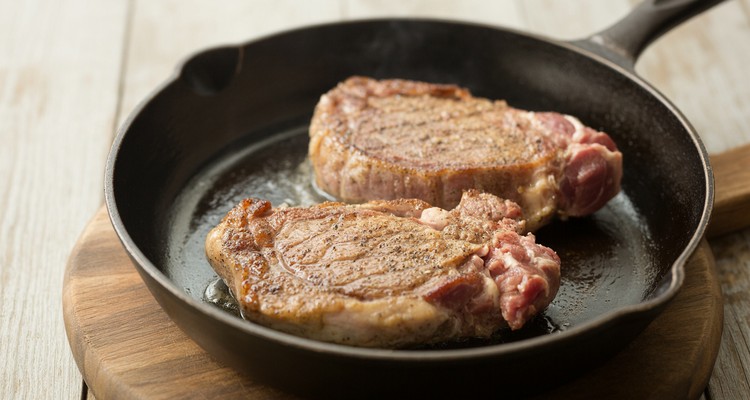
Heat oil or bacon fat in a large, heavy-bottomed skillet or Dutch oven over medium-high heat until shimmering (about 375°F). A cast-iron skillet is ideal — it holds heat evenly and builds a better fond. Carefully place the dredged pork steaks in the hot pan without overcrowding.
Work in batches if needed.
Sear for 3-4 minutes per side until a deep golden-brown crust forms. You’re building flavor here, not cooking the steaks through — they’ll finish in the liquid. Remove the seared steaks and set them aside on a plate while you build the gravy in the same pan.
Pitmaster Tip: Resist the urge to move the steaks during pan searing. Let them sit undisturbed until they release naturally from the pan — that’s when the crust has fully formed. Forcing them early tears the crust and costs you flavor.Step 3: Build the Savory Onion Gravy
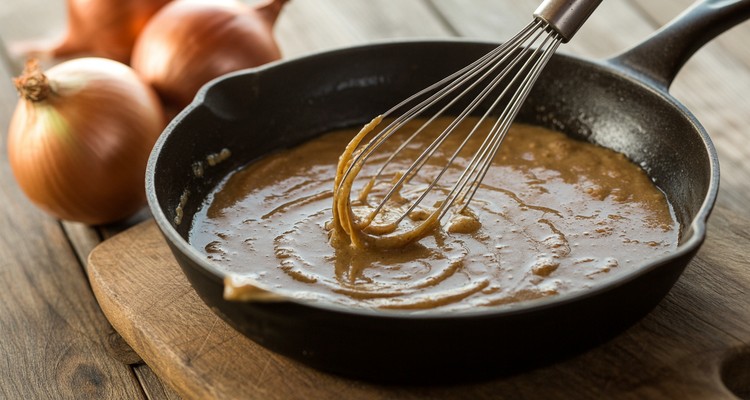
Reduce the heat to medium and add the thinly sliced onions to the same skillet, using the remaining fat from the pork. Cook them, stirring occasionally, for 8-10 minutes until they’re soft and lightly caramelized. Don’t rush this stage — patience here is what gives the onion gravy its depth.
Sprinkle any remaining seasoned flour over the softened onions and stir to combine. Cook for about 1 minute to eliminate the raw flour taste. This creates a simple roux that will thicken the gravy as it simmers.
Slowly whisk in the beef broth and Worcestershire sauce. As you pour, scrape the bottom of the pan vigorously to lift all the browned bits — that fond is concentrated flavor. Bring the mixture to a gentle simmer and cook until the gravy begins to thicken, about 3-5 minutes.
Step 4: Braise Until Fork-Tender
Return the seared pork shoulder steaks to the skillet, nestling them into the onion gravy so they’re mostly submerged. Reduce the heat to low, cover the skillet tightly, and let it simmer gently (around 190-200°F) for 1 to 1.5 hours.
Check every 30 minutes to make sure the liquid is at a gentle bubble, not a rolling boil.
The USDA recommends a minimum safe internal temperature of 145°F, followed by a three-minute rest, for pork steaks[USDA]. However, pork shoulder needs more time to become tender.
The collagen in the muscle doesn’t convert to gelatin until the internal temperature climbs to around 195-205°F. Slow, covered simmering is what gets you there without drying out the meat.
The pork is done when a fork slides into the thickest part with almost no resistance and the meat wants to pull apart at the grain. If it feels springy or tough, cover the pan and give it another 20-30 minutes.
The BBQ Twist: Smoker or Grill-First Variation
For a BBQ twist, start the pork steaks on a smoker or grill before finishing them in the skillet. This method infuses the meat with smoke flavor before the braising liquid seals it in, creating a depth you can’t achieve on the stovetop alone.
How to Smoke the Steaks First
Set up your cooker for indirect heat at 225-250°F. Season the pork shoulder steaks as described in Step 1 but skip the flour dredge for now — you’ll dredge after smoking. Hickory and apple wood are both excellent choices for pork; pecan also works well for a milder smoke profile.
Smoke the steaks for 45-60 minutes until they have good smoke color and a bark begins to form. Pull them off, dredge lightly in seasoned flour, and proceed to building the onion gravy. Add the smoked steaks to the gravy and braise as directed; the smoke flavor will complement the rich gravy.
Grill-Based Smoking Method
Pro Tip: If using a grill instead of a dedicated smoker, set up a two-zone fire and add a handful of wood chips in a foil pouch directly over the coals or burner. This gives you enough smoke exposure in 45 minutes to make a meaningful difference in flavor.Troubleshooting Your Smothered Pork Steaks
Even with the right cut and technique, issues like tough pork or thin gravy can happen. This guide addresses the most common problems, explaining their likely causes and providing simple, effective fixes to get your smothered pork steak recipe back on track without starting over.
| Issue | Cause | Fix |
|---|---|---|
| Pork is tough and chewy | Wrong cut, or not braised long enough | Continue simmering on very low heat. Check every 20-30 min. Shoulder steak needs time — collagen breakdown can’t be rushed. |
| Gravy is too thin | Too little flour or excess liquid | Mix 1 tbsp cornstarch with 2 tbsp cold water. Whisk into simmering gravy and stir until thickened. |
| Gravy is too thick | Too much flour or liquid reduced too far | Whisk in beef broth a splash at a time until the gravy reaches your preferred consistency. |
| Pork didn’t brown — steamed instead | Surface was wet or pan was overcrowded | Pat meat completely dry next time. Sear in batches — one layer only, no touching. |
| Bottom of pan burned | Heat too high during sear or braise | Scrape thoroughly when adding broth. If gravy tastes bitter, transfer pork and gravy to a clean pot, leaving burnt bits behind. |
Serving and Storing Leftovers
Smothered pork steak is just as good the next day, if not better, thanks to its rich gravy. Here’s how to serve it for the best experience, including classic side pairings. We also cover the proper way to store and reheat leftovers to maintain their fork-tender texture and deep flavor.
Best Sides for Smothered Pork Steak
Smothered pork steak is traditionally served over a starchy base that soaks up the rich gravy — creamy mashed potatoes, white rice, or stone-ground grits all work perfectly. Collard greens, green beans, or a simple side salad round out the plate for a complete Southern-style meal.
Storing and Reheating Instructions
Leftovers store exceptionally well. Allow everything to cool completely, then transfer to an airtight container and refrigerate for up to 3-4 days[USDA]. The onion gravy continues to meld and improve overnight, making this an ideal make-ahead recipe for weeknight meals.
To reheat, place the pork and gravy in a covered skillet over low heat, adding a splash of beef broth if the gravy has thickened too much. Reheat gently until the pork and gravy reach an internal temperature of 165°F[USDA]. A gentle approach prevents the meat from toughening.
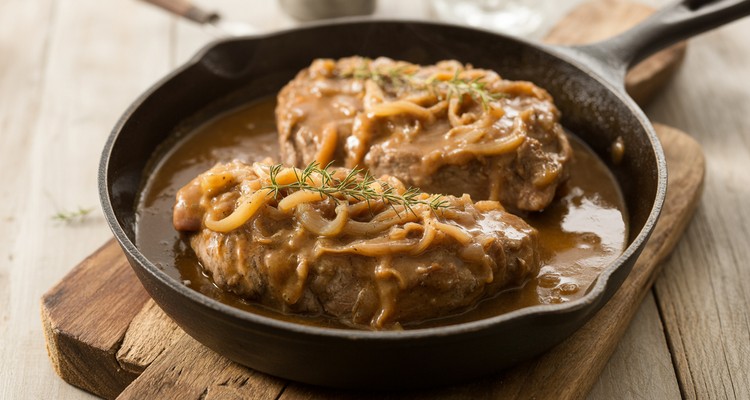
Mastering the sear and the slow simmer ensures juicy meat and a flavorful sauce that will have everyone asking for seconds.
This smothered pork steak recipe delivers a deeply satisfying, fork-tender meal by focusing on the right cut of pork and a patient braising technique. The rich, savory onion gravy, built from caramelized onions and pan drippings, transforms humble pork shoulder steaks into a comforting classic perfect for any weeknight or special occasion.
Frequently Asked Questions
How do you make smothered pork steaks tender?
The key is the right cut combined with low-and-slow braising. Start with pork shoulder steaks, which are rich in collagen. After pan searing for flavor, simmer them in the onion gravy on very low heat for at least 1 to 1.5 hours.
That extended time allows the collagen to convert to gelatin, producing moist, fork-tender meat. Rushing the braise is the number one cause of tough smothered pork steak.
What is the recommended cut of pork for pork steak?
Pork shoulder steak — also sold as Boston butt steak or blade steak — is the ideal choice for smothered pork steak. The shoulder has enough fat marbling and connective tissue to stay moist throughout the slow-cooking process.
Leaner cuts like pork loin chops lack that connective tissue and tend to dry out under prolonged heat, making them a poor fit for this recipe.
Can smothered pork steak be made on a grill or smoker?
Yes — and it’s worth doing. Season the pork shoulder steaks and smoke them at 225-250°F for 45-60 minutes using hickory, apple, or pecan wood to build a smoke crust. Then dredge in seasoned flour and proceed with building the onion gravy and simmering in a cast-iron skillet or Dutch oven on a side burner or stovetop.
The smoke flavor carries through beautifully.
How long should pork steak simmer in gravy to become tender?
Plan for 1 to 1.5 hours of covered simmering on low heat for pork shoulder steaks cut 3/4 to 1 inch thick. The internal temperature needs to climb well above the USDA safe minimum of 145°F — around 195-205°F is where the collagen fully breaks down and the meat becomes fully yielding.
Check for doneness with a fork rather than a thermometer at this stage; the meat should yield with very little resistance.
Why are my pork steaks tough and chewy?
Tough pork steaks usually come down to one of two issues. If you used a lean cut like pork loin, the cut itself is the problem — it lacks the collagen necessary for braising. If you used pork shoulder steak, the meat simply needs more time.
Cover the skillet and continue simmering on low for another 20-30 minutes, checking each time. Toughness after the correct braising time is always a sign of undercooking, not overcooking.
What seasonings are used for a Southern-style smothered pork steak?
The classic approach uses salt, black pepper, garlic powder, and smoked paprika — a simple blend that lets the pork and gravy carry the flavor. For a Cajun or Creole variation, substitute your preferred Creole seasoning for the garlic powder and paprika, adjusting salt accordingly since most blends are already salty.
A bay leaf and a few sprigs of fresh thyme added to the simmering liquid add another layer of herbaceous depth.
Can I make smothered pork steak in a slow cooker?
Yes. Complete the first three steps on the stovetop — dredge, sear, and build the onion gravy — then transfer the seared pork steaks and gravy to your slow cooker. Cook on low for 4-6 hours or on high for 2-3 hours, until the pork is completely fork-tender.
The stovetop sear and gravy-building steps are still important even for slow cooker versions; skipping them produces a noticeably less flavorful result.
Can smothered pork steak be made in the oven?
Absolutely. After pan searing and building the onion gravy, transfer the oven-safe skillet or Dutch oven to a 300°F oven with the lid on. Braise for 1.5 to 2 hours, checking once at the halfway point to make sure the liquid level is adequate.
The enclosed oven heat surrounds the pan evenly and tends to produce very consistent results with minimal monitoring compared to stovetop braising.
Smothered Pork Steak
Equipment
- Cast iron skillet or Dutch oven
- Meat thermometer
- Tongs
- Whisk
Ingredients
Pork
- 2 lbs pork shoulder steaks, about 3/4 to 1 inch thick (2-4 steaks) also sold as blade steak or Boston butt steak
- 1 tsp salt
- 1/2 tsp black pepper
- 1 tsp garlic powder
- 1 tsp smoked paprika
- 1/3 cup all-purpose flour for dredging; extra reserved for gravy
- 2 tbsp cooking oil or bacon fat bacon fat adds a subtle smoky undertone
Onion Gravy
- 2 large yellow or sweet onions, thinly sliced
- 2 cups beef broth plus extra for adjusting consistency
- 1 tbsp Worcestershire sauce
Instructions
- Season and Dredge the Pork
- Pat the pork shoulder steaks completely dry with paper towels. Moisture on the surface creates steam and prevents browning.
- In a shallow dish, combine the flour, salt, pepper, garlic powder, and smoked paprika. Mix evenly.
- Press each pork steak firmly into the seasoned flour, coating both sides. Shake off any excess so you have a thin, even coating.
- Pan-Sear for Maximum Flavor
- Heat oil or bacon fat in a large cast-iron skillet or Dutch oven over medium-high heat until shimmering, about 375 degrees F.
- Carefully place the dredged pork steaks in the hot pan without overcrowding. Work in batches if needed.
- Sear for 3-4 minutes per side until a deep golden-brown crust forms. Do not move the steaks until they release naturally from the pan.
- Remove the seared steaks and set aside on a plate. Do not wipe the pan.
- Build the Onion Gravy
- Reduce heat to medium. Add the thinly sliced onions to the same skillet, cooking in the remaining fat from the pork.
- Cook the onions, stirring occasionally, for 8-10 minutes until soft and lightly caramelized. Do not rush this stage.
- Sprinkle 1-2 tablespoons of the reserved seasoned flour over the softened onions and stir to combine. Cook for 1 minute to eliminate the raw flour taste.
- Slowly whisk in the beef broth and Worcestershire sauce. Scrape the bottom of the pan vigorously to lift all the browned bits (the fond). Bring to a gentle simmer and cook until the gravy begins to thicken, about 3-5 minutes.
- Braise Until Fork-Tender
- Return the seared pork shoulder steaks to the skillet, nestling them into the onion gravy so they are mostly submerged.
- Reduce heat to low, cover tightly, and simmer gently at around 190-200 degrees F for 1 to 1.5 hours.
- Check every 30 minutes to ensure the liquid is at a gentle bubble, not a rolling boil. Add a splash of beef broth if the liquid reduces too much.
- The pork is done when a fork slides into the thickest part with almost no resistance and the meat pulls apart at the grain. Internal temperature should reach 195-205 degrees F for full collagen breakdown. If still tough, cover and simmer another 20-30 minutes.
- Serve over creamy mashed potatoes, white rice, or stone-ground grits.
Notes