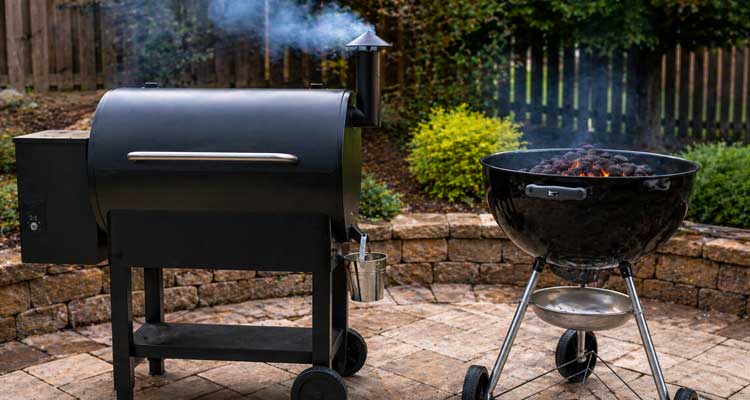
The pellet grill vs charcoal grill debate is the ultimate showdown in backyard BBQ. Both cookers can produce outstanding results, but they take very different roads to get there. This guide breaks down flavor profiles, convenience, health considerations, and long-term value so you can choose the grill that fits your cooking style.
Whether you want to run hands-off overnight smokes or chase the intense sear marks that define classic BBQ, the right answer comes down to your priorities. Read on to find out exactly which cooker belongs on your patio.
Helpful gear for this guide:
- Pellet smoke boost: 3 BUZZLETT pellet smoker tray adds longer smoke sessions to pellet, gas, charcoal, or electric cookers.
- Charcoal smoker option: GREEN PARTY offset smoker charcoal grill shows the hands-on charcoal and offset style discussed in the comparison.
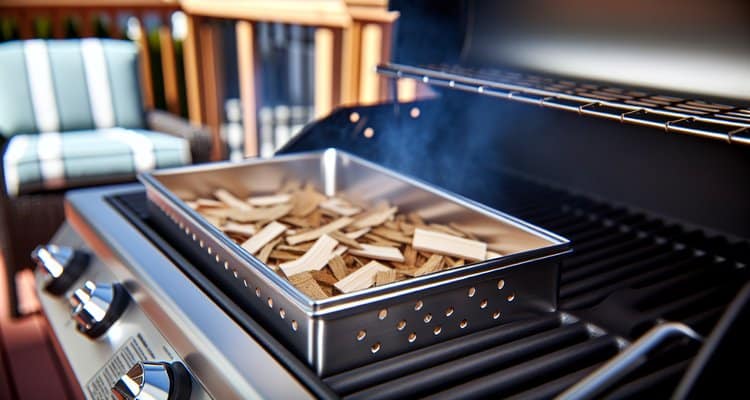
- Gas or charcoal smoke kit: Cooking Gift Set smoker box grill kit lets grill owners experiment with wood chips before buying a dedicated smoker.
Quick Summary
- Flavor Profile — Pellet grills offer a subtle, clean wood smoke, ideal for long cooks where flavor builds gradually. Charcoal grills deliver an intense, robust smoke for classic BBQ taste.
- Convenience & Control — Pellet grills are “set it and forget it” with digital temperature control, often with Wi-Fi. Charcoal grills require hands-on fire management, adjusting vents and adding fuel, which many pitmasters consider part of the craft.
- Versatility & Searing — Pellet grills excel at smoking, baking, and roasting but typically limit high-heat searing. Charcoal grills reach much higher temperatures (700°F+) for superior searing and two-zone cooking.
- Health & Safety — Both are safe when used correctly. Pellet grills’ lower, indirect heat may reduce HCA/PAH formation compared to high-heat charcoal, especially with flare-ups. Trimming fat and avoiding charring are key for both.
Understanding the Basics
What is a Pellet Grill?
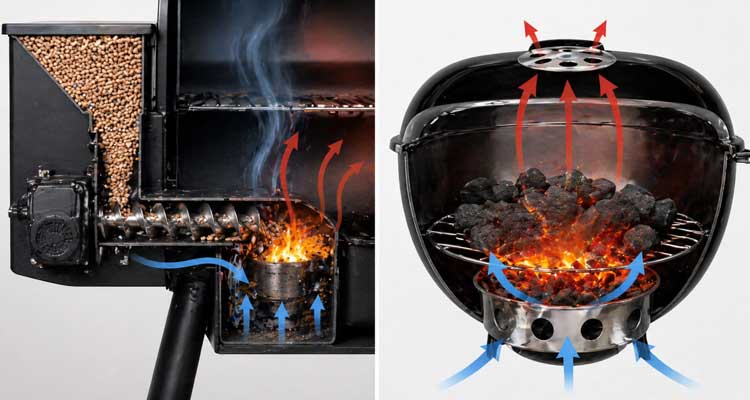
A pellet grill is an automated outdoor cooker that burns compressed hardwood pellets as both its fuel and its flavor source. Wood pellets are stored in a hopper, where a motorized auger feeds them into a firepot at a controlled rate.
An ignition rod lights the pellets on demand. A digital or PID controller then reads the internal temperature and adjusts the auger speed to maintain your target precisely.
This automation makes the pellet grill function like an outdoor oven, keeping temperatures steady without constant attention.
 Pitmaster Tip: Always store your wood pellets in an airtight container. Moisture absorption causes pellets to swell, which can jam the auger and interrupt your cook at the worst possible moment.
What is a Charcoal Grill?
A charcoal grill uses radiant heat from burning lump charcoal or briquettes to cook food. Temperature is managed entirely by controlling airflow through lower intake vents and upper exhaust dampers. Open them up and the fire roars; close them down and the heat drops.
This hands-on approach is the foundation of authentic, traditional BBQ. Charcoal grilling rewards patience and practice, and many pitmasters consider the fire management itself to be part of the craft. No electricity is required, making charcoal the more portable option of the two.
Pellet Grill vs Charcoal Grill: Head-to-Head Comparison
Flavor Profile and Smoke Quality
Pellet grills produce a subtle, clean, wood-fired flavor that complements the natural taste of the meat without overpowering it. That gentle smoke profile is ideal for long cooks like brisket and ribs, where you want layers of flavor to build gradually over many hours, often 8-12 hours for a pork butt.
The intense, robust smoke that rolls off burning lump charcoal or briquettes creates the classic BBQ taste that generations of grillers have chased. If your recipes call for serious smoke character, charcoal is hard to beat.
Temperature Control and Convenience
The pellet grill’s biggest selling point is its “set it and forget it” convenience. You dial in a temperature, typically between 225°F and 275°F for smoking, and the digital controller does the rest. Many models add Wi-Fi connectivity so you can monitor your cook from your phone.
Charcoal demands active participation. You manage the fire by adjusting vents, adding fuel, and reading the behavior of the coals. That learning curve is real, but it also builds skills and intuition that make you a better overall grill cook.
Note that charcoal needs no electrical outlet, a genuine advantage when cooking off-grid or at a campsite.
Pro Tip: New to charcoal? Use a chimney starter instead of lighter fluid. It lights coals in about 15-20 minutes, costs nothing extra, and keeps chemical flavors away from your food.Versatility and Searing Capability
Pellet grills excel at smoking, baking, roasting, and even braising. Their indirect cooking environment is forgiving and consistent. However, most pellet grills top out around 500°F, which limits their ability to produce the hard, dark crust that steak lovers crave.
Some models include a slide-and-sear feature that exposes the firepot for direct flame contact, closing this gap. Charcoal has no ceiling on radiant heat. A fully loaded kettle or kamado can reach temperatures well above 700°F, making it the superior tool for two-zone cooking and high-heat searing.
You can even drop a cast-iron griddle over the coals for smash burgers or a full breakfast spread – versatility that extends well beyond traditional grill territory.
Maintenance and Fuel Consumption
Pellet grills require routine maintenance beyond the typical grate scrape. Ash accumulates in the firepot and grease collects in the drip tray, so regular vacuuming and cleaning are necessary to prevent auger jams and grease fires. Pellets must also be stored dry – absorbed moisture causes them to crumble and lose their burn efficiency.
Charcoal maintenance is straightforward: discard ash, brush the grates, and you are ready for the next cook. Charcoal is also more forgiving in humid climates. A bag of lump or briquettes stored in a shed will survive a rainy week far better than a bag of exposed wood pellets will.
Health and Safety Considerations
When it comes to health, the debate isn’t about the fuel but the cooking method. Both pellet and charcoal grills are safe when used correctly, but understanding how heat affects food is key to minimizing risks.
Both grill types can produce heterocyclic amines (HCAs) and polycyclic aromatic hydrocarbons (PAHs) when proteins are exposed to extreme heat. These compounds have been linked to health concerns in laboratory research.[USDA]
The key variable is temperature and cook style, not the fuel source alone. Pellet grills typically operate at lower, indirect temperatures, which reduces the formation of these compounds compared to direct, high-heat methods.
Charcoal cooking at very high heat, especially when fat drips directly onto hot coals and causes flare-ups, creates conditions where these compounds form more readily. Flare-ups are less common on pellet grills because a heat deflector plate separates the food from the flame. On charcoal, fat dripping onto live coals can ignite quickly.
Keeping a spray bottle of water nearby and using two-zone cooking — where one side of the grill has no coals — is an effective way to manage this risk.
Pitmaster Tip: Regardless of which grill you use, trimming excess surface fat before cooking and avoiding charring meat until it turns completely black are two of the simplest ways to reduce unwanted compounds in your food.Value Positioning and Long-Term Costs
Your initial investment is just one part of the total cost of ownership. Factoring in fuel expenses and long-term durability gives a clearer picture of the overall value each grill type offers over its lifetime.
Pellet grills carry a higher initial investment than charcoal grills. Their electronic controllers, motorized auger systems, and other components add manufacturing costs that entry-level charcoal options do not have.
Charcoal grills offer a much lower barrier to entry, with reliable options available at almost any budget level. However, fuel costs shift the picture over time.
Wood pellets typically burn at 1-3 lbs per hour, depending on the cook temperature and ambient weather. A full season of long smokes can add up compared to a few bags of charcoal.
That said, pellet fuel costs are predictable and consistent, which has real value when planning for a busy BBQ schedule. A well-made charcoal kettle or kamado can last decades with minimal maintenance. Pellet grills involve electronic components and mechanical parts that may eventually need replacement.
Top Grill Recommendations
Best Pellet Grills for Convenience
Top-rated pellet grills share common strengths: generous hopper capacity for extended cooks, reliable PID controllers that hold temperatures within a few degrees, and Wi-Fi connectivity.
Build quality varies widely across the market. Look for heavy-gauge steel construction and well-sealed lids to retain heat and smoke efficiently.
For hands-off overnight smoking of brisket or pork shoulder, a pellet grill with a 20+ lb hopper is worth prioritizing. Reviewers often cite consistent temperature performance and ease of use as key benefits of specific pellet smoker models.
Best Charcoal Grills for Traditional BBQ
The Weber kettle remains one of the most-reviewed and most-trusted charcoal grills in the world, and for good reason. Its simple design, durable porcelain-coated bowl, and precise vent control system give cooks everything they need to smoke, roast, and sear at a very accessible investment level.
Accessories like rotisserie rings and charcoal baskets extend its already-impressive versatility. Kamado-style grills take charcoal performance to another level. Their thick ceramic walls retain and radiate heat with exceptional efficiency, allowing precise temperature control across a wide range.
This includes low-and-slow smoking around 225°F to blistering pizza-oven temperatures over 750°F. The trade-off is significant weight, which limits portability but rewards those who cook in a permanent backyard setup.
Pellet Grill vs Charcoal Grill Comparison
| Category | Pellet Grill | Charcoal Grill |
|---|---|---|
| Flavor Intensity | Subtle, clean wood smoke | Intense, bold, traditional |
| Convenience | Set it and forget it | Hands-on fire management |
| Searing Ability | Limited (slide-and-sear helps) | Excellent high-heat sear |
| Maintenance | Auger cleaning, pellet storage | Ash disposal, grate scraping |
| Overall Value | Higher upfront, predictable fuel | Low entry cost, durable |
Buying Advice: Which Grill is Right for You?
If you prioritize convenience and love the idea of setting a temperature and walking away, a pellet grill is your match. It handles low-and-slow BBQ and long overnight smokes with minimal effort, making it easy to replicate your favorite recipes consistently without babysitting the fire. Wi-Fi-enabled models let you monitor internal temperatures from inside the house.
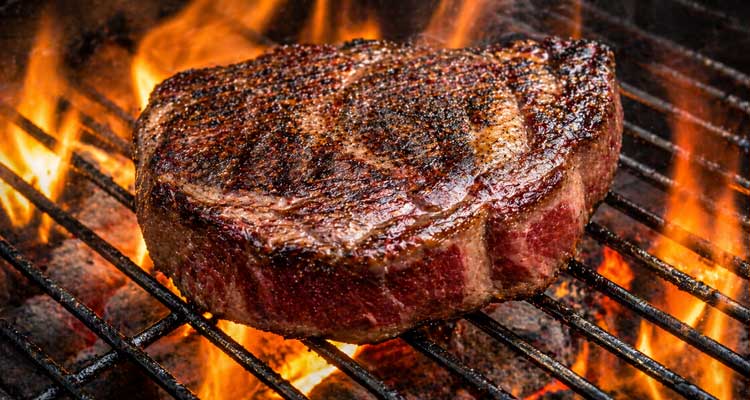
If you want maximum searing power, prefer cooking without electricity, or simply enjoy the ritual of building and tending a fire, charcoal is the clear choice. A quality kettle or kamado will deliver a depth of flavor and a crust on your steaks that a standard pellet grill cannot match.
Pro Tip: Many serious BBQ cooks own both. A charcoal grill handles weeknight steaks and burgers, while a pellet smoker takes on the weekend long cooks. Together they cover every scenario with no compromise.The Three-Way Debate: Pellet vs Gas vs Charcoal
Still on the fence? It helps to consider where gas grills fit into the picture. A gas grill excels at weeknight speed – turn the knob, hit the igniter, and you are cooking in five minutes.
It offers predictable heat with no mess, which makes it the most convenient option for everyday grilling. Where gas falls short is flavor. Pellet and charcoal grills both produce real wood smoke, and that difference is immediately apparent in the finished food.
If flavor is your primary goal, gas is the option you leave off the shortlist. Pellet and charcoal then compete on your preference for automation versus hands-on fire craft.
Frequently Asked Questions
Is a charcoal grill better than a pellet grill?
Neither is objectively better – it depends entirely on what matters most to you as a cook. Charcoal wins on flavor intensity and searing capability. Pellet grills win on convenience, consistency, and ease of use.
The best grill is the one that matches your cooking habits and lifestyle.
What are the cons and downsides of pellet grills?
Pellet grills require an electrical outlet, which limits where you can use them. Their maximum temperatures are generally lower than charcoal, making high-heat searing a challenge on standard models. They also contain electronic components and mechanical parts – the auger, fan, and controller – that can fail and require repair or replacement over time.
How long will 30 lbs of pellets last in a smoker?
A pellet smoker typically burns 1-3 lbs of pellets per hour. Burn rate depends on the set temperature, the ambient weather conditions, and how well-sealed your grill is. At average consumption, 30 lbs of pellets will yield roughly 10-30 hours of cook time – enough for several brisket or pork shoulder sessions before you need to restock.
Helpful products for this guide:
- Hotec stainless steel kitchen tongs — make turning and moving food easier
- TrendPlain oil sprayer — helps apply a light, even coat before grilling
- ThermoMaven bristle-free grill brush — cleans grill grates without wire bristles
Which grilling method is healthiest?
Indirect, lower-temperature cooking – which is what pellet grills do most of the time – tends to produce fewer HCAs and PAHs than direct, high-heat grilling over open flames. That said, both methods are healthful when you avoid charring food heavily and trim excess surface fat before cooking.
Diet variety and overall eating patterns matter far more than which grill you cook on.
Do pellet grills give food a smoky flavor?
Yes, but the smoke is milder and cleaner than what charcoal produces. Many BBQ enthusiasts appreciate this subtlety because it lets the natural flavor of the meat shine through. If you want a more aggressive smoke profile from a pellet grill, cook at lower temperatures – below 225°F – where the pellets smolder and produce more smoke output.
Can you sear on a pellet grill?
You can sear on a pellet grill, but results vary by model. Standard pellet grills cap out around 500°F, which produces a decent crust but not the deep Maillard browning that a charcoal fire achieves at 600°F or higher.
Models equipped with a slide-and-sear or direct flame access feature close this gap considerably by exposing food to the direct heat of the firepot.
Are pellet grills worth it for a beginner?
Pellet grills are arguably the most beginner-friendly outdoor cooker available. The digital controller removes the guesswork from temperature management, allowing new cooks to focus on seasoning, timing, and wood flavor selection instead of fire maintenance. If you want to learn low-and-slow BBQ without a steep learning curve, a pellet grill is an excellent starting point.
Where can I find reliable BBQ guidance?
Online BBQ communities and dedicated resources are invaluable for sharpening your skills. Sites like BBQ Report and Smoked BBQ Source publish detailed reviews, technique guides, and side-by-side grill comparisons that help you make informed decisions. Reading hands-on reviews from experienced pitmasters is one of the fastest ways to learn what actually works in the real world.
How do I choose between lump charcoal and briquettes?
Lump charcoal lights faster, burns hotter, and leaves less ash than briquettes. It is the preferred choice when you need maximum searing heat or want a cleaner flavor. Briquettes burn longer and and more consistently, making them a better option for extended low-and-slow cooks where maintaining a steady temperature matters more than peak heat output.
Can you use a pellet grill in cold weather?
Yes, but cold temperatures and wind increase pellet consumption significantly as the grill works harder to maintain its set temperature. An insulated blanket designed for your specific grill model can reduce fuel burn by 20-30% in cold conditions. Always use fresh, dry pellets in winter – moisture absorption is more problematic when ambient humidity is high.
Take Home Message
The pellet grill vs charcoal grill debate does not have a single correct answer – it has the right answer for you. If you value automation, consistency, and effortless low-and-slow BBQ, a pellet grill will transform your outdoor cooking.
If you crave intense smoke flavor, high-heat searing, and the satisfaction of mastering fire, charcoal is the more rewarding tool. Many dedicated BBQ cooks eventually land on owning one of each, letting each grill do what it does best.
Start by being honest about how you actually cook day to day – the frequency of your cooks, the recipes you return to, and whether you enjoy tending a fire or prefer to walk away. That honest self-assessment will point you to the right cooker every time.