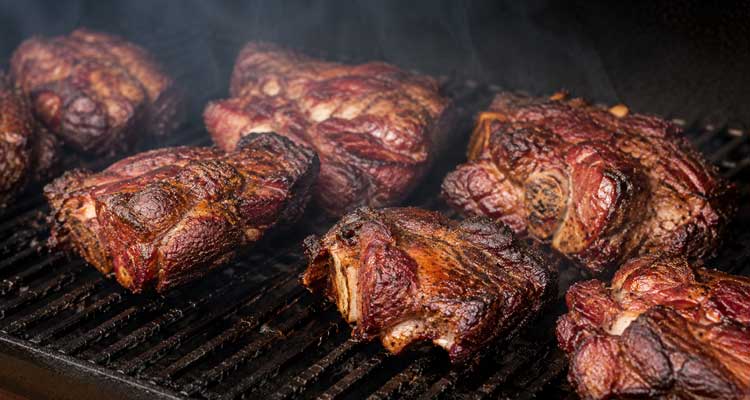
Smoked pork neck bones are a foundational element of classic soul food and rustic country cooking. These collagen-rich cuts absorb smoke beautifully and transform into fall-off-the-bone tender meat. They add a deep, savory flavor to everything they touch — from collard greens to pinto beans to homemade stock.
This guide covers the complete process for making smoked pork neck bones using a low and slow method at 225-250°F. You will learn how to select the meatiest bones, build a simple and effective rub, manage your smoker for perfect results, and use the finished product in classic dishes.
Quick Summary
- Economical & Flavorful — Pork neck bones are a budget-friendly cut rich in collagen, transforming into incredibly tender and savory meat when smoked low and slow. They are a versatile base for many comfort food dishes, offering deep flavor far exceeding their cost.
- Low & Slow Smoking — Achieve fall-off-the-bone tenderness by smoking at 225-250°F for 2-3 hours, targeting an internal temperature of 195-205°F. This process breaks down tough connective tissues into gelatin, ensuring a moist and unctuous result.
- Versatile Culinary Use — Smoked neck bones are perfect for enriching collard greens, pinto beans, and various soups and stews. They also make an excellent base for rich pork stock or can be enjoyed on their own as a rustic, flavorful appetizer.
What Are Pork Neck Bones?
Pork neck bones are cut from the cervical spine area of the pig, located between the shoulder and the head. They contain a mix of bone, meat, fat, and connective tissue rich in collagen. When cooked low and slow, that collagen breaks down into gelatin, creating tender meat and a deeply savory base for soups, stews, and braised greens.
More Than Just Bones
Despite the name, pork neck bones carry a moderate amount of meat between and around the vertebrae. The flavor is rich and porky, intensifying significantly when smoked with a classic wood like hickory or apple. They are an economical cut that delivers a flavor payoff far exceeding their price point.
Their high collagen content makes them ideal for slow cooking methods. Smoking, braising, and simmering all work well because the long cook time is exactly what these bones need to reach their full potential. This process is key to achieving the signature tenderness associated with this cut.
 Quick Facts: Pork neck bones are an economical, collagen-rich cut that becomes incredibly tender and flavorful when smoked low and slow, making them a versatile base for many comfort food dishes.
How to Select Pork Neck Bones
Choosing the right pork neck bones is the first step to a successful dish. Look for meaty pieces with a good ratio of meat to bone. The meat should be a fresh pinkish-red color with white fat.
Avoid packages with a sour smell or excessive liquid, which indicate poor quality or age.
When you’re at the store, take a moment to inspect the packages. Excellent smoked pork neck bones start with high-quality raw ingredients. A little attention to detail here makes a big difference in the final product.
What to Look For at the Butcher Counter
- Meat-to-Bone Ratio: Prioritize packages with the meatiest bones. More meat means more to eat after smoking and more flavor to infuse into your dishes. Look for thick sections of meat between the bone segments.
- Color and Freshness: The meat should be a vibrant pink or reddish-pink with no gray or brown discoloration. The fat should be creamy white and firm, not yellowed or soft.
- Packaging: Check that the packaging is sealed tightly, clean, and well within its sell-by date. Avoid any packages that are leaking or appear puffy.
- Ask Your Butcher: If you have a local butcher, don’t hesitate to ask for their recommendation. They can often select ideal cuts for you or even provide custom cuts if you need a specific amount.
Fresh vs. Pre-Smoked
This recipe is for fresh, raw pork neck bones that you smoke yourself from scratch. Some stores sell pre-smoked neck bones that are already cooked and just need to be heated through in your dish. These are often found near the smoked ham hocks.
Pre-smoked bones are a convenient shortcut, but they offer less control over smoke flavor, salt level, and seasoning. Smoking your own produces a noticeably deeper, more complex result tailored to your exact preferences.
Essential Equipment and Ingredients
You don’t need much specialized gear for this recipe. A reliable smoker, some quality wood for flavor, and a few basic kitchen tools are all it takes to get started. The ingredient list is straightforward, focusing on a classic rub that enhances the natural flavor of the pork.
Equipment List
- Smoker: Any type of smoker will work, including a pellet grill, offset smoker, kettle grill, or electric smoker. The key is maintaining a steady temperature.
- Wood for Smoking: Hickory or apple wood chunks, chips, or pellets are recommended for their classic pairing with pork.
- Instant-Read Digital Meat Thermometer: Crucial for accurately checking the internal temperature to ensure perfect tenderness.
A few tools for this low and slow smoke:
- ThermoMaven Smart Bluetooth Wireless Meat Thermometer — monitor neck bone temps remotely without opening the smoker
- MEATER Plus Bluetooth Wireless Meat Thermometer — wireless probe tracks internal temp across a 2-3 hour cook
- ThermoPro TP20 Wireless Meat Thermometer with Dual Probe — dual probe monitors both meat and ambient smoker temperature
- Bryco Goods Pink Butcher Paper Roll — wrap smoked neck bones to retain heat and moisture during rest
- Large Bowl: For seasoning the neck bones evenly.
- Tongs: For safely handling the hot bones on and off the smoker.
- Water Pan: An aluminum foil pan filled with water helps maintain a humid environment inside the smoker.
Ingredients for the Rub and Smoke
This simple rub provides a classic barbecue flavor profile that complements the pork without overpowering it. The mustard binder is a traditional technique that helps the seasoning adhere to the meat.
- 3-4 lbs pork neck bones
- 2 tbsp yellow mustard or olive oil (as a binder)
- 3 tbsp kosher salt
- 2 tbsp coarse black pepper
- 2 tbsp smoked paprika
- 1 tbsp garlic powder
How to Smoke Pork Neck Bones (Step-by-Step)
Season the neck bones with a simple four-ingredient rub, set up your smoker for indirect cooking at 225-250°F with hickory or apple wood, and smoke for 2-3 hours. The target internal temperature for fall-off-the-bone tenderness is 195-205°F, which is well above the food safety minimum.
Step 1: Prep and Season the Neck Bones
Rinse the pork neck bones under cold water and pat them completely dry with paper towels. A dry surface is essential for the binder and rub to stick properly and helps in forming a good bark.
Place the dry bones in a large bowl and coat them with a thin layer of yellow mustard or olive oil. This acts as a binder that helps the rub adhere evenly. In a separate small bowl, combine the kosher salt, black pepper, smoked paprika, and garlic powder.
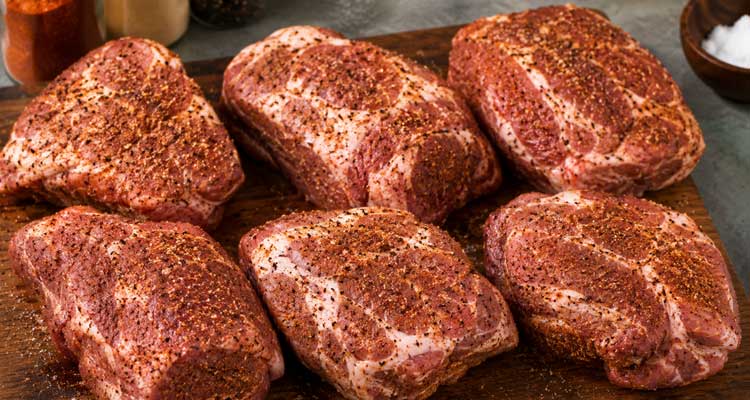
Sprinkle the rub generously over all sides of the neck bones, ensuring full coverage.
Let the seasoned bones rest at room temperature for 30-60 minutes while you set up the smoker. This allows the salt to begin penetrating the meat, a process known as dry brining.
 Pro Tip: Brining is optional for pork neck bones. Their high collagen and fat content keeps them naturally moist during the smoke. A generous rub provides all the seasoning you need without the extra overnight step.
Step 2: Set Up Your Smoker
Preheat your smoker to a target temperature of 225-250°F. This can take 15-30 minutes depending on the model and ambient weather. Add your chosen wood to produce a steady stream of thin, blue smoke.
Place a water pan inside to maintain humidity, which is key for moist meat.
Adapting the setup for your specific smoker type is straightforward:
- Pellet Grills: Fill the hopper with hickory or apple pellets. Set the controller to 225°F. For an extra boost of smoke, consider using a smoke tube filled with pellets placed on the grates.
- Offset Smokers: Build a small, clean-burning fire in the firebox using charcoal as a base and adding a wood split every 45-60 minutes. Manage the vents to stabilize the temperature in the main cooking chamber.
- Kettle Grills: Use the snake method or charcoal baskets to set up a two-zone fire for indirect heat. Place wood chunks on top of the hot coals to generate smoke.
- Electric & Propane Smokers: Fill the water pan and add wood chips to the designated tray. Set the thermostat to 225°F and allow it to preheat fully before adding the meat.
Step 3: Smoke Low and Slow
Place the seasoned neck bones directly on the smoker grates, leaving at least an inch of space between them for smoke to circulate evenly. Close the lid and let them smoke undisturbed for the first 90 minutes. This initial period is crucial for setting the bark and absorbing smoke flavor.
After the first 90 minutes, you can spritz the bones with apple cider vinegar or water every 30-45 minutes if you want, but it is not essential. The high collagen content in neck bones keeps the meat moist without much intervention. The main goal of the low and slow process is to gently render the connective tissues.
Step 4: Check for Doneness
Pork is considered safe to eat by the USDA when it reaches an internal temperature of 145°F[USDA]. However, for tough cuts like neck bones, this temperature is only a safety milestone. True tenderness is achieved much higher.
The target internal temperature for fall-off-the-bone smoked pork neck bones is 195-205°F. In this range, the tough collagen and connective tissue have fully converted to rich, unctuous gelatin. Cooking only to 145°F would result in meat that is safe but unpleasantly tough and chewy.
Use an instant-read thermometer to check the thickest part of the meat, being careful to avoid contact with the bone. The meat should have a dark, mahogany-colored bark and should pull away from the bone with very little effort when done.
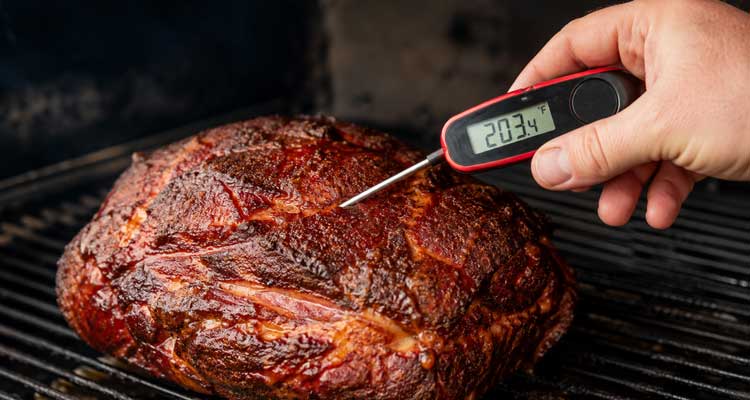
Pitmaster Tip: The probe test works well for neck bones. Slide a thermometer probe or a toothpick into the meat between the bones. When it goes in with zero resistance, like probing a jar of peanut butter, the connective tissue has fully broken down and the bones are ready.Smoked Pork Neck Bones: Quick Reference Guide
This quick reference chart provides all the essential details for success at a glance. It covers the ideal smoker temperature range, the target internal temperature for fall-off-the-bone tenderness, the estimated total cook time, and our top wood recommendations for authentic flavor.
| Smoker Temp | Target Internal Temp (Tenderness) | Estimated Cook Time | Recommended Wood |
|---|---|---|---|
| 225-250°F | 195-205°F | 2-3 hours | Hickory or apple |
How to Use Smoked Pork Neck Bones
Smoked pork neck bones are primarily a flavoring agent that transforms simple dishes into something deeply satisfying. Their rendered collagen creates body in broths, while the smoky meat shreds easily into greens, beans, and soups. This is soul food at its foundation.
A Soul Food Staple: Collard Greens
Add 2-3 smoked pork neck bones to a large pot with your washed collard greens, chicken broth, and a splash of vinegar. Let them simmer together for at least an hour, or up to 2-3 hours for maximum flavor. The smoky, porky flavor infuses the greens and the cooking liquid (potlikker), creating a deeply savory side dish.
The Perfect Partner for Beans
Simmer smoked neck bones with pinto beans, navy beans, or black-eyed peas for 2-4 hours, or until the beans are tender. The rendered gelatin from the bones gives the cooking liquid a rich, silky texture that coats every bean. Remove the bones, shred any meat, and return it to the pot before serving.
Flavoring Soups and Stews
Use smoked pork neck bones in place of a ham hock to build a smoky foundation for split pea soup, lentil soup, or a hearty vegetable stew. The bones release flavor steadily during a long simmer, typically 1-2 hours. This adds a layer of complexity that you can’t get from broth alone.
Making Rich Pork Stock
After using the bones in a dish, don’t throw them away. Simmer them again with aromatic vegetables like onion, carrot, and celery for 4-6 hours to create a liquid-gold pork stock. This stock freezes well and serves as a powerful flavor base for future recipes like ramen or gravy.
Eating Them on Their Own
While often used as a flavoring agent, the meat on smoked pork neck bones is delicious by itself. Serve them hot off the smoker as a rustic appetizer, perhaps with a side of your favorite barbecue sauce for dipping. The tender, smoky meat is a treat worth savoring.
Quick Facts: Smoked pork neck bones are incredibly versatile, perfect for enriching collard greens, beans, soups, and stocks, or even enjoyed on their own as a flavorful, rustic dish.Troubleshooting Common Issues
Even with a straightforward recipe, issues can arise. Here’s how to troubleshoot common problems when making smoked pork neck bones.
- Why is my meat tough? Toughness is almost always a sign of undercooking. The neck bones may have reached a safe internal temperature, but they need to hit 195-205°F for the connective tissue to break down. Be patient and let them cook longer.
- Why is the meat dry? This can happen if your smoker temperature was too high or if the cooking environment lacked humidity. Always use a water pan and keep your smoker in the 225-250°F range for a proper low and slow cook.
- Why does it taste too smoky or bitter? A bitter taste comes from thick, white, billowing smoke, often called “dirty smoke.” Ensure your fire is burning cleanly and producing thin, blue smoke. Don’t use green or freshly cut wood.
- Why isn’t there enough smoke flavor? This could be due to not using enough wood or not giving the wood enough time to smolder properly. On a pellet grill, a smoke tube can help intensify the flavor for shorter cooks.
Pairing Suggestions
Smoked pork neck bones are the star, but the right side dishes complete the meal. Think classic comfort food pairings that complement the rich, smoky pork.
- Classic Sides: Classic pairings include cornbread (perfect for sopping up potlikker from collard greens), creamy macaroni and cheese, or a tangy potato salad.
- Vegetables: Besides collard greens, consider serving with braised cabbage, black-eyed peas, or simple steamed green beans.
- Drinks: A tall glass of sweet iced tea is the traditional choice. For an adult beverage, a light American lager or a crisp pilsner cuts through the richness of the pork nicely.
Storing and Reheating Leftovers
Properly storing leftovers is key to enjoying them safely later. Cool the neck bones promptly and store them in an airtight container in the refrigerator. For longer storage, you can freeze them for up to three months, with vacuum sealing offering superior protection against freezer burn.
Refrigeration
Let the bones cool to room temperature for no more than two hours before storing. Use an airtight container or zip-top bag and refrigerate for up to four days[USDA]. This prevents the smoke flavor from transferring to other foods.
Freezing
A highly effective method for long-term freezer storage is vacuum sealing, as it removes all air, preventing freezer burn. Alternatively, wrap the bones tightly in plastic wrap, then a layer of foil, and place them in a freezer-safe bag. Label with the date for easy tracking.
Reheating
The most effective reheating method is adding the bones to a pot with a small amount of liquid (like broth or water) and simmering gently for 5-10 minutes until heated through. This restores moisture and prevents the meat from drying out. Avoid the microwave, which can make the texture rubbery.
Take Home Message
Smoking pork neck bones is a rewarding process that yields incredibly tender, flavorful meat perfect for a variety of comfort food dishes. By following a low and slow method at 225-250°F and cooking to a target internal temperature of 195-205°F, you can transform this economical cut into a culinary delight.
Whether you’re infusing collard greens or building a rich stock, smoked neck bones are a testament to the power of patient, flavorful cooking.
Frequently Asked Questions
How long does it take to smoke pork neck bones?
It typically takes 2-3 hours at 225-250°F. However, it’s more important to cook to tenderness rather than time. They are ready when the meat is dark with a good bark, pulls away from the bone easily, and reaches a final internal temperature of 195-205°F.
What is the best temperature to smoke pork neck bones?
The ideal smoker temperature is between 225°F and 250°F. This low and slow range is perfect for slowly rendering the fat and breaking down the tough connective tissues, resulting in tender, juicy meat without drying it out.
What internal temperature should pork neck bones reach to be considered safe to eat?
According to the USDA, pork is safe to eat once it reaches an internal temperature of 145°F. However, for neck bones to become tender, they must be cooked to a much higher internal temperature of 195-205°F to allow the collagen to fully break down.
Is it necessary to brine pork neck bones before smoking?
No, it is not necessary to brine pork neck bones. Their high fat and collagen content provides ample moisture and flavor, keeping them from drying out during a long smoke. A simple, flavorful rub applied 30-60 minutes before smoking is sufficient.
What is the best wood for smoking pork neck bones?
Hickory is the classic choice, delivering a strong, bacon-like smokiness that pairs naturally with pork. Apple and cherry wood offer milder, slightly sweeter alternatives that also work very well. Avoid overly aggressive woods like mesquite, which can overpower the meat on a 2-3 hour cook.
Are smoked pork neck bones already cooked?
It depends on what you buy. This recipe is for smoking raw, fresh neck bones from scratch. Many grocery stores also sell pre-smoked neck bones that are already cooked and cured.
Those only need to be heated through in your final dish, such as a pot of collard greens.
Can you overcook pork neck bones?
It is very difficult to overcook pork neck bones using a low and slow method. Their high fat and collagen content means they just become more tender with extended cooking. The main risk is drying them out if your smoker runs too hot or you cook without a water pan for moisture.
Smoked Pork Neck Bones
Equipment
- Smoker Pellet, offset, kettle, or electric
- Hickory or apple wood chunks/chips
- Instant-read digital meat thermometer
- Large bowl For seasoning
- Tongs For handling hot bones
Ingredients
For the Pork Neck Bones
- 3-4 lbs pork neck bones
- 2 tbsp yellow mustard or olive oil as a binder
- 3 tbsp kosher salt
- 2 tbsp coarse black pepper
- 2 tbsp smoked paprika
- 1 tbsp garlic powder
Instructions
- Rinse the pork neck bones under cold water and pat completely dry with paper towels.
- Coat the neck bones in a thin, even layer of yellow mustard or olive oil to act as a binder for the rub.
- In a small bowl, combine the kosher salt, coarse black pepper, smoked paprika, and garlic powder. Sprinkle the rub evenly over all sides of the neck bones.
- Let the seasoned neck bones rest at room temperature for 30-60 minutes while you prepare the smoker.
- Preheat your smoker to 225-250°F, setting it up for indirect cooking. Add hickory or apple wood for smoke and place a water pan inside for humidity.
- Place the neck bones directly on the smoker grates, leaving space between them for smoke to circulate. Close the lid and smoke for 2-3 hours.
- The neck bones are done when they reach an internal temperature of 195-205°F. The meat should be dark with a good bark, and a thermometer probe should slide into the meat with no resistance.
- Remove the neck bones from the smoker and use them immediately in your favorite dishes or let them rest briefly before serving.
Notes