You’re standing at the butcher counter staring at three different brisket labels. One says “first cut,” another says “point,” and the third just says “brisket.” The brisket flat vs point decision shapes everything from cook time to how you serve the final product. Here’s how to pick the right one.
Helpful gear for this cook:
- Temperature control: Bryco Goods pink butcher paper wraps barbecue without trapping as much steam as foil.
- Handling: AMMZO digital meat thermometer checks doneness without guessing.
- Prep: Cutluxe butcher knife handles trimming and slicing jobs cleanly.
What Are the Flat and Point on a Brisket?
A whole beef brisket comes from the lower chest of the cow, just above the front legs. Every whole brisket is actually two separate muscles stacked on top of each other and connected by a thick layer of fat called the deckle. Understanding the brisket flat vs point distinction starts with this basic anatomy.
The brisket flat (pectoralis major) is the larger, leaner muscle that sits on the bottom. It’s also called the “first cut.” This muscle does most of the heavy lifting when the cow walks, so it’s dense and lean with a tight grain.
The brisket point (pectoralis minor) sits on top of the flat, toward the front of the animal. It’s smaller, thicker, and loaded with intramuscular fat. You’ll also hear it called the “second cut” or sometimes “the deckle” — though technically the deckle is the fat layer between the two muscles, not the point itself.
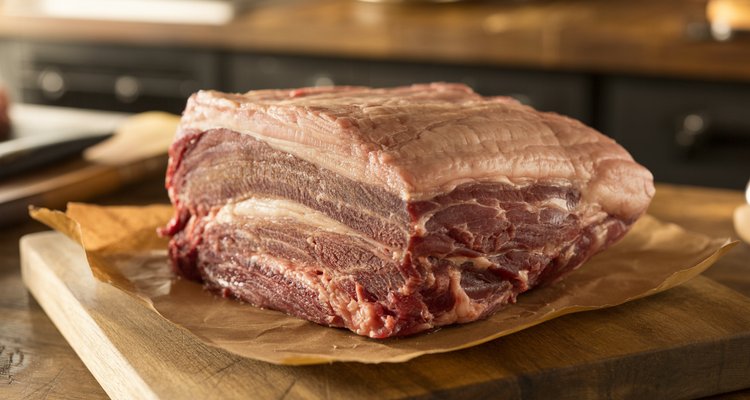
When you buy a “whole packer” brisket, you’re getting both muscles together. A whole brisket typically weighs 10-16 pounds combined. Most grocery stores sell the brisket flat and brisket point separately, and you’ll find the brisket flat far more often than the brisket point on shelves.
Brisket Flat vs Point: Side-by-Side Comparison
The brisket flat vs point comparison below covers every major difference between the two cuts at a glance.
| Feature | Brisket Flat | Brisket Point |
|---|---|---|
| Shape | Rectangular, uniform | Triangular, irregular |
| Weight | 6-10 lbs | 5-7 lbs |
| Fat Content | ~17% (leaner) | ~21% (fattier) |
| Thickness | 1-2 inches | 1.5-2.5 inches |
| Grain | Tight, uniform | Loose, irregular |
| Flavor | Clean, beefy | Rich, buttery, intense |
| Best Dishes | Sliced brisket, pastrami, corned beef | Burnt ends, chopped beef, burgers |
| Internal Temp Target | 200-203°F | 205-210°F |
| Availability | Common in grocery stores | Harder to find, ask butcher |
| Forgivingness | Less forgiving, can dry out | Very forgiving, self-bastes |
The Brisket Flat (First Cut) Explained
Shape, Size, and Fat Content
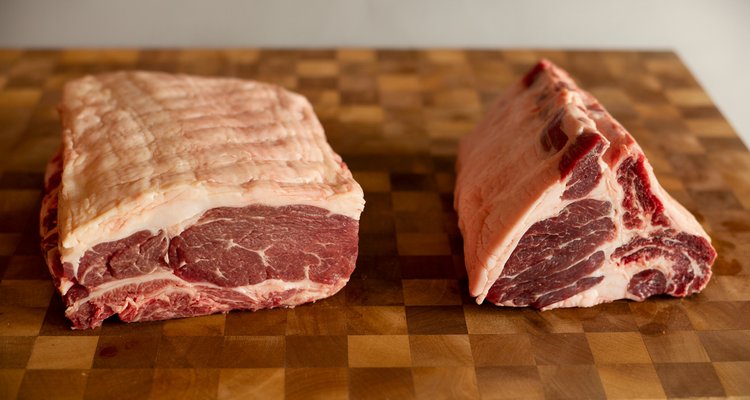
The brisket flat is a rectangular slab of lean beef brisket that runs 1-2 inches thick and weighs between 6 and 10 pounds. Its uniform shape makes the brisket flat the easier cut to work with.
The brisket flat contains roughly 17% fat. Most of that sits in a thick cap on top that renders during cooking and bastes the surface. The brisket flat has minimal marbling compared to the brisket point, which gives it a cleaner bite but less built-in moisture protection.
Best Uses for Brisket Flat
The flat’s uniform thickness and tight grain make it ideal for:
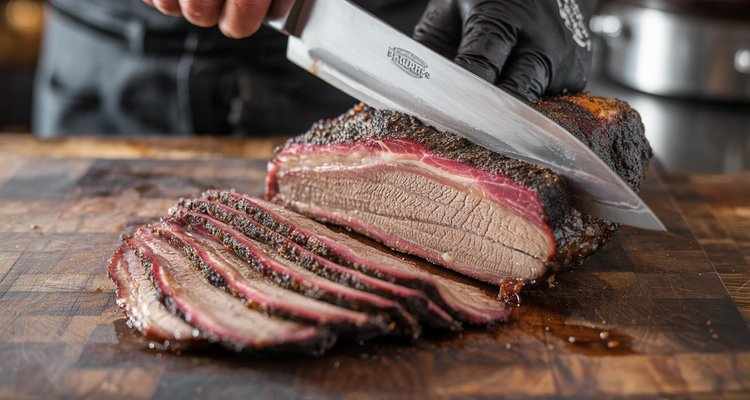
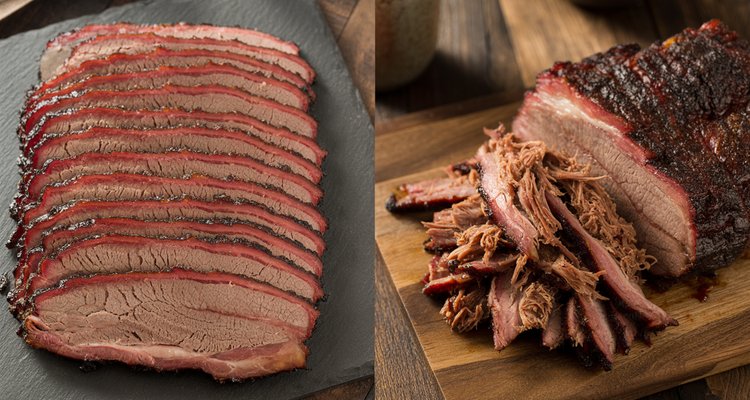
- Sliced brisket — the classic presentation with neat, even slices showing off a smoke ring
- Pastrami — the traditional deli cut; its lean texture takes well to curing and pepper crusting
- Corned beef — the flat holds its shape through brining and boiling
- Competition BBQ — judges want uniform turn-in slices, and the flat delivers them every time
Cooking Considerations
The flat dries out faster than the point because it has less intramuscular fat to keep it moist. Monitor your internal temperature closely and plan to wrap it in butcher paper or foil once it hits 165°F. This pushes through the stall and traps moisture.
Pull the flat at 200-203°F. The probe should slide in like warm butter. If you feel resistance, give it another 15-20 minutes. The flat’s even thickness actually makes it forgiving in one way: heat distributes predictably, so you won’t get hot spots or uneven cooking the way you might with the irregular point.
The Brisket Point (Second Cut) Explained
Shape, Size, and Fat Content
The brisket point is a thick, triangular piece of beef brisket that tapers at one end. The brisket point weighs 5-7 pounds and runs 1.5-2.5 inches thick. The heavy marbling throughout the muscle is visible before you even start cooking.
At roughly 21% fat, the point contains significantly more intramuscular fat and connective tissue than the flat. This extra fat melts during the long cook and bastes the meat from the inside. The result is a juicier, more tender finished product — but you’ll lose more weight to rendered fat during cooking.
Best Uses for Brisket Point
The point’s high fat content and loose grain make it perfect for:
- Burnt ends — cube the smoked point, toss with BBQ sauce, and return to the smoker for caramelized, candy-like bites
- Chopped or shredded beef — the meat pulls apart easily for sandwiches
- Ground beef — the fat ratio creates incredible burgers
- Chili base — the rich beefy flavor adds depth that lean cuts can’t match
Cooking Considerations
The point needs a higher internal temperature than the flat — aim for 205-210°F. All that connective tissue and intramuscular fat needs extra time and heat to fully render. If you pull it too early, you’ll end up with chewy, fatty pockets instead of melt-in-your-mouth tenderness.
The trade-off is that the point is extremely forgiving. Its built-in fat acts as a buffer against overcooking. You can overshoot your target by 5-10 degrees and still end up with great results — it’s almost impossible to dry out a brisket point. Expect the point to take longer than the flat on the smoker, both because it’s thicker and because the fat and collagen take time to break down.
Which Cut Should You Choose?
Forget the “which is better” debate. The brisket flat vs point question always comes down to your end goal. Use this goal-based framework to pick the perfect brisket cut for your cook.
| Your Goal | Best Cut | Why |
|---|---|---|
| Neat, uniform slices | Flat | Even shape and tight grain hold together when sliced |
| Chopped beef sandwiches | Point | Pulls apart easily with rich, juicy flavor |
| Burnt ends | Point | High fat prevents cubes from drying during second smoke |
| First-time smoker | Point | Very forgiving — hard to overcook or dry out |
| Pastrami | Flat | Lean texture takes curing well and slices thin |
| Competition BBQ | Whole packer | Judges score slices from the flat and burnt ends from the point |
| Best value per pound | Whole packer | Costs less per pound than separated cuts |
| Shorter cook time | Flat | Thinner cut cooks faster than the thick, fatty point |
Flat vs Point for Smoking
When comparing the brisket flat vs point for smoking, both cuts respond well to low-and-slow cooking but they behave differently on the smoker.
The brisket flat cooks faster because it’s thinner and leaner. At 225°F, plan on roughly 1-1.5 hours per pound. Wrap it in butcher paper at 165°F internal to push through the stall, and pull it at 200-203°F. The flat is more sensitive to temperature swings, so keep your smoker steady.
The brisket point takes longer — roughly 1.5-2 hours per pound at 225°F. The extra fat and connective tissue need more time to break down. Pull it at 205-210°F. The point handles temperature fluctuations much better than the flat because its internal fat acts as insulation.
Best wood pairings: Post oak is the Texas gold standard for brisket and works equally well for both cuts. Hickory adds a stronger, bacon-like smoke flavor. Pecan offers a milder, slightly sweet profile. Use mesquite sparingly — it can overpower the beef if you’re not careful.
Can You Separate the Flat and Point Before Cooking?
Yes. Many pitmasters separate the brisket flat from the brisket point before smoking, and there are good reasons to do it.
Benefits of separating:
- Each cut cooks more evenly because you’re working with uniform pieces
- The flat finishes faster, so you can pull it while the point continues cooking
- You can make burnt ends from the point without carving around the flat
- Shorter overall cook time since each piece is smaller
How to separate them: Flip the brisket fat-side up and find the thick seam of fat between the two muscles. Use a sharp boning knife to follow this seam, pulling the muscles apart as you cut. The fat layer acts as a natural guide.
When to keep the whole brisket intact: Smoking the whole brisket together has one major advantage — the fat from the point drips down and bastes the flat during cooking, keeping it moister. Competition pitmasters often cook them together for this reason. If moisture retention is your priority and you have the time, leave them connected. For a detailed walkthrough, check our guide on how to cut brisket.
Retail Labeling Confusion: What You’re Actually Buying
Brisket labeling at grocery stores and butcher shops can be confusing. Here’s what the common labels actually mean:
- “First cut” or “flat cut” — this is the brisket flat (the lean, rectangular piece)
- “Second cut” — this is the brisket point (the fattier, triangular piece)
- “Deckle” — technically refers to the fat layer between the flat and rib cage, but many butchers and stores use this term to mean the entire point
- “Packer brisket” or “whole brisket” — both muscles together, untrimmed
- “Brisket” — usually means just the flat, since that’s what most grocery stores stock
The brisket flat is far more common in retail grocery stores. The brisket point is harder to find on shelves because most stores sell whole briskets to restaurants and break down the remaining inventory into brisket flats. If you want a brisket point, ask your butcher directly.
Price Comparison: Flat vs Point vs Whole Packer
The whole packer is almost always the best deal per pound. For a full breakdown of current pricing, see our brisket price guide. Separated cuts carry a premium because the butcher does the trimming work for you. Generally, expect the brisket flat to cost more per pound than the point, with whole packers offering the best value.
Choice-grade whole packers at warehouse clubs like Costco and Sam’s Club often run significantly cheaper than buying the flat alone at a standard grocery store. Keep in mind that the point yields less edible meat per pound than the flat because more weight is lost to rendered fat during cooking. So even though the point costs less per pound on the sticker, the actual cost per serving can be similar.
Frequently Asked Questions
Which Part of the Brisket Is Juicier?
The brisket point is juicier than the flat. Its higher fat content (roughly 21% vs 17%) means more intramuscular fat melts during cooking and keeps the meat moist. The point essentially bastes itself from the inside out.
Is the Flat Always Drier Than the Point?
No. A well-cooked brisket flat can be perfectly juicy. The key is wrapping it at 165°F internal temperature, pulling it at 200-203°F, and resting it for at least 30-60 minutes. Injecting the flat with beef broth before smoking also helps. The flat only dries out if you overcook it or skip the wrap.
Can I Separate the Flat and Point Before Cooking?
Yes. Follow the fat seam (deckle) between the two muscles with a sharp boning knife. Separating them allows each cut to cook more evenly and reduces overall cook time. Many pitmasters prefer this method, especially when they want to make burnt ends from the point.
Which Cut Is Better for Burnt Ends?
The point — always. Burnt ends require cubing the meat and smoking it a second time with sauce. The point’s high fat content prevents the cubes from drying out during this process. Attempting burnt ends with the lean flat will produce dry, chewy chunks. For the full process, see our burnt ends guide.
Is Brisket Point or Flat More Expensive?
The flat costs more per pound than the point. However, the point loses more weight to rendered fat during cooking, so the cost per serving ends up closer than the sticker price suggests.
Can You Smoke Just the Flat by Itself?
Absolutely. Smoking a brisket flat on its own is common and produces excellent sliced brisket. Use a lower smoker temperature (225°F), wrap at 165°F internal, and pull at 200-203°F. Consider injecting the flat with beef broth before cooking to add moisture insurance.
What Is the Deckle on a Brisket?
The deckle is technically the thick layer of fat and connective tissue that sits between the brisket flat and the rib cage. However, many butchers and meat packers use “deckle” to refer to the entire brisket point. This mislabeling is common enough that you should always ask what a “deckle” label actually means at your particular store.
Which Cut Is Better for Beginners?
The brisket point is better for beginners. Its high fat content makes it extremely forgiving — temperature swings and minor timing mistakes won’t ruin it. You can pull it anywhere from 200-210°F and still get tender, delicious meat. The flat requires more precise temperature control.
How Long Does Each Cut Take to Smoke?
At 225°F, the brisket flat takes roughly 1-1.5 hours per pound. The point takes 1.5-2 hours per pound because it’s thicker and the fat needs more time to render. A 7-pound flat might take 8-10 hours, while a 6-pound point could take 9-12 hours.
Can You Use the Flat for Burnt Ends?
You can try, but it won’t produce authentic burnt ends. The flat lacks the intramuscular fat that keeps the cubes moist during the second smoking session. Some people make “poor man’s burnt ends” from the flat, but the texture is noticeably drier and chewier than real burnt ends from the point.
Which Cut Is Better for Corned Beef?
The flat is the traditional choice for corned beef. Its lean, uniform shape holds together well through the brining and boiling process, and it slices neatly for sandwiches. The point can also be corned — it produces a richer, fattier result that shreds better than it slices. For a deeper comparison, see our guide on corned beef vs brisket.